The landscape of American public education has long been a mirror reflecting the nation’s deepest socio-political struggles. In recent years, a profound shift has taken place across school districts nationwide as communities grapple with the historical weight of Confederate school names. The rebranding of these institutions is not merely a cosmetic change; it represents a fundamental re-evaluation of how public spaces commemorate the past. What began as localized debates has evolved into a sweeping national movement to align the names of educational spaces with modern values of inclusivity and historical accuracy. This transition highlights the enduring tension between regional memory and national progress, illustrating how public schools—originally designed as pillars of democratic civic life—have frequently found themselves at the epicenter of civil rights conflicts.
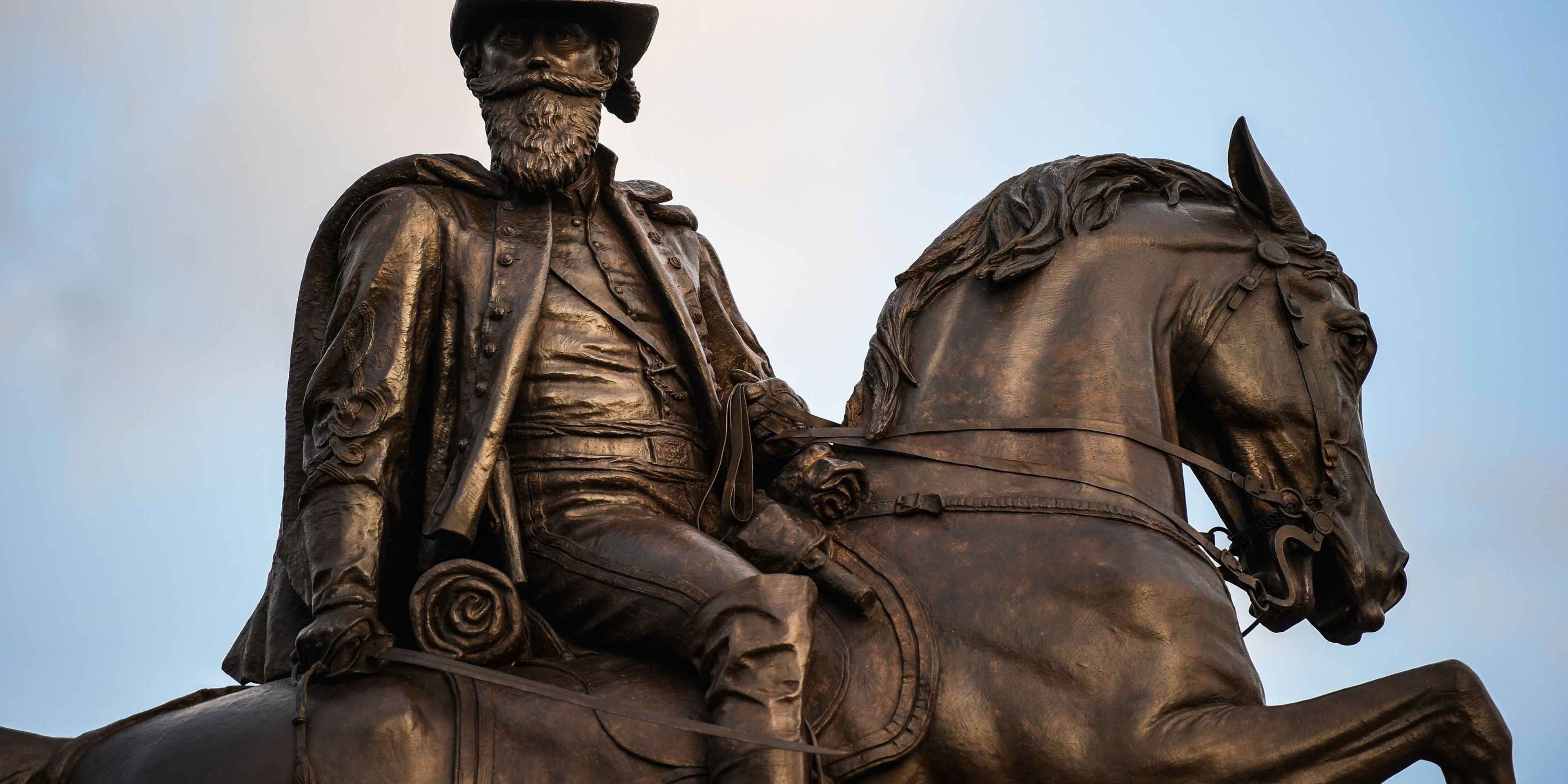
The Historical Roots: When and Why Were Schools Named After Confederates?
To understand the current movement toward rebranding, one must look at the distinct historical periods when these school names were originally chosen. Contrary to popular belief, very few schools were named after Confederate figures immediately after the American Civil War (1861–1865). Instead, historians identify two distinct waves of Confederate commemoration that align with periods of intense racial tension and political backlash in the United States.
The First Wave: The Jim Crow Era (1890s–1920s)
The first significant wave occurred during the rise of Jim Crow segregation and the peak of the ‘Lost Cause’ movement—a regional campaign designed to portray the Confederacy in a heroic, romanticized light. Between 1890 and 1930, southern states codified racial segregation, disenfranchised Black voters, and erected hundreds of Confederate monuments. During this era, local school boards began naming public institutions after generals like Robert E. Lee and Stonewall Jackson to reinforce white supremacy and send a clear message about who held power. This early educational landscape was vastly different from what school was like in the 13 colonies, where local, faith-based instruction dominated rather than politically charged state segregation systems.
The Second Wave: Massive Resistance to Integration (1950s–1970s)
The second major wave occurred as a direct backlash to the Civil Rights Movement, specifically following the landmark 1954 Supreme Court ruling in Brown v. Board of Education. When the federal government mandated the desegregation of public schools, many southern states responded with a policy of ‘massive resistance.’ Between 1950 and 1970, at least 32 schools were dedicated or renamed to honor Confederate leaders. This was not a passive nod to local heritage, but an active, symbolic protest against federal authority and racial integration. School boards used these names to assert state rights, a persistent issue since the early days of the republic when the Founding Fathers divided power between states and federal governments.
Timeline of Key Events: From Segregation to Rebranding
- 1861–1865: The American Civil War ends in Union victory, leading to the abolition of slavery but leaving unresolved questions about regional integration and civil rights.
- 1896: The Supreme Court’s Plessy v. Ferguson ruling establishes the ‘separate but equal’ doctrine, ushering in decades of legalized Jim Crow segregation.
- 1954: The landmark Supreme Court decision in Brown v. Board of Education declares segregated public schools unconstitutional, sparking the modern Civil Rights Movement.
- 1950s–1970s: Southern communities name dozens of public schools after Confederate generals in protest of federally mandated integration.
- June 2015: The tragic massacre of nine Black congregants at the Emanuel A.M.E. Church in Charleston, South Carolina, by a white supremacist reignites a national debate over Confederate iconography in public spaces.
- August 2017: The deadly ‘Unite the Right’ rally in Charlottesville, Virginia, accelerates efforts to remove Confederate monuments and rename public schools nationwide.
- 2018–Present: Massive shifts occur across multiple states, including Virginia—the former capital of the Confederacy—where iconic schools like J.E.B. Stuart Elementary are renamed to honor leaders like Barack Obama.
Key Figures in the Battle Over Public Memory
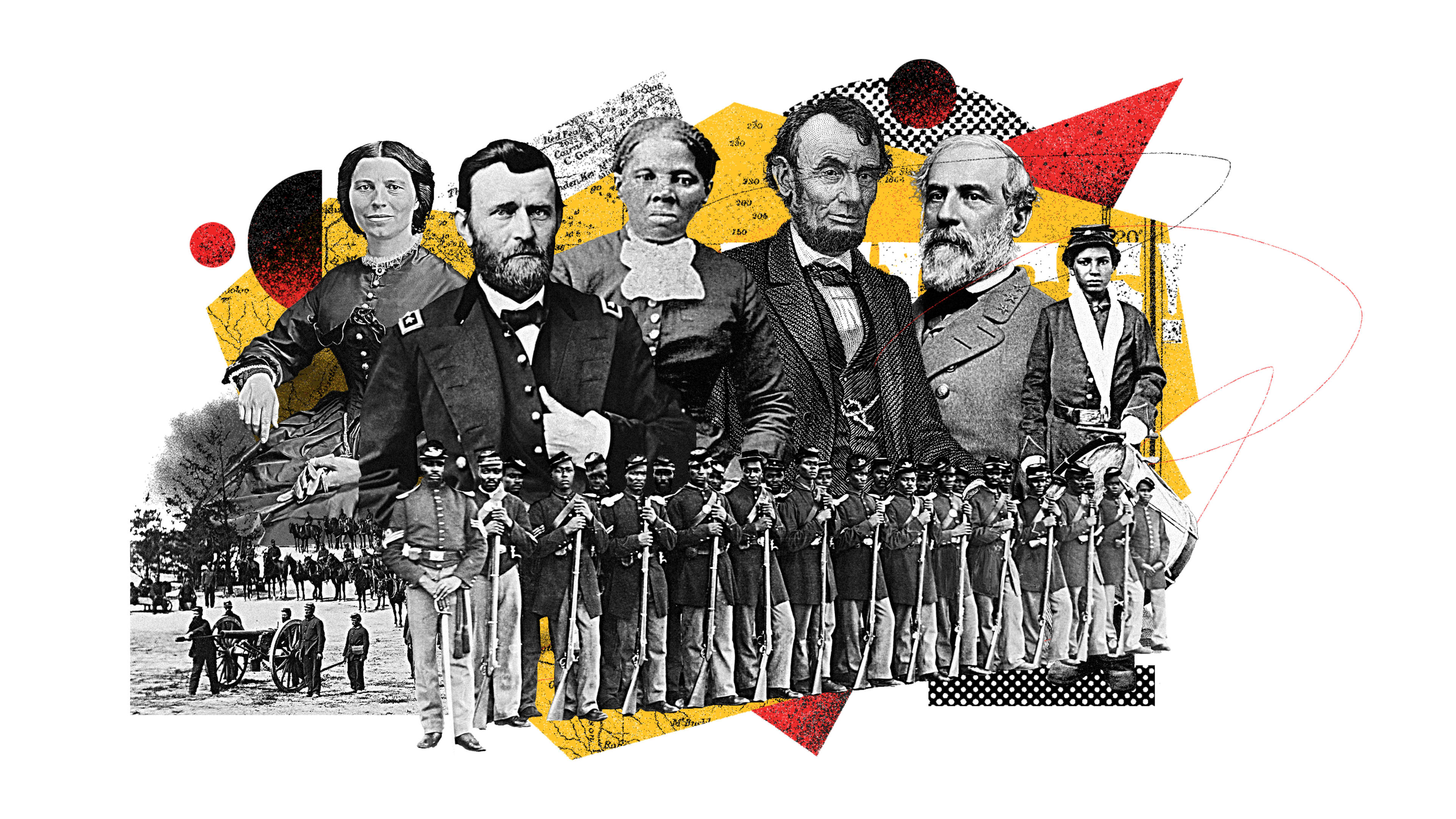
The conflict surrounding school names features historical actors from different eras, each representing opposing visions of American identity.
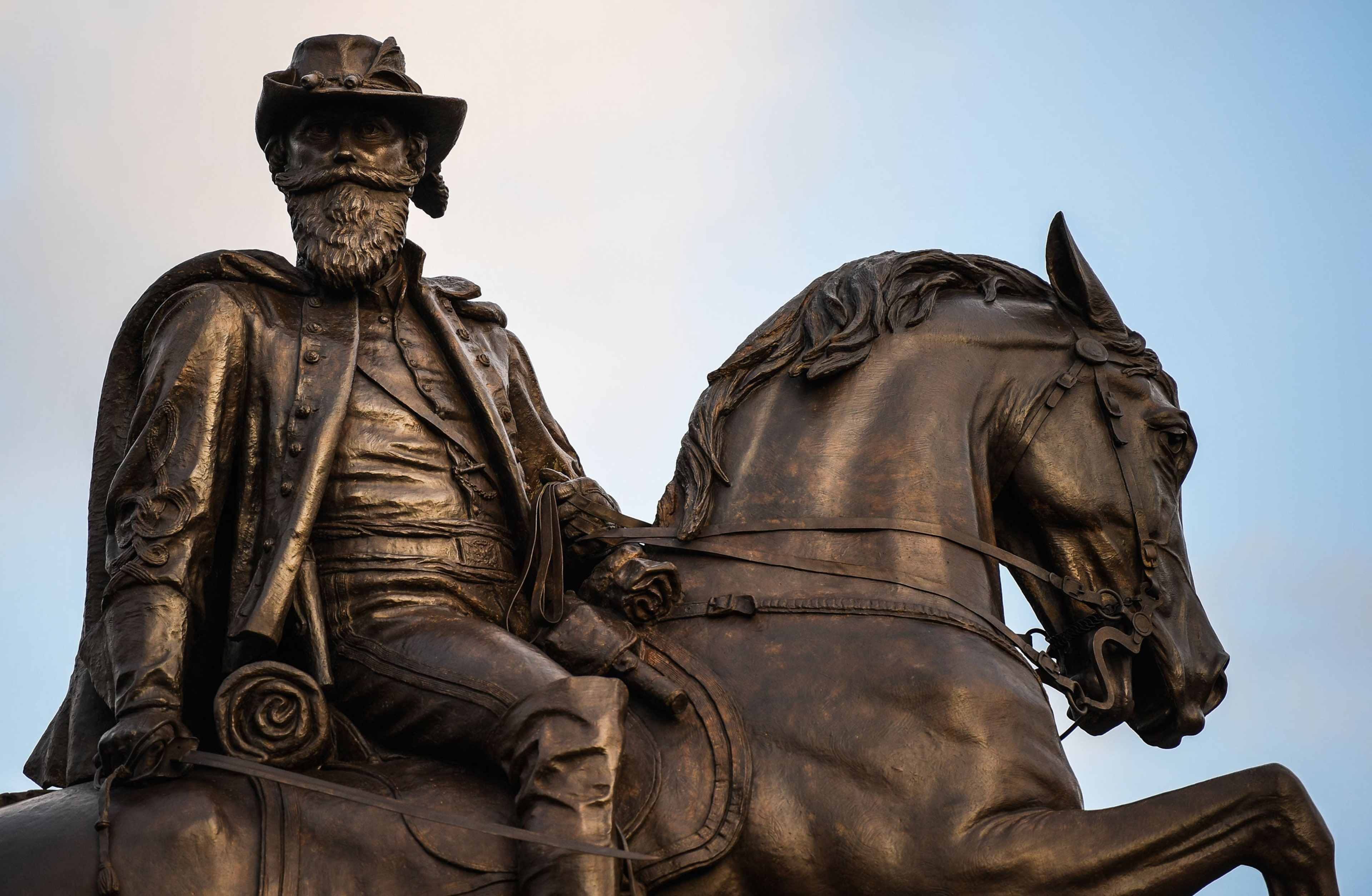
Robert E. Lee, J.E.B. Stuart, and ‘Stonewall’ Jackson
As the primary military commanders of the Confederate States of America, these men fought to preserve the institution of slavery. Decades after their deaths, their names were elevated on schools, parks, and streets to serve as symbols of Southern defiance and white solidarity during eras of civil rights progress.
Thurgood Marshall and Civil Rights Advocates
As the lead counsel for the NAACP in the Brown v. Board case and later the first Black Supreme Court Justice, Marshall fought to dismantle the legal scaffolding of segregation. His work laid the groundwork for the modern diverse student bodies that now sit within these renamed schools.
Barack Obama and Contemporary Leaders
The first African American president of the United States has increasingly become a symbol of choice for communities seeking to replace Confederate names. In Richmond, Virginia—once the heart of the Confederacy—the decision to rename J.E.B. Stuart Elementary to Barack Obama Elementary represents a profound, poetic shift in institutional values.
The Turning Points: Why the Rebranding Gained Sudden Momentum
For decades, calls to rename schools and remove Confederate monuments were largely localized and slow-moving. However, two pivotal events catalyzed a rapid, national shift in public consciousness. The first was the horrific 2015 Charleston church shooting, which demonstrated how Confederate symbols were still actively utilized to fuel violent white supremacy. This prompted immediate calls to retire the Confederate battle flag from state capitals and school buildings. The second catalyst was the August 2017 Charlottesville riot, which brought the debate over historical monuments into sharp, national focus. In the years following these events, dozens of schools across the country—most notably in Virginia and Texas—voted to replace names associated with the Confederacy. These shifts represent some of the most visible, systemic great strides for freedom in US history, as communities choose to celebrate progress and inclusion over symbols of division.
Long-Term Impact on American Education and Culture
The systemic rebranding of public schools is reshaping the American educational landscape in several permanent ways. First, it directly affects the psychological well-being of minority students, who no longer have to walk through doors named after men who fought to enslave their ancestors. Second, it has forced communities to engage in rigorous, often painful dialogues about local history, systemic racism, and civic values. By removing these names, school boards are actively choosing to align their institutions with the democratic ideals of equal opportunity and justice for all, thereby reshaping how future generations perceive the Civil War and the Reconstruction era.
Fascinating and Lesser-Known Facts
- Not Just a Southern Issue: While Texas and Virginia lead the nation in Confederate-named schools, several such schools were built or named in non-Confederate states like California, Washington, and Massachusetts during the mid-20th century.
- The West Virginia Paradox: West Virginia specifically broke away from Virginia during the Civil War to remain loyal to the Union, yet the state still has public schools named after Confederate generals.
- The Georgia Flag Protest: In 1956, during the height of the anti-integration backlash, the state of Georgia incorporated the Confederate battle flag into its official state flag. This flag was flown over every public school in the state until it was finally changed in 2001.
Why This Issue Still Matters Today
The debate over Confederate school names is far from over. It serves as a reminder that history is not static; it is an active, ongoing dialogue between the past and the present. Schools are not merely locations for learning; they are public institutions that reflect what a society values, respects, and chooses to honor. In an increasingly diverse nation, the names on school buildings signal to students whether they are truly welcomed and valued. Rebranding these schools is an essential step in ensuring that public education fulfills its promise as a truly inclusive and equitable cornerstone of American society.
People Also Ask (PAA)
Why were schools named after Confederates?
Most schools with Confederate names were established during the Jim Crow era (1890s-1920s) and during the mid-20th century (1950s-1970s) as a symbolic protest against racial integration and the Civil Rights Movement.
How many schools have changed their names?
Since the Charleston church shooting in 2015, dozens of schools have rebranded, though approximately 100 schools throughout the country still retain names honoring Confederate icons.
Is rebranding schools expensive?
Yes, rebranding a school involves costs such as updating signage, athletic uniforms, school stationery, and digital portals, which often sparks local debate regarding school board budgets.
Conclusion
The national movement to rebrand schools named after Confederate figures is a critical chapter in America’s ongoing civil rights journey. By confronting the historical motivations behind these names, modern communities are redefining their public spaces to reflect equity, diversity, and historical truth. As these institutions shed symbols of division and embrace modern pioneers, they take a monumental step toward fostering educational environments where every student can feel a sense of belonging and pride.


