For students of American history, stepping into the tragic landscape of the American Civil War (1861–1865) often means navigating a confusing linguistic map. A single bloody clash fought on a warm afternoon could be immortalized as “Bull Run” in Northern newspapers while being celebrated as “Manassas” in Southern dispatches. This geographic naming divergence was not merely accidental; it reflected deeply ingrained cultural, economic, and socioeconomic differences between the industrializing Union and the agrarian Confederacy. This division in terminology remains one of the most fascinating aspects of military history, showing how two opposing sides mapped the exact same terrain through completely different cultural lenses.
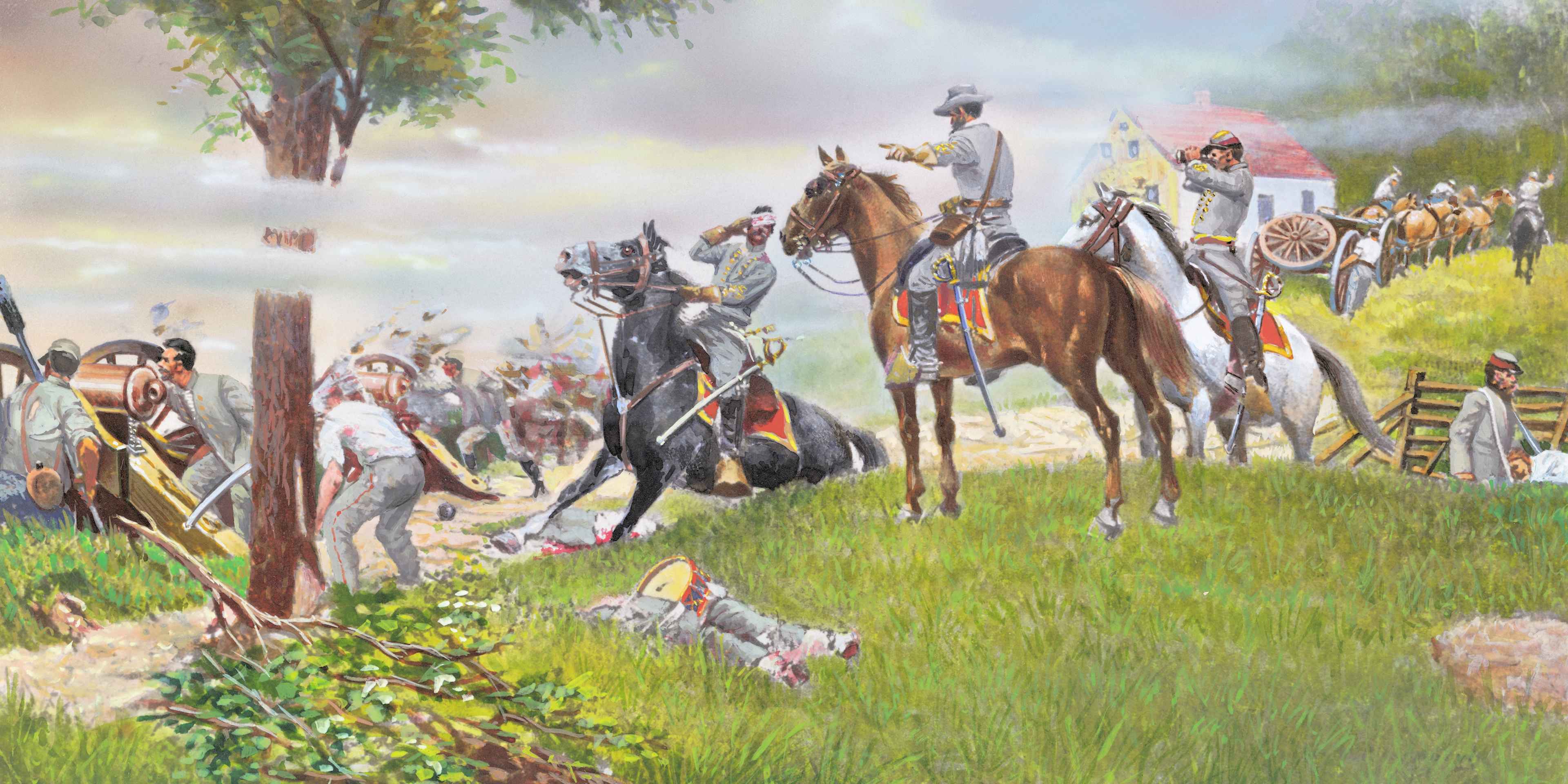
The Historical Background: Two Sides, Two Perspectives
During the American Civil War, the United States was fractured not only by political ideologies and the brutal institution of slavery but also by how its citizens perceived and interacted with the land. When armies clashed, commanders on both sides had to quickly draft reports, write dispatches, and notify their respective war departments of victories or defeats. To do this, they needed to name the location of the battle.
Federal (Union) troops, hailing largely from urbanized, industrialized Northern cities, were often unfamiliar with the rural landscapes of the South. When they marched into Southern territory, they were struck by the natural, untamed elements of the geography. Consequently, Union officers oriented themselves using prominent natural features such as rivers, creeks, valleys, and mountain ranges. To the Northern soldier, the flowing water or towering hill was the most distinct landmark in an otherwise alien landscape.
Conversely, Confederate soldiers were fighting on their home turf. Having grown up in rural, agrarian communities, natural features like streams, forests, and ridges were commonplace and unremarkable to them. Instead, Southern commanders and soldiers focused on man-made structures and centers of community life. To a Confederate soldier, a railroad junction, a local church, a crossroads tavern, or a small town was a far more distinct and memorable landmark than just another creek or hill.
Chronological Breakdown of Major Dual-Named Battles
The naming discrepancy persisted throughout the four years of the war. Below is a chronological look at the most famous battles that carry dual names, showcasing how this cultural divide played out on the ground:
- First Battle of Bull Run / First Manassas (July 21, 1861): The first major land battle of the war took place in Virginia. The Union named it after “Bull Run,” a small stream meandering through the area. The Confederates named it after “Manassas,” the nearby railroad junction that held immense strategic value. The battle ended in a rout of Union forces, sending them fleeing back to Washington, D.C. While history remembers several brilliant military retreats that saved armies from total destruction, the chaotic panic at Bull Run was a stark awakening that the war would not be won in a single day.
- Battle of Pea Ridge / Elkhorn Tavern (March 7–8, 1862): Fought in Arkansas, this pivotal Western Theater clash was called “Pea Ridge” by the Union, referencing the prominent geographic ridge. The Confederates referred to it as “Elkhorn Tavern,” named after a local two-story wood-frame tavern that served as a local landmark and trailhead stop.
- Battle of Pittsburg Landing / Shiloh (April 6–7, 1862): This exceptionally bloody battle in southwestern Tennessee saw Union General Ulysses S. Grant establish his base at “Pittsburg Landing” on the Tennessee River. The Confederates, however, attacked near “Shiloh Church,” a modest log structure built by local Methodists. Today, this battle is widely known by its Confederate-designated name, Shiloh.
- Battle of Antietam / Sharpsburg (September 17, 1862): Fought in Maryland, this stands as the bloodiest single-day battle in American military history. The Union named the battle after “Antietam Creek,” which ran through the battlefield. The Confederates named it after “Sharpsburg,” the quiet agricultural village that was central to Robert E. Lee’s defensive lines.
Important Figures and Their Lasting Impact
The names chosen by prominent commanders influenced how these battles were recorded in official military archives. Understanding these figures helps explain the institutionalization of these names:
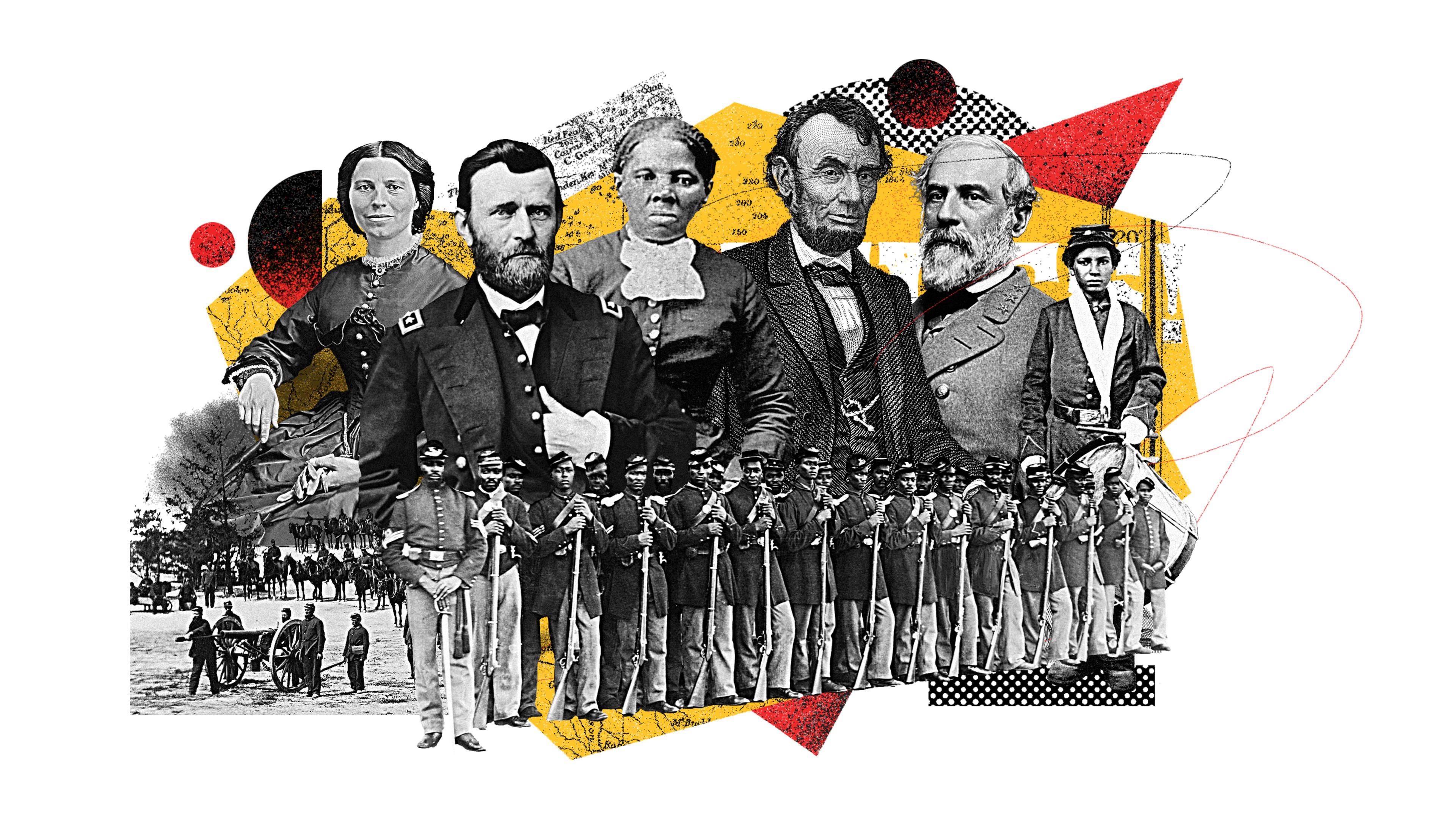
Ulysses S. Grant
As the commander of the Union’s District of West Tennessee during the Battle of Shiloh, Grant insisted on using “Pittsburg Landing” in his official reports. For Grant, the landing was his logistical lifeline, the point where reinforcements arrived. His adherence to natural and operational geography was typical of Northern military administration, which prioritized naval supply lines and river transport.
Robert E. Lee
The commander of the Confederate Army of Northern Virginia consistently used town names, such as “Sharpsburg” and “Manassas,” in his official dispatches. Lee’s focus on towns reflected the Southern strategic emphasis on defending populated centers and major agricultural hubs, which were vital for sustaining the Confederate war effort.
The Role of Civil War Cartographers
Mapmakers like Jedediah Hotchkiss for the Confederacy and institutional cartographers for the Union Army also played a massive role. They drew maps using different terminology, meaning that even after the war, veterans and historians had to cross-reference multiple maps to understand the exact troop movements of a single engagement.
Turning Points and Their Socio-Political Context
The naming of these battles often correlated with major shifts in the war’s trajectory. For instance, the Battle of Antietam (or Sharpsburg) served as a critical turning point. The Union’s tactical victory allowed President Abraham Lincoln to issue the preliminary Emancipation Proclamation, transforming the war from a struggle to preserve the Union into a crusade for human freedom.
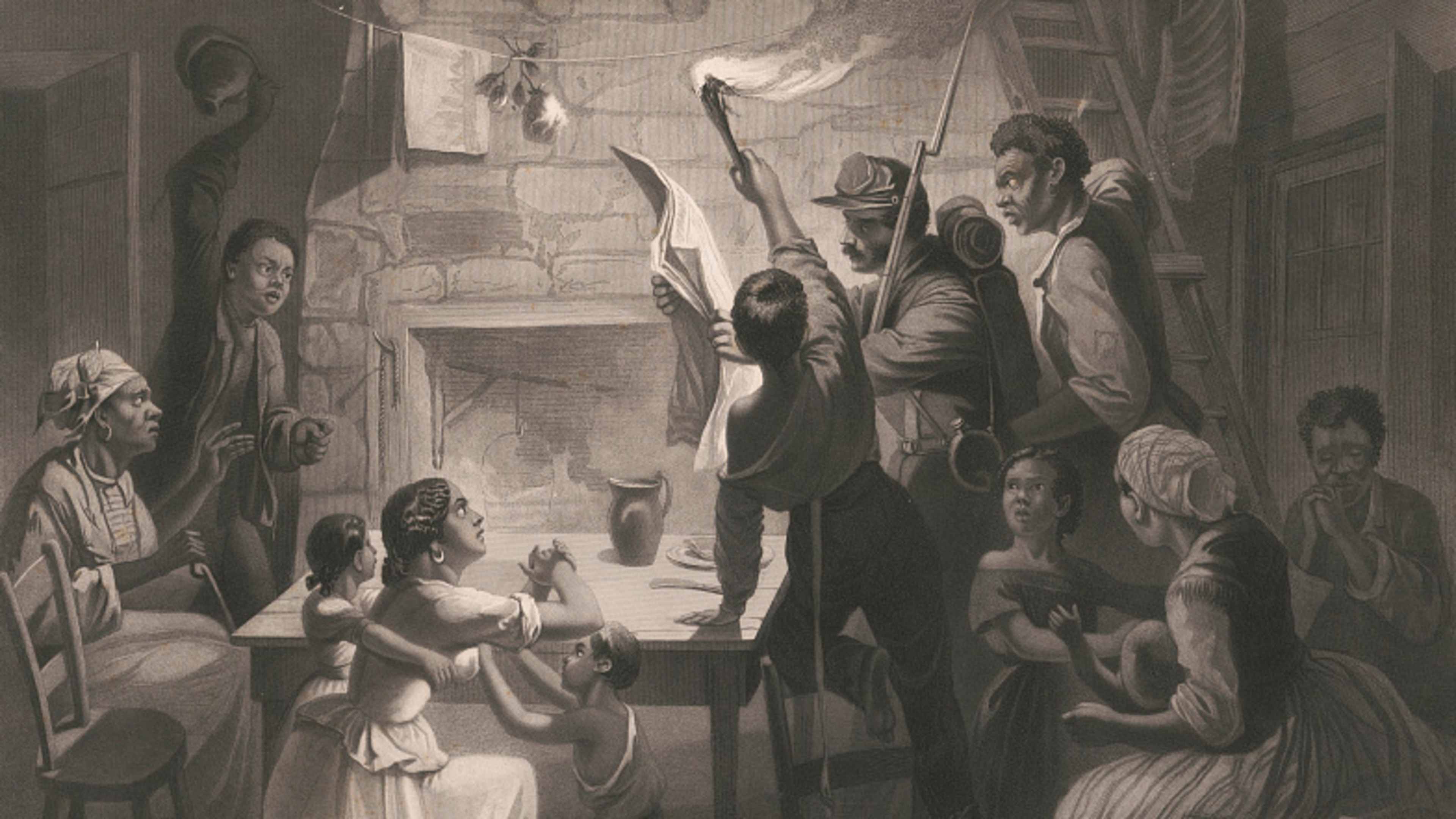
The sheer scale of casualties at Antietam—over 22,000 in a single day—provoked intense public horror. This immense loss of life fueled the rise of peace factions and early US anti-war movements that pressured Lincoln’s administration to find a diplomatic end to the conflict. At the same time, the war’s shifting goals paved the way for more radical social transformations, and eventually, the mobilization of United States Colored Troops. The contribution of these soldiers remains a vital part of the legacy of black heroes throughout US military history, demonstrating how deeply intertwined military nomenclature is with the social evolution of the nation.
Lesser-Known Facts About Civil War Battle Names
Behind the dual names lie fascinating human stories that are often overlooked in standard textbooks:
- The Tavern That Survived: Elkhorn Tavern, which gave the Battle of Pea Ridge its Confederate name, was deeply damaged during the battle and subsequently burned down by guerillas. However, it was rebuilt on its original foundations after the war and still stands today as a preserved historical site within the National Military Park.
- A Church of Peace on a Field of Blood: The word “Shiloh” is of Hebrew origin, meaning “place of peace.” It is deeply ironic that one of the most violent, chaotic, and terrifying battles of the entire war took its name from a humble log church dedicated to peace.
- The Post-War Standardization: After the war, the U.S. War Department attempted to standardize the names of battles for the official records of the Union and Confederate armies. While they generally preferred Union naming conventions (focusing on natural features), some Southern names were so deeply entrenched in the public consciousness—such as Shiloh—that the government permanently adopted them.
Why It Still Matters Today
The dual naming of Civil War battles is more than just a historical trivia point; it is a direct reflection of how historical memory is constructed. Even today, visiting a battlefield park can reveal these lingering dualities. The National Park Service often has to balance these historical perspectives, ensuring that visitors understand both the physical geography that shaped the tactics (the Northern focus) and the communities that were devastated by the fighting (the Southern focus).
This linguistic divide reminds us that history is rarely experienced in the exact same way by those who live through it. By exploring both names of a battle, we gain a richer, more complete understanding of the diverse experiences, background, and psychology of the soldiers who fought on those fateful fields.
People Also Ask
Why did the North name battles after rivers and the South after towns?
The North named battles after rivers and creeks because Union soldiers were often unfamiliar with the Southern rural landscape and relied on prominent natural landmarks to orient themselves. The South named battles after towns, churches, or railroad stations because Confederate soldiers were familiar with the local geography and identified battles by the communities and man-made structures they were defending.
Is Antietam the same as Sharpsburg?
Yes. The Battle of Antietam is the Northern name for the major engagement fought on September 17, 1862, in Maryland, named after Antietam Creek. The Confederate forces and Southern historians refer to the same conflict as the Battle of Sharpsburg, named after the nearby town of Sharpsburg, Maryland.
Which name is considered official today?
There is no single official rule, but the National Park Service and modern historians generally use the names that became most popular in post-war literature. In some cases, the Northern name won out (e.g., Antietam, Bull Run), while in others, the Southern name became the standard (e.g., Shiloh).
Conclusion
The dual names of Civil War battles offer a poetic and profound window into a nation divided. They show us that the Union and the Confederacy were not just fighting over different political and moral futures, but were also mapping the physical world through entirely different cultural lenses. Recognizing both Bull Run and Manassas, or Antietam and Sharpsburg, allows us to appreciate the full, complex tapestry of American history and the diverse individuals who shaped it.


