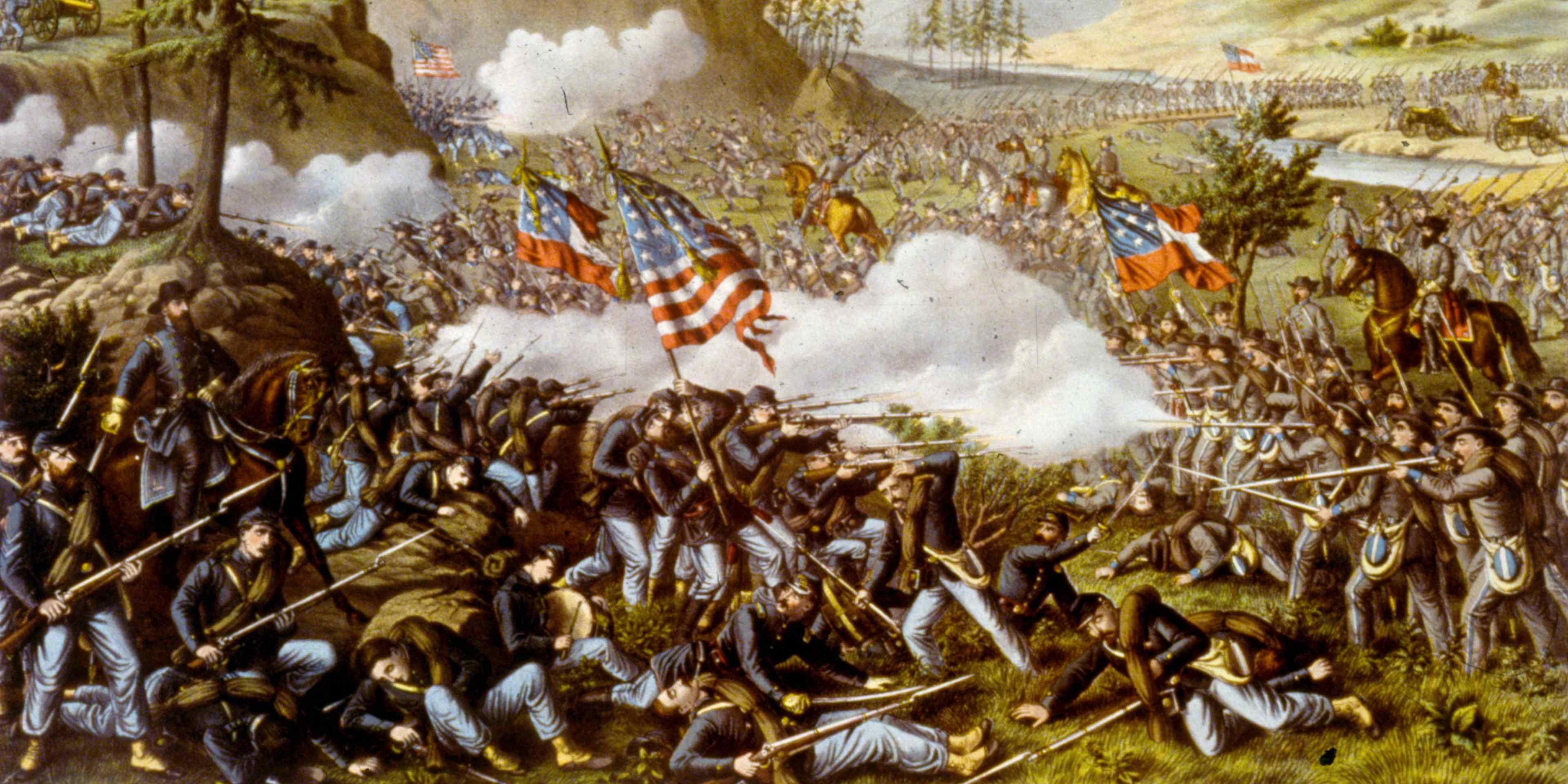
The Battle of Chickamauga, fought on September 18–20, 1863, stands as one of the most brutal, chaotic, and high-stakes engagements of the American Civil War. As the centerpiece of the Chickamauga Campaign, this bloody clash in northwestern Georgia pitted Major General William Rosecrans’ Union Army of the Cumberland against General Braxton Bragg’s Confederate Army of Tennessee. Named after the nearby Chickamauga Creek—a Cherokee word often associated with “River of Death”—the encounter lived up to its grim moniker, yielding the second-highest casualty count of the entire war, surpassed only by the Battle of Gettysburg. More than just a tactical collision, Chickamauga was a desperate wrestle for Chattanooga, Tennessee, the strategic “Gateway to the South” and a vital railroad junction. Today, understanding this harrowing two-day struggle offers a profound window into the military blunders, exceptional heroism, and deep-seated human costs that defined the Western Theater of the American Civil War.
Historical Background: The Campaign for Chattanooga
By the late summer of 1863, the tide of the American Civil War was beginning to shift. Following the major Union victories at Gettysburg and Vicksburg in July, the Federal government sought to press its advantage in the Western Theater. Major General William Rosecrans embarked on the brilliant Tullahoma Campaign, a series of masterful maneuvers that forced Confederate General Braxton Bragg to retreat from middle Tennessee without a major battle. By early September, Rosecrans had successfully pushed Bragg’s forces entirely out of Chattanooga, a highly prized rail hub.
However, Rosecrans grew overconfident. Believing the Confederate Army of Tennessee was in full, demoralized retreat, he dispersed his army into three separate columns to pursue Bragg across the rugged terrain of northwest Georgia. In reality, Bragg was not fleeing. He had halted his army just 12 miles south of Chattanooga, waiting to concentrate his forces and launch a devastating counterattack. Bragg realized that if he could cut Rosecrans off from his supply lines and retake Chattanooga, he could reverse the Union’s momentum in the West.
Causes and Context: Why Chattanooga Mattered
Chattanooga was the key to the deep South. Nestled along the Tennessee River and surrounded by steep ridges, the city served as the intersection of major railroad lines linking the Eastern and Western theaters of the Confederacy. For the Union, capturing Chattanooga would sever these vital supply arteries and open a direct highway into Georgia and the Confederate heartland. For the Confederacy, losing the city meant losing eastern Tennessee, a region rich in mineral resources and agricultural bounty, as well as risking a deep Union invasion.
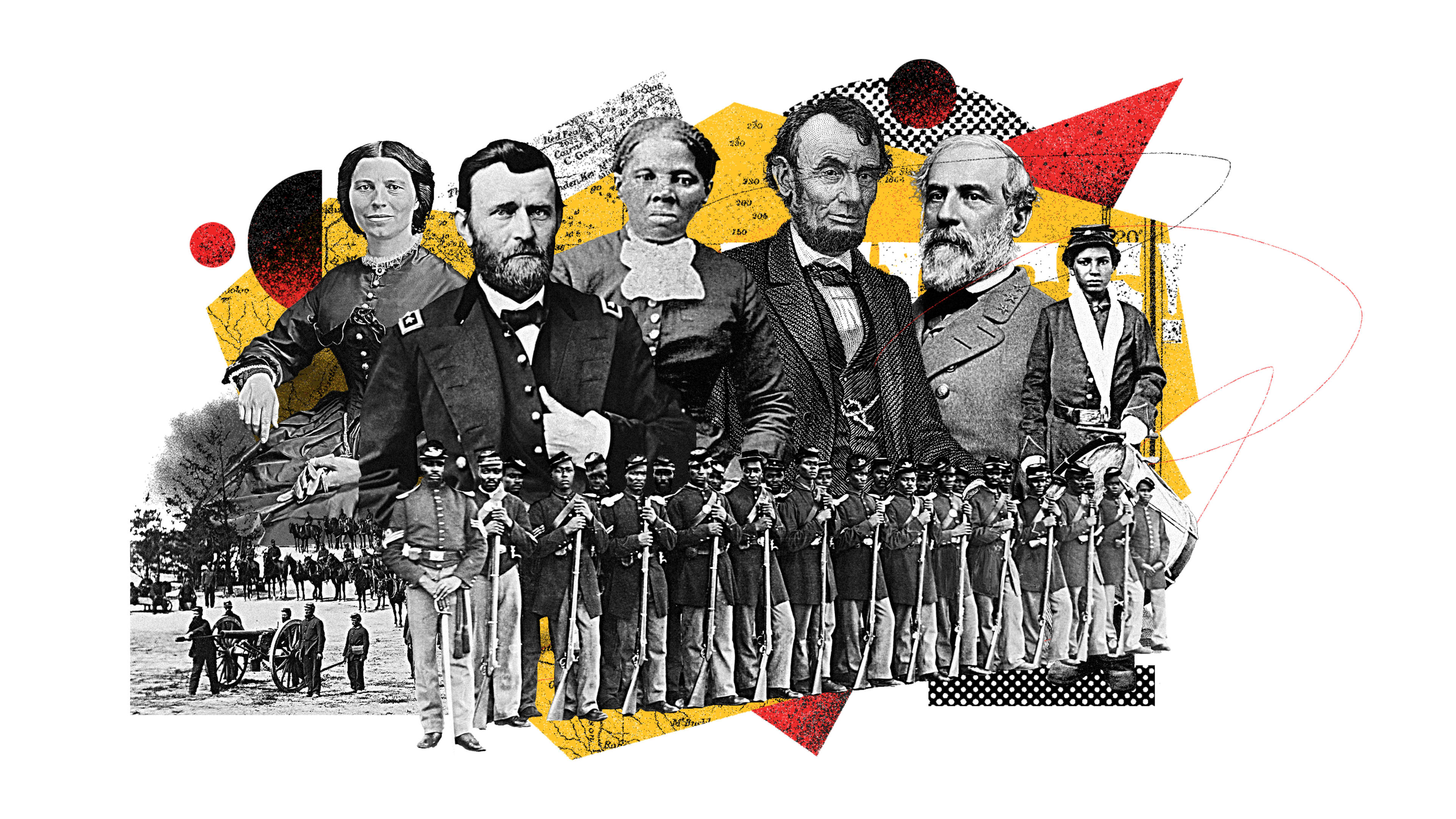
The intense political and military pressure on both sides set the stage for an inevitably violent clash. To bolster Bragg’s defensive lines, Confederate President Jefferson Davis took the rare step of sending reinforcements from the East, including two divisions led by the battle-hardened Lieutenant General James Longstreet from Robert E. Lee’s Army of Northern Virginia. This was a monumental logistical achievement, transporting thousands of troops by rail across hundreds of miles of failing Confederate infrastructure. While the Civil War eventually saw the mobilization of diverse troops to safeguard the Union, it is fascinating to contrast this with how revolutionary promises of liberty were structured in earlier eras, such as how enslaved men who fought for the British were promised freedom during the American Revolution.
Key Events Timeline: The Three-Day Battle
To understand the chaotic flow of the Battle of Chickamauga, we must examine the events as they unfolded day by day:
- September 18, 1863: The opening skirmishes begin. Confederate cavalry and infantry clash with Union forces at Reed’s Bridge and Alexander’s Bridge. Bragg attempts to cross Chickamauga Creek to get between Rosecrans’ army and Chattanooga, but stubborn Union resistance delays his advance.
- September 19, 1863 (Day One of Battle): In the early morning hours, the two armies collide in the dense, heavily wooded terrain along Chickamauga Creek. The fighting quickly dissolves into a series of disconnected, bloody piecemeal engagements. Bragg repeatedly attacks the Union left flank, which is anchored by Major General George H. Thomas’s XIV Corps, but Thomas holds his ground with the aid of timely reinforcements.
- September 20, 1863 (Day Two of Battle): In the morning, Bragg resumes his attacks on the Union left. Around 11:30 AM, a critical miscommunication occurs. Rosecrans, falsely believing a gap exists in his center-right line, orders Brigadier General Thomas J. Wood to shift his division. Wood’s departure creates a massive, genuine gap in the Union line.
- September 20, 1863 (Afternoon): Just as the gap is created, James Longstreet launches a massive, pre-planned eight-brigade Confederate assault. The Rebels pour through the hole, shattering the Union right wing and sending Rosecrans and half the Federal army fleeing in panic toward Chattanooga.
- September 20, 1863 (Late Afternoon & Evening): Rather than retreating, George H. Thomas rallies the remaining Union forces on Snodgrass Hill and Horseshoe Ridge. His stubborn defensive stand holds off repeated Confederate assaults, earning him the legendary title “The Rock of Chickamauga”. Under the cover of darkness, Thomas successfully executes an orderly retreat to Chattanooga.
Important Figures of Chickamauga
Several military commanders played pivotal roles in determining the outcome of this historic battle, leaving lasting marks on the legacy of the Civil War:
Major General William Rosecrans
Known to his men as “Old Rosy,” Rosecrans was initially celebrated for his tactical brilliance during the Tullahoma Campaign. However, his high-strung nature and tendency to micromanage proved disastrous at Chickamauga. His frantic, erroneous order on September 20 shattered his own lines, and his decision to flee the battlefield to Chattanooga permanently destroyed his military reputation, leading to his removal from command shortly thereafter.
General Braxton Bragg
Bragg was a highly controversial figure, notorious for his abrasive personality and poor relationship with his subordinate officers. While he successfully executed a major tactical victory at Chickamauga, his failure to quickly pursue the routed Union forces and capitalize on his triumph turned a potentially decisive victory into a strategic stalemate.
Major General George H. Thomas
A native Virginian who chose to remain loyal to the Union, Thomas was a brilliant and methodical commander. His cool-headed leadership on the afternoon of September 20 saved the Union Army of the Cumberland from absolute destruction. Thomas’s steadfastness solidified his position as one of the finest defensive minds of the war, drawing comparisons to other notable figures and black heroes throughout US military history who displayed unwavering courage under fire.
Lieutenant General James Longstreet
Known as Robert E. Lee’s “Old War Horse,” Longstreet’s arrival on the night of September 19 brought invaluable reinforcements and tactical experience to the Confederate side. He personally commanded the left wing of Bragg’s army and masterminded the afternoon assault that broke the Federal line, marking one of his greatest tactical successes of the war.
Major Turning Points: The Muddled Order
The pivotal turning point of the entire battle occurred late on the morning of September 20. Rosecrans received a report from a staff officer claiming that a gap existed in the Union line between the divisions of Joseph J. Reynolds and John J. Brannan. In reality, Brannan’s division was merely concealed in the thick woods, and no gap existed.
Without verifying the claim, an agitated Rosecrans hastily wrote an order to Brigadier General Thomas J. Wood, commanding him to “close up on Reynolds as fast as possible, and support him”. Wood knew that moving his division would actually create a massive opening, but because Rosecrans had publicly humiliated and berated him for slow movement days earlier, Wood chose to obey the literal wording of the order immediately. He pulled his troops out of line. Ten minutes later, Longstreet’s column charged directly into the newly vacated space, splitting the Union army in two and altering the course of the campaign.
The Costly Triumph and Long-Term Impact on America
The Battle of Chickamauga was a tactical victory for the Confederacy, but it came at a staggering, ruinous cost. Combined casualties exceeded 34,000 men, with the Union suffering 16,170 casualties (killed, wounded, or missing) and the Confederates suffering 18,454. It was the bloodiest battle in the Western Theater and left the local landscape devastated.
Because Bragg failed to launch an immediate pursuit of the retreating Union troops, Rosecrans’ army was able to fortify themselves safely inside Chattanooga. Bragg chose instead to lay siege to the city from the heights of Lookout Mountain and Missionary Ridge. However, this delay proved fatal to the Confederate cause. President Abraham Lincoln sent Major General Ulysses S. Grant to take command of the Western forces. By late November, Grant, reinforced by fresh troops, smashed Bragg’s siege in the Battle of Chattanooga, securing the city permanently for the Union and paving the way for William Tecumseh Sherman’s march into Georgia the following year.
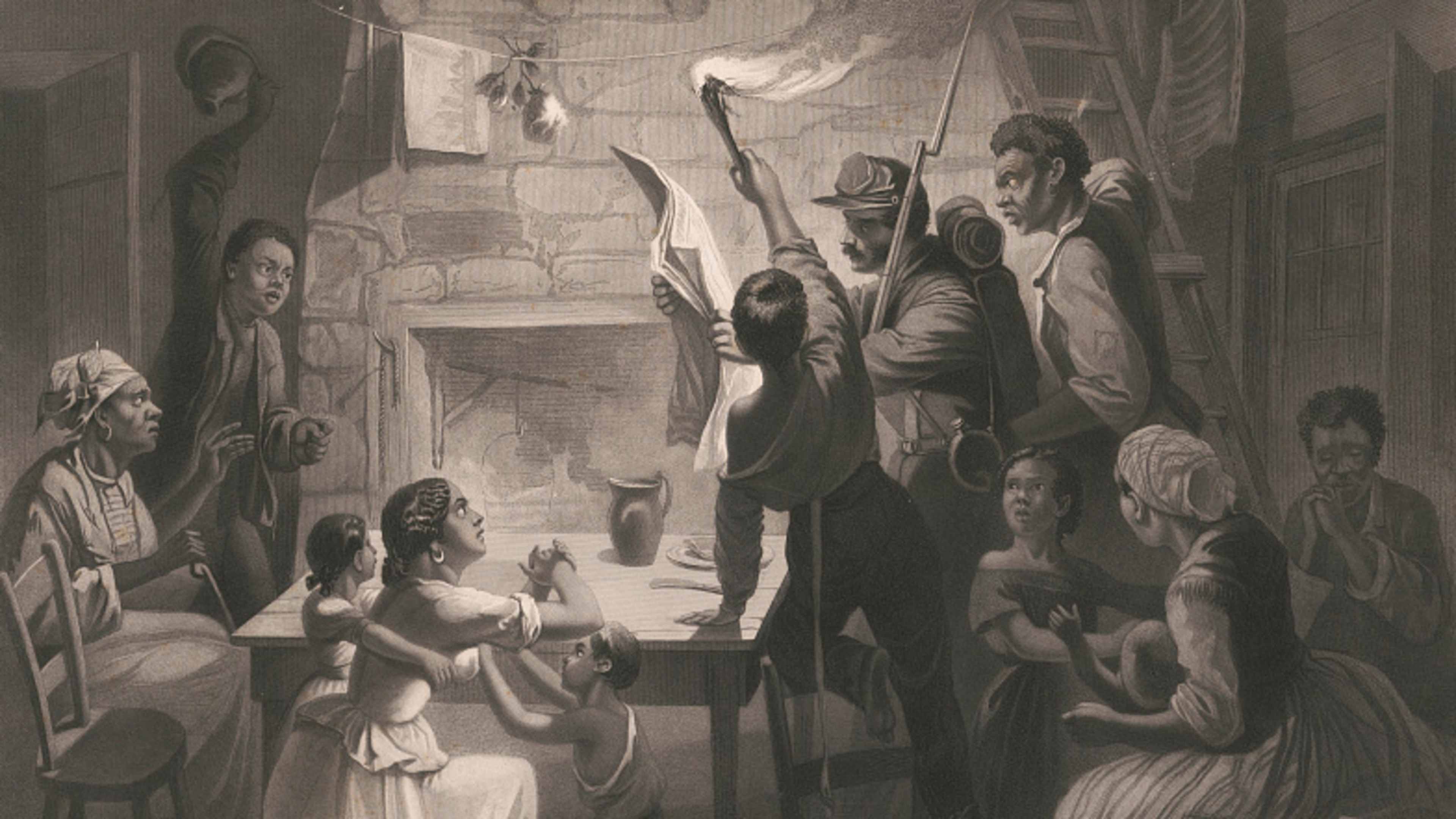
The horrific loss of life at Chickamauga shocked the nation and fueled a growing sense of despair over the war’s mounting toll, a sentiment that would eventually influence the timeline of US anti-war movements. The battle proved that even a major tactical victory on the battlefield could not save the Confederacy if its leadership failed to convert tactical success into strategic gains.
Lesser-Known Facts About the Battle of Chickamauga
- The Meaning of “Chickamauga”: For decades, historians popularized the claim that the Cherokee word “Chickamauga” translates directly to “River of Death.” While highly fitting given the battle’s horrific casualties, modern linguists suggest it more likely means “sluggish water” or refers to a local Cherokee clan.
- The Saving Grace of Masonic Aprons: Amidst the brutal foraging and raiding of local Georgia homesteads by both armies, local lore holds that several residents managed to protect their homes and belongings from being burned or looted by displaying Masonic aprons or using secret Masonic signs to appeal to the shared brotherhood of officers on both sides.
- John Bell Hood’s Field Amputation: The famously aggressive Confederate General John Bell Hood was struck in the right leg by a minie ball during the breakthrough on September 20. His leg was amputated on the field by a military surgeon. Miraculously, Hood survived the crude procedure and returned to active command just months later, having to be strapped to his saddle to ride.
Why the Battle of Chickamauga Still Matters Today
Today, the site of this catastrophic clash is preserved as the Chickamauga and Chattanooga National Military Park. Established by Congress in 1890, it is the oldest and largest national military park in the United States, serving as a monument to the reconciliation of a once-divided nation. The battle remains a staple of study at military academies worldwide, offering crucial lessons in the dangers of poor communication, the impact of friction in war, and the heavy burden of military leadership. It stands as a solemn reminder of the immense human sacrifice required to preserve the Union and end slavery in America.
People Also Ask
Who won the Battle of Chickamauga?
The Confederate Army of Tennessee, led by General Braxton Bragg, won the Battle of Chickamauga. They successfully routed the Union forces and forced them to retreat to Chattanooga. However, because Bragg failed to pursue and destroy the retreating Union army, the victory was short-lived and did not yield lasting strategic benefits.
Why was the Battle of Chickamauga so significant?
Chickamauga was the most significant Union defeat in the Western Theater and resulted in the second-highest casualty toll of the entire Civil War (surpassed only by Gettysburg). It led directly to the Siege of Chattanooga and the subsequent union breakthrough under Ulysses S. Grant, which opened the deep South to invasion.
Why was George H. Thomas called the “Rock of Chickamauga”?
Major General George H. Thomas earned this famous nickname because of his stubborn, immovable defense of Snodgrass Hill on the afternoon of September 20, 1863. While the rest of the Union army collapsed and retreated, Thomas rallied his men and held off relentless Confederate assaults, saving the Union army from complete annihilation.
Conclusion
The Battle of Chickamauga remains a haunting testament to the tragedy and heroism of the American Civil War. From the dense, smoke-filled woods of Georgia to the fateful, miscommunicated orders that broke the Union line, the battle highlights how quickly the fortunes of war can turn. While the Confederacy celebrated a grand tactical triumph on the banks of Chickamauga Creek, their inability to exploit the victory ultimately sealed their fate in the West. For the Union, the trial by fire forged a legendary hero in George H. Thomas and set the stage for the decisive campaigns that would eventually reunite the nation.


