In the early spring of 1607, three English ships sailed into the Chesapeake Bay, carrying 104 hopeful men and boys who dreamed of gold, glory, and an easy empire. Instead, they stepped into a living nightmare. As the first permanent English settlement in North America, the colony at Jamestown has long been a foundational chapter of American history, celebrated for its survival against insurmountable odds. Yet, for decades, historians have puzzled over the catastrophic mortality rate of those early years—especially during the gruesome winter of 1609–1610, famously known as the “Starving Time,” when the population plummeted from hundreds to a mere handful of skeletal survivors. While typical narratives blame famine, harsh winters, and violent conflicts with the local Powhatan Confederacy, modern forensic science and ecological studies point to a far more insidious, silent killer. Could it be that the settlers of Jamestown unknowingly drank themselves to death? By investigating the toxic environment of the James River peninsula, we uncover a deadly cocktail of brackish water, severe drought, fecal contamination, and natural arsenic that fundamentally rewrites our understanding of the tragic struggle for early American colonization.
The Harsh Geography of Jamestown: A Toxic Haven
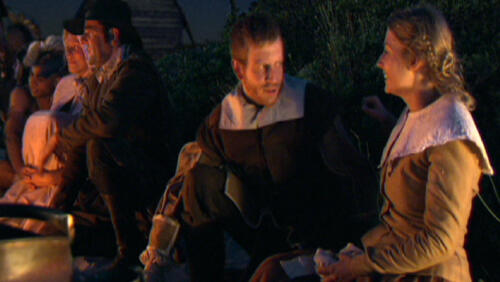
To understand why the colony suffered such an astronomical death toll, one must look at the physical terrain the Virginia Company chose. Eager to secure a defensible position against potential Spanish warships, the colonists settled on a swampy, low-lying peninsula along the James River. This decision proved ecologically disastrous. In the seventeenth century, European ideas of sanitation were primitive, and the settlers did not understand how waterborne pathogens spread. This is a critical context for understanding what life was really like in Jamestown during this period of extreme survival. The river itself was estuarine, meaning it was a tidal body where fresh water from inland streams met salty seawater from the ocean. During high tides, the water became highly brackish. Unknowingly, the colonists built their fort on an oligohaline zone, a specific ecological area where the exchange between fresh and salt water is minimal, meaning contaminants stayed trapped in the immediate vicinity rather than being washed away.
Salt Poisoning, Arsenic, and the Fatal Well Water
As fresh river water became scarce during the dry summer months, the desperate colonists began digging shallow wells within the fort walls. However, the geology of Jamestown Island worked against them. The local aquifer was directly connected to the surrounding swamps and the salty James River. Studies of the groundwater have revealed that the water was not only highly saline but also laced with naturally occurring arsenic. Consuming this brackish well water led to chronic salt poisoning, which severely dehydrated the body. The symptoms of salt poisoning are harrowing: extreme dehydration, muscle weakness, delirium, and sudden physical collapse. To make matters worse, the lack of sewage infrastructure meant that the colonists’ latrines directly seeped into the very same shallow wells from which they drank. This created a hotbed for deadly waterborne bacteria. The colony quickly succumbed to outbreaks of “bloody flux” (severe dysentery) and typhoid. Historical records reveal that many settlers went to bed feeling reasonably healthy only to be found dead the next morning—a phenomenon that modern toxicologists attribute to cardiac arrhythmias brought on by a combination of high salt, typhoid fever, and arsenic poisoning. For a deeper look into the bizarre trials and tribulations of this era, check out these intriguing facts about the Jamestown colony.
The Role of Alcohol: Cider and Beer as Lifelines
In the seventeenth century, water was widely regarded as a hazardous beverage in Europe. Drinking untreated water frequently led to illness, which is why people of all social classes preferred to drink weak beer or hard apple cider. These fermented beverages were safer to consume because the fermentation process naturally killed many harmful pathogens. However, when the Jamestown settlers ran out of their imported alcohol supplies, they were forced to resort to the toxic local water. During the colonial era, hard cider and other fermented drinks were so incredibly vital to daily life that they eventually functioned as a form of currency; indeed, apples and cider were highly valued, almost like gold in the early colonies and were routinely used to pay wages or debts. Without a steady supply of these safe, fermented beverages, the Jamestown settlers were trapped in a vicious cycle: they drank the brackish, contaminated well water to survive, which only accelerated their dehydration, clouded their minds, and ultimately ushered in their demise.
Key Events Timeline of Jamestown
The struggle at Jamestown unfolded through a series of tragic developments. Below is a chronological breakdown of the pivotal moments that defined the early colony’s survival crisis:
- May 1607: The initial three ships—the Susan Constant, the Godspeed, and the Discovery—arrive in Virginia with 104 colonists, establishing the settlement of Jamestown on a marshy peninsula.
- Summer 1607: Severe illness and salt poisoning run rampant; within six months, more than half of the original settlers are dead due to the brackish water and disease.
- January 1608: A devastating fire destroys much of the newly built James Fort, leaving the weakened colonists exposed to the elements.
- Summer 1609: A massive supply fleet of nine ships departs England, but is scattered by a hurricane. The flagship, the Sea Venture, is shipwrecked on Bermuda.
- August 1609: Several battered ships from the fleet arrive in Jamestown, carrying 300 new, hungry colonists but very few food supplies, placing an unsustainable burden on the colony.
- October 1609: Captain John Smith is badly injured in a mysterious gunpowder explosion and is forced to sail back to England, leaving a critical leadership vacuum.
- Winter 1609–1610: The notorious “Starving Time” takes place. Trapped inside their fort by the Powhatan siege, the remaining 300 settlers are reduced to just 60 survivors, resorting to eating leather, pets, and eventually, the bodies of the deceased.
- May 1610: Sir Thomas Gates and the survivors of the Sea Venture finally arrive from Bermuda on makeshift ships, finding a devastated colony on the absolute brink of abandonment.
Important Figures and Their Legacies
Several key historical figures played instrumental roles during this dark era of the Jamestown colony:
- Captain John Smith: The strong-willed leader who famously instituted the rule, “He that will not work shall not eat.” Smith’s pragmatic diplomatic relations with Chief Powhatan helped secure vital corn supplies in the early years. His sudden departure in 1609 left a massive leadership vacuum, paving the way for the chaos of the Starving Time.
- George Percy: The President of the colony’s council during the Starving Time. Percy’s journals provide the most vivid, bone-chilling primary accounts of the misery, starvation, and extreme measures the settlers took to survive. His writings document the rapid breakdown of social order under the influence of disease and hunger.
- Chief Powhatan: The powerful leader of the Powhatan Confederacy. Realizing the English were depleting local resources and refused to leave, Powhatan cut off trade and launched a brutal siege that kept the colonists trapped inside the fort, cut off from fresh water springs and wild game.
Major Turning Points and Environmental Catalysts
While human choices and political conflicts shaped the colony’s fate, nature played an even greater role in Jamestown’s near-destruction. Two primary environmental catalysts fundamentally altered the course of the colony’s history:
The Great Drought of 1606–1612
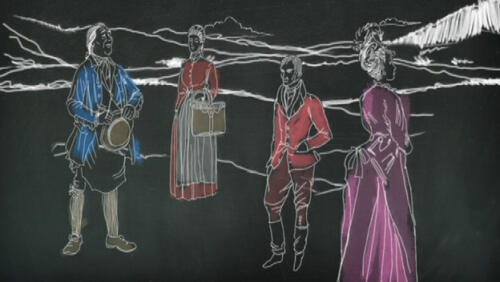
Tree-ring studies of ancient bald cypress trees in the region have revealed that the Jamestown settlers arrived at the absolute worst possible time—the peak of an 800-year drought. This extreme drought had two devastating effects: it severely reduced the flow of the James River, causing heavy saltwater to push much farther upstream, and it dried up what little fresh groundwater was available. This intensified the salinity of the shallow wells, effectively poisoning the colonists with every drink.
The Feces-Borne Disease Cycle
As the drought worsened and the colonists became trapped inside the fort due to the Powhatan siege, they were forced to dump their waste nearby. With no waste management, human feces contaminated the shallow water table. The resulting cycle of typhoid, dysentery, and salt poisoning created a state of physical and mental delirium. This toxic combination explains why the settlers became too weak, lethargic, and mentally incapacitated to plant crops, catch fish, or defend themselves effectively.
Lesser-Known Facts About Jamestown’s Poison Crisis
Beyond the standard textbook narratives, several fascinating and surprising details have emerged from modern historical and scientific research:
The Spanish Sabotage Myth
For centuries, a persistent rumor suggested that Spanish spies had poisoned the wells of Jamestown with arsenic to sabotage English colonial expansion. While Spanish diplomats certainly kept a close eye on the colony, modern geologists have debunked this conspiracy theory. Chemical testing of the Jamestown aquifer has proven that the high levels of arsenic are entirely natural, leached from the local geological sediments into the shallow groundwater.
The Grim Archeological Evidence of “Jane”
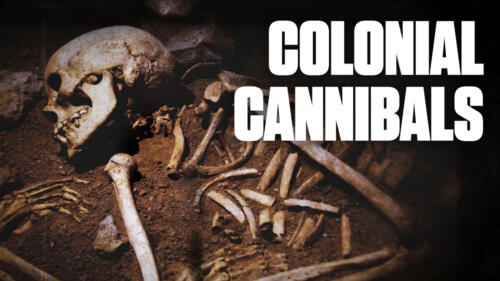
In 2012, archaeologists working at the Jamestown site made a shocking discovery: the partial skeletal remains of a 14-year-old girl, whom they nicknamed “Jane.” Detailed forensic analysis of her skull and tibia revealed unmistakable chop marks, confirming that her body was cannibalized after her death during the Starving Time. This find provided the first physical, scientific proof of the desperate cannibalism mentioned in early colonial records.
Long-Term Impact on America and Why It Matters Today
The ecological and public health disaster at Jamestown forced a massive paradigm shift in how England approached colonization. The Virginia Company realized that a colony could not survive as a mere military outpost looking for quick riches. It had to become a self-sustaining agricultural society. This shift led to the introduction of tobacco as a highly profitable cash crop, which established the economic foundation of the southern colonies and, tragically, the institutionalization of chattel slavery in North America.
Today, the story of Jamestown’s toxic water serves as a powerful cautionary tale about environmental security, climate volatility, and resource management. As modern coastal communities face the threats of rising sea levels, severe droughts, and saltwater intrusion into freshwater aquifers, the struggles of the 1607 settlers mirror the very real water-security challenges of the twenty-first century. Jamestown teaches us that even the most ambitious human endeavors can be brought to their knees by a failure to secure the most basic element of life: clean, safe drinking water.
People Also Ask
Did the Jamestown colonists really resort to cannibalism?
Yes, historical records and modern archaeological evidence confirm that the Jamestown colonists resorted to cannibalism during the desperate winter of 1609–1610, known as the Starving Time. In 2012, scientists discovered the remains of a young girl, “Jane,” whose bones bore physical evidence of post-mortem butchery, proving that survival cannibalism did occur.
What made the drinking water in Jamestown so toxic?
The drinking water was toxic due to a combination of brackish saltwater intrusion from the James River, lack of proper sanitation which led to fecal contamination (causing dysentery and typhoid), and naturally occurring high levels of arsenic in the shallow aquifer.
Why didn’t the Jamestown settlers just move to a better location?
The settlers chose the Jamestown peninsula because it was easily defensible against Spanish ships and had deep water anchorage. However, by the time they realized the location was a swampy, disease-ridden environment, they were weakened by illness, lacked adequate leadership, and were trapped by the Powhatan siege, making relocation nearly impossible until reinforcements arrived.
Conclusion
In conclusion, the tragic story of early Jamestown was not merely a battle of wills between European settlers and a harsh new world. It was a complex ecological struggle in which the very water they drank played a decisive, toxic role. By drinking from contaminated wells, the colonists suffered from a devastating combination of salt poisoning, arsenic exposure, and bacterial infections that crippled their bodies and minds. Understanding Jamestown’s water crisis deepens our appreciation of the immense hardships endured by early colonists and serves as a lasting reminder of the vital importance of clean water in shaping human history.


