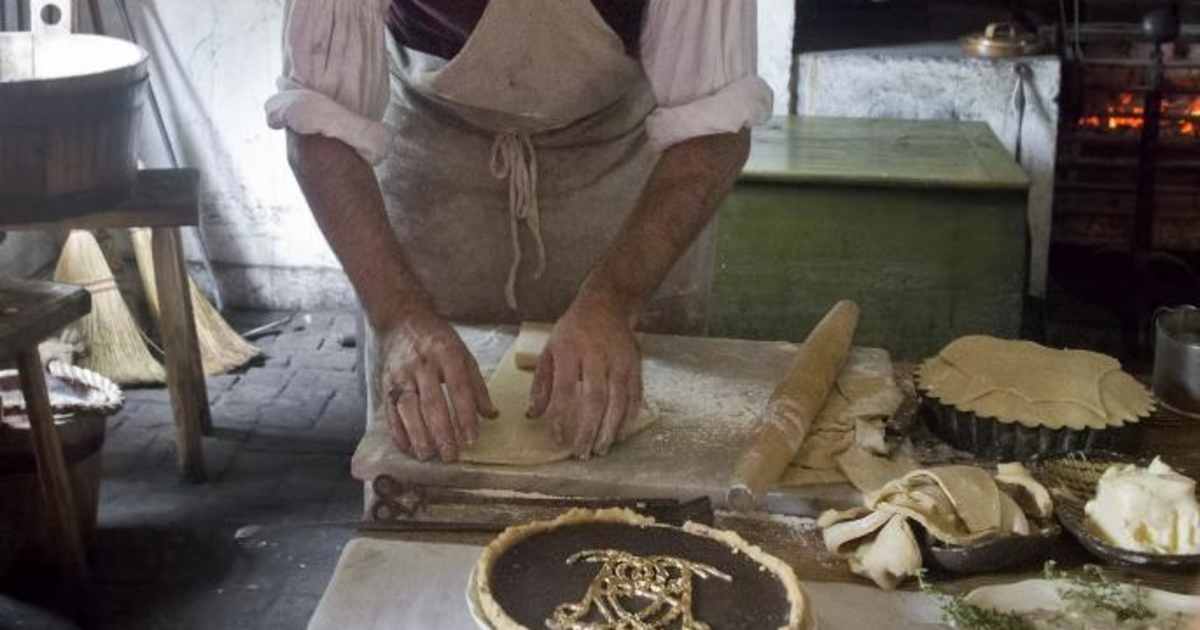
When we think of early American cuisine, we often picture simple Thanksgiving feasts or modest pioneer stews. However, the reality of 18th-century colonial American foodways is far more complex, surprising, and occasionally bizarre. From frog’s legs and gooseberry pies to sweet delicacies perfumed with ambergris—a waxy substance derived from whale intestines—the wealthy elite of colonial Virginia enjoyed a diet that dramatically challenges modern tastes. At the forefront of bringing this sensory history back to life is Frank Clark, the Master of Historic Foodways at Colonial Williamsburg. Through open-fire cooking, painstaking archival research, and a deep appreciation for the culinary craft, Clark and his team bridge the gap between historic cookbooks and the contemporary table. Exploring these colonial American foodways allows us to understand the social, political, and economic landscapes of early America through the very plates our ancestors cleaned.
The Historical Background of Colonial American Foodways
To fully appreciate 18th-century gastronomy, one must understand how colonial culinary traditions evolved from early survival struggles. In the early 17th century, English settlers arrived on the shores of the Chesapeake Bay with traditional recipes and hopes of replicating European agriculture. However, they struggled profoundly to secure food, a stark reality detailed in our look at what life was like in Jamestown, where the famous ‘Starving Time’ forced colonists to eat horses, dogs, and leather to survive. Over time, as the colonies stabilized and entered the 18th century, a unique synthesis occurred. Colonial cooking became a melting pot, blending traditional British culinary techniques with agricultural knowledge borrowed from Indigenous tribes and the invaluable contributions of enslaved African laborers. This blend of cultures transformed Virginia’s tables, turning a struggle for survival into an era of celebrated culinary sophistication.
Key Events Timeline of American Culinary Evolution
- 1607: The founding of Jamestown, initiating the earliest and most difficult era of colonial food procurement.
- 1621: The first Thanksgiving at Plymouth, cementing the early synthesis of Native American crops and European cooking techniques.
- 1742: The first American edition of Eliza Smith’s The Compleat Housewife is published in Williamsburg, Virginia, establishing a standard for elite colonial kitchens.
- 1773: The Boston Tea Party triggers a widespread colonial boycott of British tea, prompting a cultural shift toward coffee and local herbal teas.
- 1796: Amelia Simmons publishes American Cookery, the first known cookbook written by an American, featuring native ingredients like corn, squash, and cranberries.
Important Figures in Colonial Food History
The story of early American culinary arts is defined by several key figures, both historical and modern:
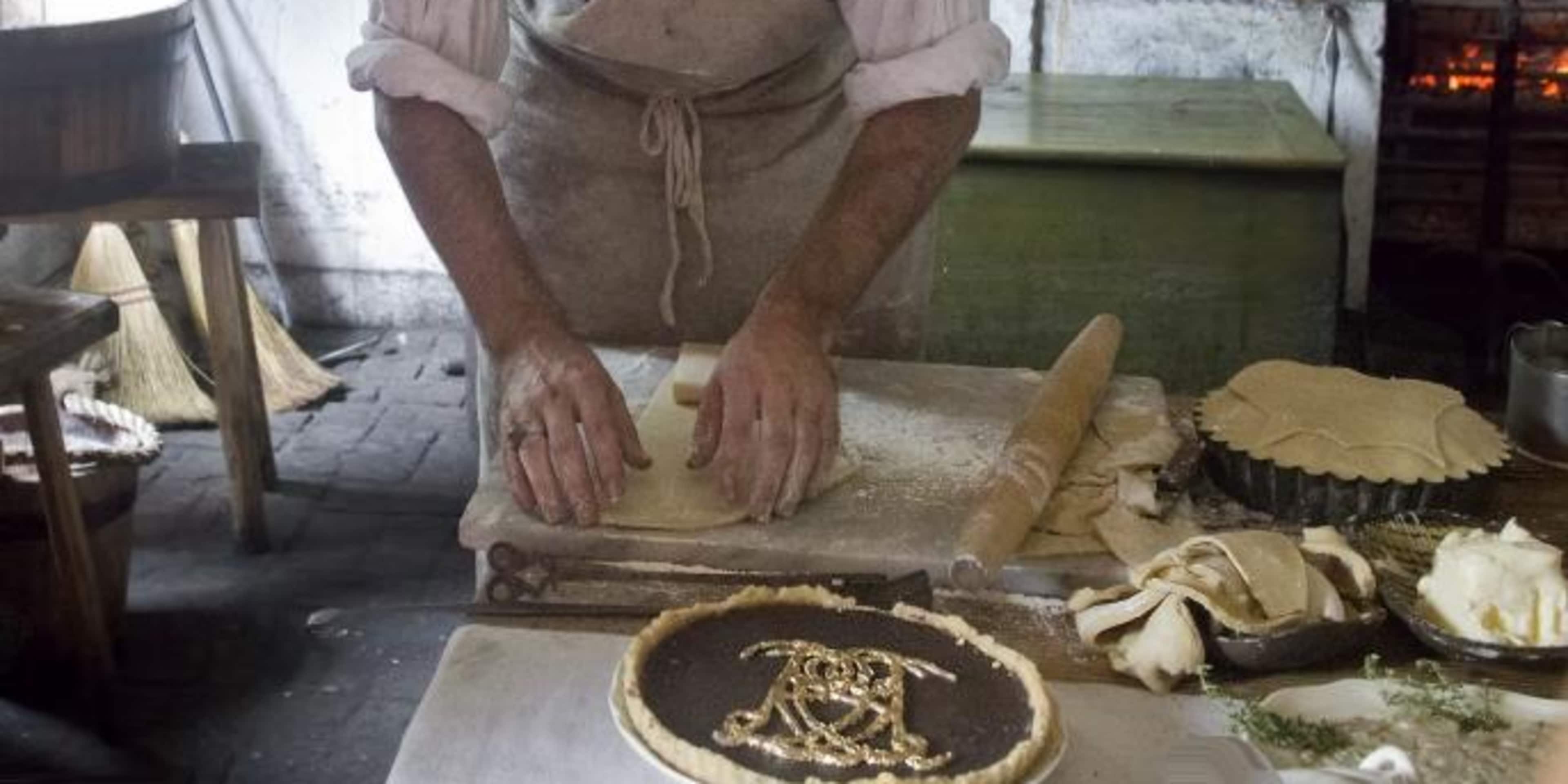
- Frank Clark: The current Master of Historic Foodways at Colonial Williamsburg. Dressed in 18th-century attire, Clark interprets and recreates period recipes using authentic methods, helping modern audiences connect with the tangible reality of the past.
- Hercules and James Hemings: Highly skilled enslaved chefs who worked in the kitchens of George Washington and Thomas Jefferson, respectively. Hemings, who trained in France, introduced classic French culinary techniques to the American elite, forever changing the trajectory of American fine dining.
- Mary Randolph: Author of The Virginia Housewife (published in 1824 but reflecting late 18th-century traditions). Her work codified Virginia’s unique foodways, combining English, African, and Native American influences into a distinct regional cuisine.
Causes and Context: What Shaped the Colonial Diet?
The daily diet of a colonist was dictated by geography, season, and social status. Without modern refrigeration, food preservation was a matter of survival. Salting, smoking, pickling, and drying were essential practices for every household. Cooking was a grueling, highly skilled labor centered around the hearth. Kitchen staff managed open fires by harnessing everyday objects of colonial America such as cast-iron Dutch ovens, spits, and heavy kettles. For the average colonist, meals were monotonous, often consisting of a single pot of stew and bread served three times a day. Conversely, the wealthy elite used elaborate multi-course meals to demonstrate their high social standing, importing costly spices, fine wines, and luxury ingredients like chocolate and refined sugar to host lavish dinner parties.
Major Turning Points in American Cuisine
The evolution of colonial foodways was marked by several pivotal turning points. First was the adoption of indigenous crops, particularly maize (corn). Unlike European wheat, which struggled in the hot, humid southern climate, corn thrived and became the dietary backbone for colonists of all social classes. Second was the expansion of global trade networks in the 18th century. The influx of West Indian molasses, East Indian spices, and South American cocoa transformed simple cooking into an experimental art form. Finally, the American Revolution itself served as a culinary turning point, as boycotts of British goods forced colonists to embrace domestic ingredients, fostering a culinary identity independent of the British Crown.
Long-Term Impact on America
The legacy of colonial American foodways continues to shape modern American society. The fusion of English roasting, African ingredients (such as okra, sesame, and black-eyed peas), and Native American agriculture laid the groundwork for regional southern cuisine, soul food, and classic New American dining. Furthermore, the colonial love of spirits paved the way for America’s robust distilling heritage. Alcohol was viewed as highly nutritious and far safer to consume than untreated water. This deep-seated drinking culture was prominent during social gatherings and even political campaigns, where elections in colonial America were booze-fueled parties where candidates distributed vast quantities of rum punch, beer, and cider to win over voters.
Lesser-Known Facts about Colonial Food
- The Mystery of Ambergris: Wealthy colonists loved to perfume their desserts with ambergris, a rare substance produced in the digestive system of sperm whales, giving sweets a musky, earth-like fragrance.
- Water Was Feared: Because water sources were frequently contaminated, colonists of all ages—including young children—drank ‘small beer,’ a fermented beverage with low alcohol content that was safe from pathogens.
- A Shortage of Forks: Well into the 18th century, forks were a luxury item. Most average colonists ate their meals using only knives, spoons, and their fingers.
Why It Still Matters Today
Studying colonial foodways is not merely about satisfy curiosity regarding bizarre historical recipes; it is about understanding how diverse cultures negotiated survival, identity, and power. Today, as the modern world trends toward local, sustainable, and seasonal eating, we find ourselves returning to the core principles of the colonial kitchen. Frank Clark’s work at Colonial Williamsburg reminds us that food is a living archive. When we recreate these historic dishes, we are not just cooking; we are participating in a sensory dialogue with the past, honoring the diverse hands—both free and enslaved—that shaped the American palate.
People Also Ask (FAQ)
What did the average colonist eat for breakfast?
The average colonist usually ate a simple breakfast consisting of cornmeal mush (hasty pudding), bread, cheese, leftovers from the previous night’s dinner, and a mug of cider or small beer.
How did colonists preserve their food without refrigeration?
Colonists relied heavily on techniques like dry-salting, pickling in vinegar, smoking meats over hardwood fires, and storing root vegetables in cool underground root cellars.
Why was chocolate so popular in colonial America?
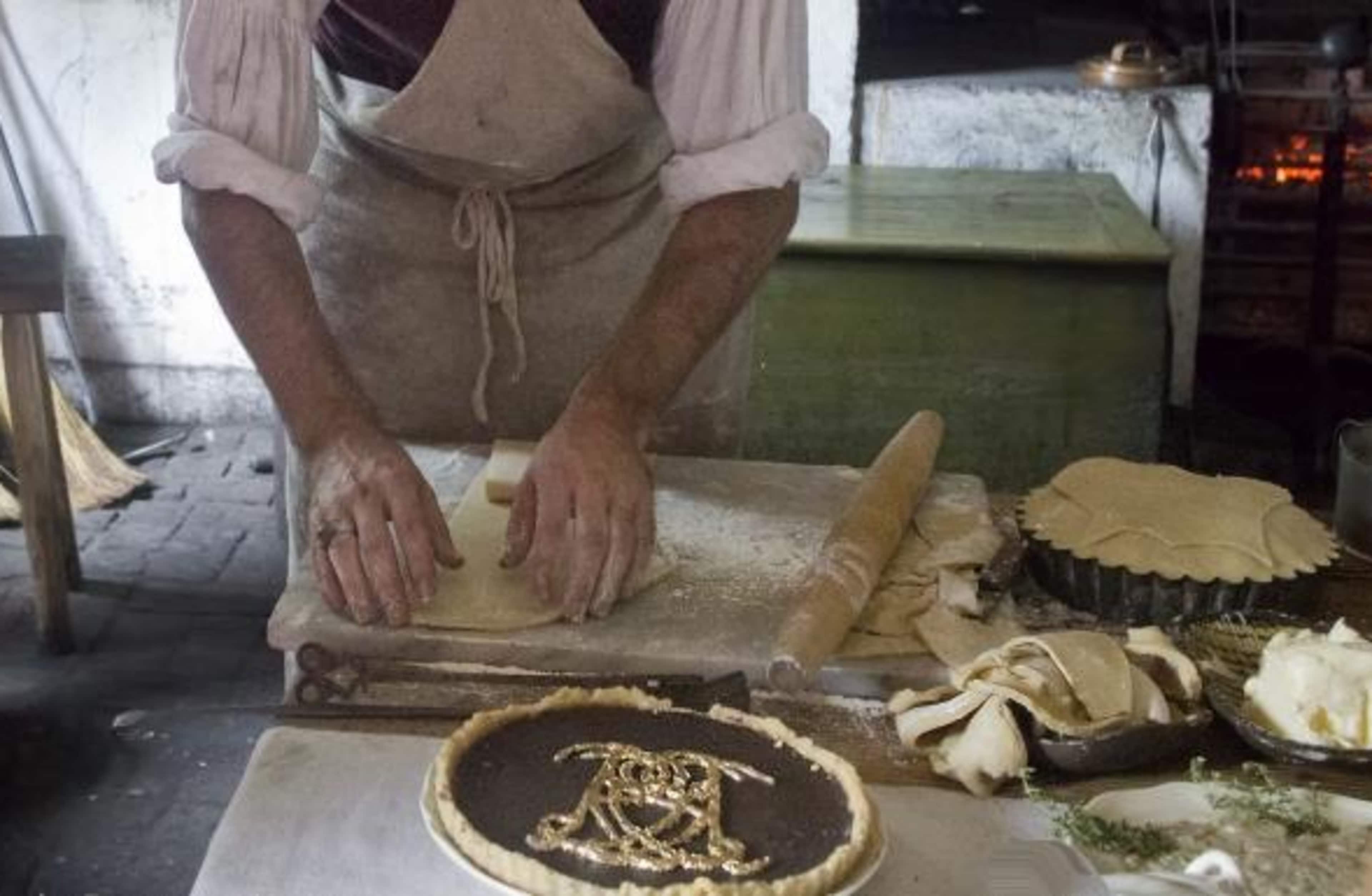
Unlike the sweet solid bars we enjoy today, chocolate in the 18th century was consumed primarily as a warm, spiced drink. It was highly prized by colonists as an energizing pick-me-up and a symbol of hospitality.
Conclusion
From the desperate survival stews of early Jamestown to the elaborate, multi-course feasts of wealthy Virginia planters, colonial American foodways tell a vivid story of adaptation, cultural fusion, and resilience. Thanks to the dedicated historical interpretation of experts like Frank Clark at Colonial Williamsburg, these tastes are not lost to time. By exploring the ingredients, techniques, and social customs of the 18th-century kitchen, we gain a deeper, more delicious understanding of the diverse forces that forged early American identity.


