In the spring of 1607, three small English ships—the Susan Constant, the Godspeed, and the Discovery—slipped into the murky waters of the Chesapeake Bay. Onboard were 104 men and boys, carrying with them the high-stakes ambitions of the Virginia Company of London and the royal blessing of King James I. Their mission was clear yet daunting: establish the first permanent English settlement in North America, find gold, locate a passage to the Pacific, and secure a foothold in a New World heavily dominated by Catholic Spain. However, what these early adventurers encountered was far from a golden paradise. Life in Jamestown during the early 17th century was defined by a brutal trifecta of disease, famine, and violent conflict, transforming the fledgling outpost into a crucible of human suffering. Yet, within its swampy borders, the dual, contradictory forces of American history were born: the seeds of representative democracy and the deeply painful roots of systematic racial slavery. Exploring this complex history is not merely an exercise in studying the past; it is an essential journey to understanding the very foundations of the United States.
Historical Background: The Birth of Jamestown and the Push for Empire
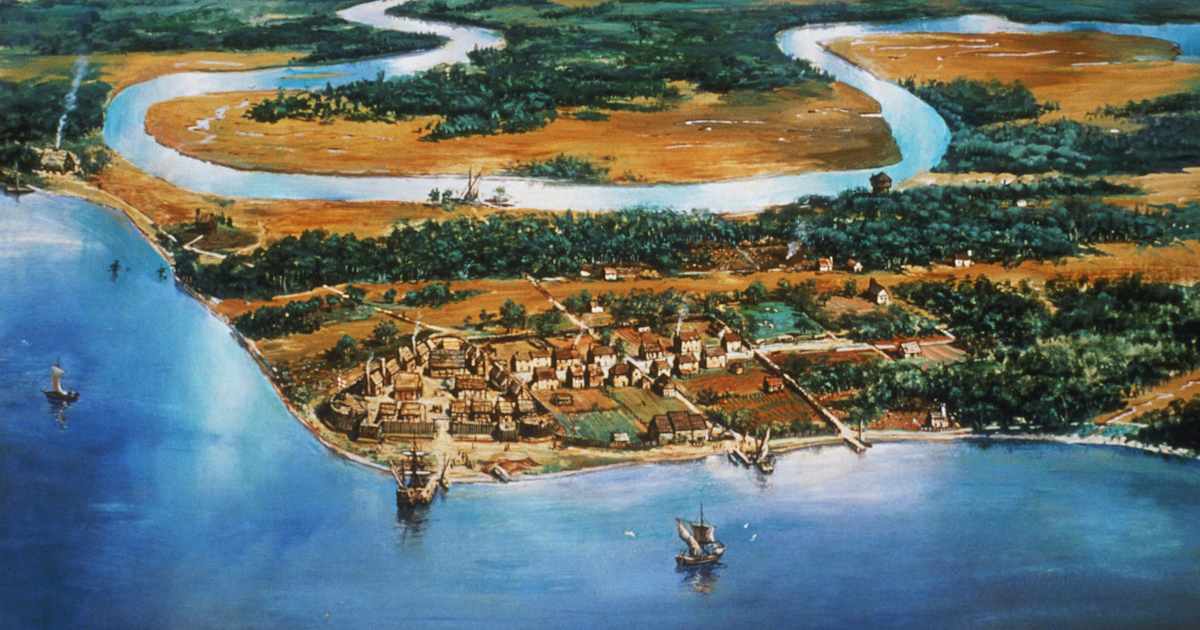
The dawn of the 17th century was a time of immense economic and social transformation in England. Driven by a rapidly growing population, widespread poverty, and the enclosure of common lands, the English crown sought new territories to relieve domestic social pressures and compete globally. Under the joint-stock model of the Virginia Company of London, private investors pooled their resources, hoping to reap massive fortunes from mineral wealth and trade. On May 14, 1607, the expedition selected a peninsula along the James River, roughly 40 miles inland from the Chesapeake Bay, as their colonial seat. They named it Jamestown in honor of their monarch.
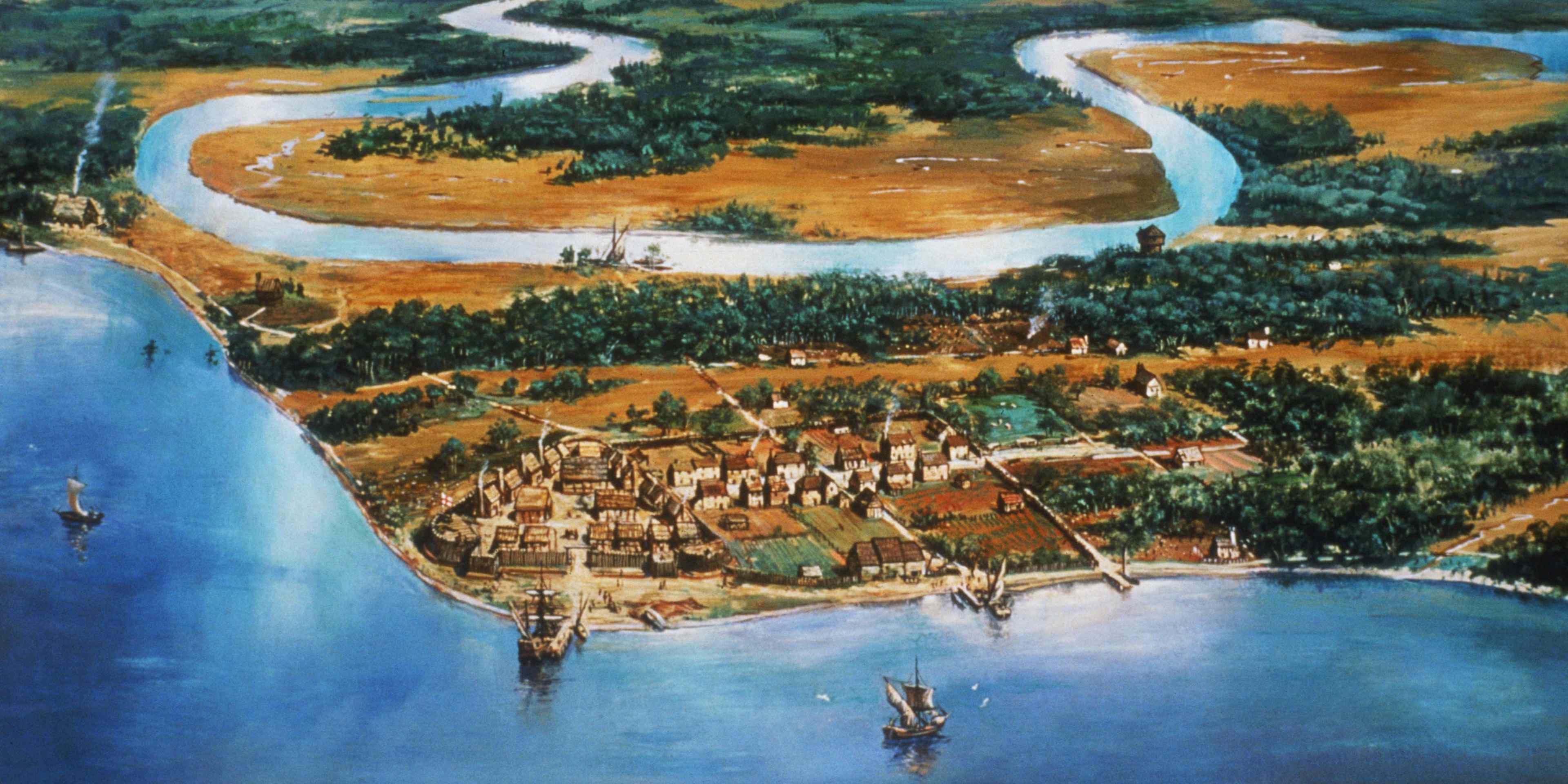
The choice of location was strategically deliberate but ecologically disastrous. While the site offered deep-water anchorage and was easily defensible against potential attacks by Spanish warships, it was situated in a low-lying, marshy swamp. The water was brackish, stagnant, and highly prone to contamination, while the surrounding wetlands teemed with disease-carrying mosquitoes. Furthermore, the early settlers were poorly suited for the arduous physical demands of colonization. A significant portion of the initial manifest consisted of wealthy ‘gentlemen’ who considered manual labor beneath their social standing, along with a handful of specialized craftsmen, such as goldsmiths and jewelers, who possessed few skills relevant to survival, farming, or basic construction.
The Powhatan Confederacy: Collision and Cohabitation
The land the English claimed was not an empty wilderness; it was the heart of Tsenacomoco, a highly structured and sophisticated indigenous empire consisting of more than 30 Algonquian-speaking tribes. Led by the powerful paramount chief Wahunsenacawh (commonly known to the English as Chief Powhatan), this confederacy commanded thousands of warriors and managed a complex economy of agriculture, hunting, and regional trade. Initially, the Powhatan people viewed the strange, pale newcomers with a mixture of curiosity, caution, and strategic pragmatism. Recognizing the Europeans’ advanced technology and metal goods, Chief Powhatan sought to incorporate them as subordinate allies within his extensive tributary system.
But the settlers’ persistent inability to feed themselves, combined with their aggressive demands for corn, quickly soured relations. Cultural misunderstandings and mutual distrust led to a cycle of bloody skirmishes, interspersed with fragile truces. The local indigenous populations often provided lifesaving food supplies during the harshest winters, but they remained acutely wary of the colonizers’ ultimate expansionist motivations. The complex, fluid dynamic between the Powhatan and the English settlers set a historical precedent for European-indigenous relations across the continent, characterized by an uneasy balance of trade, diplomacy, and existential warfare.
Chronological Timeline of Key Events (1607–1699)
- May 14, 1607: The three ships of the Virginia Company drop anchor, and the settlers establish the outpost of Jamestown.
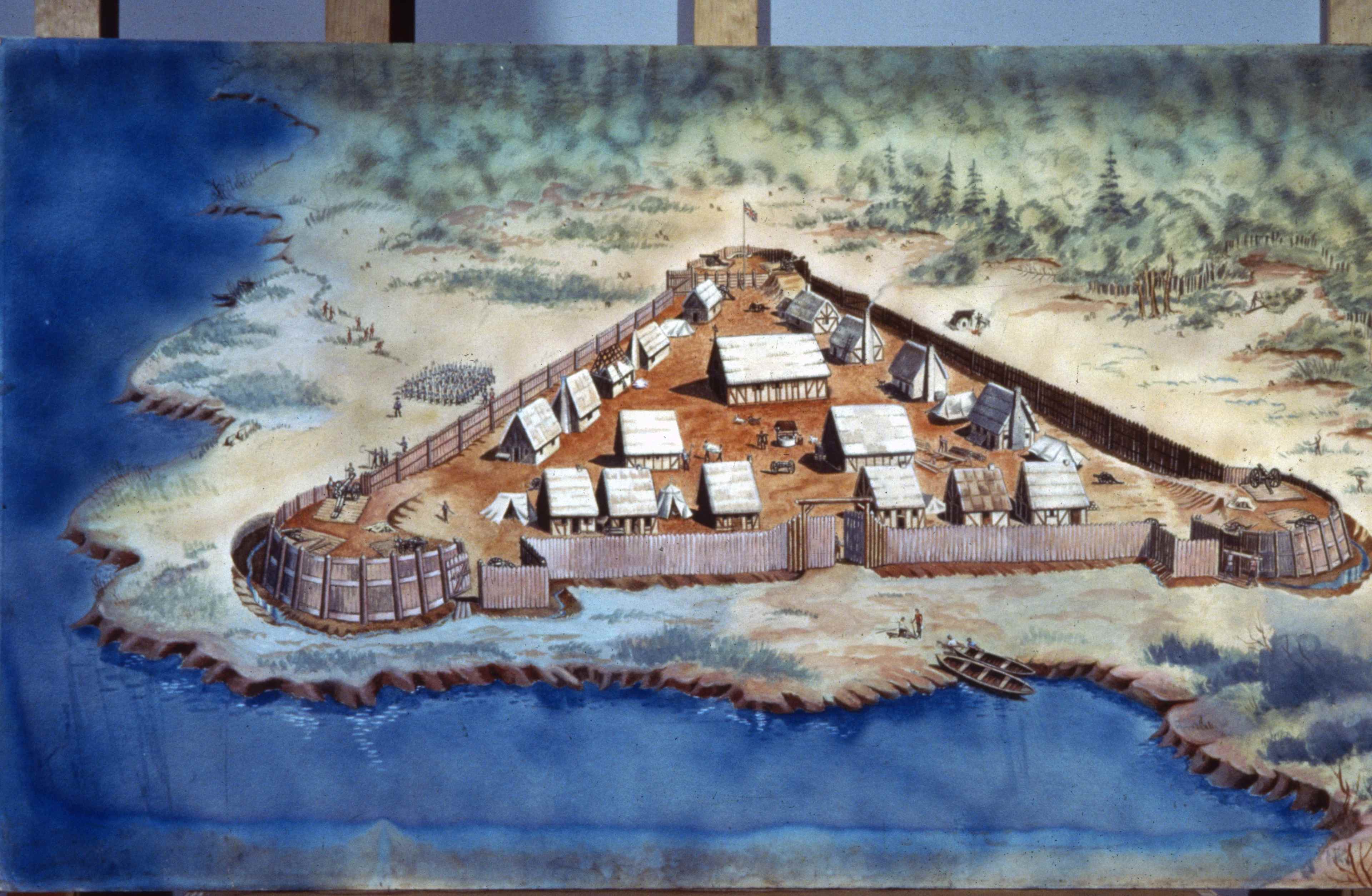
- January 1608: A devastating fire destroys much of the fort; the ‘First Supply’ ship arrives shortly after to provide relief and more colonists.
- October 1608: The ‘Second Supply’ arrives, bringing the first two English women to the colony: Mrs. Thomas Forrest and her maid, Anne Burras.
- October 1609: Following a severe gunpowder accident, Captain John Smith is forced to return to England, leaving the colony without its most assertive leader.
- Winter 1609–1610: The infamous Starving Time occurs. A Powhatan siege, combined with a severe drought and spoiled supplies, reduces the population from roughly 500 to just 60 gaunt survivors.
- June 1610: Despondent survivors attempt to abandon Jamestown, but are intercepted in the James River by Lord De La Warr, who arrives with fresh supplies and new colonists, forcing them to return.
- 1612: John Rolfe successfully cultivates a sweet strain of West Indies tobacco, revolutionizing the colony’s economic outlook.
- 1613: English colonists kidnap Pocahontas, the daughter of Chief Powhatan, to use as a political bargaining chip.
- April 1614: Baptized as ‘Rebecca,’ Pocahontas marries John Rolfe, ushering in an eight-year period of relative peace known as the ‘Peace of Pocahontas.’
- July 1619: The House of Burgesses convenes in the Jamestown church, marking the first representative legislative assembly in English North America.
- August 1619: The privateer ship White Lion arrives at Point Comfort, carrying ’20 and odd’ captive Angolans, initiating the tragic history of African labor in the British colonies.
- March 1622: Led by Chief Opechancanough, the Powhatan launch a massive, coordinated surprise attack, killing 347 settlers and triggering decades of open warfare.
- 1624: King James I revokes the Virginia Company’s charter due to financial mismanagement and ongoing warfare, officially turning Virginia into a Royal Colony.
- 1676: Led by Nathaniel Bacon, disgruntled frontier settlers rebel against Governor William Berkeley, culminating in the burning of Jamestown.
- 1699: Following another devastating fire, the colonial capital is permanently relocated to Middle Plantation, renamed Williamsburg, and Jamestown is slowly abandoned.
Key Figures: Players in the Virginian Drama
The dramatic history of Jamestown was shaped by several extraordinary individuals, whose complex choices left an indelible mark on the American legacy:
- Captain John Smith: A battle-hardened mercenary and explorer, Smith took control of the struggling colony in the autumn of 1608. Instituting the strict, biblical policy of ‘he that will not work shall not eat,’ Smith enforced discipline, mapped the Chesapeake region, and engaged in vital, albeit coercive, trade negotiations with Chief Powhatan.
- John Rolfe: An enterprising colonist who arrived after being shipwrecked in Bermuda, Rolfe transformed the economic viability of Virginia. By crossbreeding local tobacco with sweet Spanish seeds from the Caribbean, he created ‘brown gold,’ establishing tobacco cultivation as the primary economic engine of early America.
- Pocahontas (Matoaka): The favored daughter of Chief Powhatan, she played a crucial role as a cultural emissary. Her capture, subsequent conversion to Christianity, and marriage to John Rolfe served as a powerful diplomatic bridge. Her travel to England in 1616 as a promotional symbol for the colony cemented her place in global history, though she tragically died there in 1617.
- Chief Powhatan (Wahunsenacawh): The supreme ruler of the Powhatan Confederacy, he demonstrated immense diplomatic skill, attempting to balance trade opportunities with the English while actively resisting their territorial encroachments until his death in 1618.
Causes and Context: Why England Risked It All
The colonization of Jamestown was driven by a complex web of economic, political, and religious motivations. Globally, England was locked in an intense imperial rivalry with Spain, which had grown phenomenally wealthy from the gold and silver extracted from Central and South America. To challenge Spanish hegemony and spread the Protestant faith, English thinkers championed the concept of mercantilism—the economic theory that a nation’s power depends on its wealth and colonial possessions. Domestically, England was suffering from chronic inflation, unemployment, and an apparent ‘excess population.’ Promoters of colonization argued that sending the impoverished, landless, and criminal classes to the Americas would simultaneously relieve social pressures at home while expanding the empire’s global market share.
Major Turning Points That Saved and Reshaped Jamestown
For its first five years, Jamestown was a catastrophic financial failure and a death trap. However, three pivotal turning points fundamentally reshaped its trajectory and laid the groundwork for the modern United States:
1. The Tobacco Revolution (1612)
Before 1612, the settlers had failed to find gold, silk, or any profitable export. John Rolfe’s introduction of Nicotiana tabacum changed everything. The high-quality tobacco crop found an insatiable market in London, sparking a frenzied boom. Suddenly, every available patch of land in Jamestown, including the very streets of the fort, was cleared for planting. While tobacco saved the colony financially, it created an insatiable demand for physical labor and arable land, driving the rapid, aggressive expansion of English settlements deeper into Powhatan territory.
2. The Duality of 1619: Democracy and Slavery
The year 1619 represents a profound historical paradox that continues to define the American identity. In July, the Virginia Company established the House of Burgesses, allowing landowning colonists to elect representatives and draft their own local laws. This was the birth of representative self-government in the New World. Just weeks later, in late August, the English privateer White Lion arrived at nearby Point Comfort, trading ’20 and odd’ captured Africans for food. These individuals, snatched from their homeland in modern-day Angola, became the first documented Africans in mainland English America, planting the tragic, systemic seeds of race-based chattel slavery alongside the institutions of freedom.
3. The Arrival of Women and the Family Unit (1620–1622)
Initially, Jamestown was treated as a temporary military garrison. To foster stability, the Virginia Company organized the systematic transportation of English women to the colony. Some arrived as ‘tobacco brides,’ whose passage was paid by unwed settlers in exchange for marriage. Others arrived as indentured servants. Although women in Virginia faced grueling labor, high mortality, and widespread exploitation, they also possessed unique legal advantages compared to their counterparts in England, frequently fighting for their rights and property. Their presence shifted the colony’s focus from a temporary commercial venture to a permanent, multi-generational society.
The Grim Realities of Daily Life: Famine, Cannibalism, and Early Medicine
Daily life for the average Jamestown colonist was an agonizing struggle for survival. During the catastrophic winter of 1609–1610, known as the Starving Time, the Powhatan Confederacy laid siege to the fort, cutting off all access to the outside world. Trapped inside, the settlers quickly ran out of food. They resorted to eating their horses, dogs, cats, and rats. As starvation deepened, they consumed shoe leather and boot soles. In the ultimate extremity of hunger, some turned to survival cannibalism, excavating the corpses of deceased settlers to sustain their own lives. This dark chapter, once dismissed by some historians as sensationalist propaganda, was chillingly confirmed in 2012 when archaeologists discovered the fractured skull of ‘Jane,’ a 14-year-old girl whose bones bore clear, forensic evidence of post-mortem butchering for consumption.
The medical care available to treat the rampant outbreaks of dysentery, malaria, and typhoid was dangerously primitive. Physicians relied heavily on bloodletting, toxic chemical purges, and ineffective European herbal remedies. Increasingly, colonists turned to the sophisticated botanical knowledge of Native American practitioners, who understood the local flora and fauna. Nevertheless, the mortality rate remained staggeringly high; during the early decades, more than 70 percent of all arrivals perished within their first year in Virginia.
Long-Term Impact on American History
The historical legacy of Jamestown is vast and deeply complicated. As the first permanent English colony, it served as the structural, legal, and cultural blueprint for British colonization across North America. The economic success of its tobacco plantations established the Southern agrarian model, which relied heavily on large-scale land holdings. Tragically, this model cemented the institutionalization of racialized chattel slavery, setting the stage for centuries of systematic oppression, the American Civil War, and the ongoing struggle for civil rights. Furthermore, the relentless outward expansion of the tobacco economy resulted in the systematic displacement, warfare, and devastation of the Powhatan Confederacy and other indigenous nations, permanently altering the human and natural landscape of the continent.
Lesser-Known Facts About Jamestown
- The ‘Jane’ Discovery: In 2012, researchers from the Smithsonian Institution and Preservation Virginia discovered the skeletal remains of a teenage girl in a Jamestown trash pit, providing definitive, physical proof of cannibalism during the Starving Time.
- The Ducking Stool Law: As wealth consolidated in the mid-17th century, the Virginia General Assembly sought to curb the vocal independence of colonial women. In 1662, they passed a law permitting husbands to have their ‘argumentative’ or ‘scolding’ wives publicly dunked in water to enforce domestic submission.
- The Secret Pirate Raid of 1619: The ’20 and odd’ Africans who arrived in 1619 were not purchased directly from Africa by English merchants. Instead, they had been captured by Portuguese forces in Angola and loaded onto a Spanish slave ship bound for Mexico. Two English privateers, the White Lion and the Treasurer, intercepted the ship in the Gulf of Mexico, plundered its human cargo, and brought them to Virginia.
Why Jamestown Still Matters Today
Jamestown is the birthplace of the modern American experiment—a place where the national ideals of liberty, representative democracy, and economic opportunity were first articulated and practiced. Yet, it is also the birthplace of America’s original sin of racial slavery and the systemic destruction of indigenous cultures. Today, Jamestown serves as a powerful, physical reminder that the history of the United States is not a simplistic, triumphalist narrative, but rather a complex, ongoing struggle to reconcile noble democratic aspirations with a painful legacy of exploitation and inequality. Understanding Jamestown allows us to appreciate the full, unvarnished truth of how the American nation was forged.
People Also Ask (FAQs)
Who was the first governor of Jamestown?
While the colony was initially governed by a local council with rotating presidents (such as Edward Maria Wingfield and John Smith), Lord De La Warr (Thomas West) was appointed as the first official governor of Virginia under the new 1609 charter. His timely arrival in June 1610 with supplies and a militaristic discipline saved the colony from permanent abandonment.
How did Jamestown survive the Starving Time?
Jamestown barely survived. Of the 500 colonists living there in the fall of 1609, only 60 survived to the spring of 1610. The colony was saved by the arrival of Sir Thomas Gates and Sir George Somers from Bermuda in May 1610, followed immediately by Lord De La Warr’s supply fleet in June, which brought fresh provisions, soldiers, and strict martial law.
What was the real relationship between John Smith and Pocahontas?
Contrary to popular folklore and animated movies, there was no romantic relationship between Captain John Smith and Pocahontas. When they met in 1607, Pocahontas was a young child of roughly 10 or 11 years old. Her famous ‘saving’ of John Smith’s life was likely a highly orchestrated, symbolic Powhatan adoption ritual rather than a spontaneous rescue. Their relationship was one of political diplomacy and mutual respect, which helped maintain a fragile peace during the colony’s earliest years.
Conclusion
The story of Jamestown is a compelling, multifaceted saga of human endurance, tragic collision, and monumental transformation. From the desperate depths of the Starving Time to the economic triumph of the tobacco boom, the early settlers and the Powhatan people navigated a changing world defined by rapid shift and deep conflict. In the crucible of this swampy Virginian peninsula, the foundational pillars of the American republic—both its democratic institutions and its systemic racial struggles—were permanently cast, shaping the course of global history for centuries to come.


