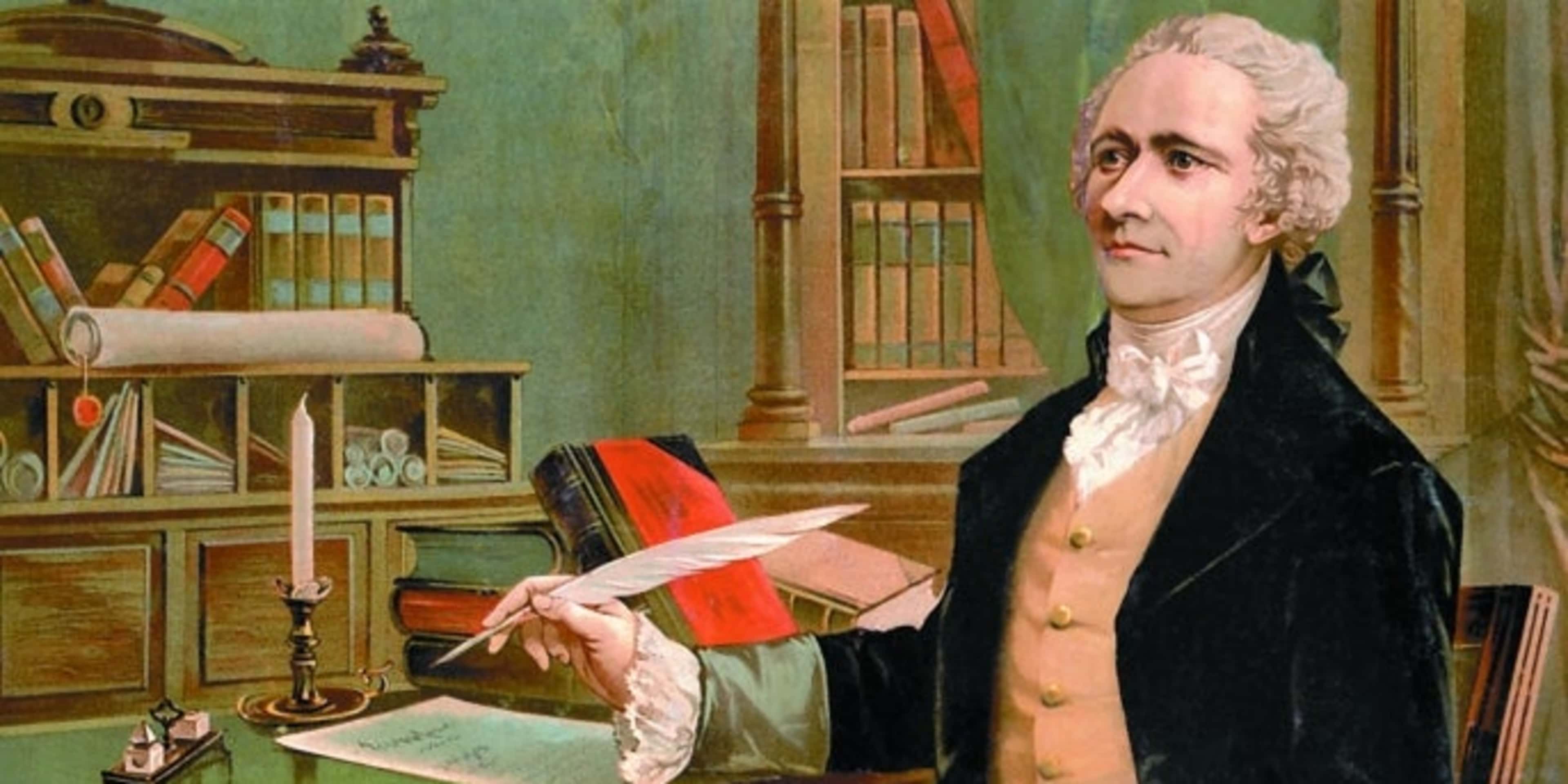
As the brilliant first Secretary of the Treasury, Alexander Hamilton built the early foundations of America’s national banking system, wielded monumental influence beside George Washington, and helped shape the very fabric of American democracy. Yet, unlike his contemporaries Thomas Jefferson and John Adams, Hamilton never ascended to the presidency, leaving behind a legacy shadowed not just by his tragic death in Weehawken, but by a self-inflicted political catastrophe. Long before the era of modern 24-hour news cycles and tabloid journalism, the young American republic was rocked by its very first public sex scandal: the infamous Reynolds Affair. In 1797, Hamilton took the unprecedented, shocking step of publishing a highly detailed tell-all pamphlet exposing his own extramarital affair with a married woman named Maria Reynolds. Driven by an obsessive need to protect his financial honor against false accusations of Treasury speculation, Hamilton sacrificed his personal reputation and permanently torpedoed his own presidential ambitions. This dramatic chapter reveals how personal indiscretion, intense partisan rivalry, and a desperate bid for political survival collided to alter the course of early American leadership forever.
Historical Background: The Volatile Early Republic
In the early 1790s, the newly formed United States was a highly volatile political experiment. The government was deeply divided between two emerging factions: the Federalists, led by Alexander Hamilton, who advocated for a strong central government and a robust national financial system, and the Democratic-Republicans, led by Thomas Jefferson and James Madison, who favored agrarianism and decentralized state power. As the primary architect of the nation’s economic infrastructure, Hamilton wielded immense influence, earning him fierce enemies who scrutinized his every move. To fully understand his complex personality and brilliant yet volatile career, it helps to examine some of the things you may not know about Alexander Hamilton, which reveal his intense passion and sometimes self-sabotaging nature.
Timeline of America’s First Political Sex Scandal
The scandal unfolded over several years, transitioning from a private affair of blackmail to a public explosion of partisan warfare. Below is the chronological breakdown of the events:
- Summer 1791: Maria Reynolds approaches Hamilton at his Philadelphia home, claiming her husband, James Reynolds, had abandoned her and her daughter. Hamilton visits her boarding house to deliver financial assistance, leading to the initiation of their illicit relationship.
- Winter 1791–1792: James Reynolds discovers the affair and blackmails Hamilton, demanding a $1,000 payment to keep quiet. Hamilton complies in two installments.
- Summer 1792: After repeatedly extorting Hamilton for smaller “loans,” James Reynolds permits the affair to continue, but Hamilton finally breaks off the relationship.
- November 1792: James Reynolds and his associate Jacob Clingman are arrested for a scheme to defraud the Treasury by claiming back pay for deceased Revolutionary War veterans.
- December 1792: Confronted by Congressmen James Monroe, Frederick Muhlenberg, and Abraham Venable regarding suspected financial collusion with Reynolds, Hamilton confesses to the affair and shares private correspondence to prove the payments were blackmail, not illicit speculation.
- Summer 1797: Partisan journalist James Callender publishes accusations that Hamilton collaborated with James Reynolds in illegal financial speculation.
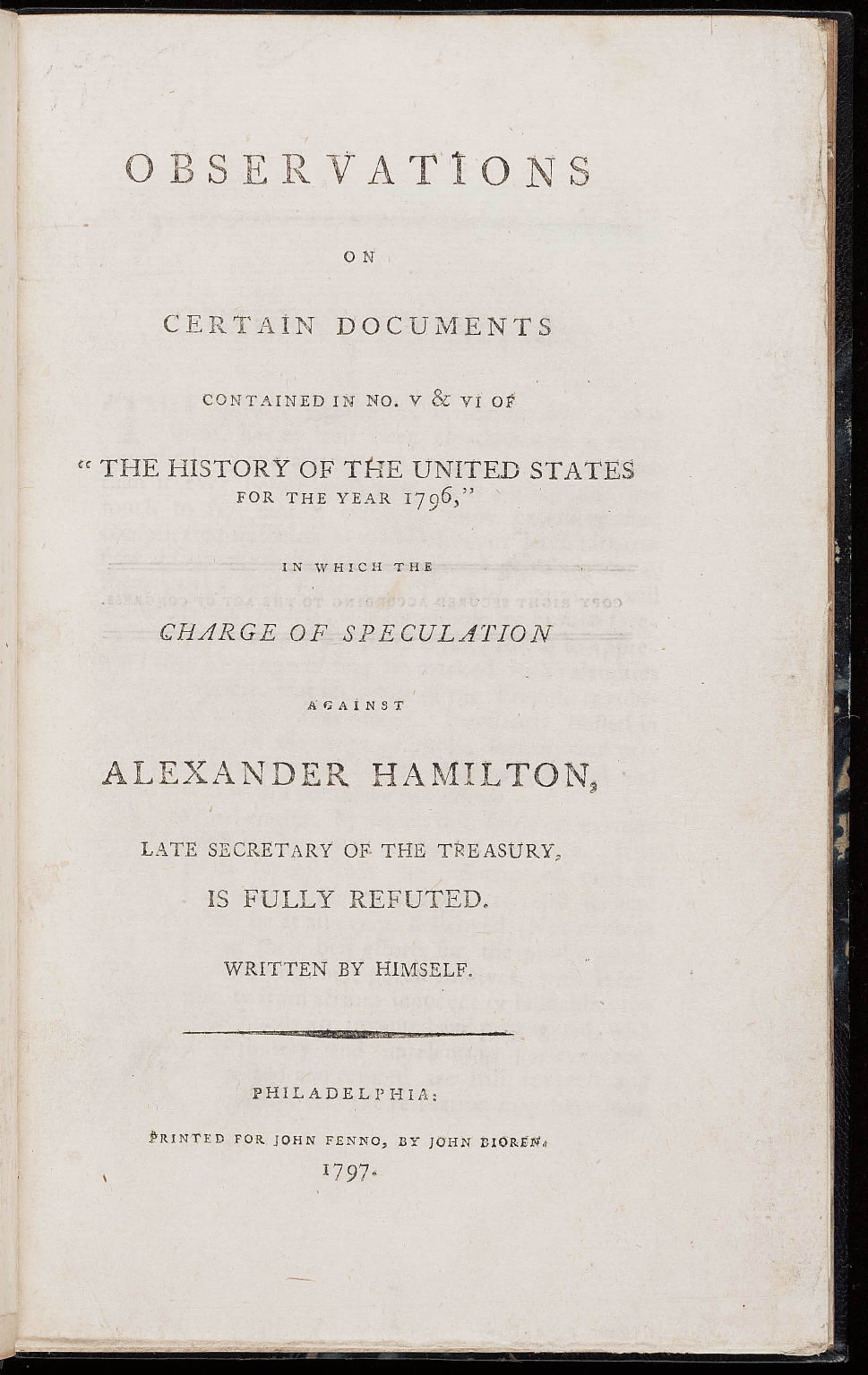
- August 1797: Hamilton publishes the infamous 95-page Reynolds Pamphlet, defending his financial integrity by laying bare every humiliating detail of the affair.
Key Figures and Their Historical Roles
The drama of the Reynolds Affair involved a cast of characters whose actions left an indelible mark on early American history:
- Alexander Hamilton: The Treasury Secretary who chose to sacrifice his personal honor to preserve his public integrity and the credibility of the U.S. financial system.
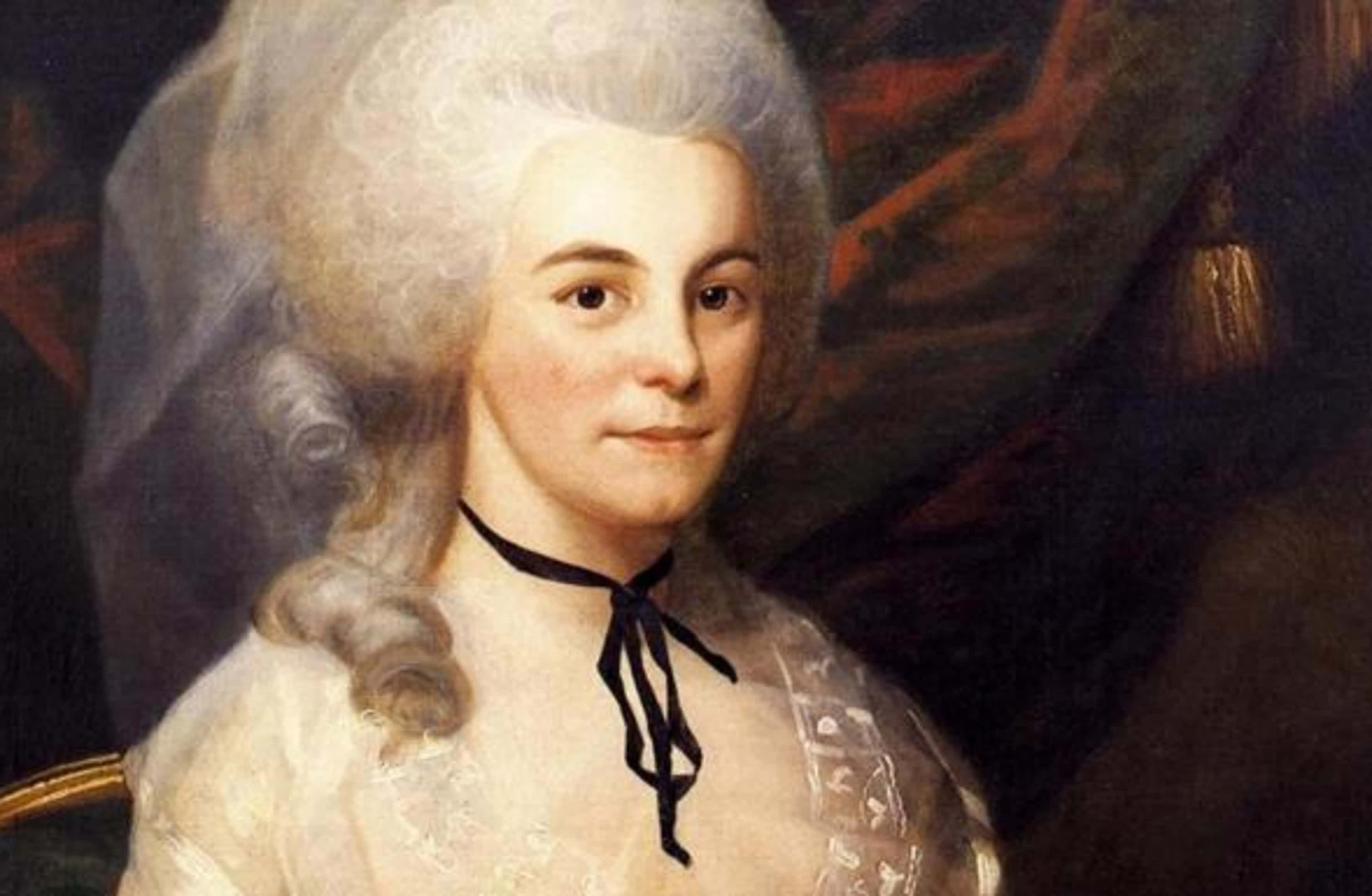
- Maria Reynolds: The 23-year-old woman whose claims of distress initiated the affair, acting either as a victim of her abusive husband or a willing accomplice in his extortion scheme.
- James Reynolds: A corrupt opportunist who used his wife’s relationship with Hamilton as a lucrative blackmail scheme and later accused Hamilton of government corruption.
- James Monroe: The future President who investigated Hamilton and later leaked the details of the affair to Thomas Jefferson, sparking a lifelong feud with the Hamilton family.
- Elizabeth Schuyler Hamilton: Hamilton’s deeply devoted wife, who suffered immense public humiliation but ultimately spent her remaining 50 years preserving his legacy.
Adultery vs. Treasury Corruption: The Fateful Confrontation
In the eyes of 18th-century Americans, personal indiscretions were heavily frowned upon, but public corruption was a capital political sin. When James Monroe, Frederick Muhlenberg, and Abraham Venable confronted Hamilton in December 1792, they believed they had uncovered a massive financial conspiracy. James Reynolds had claimed that Hamilton was giving him insider information to speculate on government securities. Confronted with the prospect of being branded a corrupt Treasury Secretary, Hamilton chose to reveal his private correspondence with Maria and James Reynolds. By demonstrating that the payments were “hush money” rather than illicit financial speculation, Hamilton cleared his name of official misconduct. However, the private records of this meeting were kept, eventually finding their way into the hands of partisan rivals who weaponized them years later.
The Reynolds Pamphlet: Why Hamilton Published His Own Scandal
In 1797, when Republican journalist James Callender publicly accused Hamilton of using Treasury funds for illegal speculation, Hamilton felt backed into a corner. To vindicate himself and protect the Federalist economic platform from allegations of corruption, he published “Observations on Certain Documents,” widely known as the Reynolds Pamphlet. In this document, Hamilton famously declared: “The charge against me is a connection with one James Reynolds for purposes of improper pecuniary speculation. My real crime is an amorous connection with his wife.” While the pamphlet successfully cleared him of financial corruption, the excruciatingly detailed confession of his affair deeply humiliated his wife, Eliza, and permanently destroyed his credibility as a viable presidential candidate.
The Long-Term Impact on the Federalist Party and America
The fallout of the Reynolds Pamphlet went far beyond Hamilton’s personal household. It severely weakened the Federalist Party, leading to public infighting between Hamilton and President John Adams. This division paved the way for Thomas Jefferson’s victory in the election of 1800, marking a permanent shift in American political power. Furthermore, the scandal set a precedent for how personal lives would be scrutinized in American politics, initiating the tradition of investigative political journalism that continues to shape modern campaigns. Following Hamilton’s death in 1804, his family was left to pick up the pieces of his shattered public image. Read about how Alexander Hamilton’s widow Eliza carried on his legacy for five decades, defending his historical honor and establishing New York’s first private orphanage.
Lesser-Known Facts About the Reynolds Affair
- Aaron Burr’s Unlikely Role: Long before their fatal duel, Aaron Burr served as Maria Reynolds’ divorce attorney during her legal separation from James Reynolds, showing how deeply intertwined the lives of these historical figures were. To see how these complicated relationships eventually culminated in the fatal 1804 duel, explore what happened to Aaron Burr after he killed Alexander Hamilton in a duel.
- A Near-Duel with Monroe: Hamilton was so convinced that James Monroe had leaked the private letters to the press that he nearly challenged Monroe to a duel in 1797. Ironically, it was Aaron Burr who stepped in as a mediator to defuse the tension.
- The Grudge that Outlived Hamilton: Eliza Hamilton never forgave James Monroe for his role in the leak. Decades after Hamilton’s death, when Monroe attempted to reconcile with her, Eliza refused to speak to him, keeping the bitter rivalry alive.
Why the Reynolds Affair Still Matters Today
The Reynolds Affair is not merely a piece of historical gossip; it is a foundational lesson in American political communication and crisis management. It highlights the delicate balance between public duty and private character, a theme that remains highly relevant in contemporary political discourse. Hamilton’s decision to sacrifice his private life to protect the integrity of the U.S. Treasury remains one of the most extreme examples of political self-sacrifice and self-sabotage in world history.
People Also Ask
Did Alexander Hamilton run for President?
No, Hamilton never officially ran for President. His foreign birth (born in Nevis) led to debates about his eligibility, but the Reynolds Affair permanently destroyed any political viability he had.
Did Eliza Hamilton forgive Alexander?
Yes, despite the immense public humiliation of the Reynolds Pamphlet, Eliza forgave Alexander and spent the rest of her life championing his contributions to America.
Who leaked the Reynolds Affair?
The details were leaked to the press by journalist James Callender, who obtained copies of the investigative files originally held by James Monroe and John Beckley.
Conclusion
The Reynolds Affair remains one of the most remarkable and self-destructive episodes in American history. By publishing the details of his affair, Alexander Hamilton protected his financial integrity at the cost of his political future, demonstrating the complex priorities of a founding father who valued his public legacy above all else.


