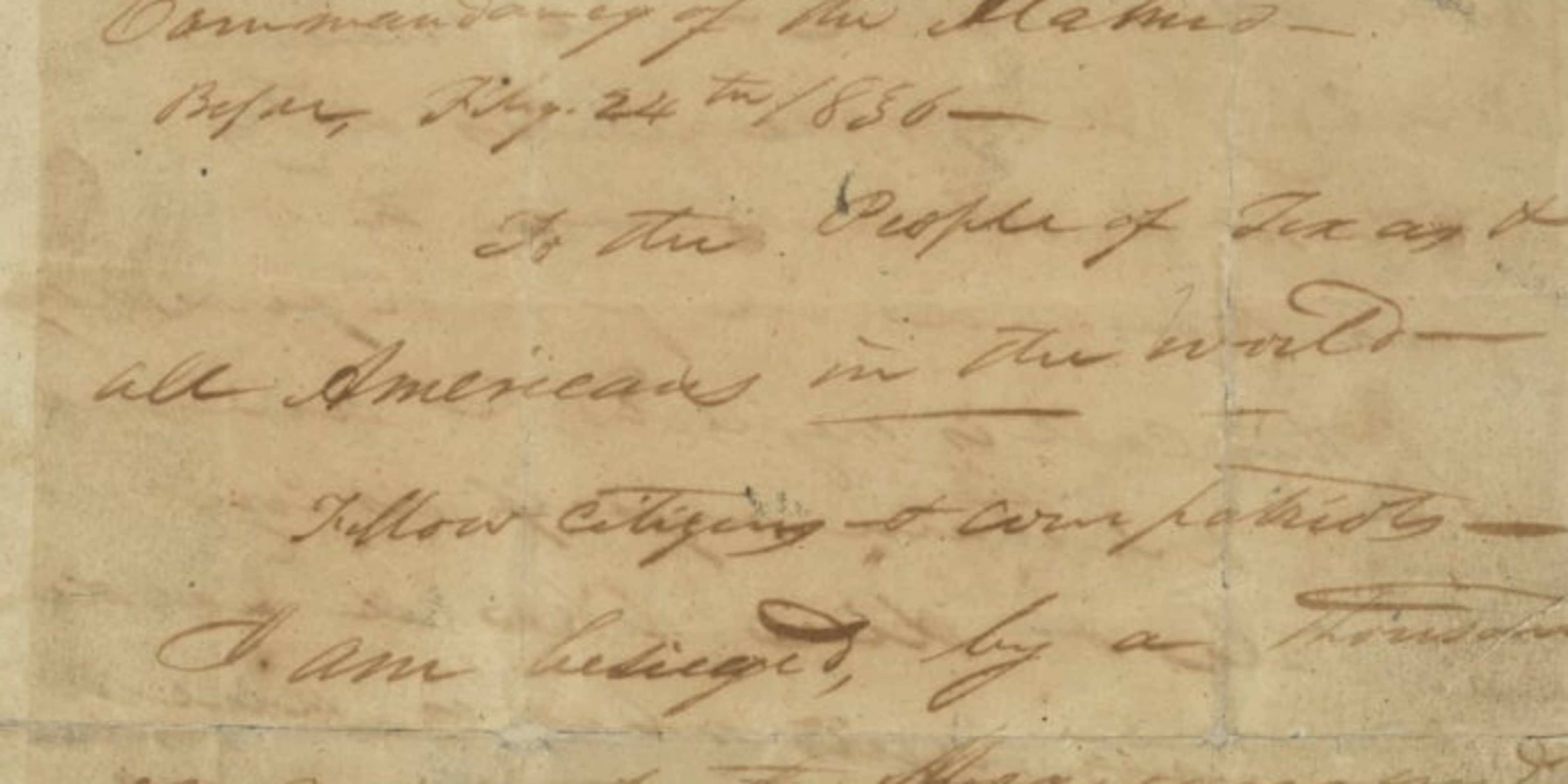
The Siege of the Alamo remains one of the most defining chapters in American history, representing the ultimate test of courage, sacrifice, and the enduring human pursuit of liberty. On February 24, 1836, surrounded by thousands of Mexican troops led by General Antonio López de Santa Anna, a 26-year-old lieutenant colonel named William Barret Travis penned an extraordinary plea for help from the crumbling walls of the San Antonio de Béxar mission. This document, addressed “To the People of Texas & All Americans in the World,” did not merely ask for reinforcements; it stood as a defiant manifesto of a soldier prepared to pay the ultimate price. Known as the “Victory or Death” letter, Travis’s words captured the raw spirit of independence that would shape the destiny of Texas and the broader American West. His call to arms transcended its immediate military crisis, transforming the tragic fall of the Alamo into a powerful rallying cry that would echo through generations.
Historical Background: Tensions in Tejas and the Rise of Travis
To fully comprehend the gravity of the “Victory or Death” letter, one must step back into the complex geopolitical landscape of 1830s Mexico. Following its independence from Spain in 1821, the young Mexican republic sought to populate its northern frontier in the territory of Coahuila y Tejas. To achieve this, the government offered generous land grants to foreign settlers, prompting a massive wave of migration. These Anglo-American settlers, widely referred to as Texians, migrated in massive numbers, quickly outnumbering the native Mexican population, known as Tejanos.
However, cultural, religious, and political differences quickly strained relations. Many of the settlers came from the southern United States and brought enslaved Black people with them. When Mexico’s second president, Vicente Guerrero, abolished slavery throughout the nation in 1829, it sparked immediate resentment among the Texian slaveholders. Furthermore, the Mexican government’s requirement that settlers convert to Catholicism and pay steep customs duties added fuel to the fire.
The definitive breaking point arrived in 1835 when Mexican President Antonio López de Santa Anna repealed the federalist Constitution of 1824. By abolishing the constitution and centralizing absolute power in Mexico City, Santa Anna effectively stripped the states of their local self-governance. This authoritarian shift united Texians and federalist-leaning Tejanos in open rebellion, setting the stage for the Texas Revolution.
Among those caught up in this revolutionary fervor was William Barret Travis. Born in South Carolina, Travis had worked as an attorney and newspaper editor before abandoning a failing marriage, mounting debts, and his young family in 1831 to start anew in Stephen F. Austin’s Texas colony. Travis’s hot-headed nature and legal background quickly positioned him as a radical voice for independence. By late 1835, he had risen to the rank of lieutenant colonel of cavalry in the newly formed Texian volunteer forces.
Detailed Timeline of the Siege of the Alamo (1835-1836)
The military confrontation at the Alamo unfolded over several dramatic months, culminating in a legendary 13-day siege. Below is a chronological breakdown of the pivotal events:
- December 1835: Texian and Tejano volunteer forces drive Mexican General Martín Perfecto de Cos out of San Antonio de Béxar after a grueling siege, taking control of the fortified Alamo mission.
- January 1836: Travis is ordered to reinforce Colonel James C. Neill at the Alamo. Travis is only able to raise 30 men, far fewer than the 100 he had hoped to recruit.
- February 3, 1836: Travis officially assumes co-command of the Alamo garrison alongside the legendary frontiersman James Bowie, after Colonel Neill departs to tend to his sick family.
- February 23, 1836: General Santa Anna’s vanguard arrives in San Antonio unexpectedly, catching the defenders off guard. The Texians retreat into the safety of the Alamo, and Santa Anna raises a red flag from San Fernando Cathedral, signaling “no quarter”—meaning no prisoners would be taken.
- February 24, 1836: Travis pens his famous “Victory or Death” letter and sends it out with courier Captain Albert Martin. On the same day, Travis responds to Santa Anna’s surrender demand with a single, defiant cannon shot.
- March 1, 1836: A company of 32 reinforcements from Gonzales, having answered Travis’s early pleas, slips through Mexican lines to join the defenders inside the Alamo.
- March 2, 1836: At Washington-on-the-Brazos, Texas delegates officially declare independence from Mexico, creating the Republic of Texas.
- March 3, 1836: Travis writes his final known letters, including one to the delegates, pleading for immediate assistance. This message would arrive too late.
- March 6, 1836: Before dawn, approximately 1,500 Mexican soldiers launch a fierce, multi-pronged assault on the Alamo. In less than 90 minutes, the walls are breached. Travis is killed early in the battle on the north wall, while Bowie, Crockett, and nearly all of the estimated defenders perish in hand-to-hand combat.
Crucial Figures of the Alamo Siege
The defense of the Alamo brought together a diverse group of larger-than-life historical figures whose actions during the siege cemented their places in American folklore:
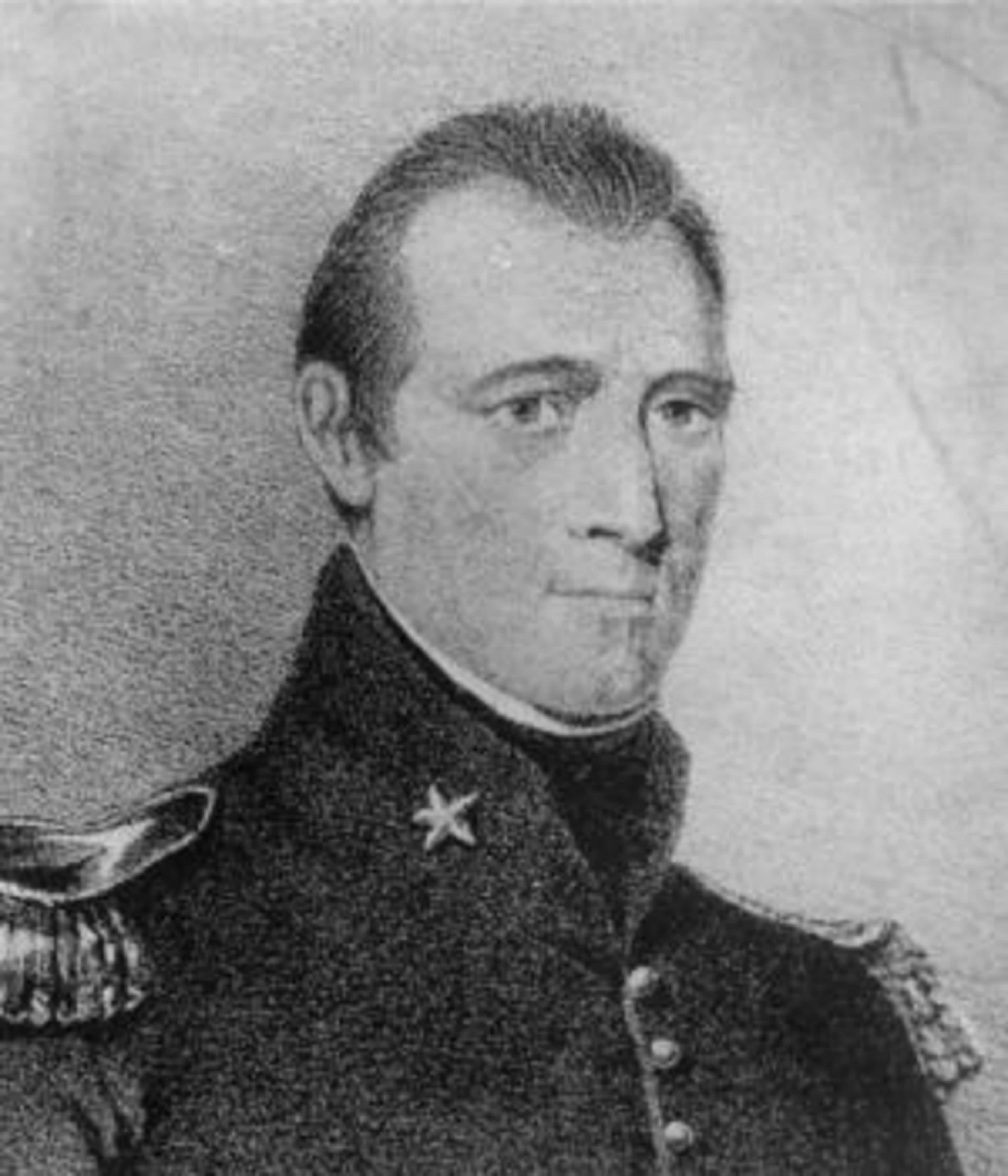
- William Barret Travis: The commander of the regular army forces at the Alamo. At just 26 years old, Travis was task-oriented, highly formal, and deeply conscious of his historical legacy. His uncompromising refusal to surrender defined the Alamo’s defense.
- James Bowie: A legendary frontiersman, land speculator, and knife fighter. Bowie commanded the volunteer forces at the Alamo. Although he clashed with Travis initially over authority, the two reached a co-command agreement. Bowie fell seriously ill with a debilitating lung condition during the siege, leaving Travis in sole command.
- Davy Crockett: The famous “King of the Wild Frontier” and former U.S. Congressman from Tennessee. Crockett arrived at the Alamo with a small group of volunteers, adding immense star power and boosting the morale of the garrison. He died fighting during the final assault.
- Antonio López de Santa Anna: The President of Mexico and commander of the Mexican Army. Viewed by his supporters as the “Napoleon of the West,” Santa Anna was a ruthless strategist who believed that absolute severity was the only way to crush the rebellion. His decision to execute all survivors backfired, turning the Alamo defenders into martyrs.
Causes, Context, and the Quest for Liberty
The Battle of the Alamo was not an isolated frontier skirmish; it was a symptom of a deep ideological divide. The Texians believed they were fighting for the same constitutional rights their grandfathers had defended during the American Revolution. By stripping away local autonomy and replacing a representative federal system with a centralized dictatorship, Santa Anna had violated the social contract that had enticed these settlers to emigrate in the first place.
This fierce pursuit of self-determination and local governance remains one of the most significant great strides for freedom in US history, mirroring the constitutional battles fought during the founding of the United States. For both the Anglo-American Texians and the native-born Tejanos, the defense of the Alamo was a stand against autocracy, proving that the desire for liberty can unite people across cultural and linguistic divides.
The Alamo Siege as a Vital Turning Point
While the Battle of the Alamo was a tactical disaster that resulted in the complete destruction of the garrison, it served as a monumental strategic turning point for the Texas Revolution. Santa Anna’s 13-day siege delayed his advance eastward, buying precious time for the provisional government of Texas to organize. As delegates frantically drafted and signed the Texas Declaration of Independence on March 2, 1836, printing presses worked overtime to distribute the news—much like the efforts surrounding how the Declaration of Independence was printed and protected during the American Revolution sixty years prior.
Furthermore, Travis’s “Victory or Death” letter galvanized public support across the United States. The letter was reprinted in major newspapers from New Orleans to New York, inspiring thousands of American volunteers to pack their bags, grab their rifles, and head to Texas to support the rebel cause. The tragedy of the Alamo did not demoralize the rebels; instead, it provided them with an immortal rallying cry: “Remember the Alamo!”
Long-Term Impact on the American Legacy
The fall of the Alamo set off a chain of events that fundamentally redrew the map of North America. Just five weeks after the massacre, on April 21, 1836, General Sam Houston led a highly motivated Texian army to a stunning victory over Santa Anna’s forces at the Battle of San Jacinto. Shouting “Remember the Alamo! Remember Goliad!”, Houston’s men defeated the Mexican army in a mere 18 minutes, capturing Santa Anna and forcing him to sign treaties that recognized Texas’s independence.
The establishment of the independent Republic of Texas eventually led to its annexation as the 28th U.S. state in 1845. This annexation directly triggered the Mexican-American War (1846–1848). The resulting Treaty of Guadalupe Hidalgo ceded vast territories to the United States, including modern-day California, Nevada, Utah, Arizona, and parts of Colorado and Wyoming. Ultimately, the stand at the Alamo was the catalyst for the United States to realize its vision of expansion from coast to coast.
Lesser-Known Facts About the Alamo and Travis’s Letter
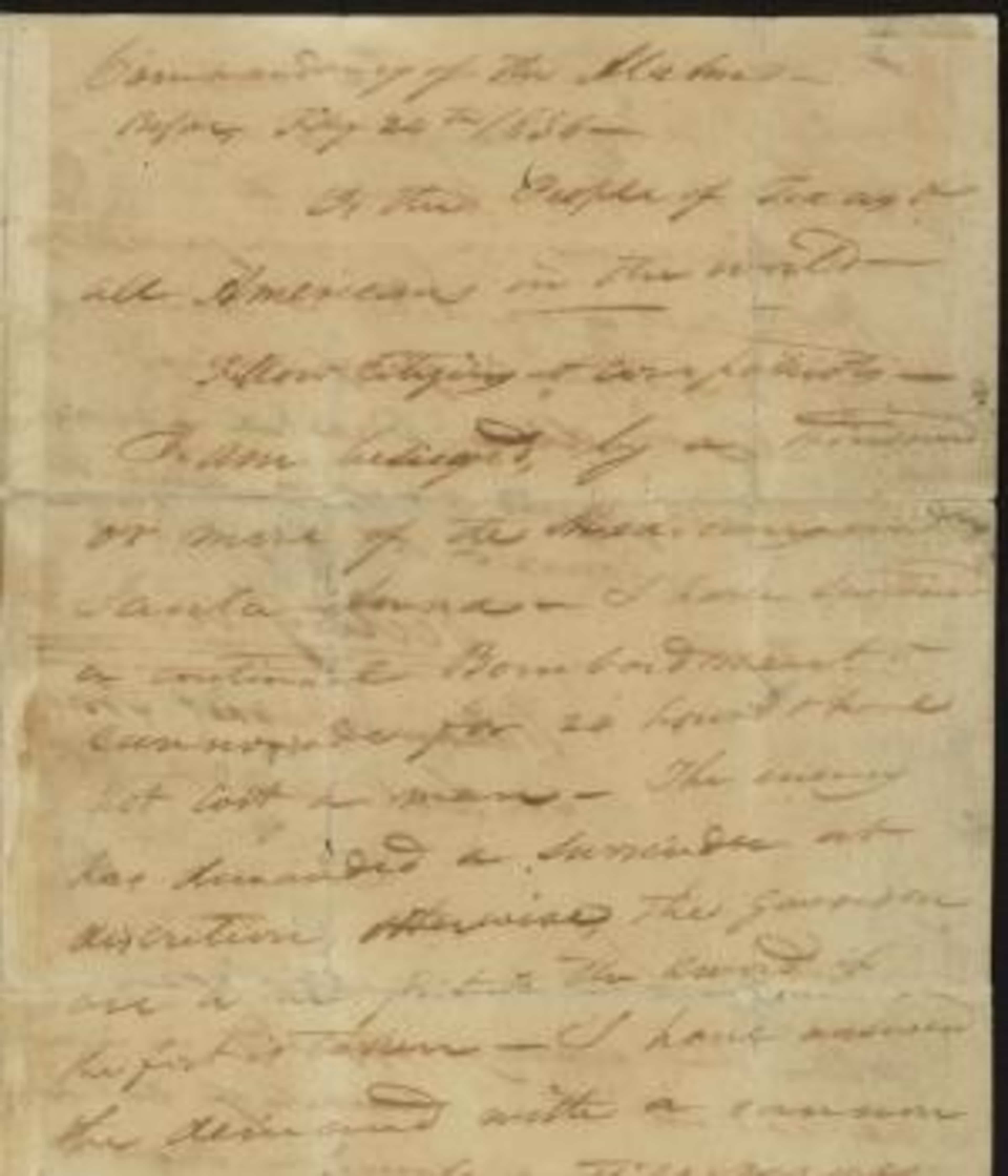
- The Letter Was Sold for a Modest Fee: After the Texas Revolution, the original “Victory or Death” letter remained in the possession of the Travis family. In 1893, Travis’s great-grandson, John G. Davidson, sold this priceless piece of history to the State of Texas for just $85 (equivalent to roughly $2,000 today).
- It Wasn’t Travis’s Last Letter: While the February 24 letter is the most famous, Travis actually managed to send out at least four more letters through courier lines before the final assault, including a highly detailed defense report on March 3.
- The Postscripts Added on the Road: The physical letter carries historical layers. Captain Albert Martin, who carried the letter out of the fort, added a frantic postscript noting that he could hear heavy cannon fire in the distance as he rode. The next courier, Lancelot Smither, added his own note urging volunteers to rush to Gonzales with ammunition.
Why the Alamo and Travis’s Words Still Matter Today
Today, Travis’s letter is permanently housed in the Texas State Library and Archives Commission in Austin, where it is treated with the same reverence as the U.S. Constitution. It stands as a masterclass in crisis communication and rhetoric. The phrase “Victory or Death” has transcended the borders of Texas to become a universal symbol of unyielding dedication to one’s principles, reminding modern audiences of the high cost of freedom. The legacy of the Alamo continues to inspire debates about patriotism, sacrifice, and the complex, multicultural history of the American Southwest.
People Also Ask
What was the main purpose of William B. Travis’s letter?
The primary purpose of the letter was to plead for immediate reinforcements and supplies for the besieged Alamo garrison. However, Travis also designed it to rally public opinion, calling on “all Americans in the world” to support the Texian cause in the name of liberty and patriotism.
Did any reinforcements arrive after Travis sent his letter?
Yes, but very few. The only organized reinforcement to answer the call was a group of 32 men from the town of Gonzales, known as the “Immortal 32”. They bravely rode through enemy lines and entered the Alamo on March 1, 1836, knowing they were facing near-certain death.
Who survived the Battle of the Alamo?
While almost all of the combatant defenders were killed, Santa Anna spared several non-combatants to spread news of the defeat and terrorize other rebels. Notable survivors included Susanna Dickinson (the wife of an officer) and her infant daughter, as well as Travis’s enslaved servant, Joe, and several Tejano women and children.
Conclusion: The Unfading Echo of the Alamo
The “Victory or Death” letter penned by William Barret Travis is far more than a historical artifact; it is the beating heart of the Texas origin story. By choosing to stand and fight against impossible odds, the defenders of the Alamo transformed a military defeat into a moral triumph. Their sacrifice paved the way for Texas’s independence and reshaped the geopolitical landscape of North America forever. Nearly two centuries later, the defiant words of a 26-year-old lieutenant colonel continue to echo through history, serving as an immortal testament to the price of liberty.


