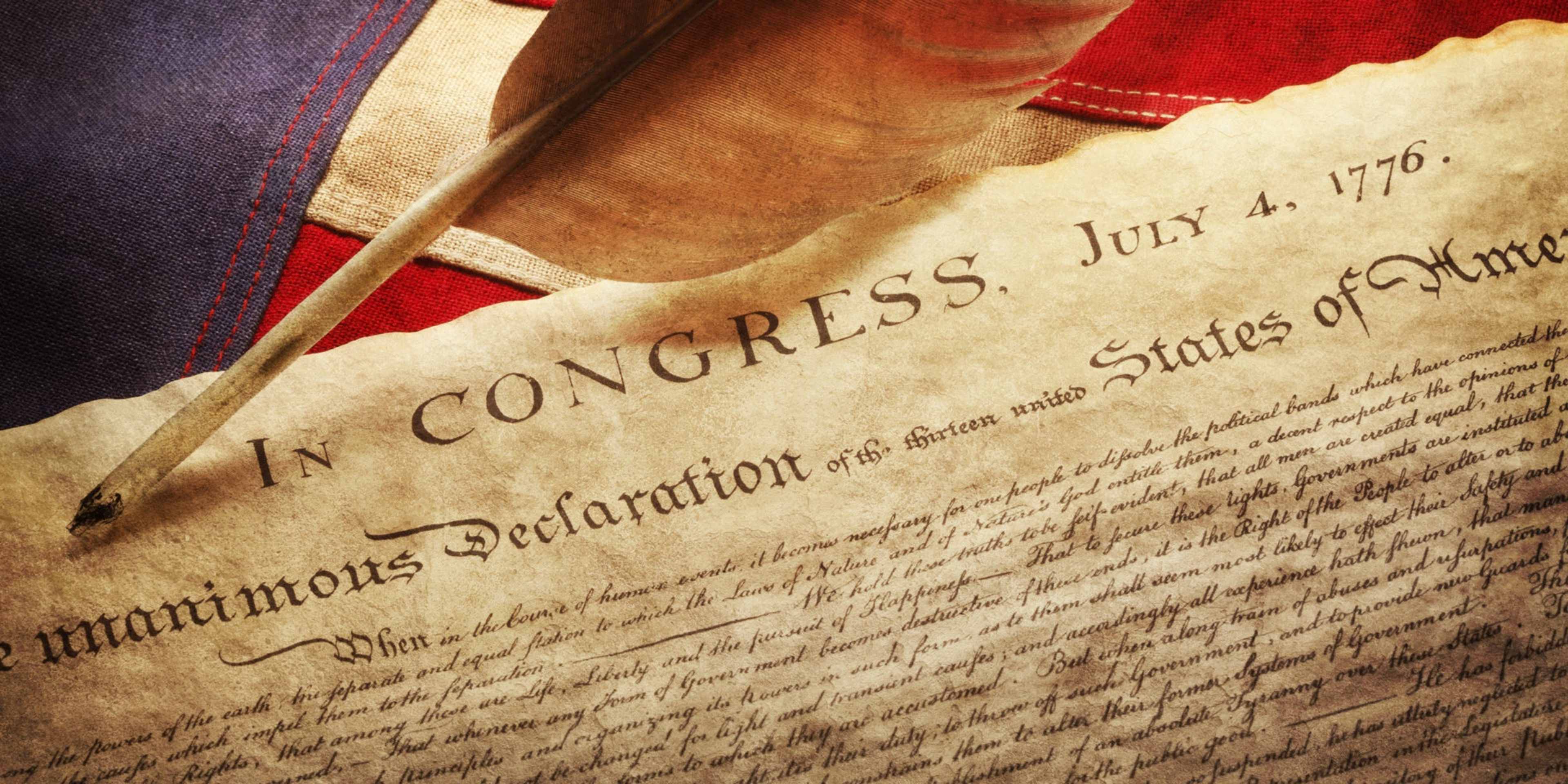
The Declaration of Independence stands as the cornerstone of American democracy, a bold assertion of liberty that transformed thirteen disparate colonies into a unified nation. Adopted on July 4, 1776, this revolutionary document did not merely exist as a philosophical abstract; it was a physical, fragile piece of parchment that had to be duplicated, distributed, and desperately protected from the ravages of war, fire, and time. Understanding how this document was printed and preserved offers a vivid window into the chaotic birth of the United States and the extraordinary lengths to which early patriots went to ensure its survival.
The Historical Background: Birthed in Revolution
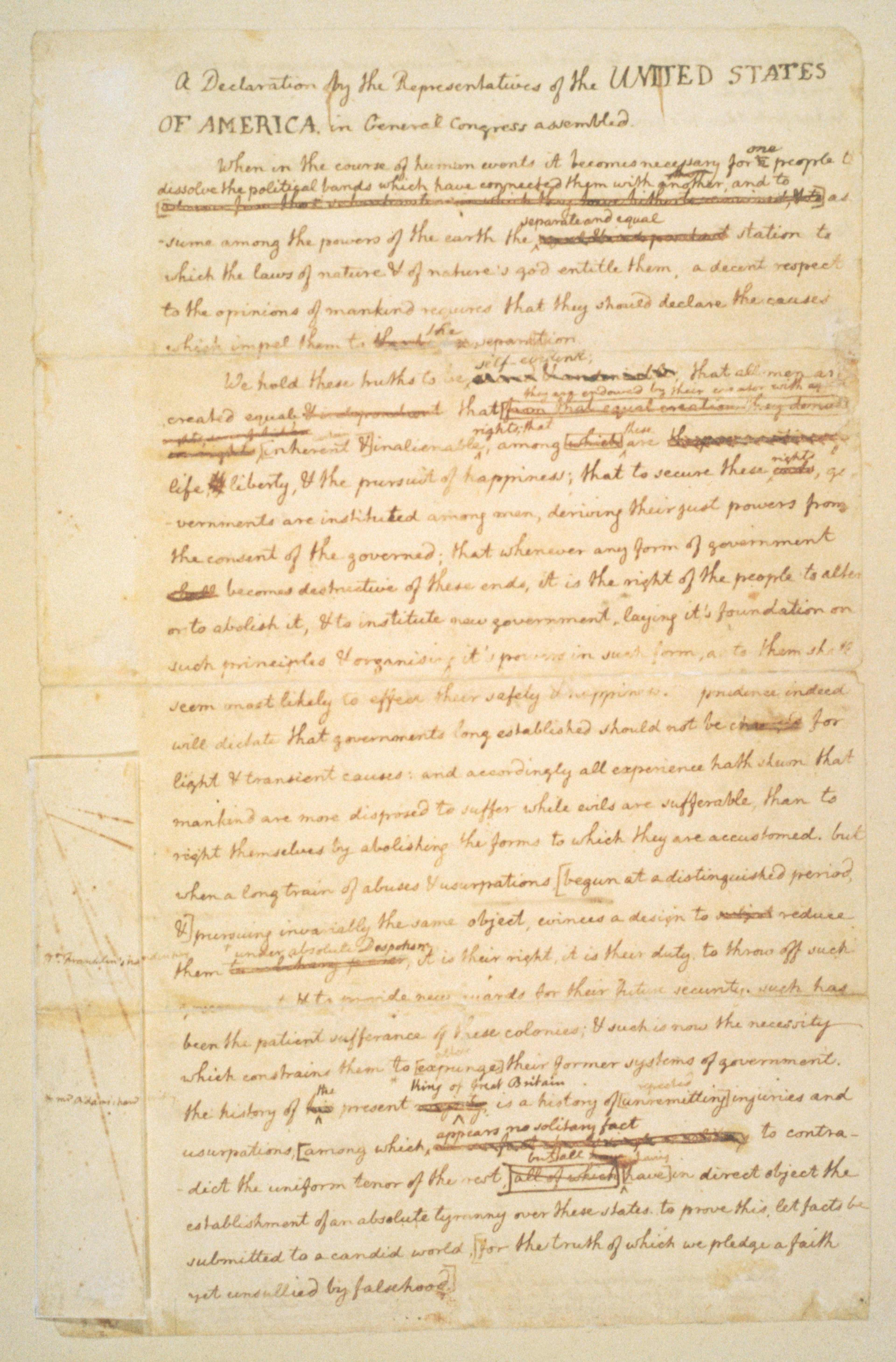
In the sweltering summer of 1776, the Second Continental Congress convened in Philadelphia. Tension with Great Britain had reached a boiling point, and the call for total separation became unavoidable. Thomas Jefferson, a gifted 33-year-old delegate from Virginia, was tasked with drafting the historic declaration. Jefferson penned the original draft, which underwent several revisions by the Committee of Five before being presented to Congress. On July 4, 1776, the delegates officially adopted the text, signaling a point of no return. Before George Washington took control of the newly formed forces, the political climate was tense, and the need for a formal declaration was absolute. To learn more about the early military leadership, read about who commanded the Continental Army before Washington to understand the military context of the era.
The immediate challenge was dissemination. How could a brand-new nation inform its citizens and soldiers spread across thousands of miles? The solution lay in the rapid, physical replication of the text. The manuscript was rushed to the local print shop of John Dunlap, who worked through the night to produce the first public copies of the document that would redefine global history.
Chronological Timeline of the Declaration’s Journey
- July 4, 1776: The Continental Congress adopts the Declaration of Independence. John Dunlap prints approximately 200 broadsides overnight.
- July 5-6, 1776: The Dunlap Broadsides are distributed across the 13 colonies, read aloud to crowds, and published in early newspapers.
- July 19, 1776: Congress orders the document to be “fairly engrossed on parchment” for formal signing.
- August 2, 1776: Scribe Timothy Matlack completes the engrossed copy, and delegates begin signing the parchment.
- December 1776: Under threat of British invasion, Congress evacuates Philadelphia, transporting the parchment in a wagon to Baltimore.
- January 1777: Mary Katharine Goddard prints the first public broadside listing all signers’ names.
- August 1814: State Department clerk Stephen Pleasonton saves the parchment from British troops burning Washington, D.C., hiding it in Leesburg, Virginia.
- 1841-1876: The document is displayed at the Patent Office, suffering severe environmental degradation.
- 1921: The Declaration is transferred to the custody of the Library of Congress.
- December 1941: Days after the attack on Pearl Harbor, the document is evacuated to the gold vaults of Fort Knox, Kentucky.
- 1952: The Declaration of Independence is permanently transferred to the National Archives Rotunda.
Key Figures in the Production and Preservation
Several critical historical figures played essential roles in ensuring the Declaration survived both British wrath and the elements:
- Thomas Jefferson: The principal author whose eloquent draft laid the philosophical foundation of the nation, proclaiming that “all men are created equal.”
- John Dunlap: The official printer of Congress who executed the frantic, high-stakes overnight printing of the original broadsides, which became the primary vehicle for public proclamation.
- Timothy Matlack: An assistant to the secretary of Congress whose exceptional penmanship is immortalized on the official “signed parchment” displayed today.
- Stephen Pleasonton: A heroic State Department clerk who, acting on his own initiative during the War of 1812, packed the Declaration and the U.S. Constitution into linen bags and evacuated them hours before British forces burned Washington.
- Mary Katharine Goddard: A pioneering female postmaster and printer in Baltimore who courageously printed the first broadside featuring the complete list of signers, proving the colonies’ unified defiance.
Major Turning Points and Great Escapes
The Flight in a Wooden Wagon (1776)
Immediately after its creation, the signed parchment became a target. If captured by the British, every signer whose name was written upon it faced execution for treason. As British forces advanced on Philadelphia in late 1776, Congress scrambled to evacuate. The parchment was rolled up and thrust into a wooden wagon, embarking on a bumpy, perilous journey to Baltimore. Over the next decade, the document traveled constantly, staying in cities like Lancaster, York, Princeton, Annapolis, and New York, gradually accumulating wear, creases, and stains.
The Burning of Washington (1814)
Perhaps the most dramatic escape occurred during the War of 1812. In August 1814, British troops marched victoriously toward Washington, D.C. While others panicked or downplayed the danger, Stephen Pleasonton took action. He purchased coarse linen, made bags, and stuffed the nation’s founding documents inside. Pleasonton carted them to an abandoned gristmill, and later to a private home in Leesburg, Virginia. His quick thinking saved the Declaration from turning to ash when the British burned the Capitol and the White House.
The Fort Knox Relocation (World War II)
Following the surprise attack on Pearl Harbor in December 1941, government officials feared that Washington, D.C., might be targeted by enemy airstrikes. To safeguard the nation’s most sacred relics, the Declaration of Independence and the Constitution were wrapped in protective materials, locked in a bronze container, and shipped under armed military guard via train to the highly secure US Bullion Depository at Fort Knox, Kentucky, where they remained safely until 1944.
Lesser-Known and Fascinating Facts
While the Declaration of Independence is globally famous, several intriguing details remain obscure to the general public:
- The Mysterious Handprint: On the bottom left-hand corner of the signed parchment, a faint, dark handprint is visible. Historians do not know who left it or when, but it stands as a silent testament to the decades of casual handling the document endured before modern preservation techniques were established.
- The First Public List was Printed by a Woman: While Timothy Matlack hand-wrote the official parchment, the public did not see the full list of signers until January 1777, when Mary Katharine Goddard printed her authorized broadside. This was an incredibly brave act, as publishing the signers’ names was a direct challenge to the British Crown.
- Broadsides Over Parchment: For the average American citizen in 1776, the “Declaration” was not a signed animal skin; it was a printed newspaper sheet or Dunlap broadside. In an era where America’s first newspaper was still a relatively fresh concept, printed broadsides were the primary mechanism of mass communication and revolution.
Long-Term Impact on America and Why It Matters Today
The journey of the Declaration of Independence reflects the evolution of American identity. Originally created as an internal government tool and a functional announcement of war, the signed parchment has transformed into a secular relic of democracy. The physical scars on the document—the fading ink, the creases from being rolled up, the mysterious handprint, and the wear from early public displays—symbolize the trials of the republic itself.
Today, housed in a state-of-the-art, gold-plated titanium frame filled with inert argon gas at the National Archives, the document represents the enduring promise of liberty. Its survival serves as a reminder that democratic principles are not self-sustaining; they require active protection, constant vigilance, and deep respect from every generation.
People Also Ask
Who printed the first copies of the Declaration of Independence?
The first copies were printed by John Dunlap in Philadelphia on the night of July 4, 1776. These are known as the “Dunlap Broadsides” and did not feature the famous signatures we see on the parchment copy today.
How was the Declaration of Independence saved during the War of 1812?
A State Department clerk named Stephen Pleasonton saved the document by packing it into linen bags and sneaking it out of Washington, D.C., to Leesburg, Virginia, just hours before British troops burned the capital.
Why is the ink on the Declaration of Independence so faded?
The ink is faded due to decades of exposure to harsh sunlight, fluctuating temperatures, and humidity during the 19th century when it was displayed vertically on a wall at the Patent Office, as well as damage from early reproduction attempts.
Conclusion
From the ink-stained floor of John Dunlap’s colonial print shop to the heavily guarded, bomb-proof vaults of the National Archives, the physical journey of the Declaration of Independence is as dramatic as the revolutionary words written upon it. Protected by heroic clerks, hidden in times of global war, and preserved through pioneering archival science, this historic document continues to inspire millions worldwide as an eternal symbol of human freedom and self-determination.


