To truly understand the story of early America, one must look beyond the grand speeches of the founding fathers and the battlefields of the Revolutionary War. The real story of survival, ingenuity, and community was forged in the quiet corners of the colonial home. For the families who inhabited the original 13 colonies, daily life was a relentless cycle of hard labor, requiring immense resourcefulness to navigate a world without electricity, running water, or mechanized transportation. Every household utensil, farming implement, and educational tool had to be crafted by hand, preserved with care, and used to its absolute limit. Investigating the everyday objects of Colonial America offers us a deeply intimate window into how early settlers survived the unforgiving wilderness, managed local economies, and ultimately cultivated the spirit of self-reliance that would fuel a revolution.
Historical Background: The Material World of the 13 Colonies (1607–1776)
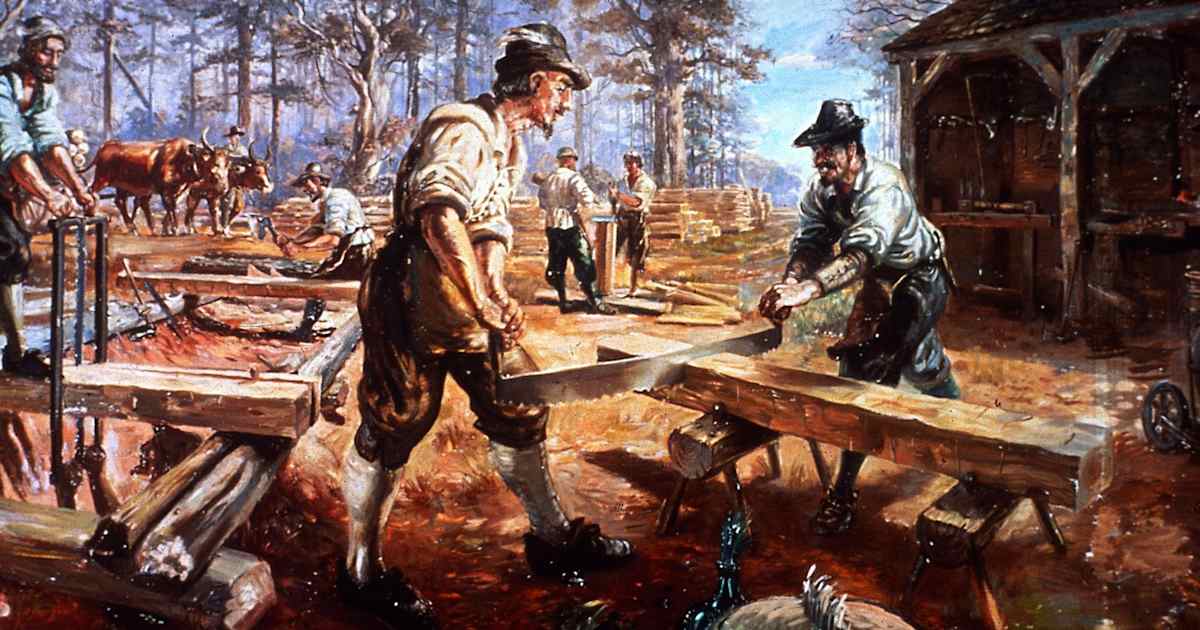
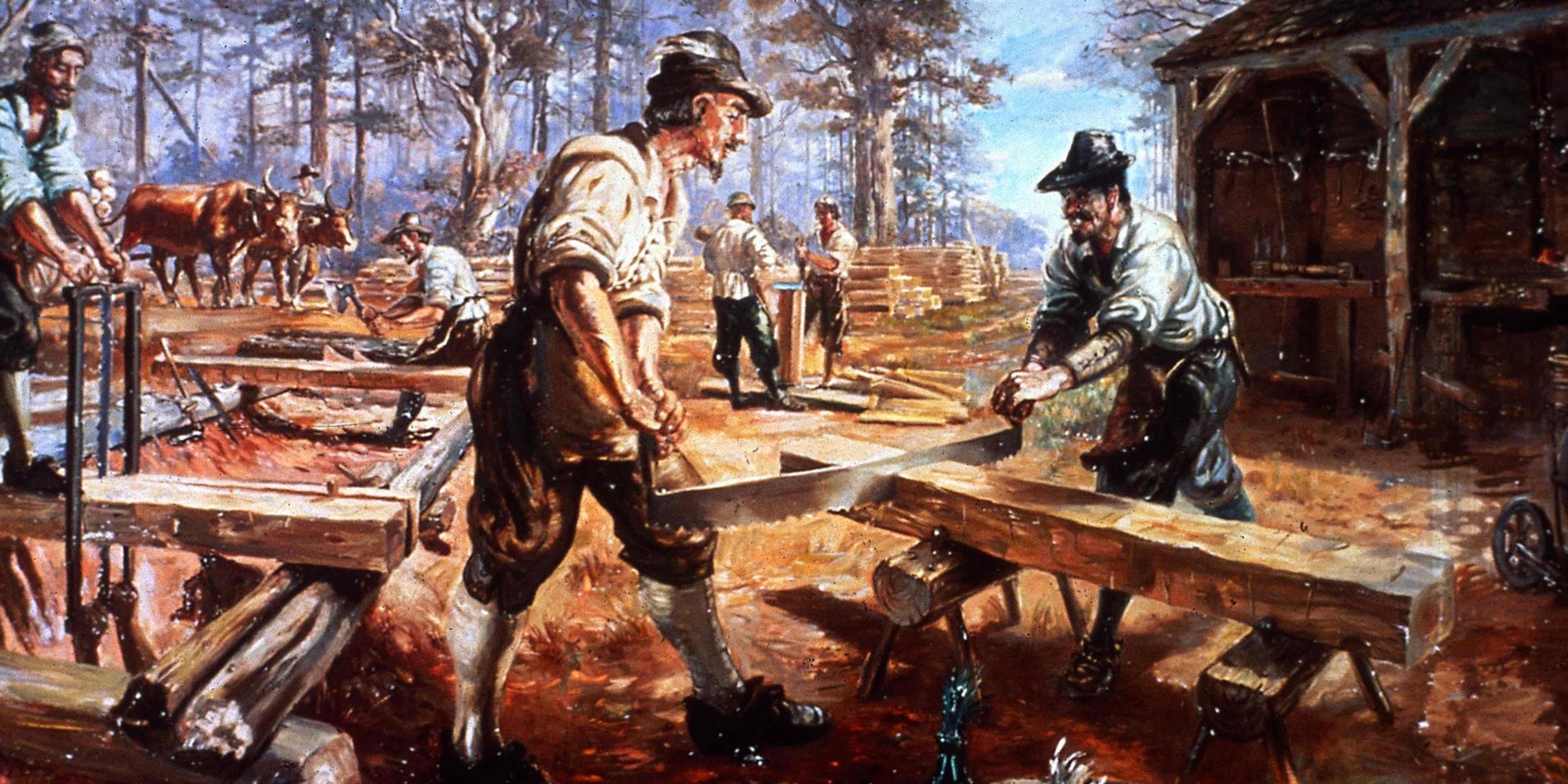
The period stretching from the founding of Jamestown in 1607 to the signing of the Declaration of Independence in 1776 was characterized by radical adaptation. Early colonists arrived on North American shores with chests packed with European goods, only to realize that the raw, untamed environment demanded different tools and skills. Survival in Colonial America was not guaranteed; it required adjusting European traditions to the realities of a new climate, unfamiliar agricultural conditions, and a distinct lack of local manufacturing infrastructure.
Under the economic system of British mercantilism, the American colonies were designated as suppliers of raw materials (such as timber, tobacco, and iron ore) and consumers of finished British imports. The Crown actively discouraged, and in some cases outlawed, the manufacturing of finished goods within the colonies through laws like the Navigation Acts and the Iron Act of 1750. This created a persistent scarcity of household goods, forcing everyday colonists—including yeoman farmers, skilled artisans, indentured servants, and enslaved laborers—to become masters of domestic production and repair. Every object in a colonial household had to serve a practical purpose, and nothing was ever thrown away.
Chronology of Colonial Material Culture and Self-Reliance
- 1607–1640s: The Survival Era — Early settlers rely heavily on imported European goods. Primitive shelters are furnished with basic wooden trenchers, imported iron pots, and basic hand tools. Survival hinges on adapting to native crops like maize.
- 1650s–1700s: Localized Crafting and Stabilization — As colonial populations grow, localized industries emerge. Blacksmiths, coopers, and weavers set up shops. Everyday objects like hornbooks for children and hand-carved wooden wool cards become commonplace in domestic spaces.
- 1715: The Dawn of Colonial Innovation — Sybilla Masters, a Quaker woman from Philadelphia, designs an innovative mill to process maize. She travels to London, where her invention is granted a patent by King George I—marking the first patent issued to an American colonist.
- 1760s–1775: The Revolutionary Material Shift — Following a series of British taxes (such as the Stamp Act and Townshend Acts), colonists organize boycotts of British goods. Domestic production shifts from a chore to a patriotic duty. “Homespun” garments made with domestic wool cards and spinning wheels become symbols of liberty.
13 Everyday Objects of Colonial America
Despite the challenges of their era, colonists designed and utilized ingenious tools to make daily life more manageable, comfortable, and orderly. Here are 13 objects that were staples in homes during the colonial period.
1. The Leather Fire Bucket
In the 17th and 18th centuries, fire was a constant and devastating threat to colonial towns, which were built almost entirely of wood and heated by open hearths. Long before the advent of municipal fire departments, putting out blazes was a collective community obligation. Almost every household was legally required to keep heavy, oiled leather fire buckets hanging near the front door. When an alarm sounded, the entire community formed a double line—one side passing water-filled buckets from the nearest well or river to the fire, and the other passing empty buckets back to be refilled.
2. The Agricultural Flail
To survive, colonial families relied on grain crops like wheat, rye, and barley. Harvesting these crops required intense manual labor. The agricultural flail was a deceptively simple yet vital tool consisting of two wooden shafts—a long handle and a shorter, heavier piece called a swingle or swipe—connected by a flexible leather strap or short chain. Farmers used the flail to beat harvested sheaves of grain on a barn floor, manually separating the edible seeds from the tough outer husks (chaff) in a process known as threshing.
3. Domestic Candles (Tallow, Bayberry, and Spermaceti)
Before electric grids, illuminating the colonial home after sundown was an expensive and laborious task. The poorest households relied on smelly tallow candles, made by melting down saved animal fat from cattle or sheep. The process of dipping tallow candles was smelly and tedious, and the resulting candles burned with a smoky, dim light. A more pleasant, though labor-intensive, alternative involved boiling the berries of the wild bayberry bush to skim off a fragrant, greenish wax. For the wealthy, the ultimate luxury was the spermaceti candle, crafted from a waxy substance harvested from the head cavity of sperm whales, which burned incredibly bright and odorless, driving the early American whaling industry.
4. Wool Cards
With British imports restricted or heavily taxed, clothing a colonial family required starting from scratch. After shearing sheep, the raw wool was tangled, dirty, and full of debris. Colonists used wool cards—two flat, rectangular wooden paddles lined with hundreds of fine wire teeth—to prepare the fibers. By pulling the wool back and forth between the cards, they aligned the fibers in a single direction, creating a soft, untangled roll of wool called a rolag, which was then ready to be spun into yarn on a spinning wheel.
5. The Hornbook
Education was highly valued in many colonial communities, particularly in New England where reading the Bible was considered essential for spiritual salvation. To teach children their letters, educators used a hornbook. This was not a book at all, but rather a paddle-shaped piece of wood, bone, or leather. A piece of paper containing the alphabet, simple syllables, and the Lord’s Prayer was pasted onto the paddle. To protect the paper from dirty, wet fingers, it was covered with a thin, transparent pane of animal horn that had been softened in water, heated, and peeled into a clear sheet.
6. The Needlework Sampler
While boys were often taught trades, writing, and mathematics, young colonial girls were expected to master the domestic arts. A young girl’s education almost always included creating a needlework sampler. Stitched onto a square of linen cloth, the sampler allowed girls to practice various embroidery stitches, lettering, numbers, and decorative patterns. These samplers were far more than simple practice pieces; they served as a showcase of a young girl’s skill, patience, and moral education, often featuring religious verses, family records, and elaborate depictions of nature.
7. The Whirligig
Colonial children did not have access to factory-made toys, so they relied on simple, handmade playthings crafted from scrap materials. The whirligig was an incredibly popular and simple toy made from a flat, circular disc—often fashioned from a spare coat button, a piece of bone, or clay—with a loop of string threaded through its center. By holding the ends of the string and pulling them tight and loose in a rhythmic pattern, children could make the disc spin rapidly, producing a satisfying whirring and buzzing sound.
8. The Pomander
Sanitation in colonial times was primitive, and indoor air could quickly become foul-smelling, especially during the winter when homes were sealed against the cold. To combat bad odors and ward off disease (which people believed was spread by foul air, or miasma), colonists relied on the pomander. Originating in medieval Europe, a colonial pomander was typically made by studding a whole orange or apple with dried cloves, rolling it in ground spices, and letting it dry. Hung from ribbons in closets or around the hearth, these aromatic spheres filled the home with a pleasant, spicy scent.
9. The Bed Warming Pan
Colonial winters were notoriously brutal, and drafty wooden homes offered little protection from freezing nighttime temperatures. To avoid climbing into icy bedsheets, families used a warming pan. This tool consisted of a circular metal pan—usually made of brass or copper—attached to a long wooden handle. The pan was filled with hot embers or coals from the fireplace, closed securely, and slid rapidly back and forth between the bedsheets to pre-heat the mattress and blankets before sleep, taking care not to scorch the fabric.
10. The Salt Cellar (Standing Salt)
Salt was an indispensable resource in early America, crucial not only for flavoring food but also for preserving meat and fish to survive the long winter months. Because of its value, the salt cellar (or “standing salt”) was placed in the center of the dining table as a prized centerpiece. In keeping with European traditions, the salt cellar served as a literal marker of social status. Honored guests and the heads of the household sat “above the salt” (at the head of the table near the salt cellar), while children, servants, and less prestigious guests sat “below the salt” at the far end of the table.
11. Sugar Cutters (Sugar Shears)
In the 18th century, granulated sugar was not sold in convenient bags. Instead, refined sugar was imported from the West Indies in hard, solid cones or loaves that could weigh up to ten pounds. To use the sugar, housewives utilized heavy iron sugar cutters (or sugar shears) to pry off small chunks from the loaf. These hard chunks were then placed in a mortar and pestle to be ground down into fine granules for baking or dropped directly into cups of tea.
12. The Wooden Trencher
At a typical colonial dinner table, meals were served on a trencher—a thick, rectangular wooden plate with a shallow bowl hollowed out of the center. In poorer households, a single trencher was often shared between two family members. Because metal utensils were expensive imports, forks did not become common on colonial tables until the mid-to-late 18th century. Instead, colonists ate their meals primarily with their hands, knives, and simple wooden spoons, wiping their hands on shared table cloths.
13. The Pocket Sundial and Noon Marks
Mechanical clocks and pocket watches were expensive luxuries imported from Europe, far out of reach for the average farmer. To keep track of the day, colonists looked to the sky. Many relied on portable sundials made of brass or wood, which could be carried in a pocket to tell time by the shadow cast by the sun. Alternatively, many families carved permanent “noon marks” directly into their kitchen window sills or doorways. When the sun’s shadow hit the marked line, the family knew it was exactly midday.
Socio-Political Context: British Mercantilism and Turning Points
The reliance on these everyday, handmade tools was deeply tied to the broader socio-political struggles of the era. Under British mercantile policies, the colonies were intentionally kept industrially underdeveloped. This economic chokehold was designed to ensure that the colonies remained dependent on British factories. However, this policy backfired by fostering a unique culture of domestic resourcefulness and adaptability among the colonists.
This domestic self-sufficiency reached a major turning point in the 1760s with the introduction of the Stamp Act and Townshend Acts. When colonists resolved to boycott British goods in protest of “taxation without representation,” the domestic sphere became highly politicized. Women organized “spinning bees,” gathering in public squares to spin wool and weave homespun cloth. Tools that had once been symbols of simple domestic labor—like wool cards, looms, and spinning wheels—were transformed into powerful symbols of patriotic defiance and political independence. By making their own goods, the colonists proved they did not need the British Empire to survive.
Key Figures: Innovators and Observers of Colonial Material Life
The history of colonial material culture is illuminated by individuals who sought to improve daily efficiency through innovation:
Sybilla Masters (c. 1676–1720)
A resident of Philadelphia, Sybilla Masters observed Native American women pounding maize with heavy wooden poles. Recognizing the inefficiency of traditional European millstones for processing colonial corn, she designed a mechanical mill that used automated hammers to stamp the grain into meal. Because colonial women were barred from holding patents under English law, the patent (issued in 1715) was registered in her husband Thomas’s name, though the documentation explicitly credited Sybilla with the invention, making her the first documented female inventor in American history.
Benjamin Franklin (1706–1790)
Famed diplomat and scientist Benjamin Franklin was also a champion of everyday domestic improvement. He analyzed the inefficiency of colonial fireplaces—which lost most of their heat up the chimney—and invented the Franklin Stove (or Pennsylvania fireplace) in 1741, which radiated heat much more effectively. Through his widely circulated publication, Poor Richard’s Almanack, Franklin also shared practical recipes and tips for optimizing household tools, encouraging a culture of continuous physical improvement in daily life.
Long-Term Impact: From Homespun to Industrial Revolution
The domestic resourcefulness of the colonial era left a lasting imprint on the American character and economy. The early necessity of making and repairing one’s own tools established the enduring cultural mythos of “Yankee ingenuity” and pragmatic self-reliance. When the United States finally won its independence, this deeply ingrained culture of hands-on innovation allowed the young nation to transition rapidly into its own industrial powerhouse.
The domestic spinning and weaving networks established during the pre-Revolutionary boycotts laid the social and technical foundations for the first American textile mills. By the late 18th century, innovators like Samuel and Hannah Slater began mechanizing the very processes—like spinning and carding wool—that colonial families had performed by hand for generations, setting off the American Industrial Revolution.
Lesser-Known Facts About Colonial Material Life
- The Smelly Reality of Tallow: Tallow candles, made from animal fat, smelled so terrible and produced so much soot that candle-making (chandlery) was legally banned from residential areas in several major European and early colonial towns due to the offensive odor of melting fat.
- Forks Were Deemed “Sinful”: When forks were first introduced to the colonies in the 17th century, some conservative religious leaders condemned them, arguing that God gave humans fingers to eat with and that using a multi-pronged metal utensil was an insult to nature.
- The Origin of “Hornbook”: The horn used in hornbooks was not ground up. Instead, cows’ horns were soaked in water for weeks to separate the layers, heated over a fire, and pressed flat under heavy weights to create a thin, transparent plastic-like sheet.
Why It Still Matters Today
In our modern era of instant digital convenience, automated manufacturing, and disposable plastic consumer goods, exploring the everyday objects of Colonial America is highly grounding. These objects remind us of the immense physical effort required to secure basic human needs like light, warmth, and food. By understanding the simple tools of the past, we gain a deeper appreciation for the complex labor that built modern society and can find inspiration in the sustainable, repair-oriented, and community-minded lifestyle of early Americans.
People Also Ask
What were the most common tools in a colonial kitchen?
Colonial kitchens centered around the open hearth. Common tools included heavy cast-iron Dutch ovens, rotating spits for roasting meat, long-handled warming pans, wooden trenchers for serving, sugar cutters, and mortar and pestle sets for grinding spices and sugar.
How did colonial children play without modern toys?
Without plastic or electronic toys, children made playthings from household scraps. Popular items included whirligigs (made from string and buttons), carved wooden dolls, cup-and-ball games, and simple rag dolls. Children also played outdoor games like hoop rolling, tag, and hopscotch.
What is the history behind “sitting above the salt”?
In medieval Europe and Colonial America, salt was a precious commodity. The master of the house placed a large salt cellar in the middle of the table. Honored guests sat near the host, “above the salt,” while children, servants, and lower-status guests sat further down the table, “below the salt.”
Why did colonists use hornbooks instead of real books?
Paper and books were incredibly expensive and rare in the colonies. A hornbook was durable, virtually indestructible, and could be handed down through generations of children without the risk of the paper tearing, rotting, or getting ruined by dirty fingers.
Conclusion
The material culture of Colonial America reveals a society defined by grit, adaptability, and communal spirit. From the leather fire buckets kept by the front door to the humble wooden trenchers on the dinner table, these thirteen objects illustrate how early Americans transformed everyday challenges into opportunities for survival and connection. Ultimately, these practical tools did more than just make daily life manageable; they helped shape the resilient, independent character of a nation on the brink of independence.


