Gouverneur Morris remains one of the most enigmatic, brilliant, and spectacularly eccentric figures of the American founding generation. Often overshadowed by contemporaries like Thomas Jefferson or Alexander Hamilton, Morris was the true “Penman of the Constitution,” responsible for its literary elegance and the immortal, unifying preamble, “We the People.” Yet, behind his formidable intellect and statesmanlike achievements lay a deeply complex individual—a charming, peg-legged aristocrat, an unyielding opponent of slavery, and a daring diplomat who survived the bloodiest days of the French Revolution. From his tragic and bizarre self-medical procedure to his legendary status as an unabashed romantic, Morris lived a life defined by sharp wit, painful physical trials, and a radical commitment to a strong, unified United States. Understanding his legacy is not just an exercise in historical trivia; it reveals how a single, fiercely independent mind helped forge the structural, constitutional, and physical foundations of modern America.
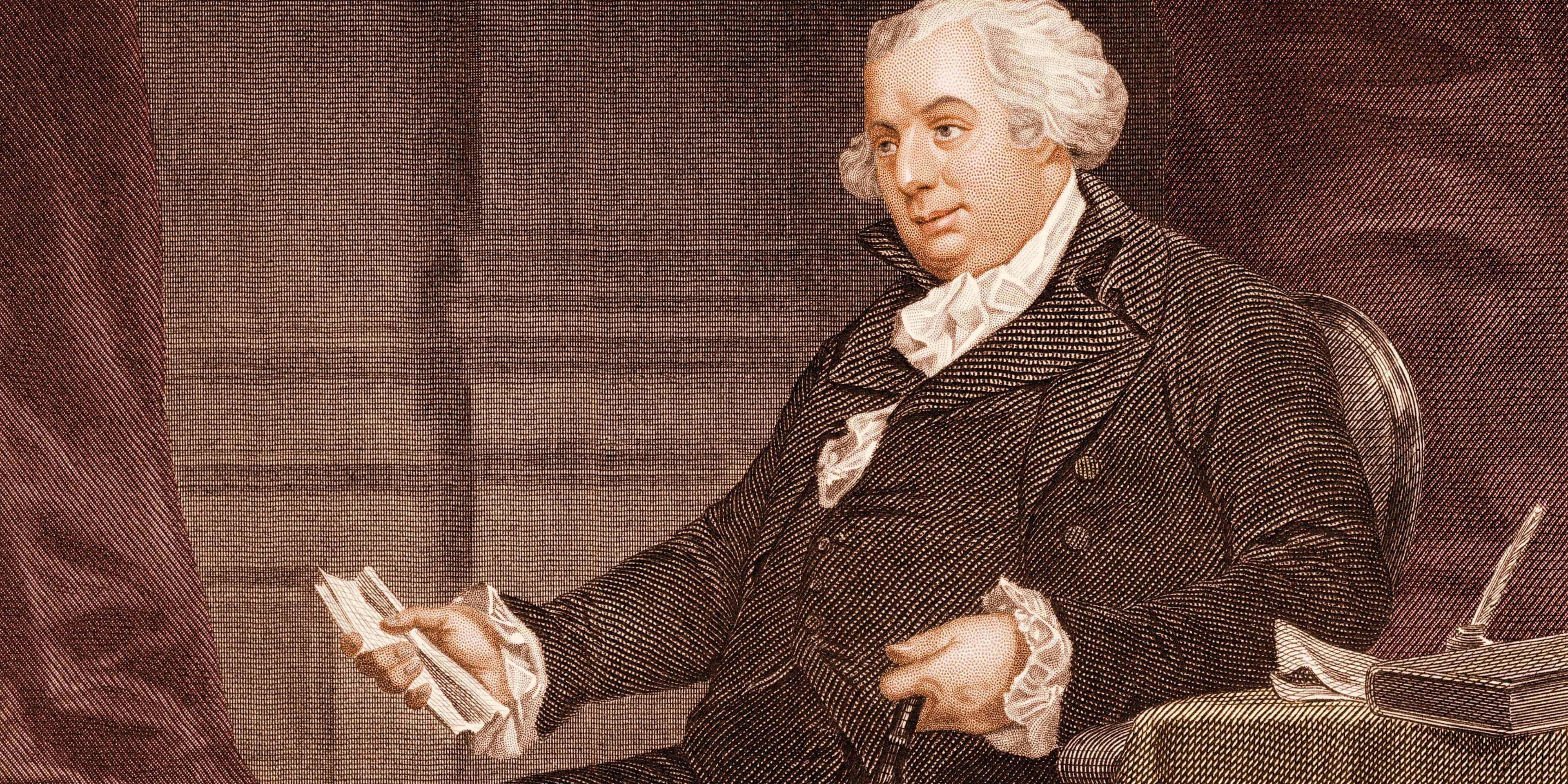
Historical Background: The Aristocratic Patriot
Gouverneur Morris was born on January 30, 1752, at Morrisania, his family’s vast ancestral estate located in what is today the South Bronx, New York. Born into a wealthy landowning dynasty of French Huguenot and English descent, Morris was bred for the colonial elite. This aristocratic world emerged from the establishment of the original 13 colonies, where prominent families held massive tracts of land and exercised immense local authority. Despite this conservative upbringing, young Morris was a brilliant scholar, entering King’s College (now Columbia University) at the tender age of twelve and graduating at sixteen.
When tensions boiled over between Great Britain and the colonies, Morris faced a profound personal dilemma. His family was deeply divided: his mother, Sarah, was a staunch Loyalist who allowed British troops to occupy Morrisania; his half-brother served as a general in the British military; and two of his sisters married Loyalists. Yet, following the Battles of Lexington and Concord in April 1775, Morris cast his lot with the revolutionary Patriots. This aligned him with his other half-brother, Lewis Morris, a signer of the Declaration of Independence. This bold decision cost him dearly, leaving him temporarily homeless and estranged from much of his family for the duration of the war.
Key Events Timeline of Gouverneur Morris
- January 30, 1752: Born at the Morrisania estate in New York.
- 1768: Graduates from King’s College and begins studying law under William Smith.
- 1775: Elected to the New York Provincial Congress, supporting the revolutionary cause.
- 1777: Helps draft the first state constitution of New York, successfully fighting for religious toleration.
- 1778: Serves as one of the youngest delegates to the Continental Congress, signing the Articles of Confederation.
- 1780: Loses his left leg below the knee following a devastating carriage accident in Philadelphia.
- 1781–1785: Serves as Assistant Superintendent of Finance, proposing the decimal coinage system that shaped the U.S. dollar.
- 1787: Represents Pennsylvania at the Constitutional Convention; speaks more than any other delegate and drafts the final text of the U.S. Constitution.
- 1792–1794: Appointed by George Washington as Minister to France, witnessing the Reign of Terror.
- 1800–1803: Represents New York in the United States Senate.
- 1807–1811: Chairs the commission that designs Manhattan’s iconic street grid system.
- 1810–1816: Leads the Erie Canal Commission, driving the construction of the revolutionary waterway.
- November 6, 1816: Dies at Morrisania following internal injuries from a self-inflicted medical mishap.
The Penman of the Constitution & The Anti-Slavery Champion
The Constitutional Convention of 1787 in Philadelphia was a far more sober, intensely intellectual affair than the chaotic, rowdy, and political environments of early American elections. Inside the closed doors of Independence Hall, delegates wrestled with the monumental task of designing a functional republic. Despite missing a full month of the proceedings, Morris proved to be the most talkative and persuasive orator in attendance. He delivered a staggering 173 speeches—surpassing constitutional heavyweights James Wilson (168 speeches) and James Madison (161 speeches).
Most remarkably, Morris was one of the very few delegates to launch a blistering, moral crusade against slavery on the convention floor. He denounced the institution as a “nefarious” curse that brought poverty and desolation, challenging the Southern delegates who demanded representation for their enslaved populations while denying them basic human rights. “Are they men?” Morris demanded. “Then make them citizens, and let them vote. Are they property? Why, then, is no other property included?”
When the convention drew to a close, Morris was selected for the five-man Committee of Style and Arrangement. The arduous task of distilling, organizing, and polishing the raw, legalistic resolutions of the convention fell almost entirely to him. Over the course of just four days, Morris transformed a dry, clunky document into a masterpiece of political literature. His crowning achievement was rewriting the Preamble. Instead of listing every individual state from north to south, Morris penned the immortal words: “We the People of the United States…”—instantly defining a single, unified national identity rather than a loose league of sovereign states.
The Peg-Legged Diplomat and the Reign of Terror
In 1789, Morris traveled to Paris on business, and in 1792, George Washington appointed him Minister to France. His diplomatic tenure coincided directly with the bloodiest, most chaotic phase of the French Revolution. While other foreign diplomats fled the city in terror, Morris remained. He witnessed the storming of the Tuileries, the execution of Louis XVI, and the brutal excesses of the Reign of Terror.
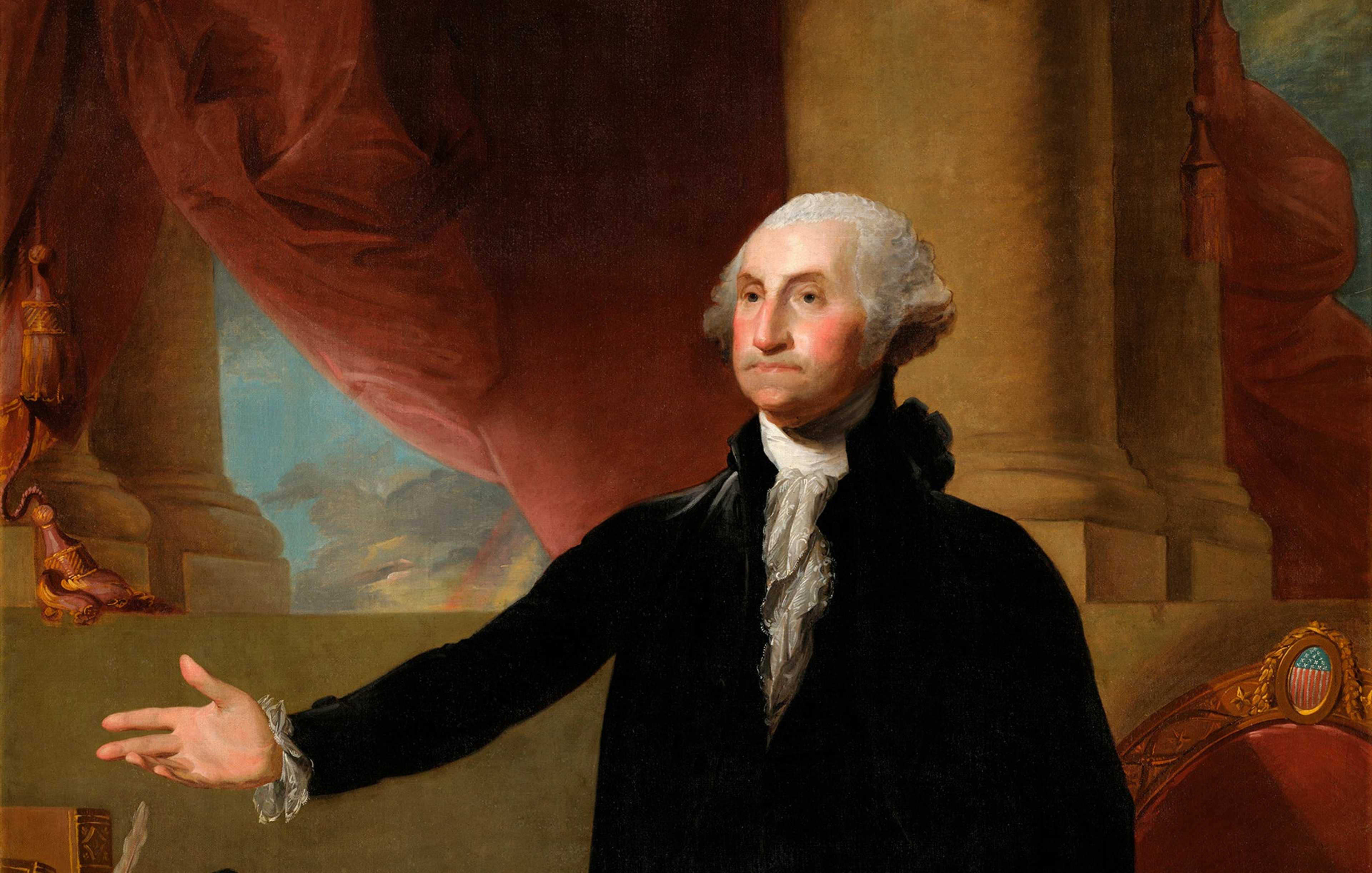
Morris used his diplomatic immunity to shield aristocratic friends, harbor refugees, and even help plan the failed escape of the French royal family. His legendary wit saved his own life on at least one occasion. When an angry French mob surrounded his carriage, accusing him of being an aristocrat and threatening to hang him from a lamppost, Morris did not panic. He calmly unstrapped his wooden peg leg, waved it over his head, and shouted to the crowd that he was an American patriot who had lost his limb fighting for the cause of liberty. The mob erupted in cheers and escorted him safely on his way.
While navigating this diplomatic minefield, Morris also pursued a passionate, three-year love affair with Comtesse Adélaïde de Flahaut, a brilliant novelist whose apartment was located inside the Louvre. This affair was made even more scandalous by the fact that Morris shared his mistress with Charles Maurice de Talleyrand, the famous French diplomat who would later negotiate the Louisiana Purchase with the United States.
Wartime Ally to George Washington
Morris’s political influence was deeply rooted in his personal relationship with George Washington. During the darkest days of the Revolutionary War, Morris visited the Continental Army camp at Valley Forge in 1778. Shocked by the “naked starving Condition” of the soldiers, Morris returned to the Continental Congress as Washington’s fiercest advocate, working tirelessly to secure the funding and supplies the military desperately needed.
While historians often debate the military leadership of the early revolution and who commanded the Continental Army before Washington assumed control, there was no doubt in Morris’s mind that Washington was the singular figure capable of holding the fragile army together. Their bond was lifelong; Morris became Washington’s trusted advisor, acted as his personal purchasing agent in Europe, and ultimately delivered the first president’s funeral eulogy.
Architect of Modern New York: The Grid and the Erie Canal
After retiring from federal politics, Morris turned his visionary intellect toward shaping the physical future of his home state. In 1807, he was appointed to lead a three-man commission tasked with managing the explosive growth of New York City. The commission devised the iconic Manhattan grid system, establishing 12 parallel avenues intersected by 155 right-angled streets. Morris pragmatically argued that “straight-sided and right-angled houses are the most cheap to build, and the most convenient to live in,” a design that defined the modern layout of the world’s financial capital.
Furthermore, Morris was instrumental in the creation of the Erie Canal. He envisioned a waterway connecting the Atlantic Ocean to the Great Lakes as early as the 1790s. As chairman of the Erie Canal Commission, he successfully pushed for a longer, bolder route that bypassed Lake Ontario and connected directly to Lake Erie, turning New York into an economic powerhouse and opening up the American Midwest to global trade.
Lesser-Known Facts and Eccentricities
- The Tragic Self-Surgery: In the fall of 1816, suffering from a severe urinary tract blockage, Morris attempted to clear the obstruction himself using a piece of whalebone as a catheter. The crude procedure caused massive internal injuries and infection, leading to his agonizing death on November 6, 1816.
- The Balcony Legend: While the official story was that Morris lost his left leg in a 1780 carriage accident, persistent rumors in Philadelphia suggested he actually mangled his leg jumping from a mistress’s bedroom balcony to escape an angry husband. This prompted his friend John Jay to humorously remark that he wished Morris “had lost something else”.
- The Decimals of the Dollar: Working alongside Robert Morris in the 1780s, Gouverneur Morris was the financial wizard who devised the decimal system for American coinage. He also coined the term “cent” to represent a hundredth of a dollar.
Why His Legacy Still Matters Today
Gouverneur Morris’s contributions continue to shape our daily lives in ways that few appreciate. The precise, elegant phrasing of the U.S. Constitution has been analyzed for over two centuries by legal scholars, judges, and citizens. His insistence on a strong national government and his pioneering vision of a singular, united citizenship (“We the People”) laid the groundwork for America’s transition from a loose confederation to a global superpower. Moreover, his structural contributions—from the grid of Manhattan to the waters of the Erie Canal—laid the literal foundations of American economic dominance.
People Also Ask
Why is Gouverneur Morris called the “Penman of the Constitution”?
Morris earned this title because he was the member of the Committee of Style who physically drafted and polished the final text of the United States Constitution. He condensed the original draft, refined its language for clarity and elegance, and wrote the famous Preamble.
How did Gouverneur Morris lose his leg?
Historically, Morris lost his left leg below the knee due to a severe carriage accident in Philadelphia in 1780. However, rumor mills at the time insisted he broke it while jumping from a window to escape a jealous husband, as he was a well-known ladies’ man.
What were Gouverneur Morris’s views on slavery?
Morris was one of the most outspoken and passionate opponents of slavery at the Constitutional Convention of 1787. He vocally condemned it as a moral evil and argued against the political representation formulas that favored slaveholding states.
Conclusion
Gouverneur Morris was a brilliant contradiction—a wealthy aristocrat who championed revolutionary democracy, a peg-legged romantic who charmed the salons of Europe, and a practical statesman who shaped both the words of the Constitution and the physical streets of New York. His unwavering patriotism, sharp tongue, and visionary policies helped forge the soul of the United States. Though his name is sometimes forgotten in popular history, the enduring power of “We the People” remains a monument to his exceptional and eccentric genius.


