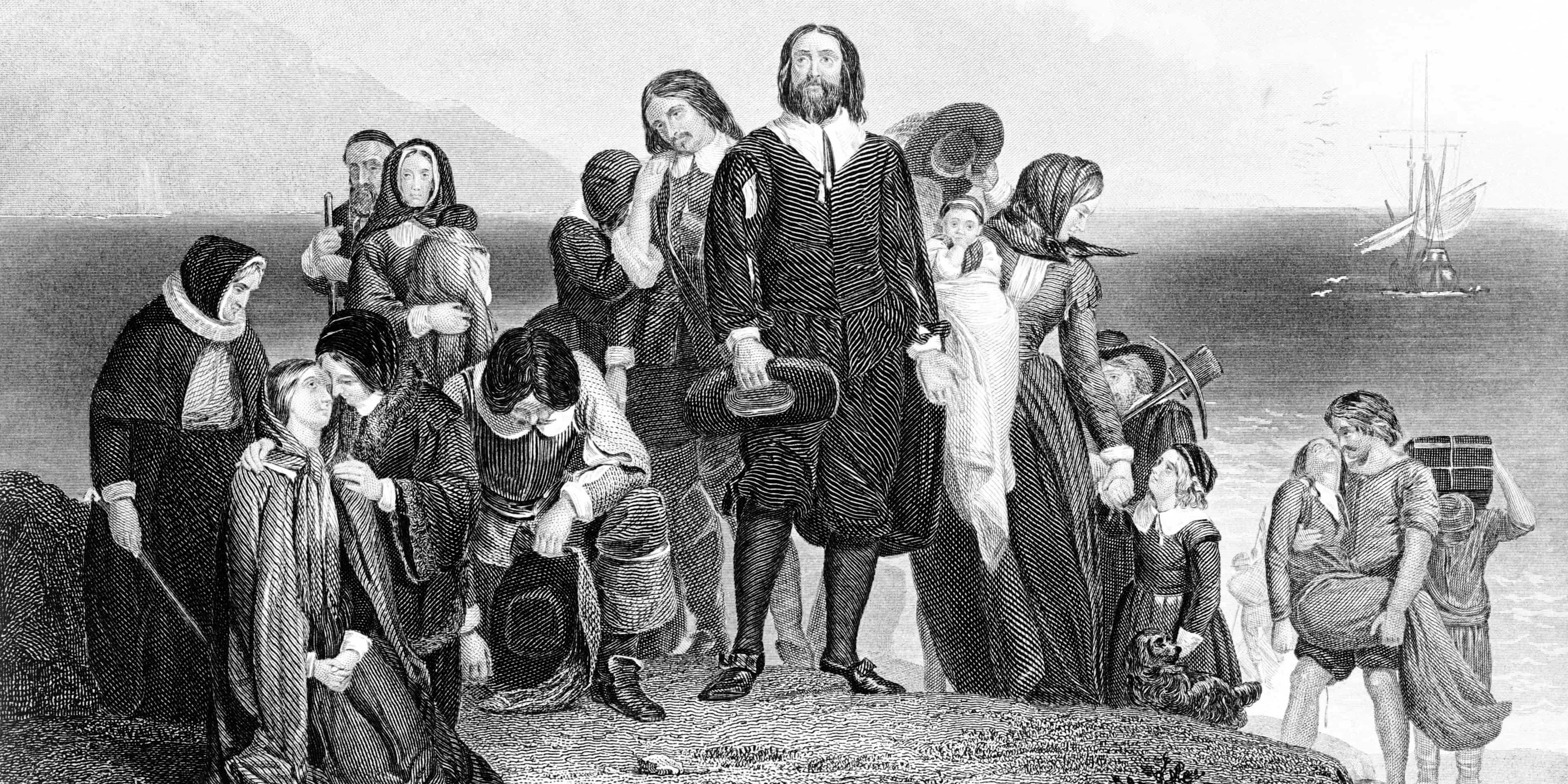
When we picture the Pilgrims, our minds often conjure up idealized imagery: solemn figures clad in black and white, sporting buckled hats, landing peacefully on Plymouth Rock to celebrate the first Thanksgiving. However, the true history of these 17th-century settlers is far more complex, chaotic, and fascinating than school textbooks typically suggest. Far from being a monolithic group of pious Puritans, the passengers of the Mayflower were a highly diverse crew of religious radicals, fortune seekers, and skilled laborers trying to survive at the edge of the known world. Understanding their real journey, their interactions with the indigenous Wampanoag people, and the political friction that nearly tore their colony apart before it even began is essential to understanding the roots of the American experiment.
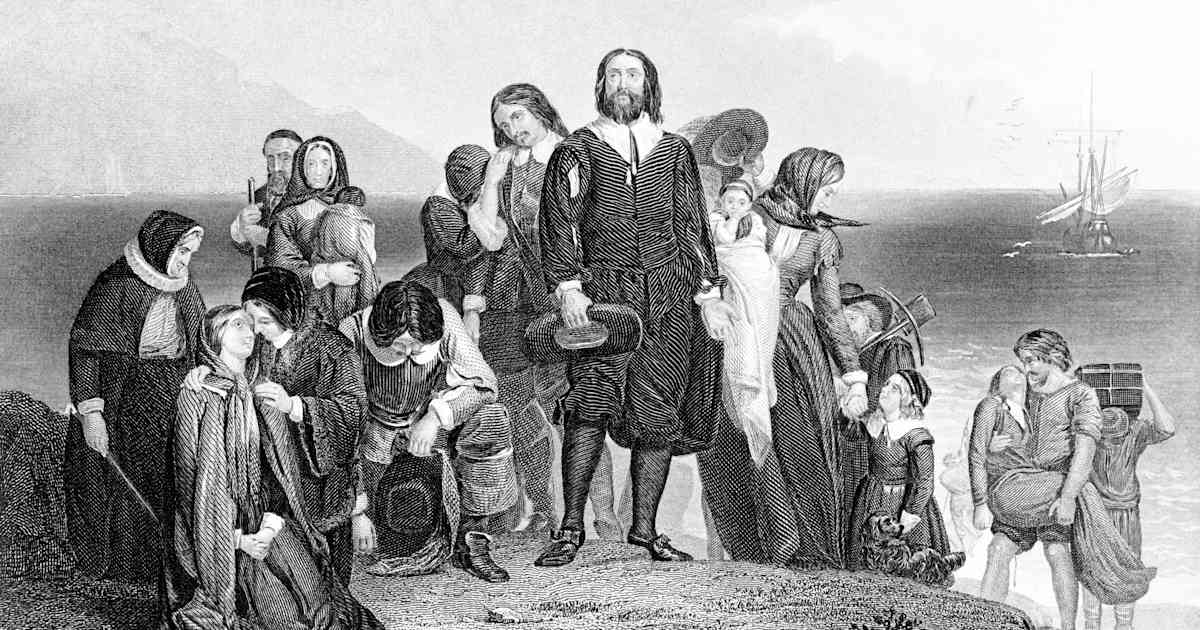
The Historical Background: Why They Left Europe
To understand the events of 1620, we must look at the religious and political turmoil of Jacobean England. During the reign of King James I, the Church of England was the state-mandated religion. While some reformists, known as Puritans, wished to purify the church from within, a more radical sect believed the church was beyond saving [WHY-DID]. These religious dissidents were called Separatists [WHY-DID]. Facing intense persecution, fines, and imprisonment, a group of Separatists fled to Leiden in the Netherlands around 1608, seeking religious tolerance. However, after a decade in exile, they feared losing their English identity and culture. This anxiety, combined with economic hardships, prompted their decision to cross the Atlantic. For a deeper look into their motives, we must ask: why did the Pilgrims come to America in the first place? It was not just for religious freedom, but also to build a self-sustaining community where they could maintain their cultural heritage and secure better economic opportunities for their children.
The Mayflower Passenger List: Saints, Strangers, and Hired Hands
One of the most common misconceptions is that everyone aboard the Mayflower was a religious dissident. In reality, the ship carried three distinct groups of passengers within its crowded hull. Only about half of the 102 passengers were religious Separatists, whom they referred to as Saints. To fund the expensive voyage and secure the colony’s survival, the Separatists had to partner with London merchants. These merchants recruited other passengers—whom the Separatists referred to as Strangers—who were sympathetic to the cause but primarily sought land, wealth, and adventure. Additionally, the ship carried hired laborers, craftsmen, and soldiers whose skills were vital for building a new settlement. Among these was John Alden, a young cooper hired to maintain the ship’s beer and water barrels, and Myles Standish, a seasoned soldier hired to manage the colony’s defense. This tense mixture of religious idealists and secular pragmatists made the miserable journey aboard the Mayflower an exercise in survival and diplomatic patience, as political divisions threatened to splinter the group even before they set foot on land.
Key Events Timeline: From England to New England
- 1608: English Separatists flee to Leiden, Netherlands, to escape religious persecution.
- July 1620: The Separatists leave Holland aboard the Speedwell, intending to meet the Mayflower in England.
- August 1620: After multiple delays caused by the Speedwell leaking, the settlers abandon the smaller ship and consolidate onto the Mayflower.
- September 16, 1620: The Mayflower sets sail from Plymouth, England, embarking on a grueling 66-day journey [THE-PILGRIMS].
- November 11, 1620: The ship sights land at Cape Cod, far north of their intended destination near the Hudson River [THE-MAYFLOWER]. The Mayflower Compact is signed [THE-MAYFLOWER].
- December 1620: After exploring the coast, the settlers decide to establish their colony at a site they named Plymouth [PLYMOUTH-COLONY].
- Winter 1620–1621: The “Great Sickness” claims the lives of nearly half of the passengers and crew [THE-PILGRIMS].
- Autumn 1621: The surviving settlers celebrate a successful harvest alongside Massasoit and members of the Wampanoag tribe, an event later idealized as the First Thanksgiving [PLYMOUTH-COLONY].
Important Figures of Plymouth Colony
Several key individuals shaped the trajectory of Plymouth Colony, leaving a lasting legacy on American history:
William Bradford
William Bradford was a core Separatist leader who served as the governor of Plymouth Colony for more than thirty years. His detailed journal, Of Plimoth Plantation, provides historians with the most comprehensive primary account of the colony’s early years, struggles, and interactions with Native Americans.
Stephen Hopkins
Stephen Hopkins was one of the most worldly and experienced passengers on the Mayflower. Ten years prior, Hopkins had survived a shipwreck in Bermuda while sailing to the Jamestown colony in Virginia [10-THINGS]. His incredible survival story back in England reportedly inspired William Shakespeare’s famous play The Tempest, with the character Stephano potentially named after him. Hopkins’ knowledge of the New World and indigenous cultures proved invaluable to the Plymouth settlers.
Tisquantum (Squanto) and Massasoit
Any accurate history of Plymouth must respectfully acknowledge the indigenous peoples who made the settlers’ survival possible. Tisquantum, a Patuxet Wampanoag man who spoke fluent English after being previously captured and enslaved in Europe, taught the Pilgrims how to cultivate native crops like corn and catch local fish. Massasoit, the sachem (leader) of the Wampanoag Confederacy, signed a crucial peace treaty with Governor John Carver, establishing a decades-long alliance born of mutual political and security needs [WHY-THE].
Major Turning Points: Navigating North and the Compact
The Pilgrims originally intended to settle near the mouth of the Hudson River, which was then part of the Virginia territory. However, treacherous shoals, severe winter weather, and dwindling supplies forced the Mayflower to anchor off the coast of Cape Cod instead. Because this northern territory lay outside the jurisdiction of their royal charter, some of the “Strangers” on board argued that they were no longer bound by any law, declaring they would use their own liberty [HOW-THE]. To prevent total anarchy, the colony’s leaders drafted a governing document while still aboard the ship. Discovering how the Mayflower Compact laid a foundation for democracy reveals its true historical weight: it was a landmark agreement to create a “civil body politic” based on the consent of the governed, proving to be one of the earliest steps toward self-governance in North America [HOW-THE, MAYFLOWER-COMPACT].
Lesser-Known Facts About the Pilgrims
1. They Didn’t Actually Name Plymouth
It is a common myth that the Pilgrims named their new home after their departure port of Plymouth, England. In reality, the region had been explored and mapped years earlier by Captain John Smith, who had already labeled the area “Plimoth” on his 1516 maps [PLYMOUTH-COLONY]. It was a pure historical coincidence that the Mayflower departed from Plymouth, England, and ended up landing in Plymouth, Massachusetts.
2. The Pilgrims Were Surprisingly Tolerant (Compared to the Puritans)
While the later Puritan settlers of Boston were notorious for their strict religious conformity and persecution of outsiders, the Pilgrims of Plymouth were remarkably hands-off. They never attempted to forcibly convert the Native Americans, nor did they force their non-Separatist neighbors to adopt their religious beliefs. Furthermore, they did not consider marriage to be a religious sacrament, viewing it instead as a civil contract outside of the church’s direct jurisdiction.
3. They Allowed Christmas Celebrations (For Others)
While the Separatists themselves did not believe in celebrating Christmas, viewing it as a pagan-influenced holiday with no biblical basis, they did not impose this ban on the “Strangers” or laborers. On the colony’s first Christmas in 1620, those who wished to work did so, while those who wished to observe the holiday were allowed to take the day off and celebrate as they pleased, demonstrating a surprising degree of early pragmatism.

The Long-Term Impact and Why It Matters Today
The legacy of the Pilgrims is deeply woven into the fabric of American identity, serving as both an inspiration and a cautionary tale. The Mayflower Compact introduced the revolutionary concept of self-rule and legal equality among citizens, laying the conceptual groundwork for the U.S. Constitution [HOW-THE]. However, the expansion of Plymouth Colony also marked the beginning of centuries of displacement and systemic devastation for the Indigenous populations of New England. Recognizing the dual nature of this history—celebrating the settlers’ resilience and democratic innovations while deeply respecting the heritage and historical trauma of the Wampanoag people—is vital for a comprehensive, modern understanding of America’s colonial origins.
People Also Ask (FAQs)
Who were the “Strangers” on the Mayflower?
The “Strangers” were the passengers recruited by the colony’s financial backers to provide essential trade skills, security, and labor. Unlike the “Saints” (Separatists), they did not make the journey for religious reasons, but rather for economic opportunity and land ownership in the New World.
Did the Pilgrims actually land on Plymouth Rock?
There is no contemporary historical evidence or mention in William Bradford’s writings that the Pilgrims ever stepped onto a specific rock when landing. The legend of Plymouth Rock did not emerge until over a century later in 1741, when a 95-year-old elder claimed his father had told him it was the exact landing spot [PLYMOUTH-COLONY].
How did the Pilgrims differ from the Puritans?
While both groups were English Protestants who opposed the practices of the Church of England, the Puritans wanted to reform or “purify” the church from within. The Pilgrims (Separatists) believed the church was too corrupt to save and demanded a complete, physical separation from it [WHY-DID].
Conclusion
The story of the Pilgrims is far richer than the simple folklore of buckles, turkeys, and landing stones. It is a nuanced narrative of survival, political compromise, and complex cross-cultural alliances. By separating historical myth from documented reality, we gain a much deeper appreciation for the real-world challenges, flaws, and achievements of the individuals who laid the early foundations of American society.


