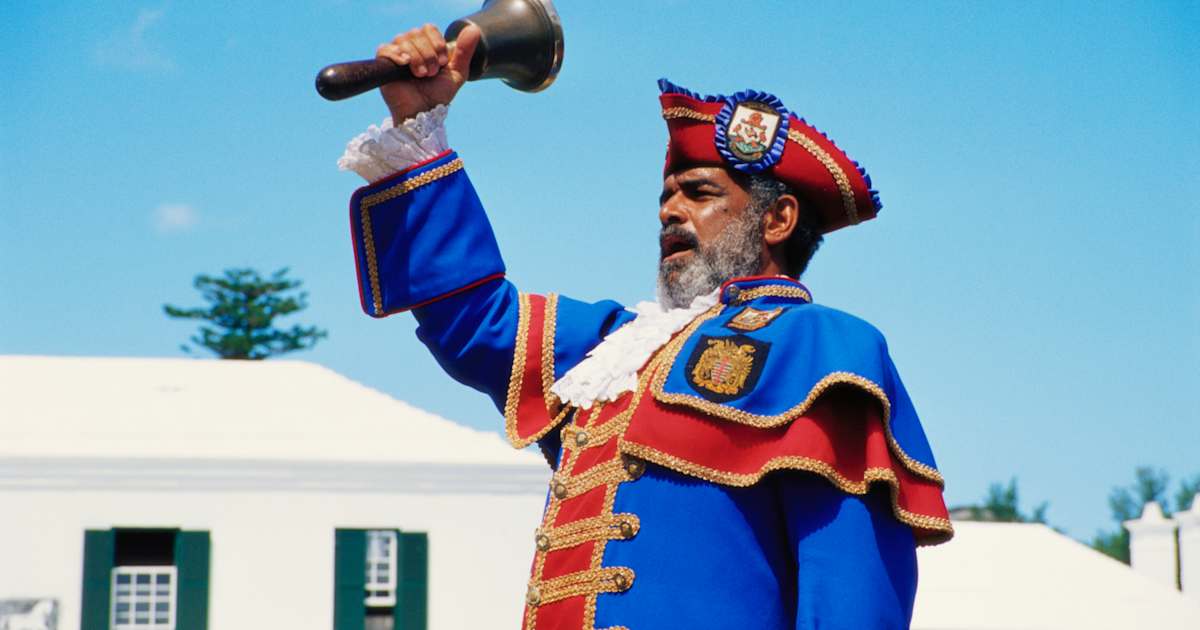
Imagine waking up in the morning and, instead of reaching for your smartphone to scroll through your social media feeds, you open your window to hear a booming voice echoing across the cobblestone streets. Long before the invention of the internet, radio, television, or even the widespread distribution of printed newspapers, communities relied on a living, breathing information hub to get their daily updates. These public figures, known as town criers, served as the original social media of their day. They did not just shout the news; they curated, filtered, and amplified the heartbeat of their communities, bridging the gap between local authorities and a largely illiterate populace. In early America, the town crier was a cornerstone of civic life, ensuring that vital proclamations, safety warnings, and commercial advertisements reached every ear in town.
Historical Roots: From Ancient Empires to Medieval Europe
The tradition of the town crier is ancient, tracing its origins back to the height of the Roman Empire. In ancient Rome, criers were employed to shout public business and state decrees during busy market days, which occurred every eight days. As the centuries progressed into the medieval period, the role of the town crier became highly formalized across Europe. Prior to the adoption of the iconic handbell, medieval criers often blew horns or beat drums to gather a crowd’s attention.
By the 15th and 16th centuries, European monarchs recognized the necessity of having reliable, literate messengers to communicate with their subjects. These criers were frequently retired military personnel who possessed the rare ability to read and write. They traveled ahead of royal parades, announced the arrival of merchant ships, declared new tax rates, and enforced local bylaws. Because they represented the crown, they were granted absolute legal protection. This is where the famous idiom “don’t shoot the messenger” originated. Harming a town crier was legally considered an act of treason against the monarch, punishable by death. These criers were essential for keeping order, even going so far as to yell daily reminders to citizens—such as a famous case in Goslar, Germany, where the crier warned residents not to dump waste into the river the day before water was drawn for brewing beer.
The Dawn of Town Criers in Colonial America
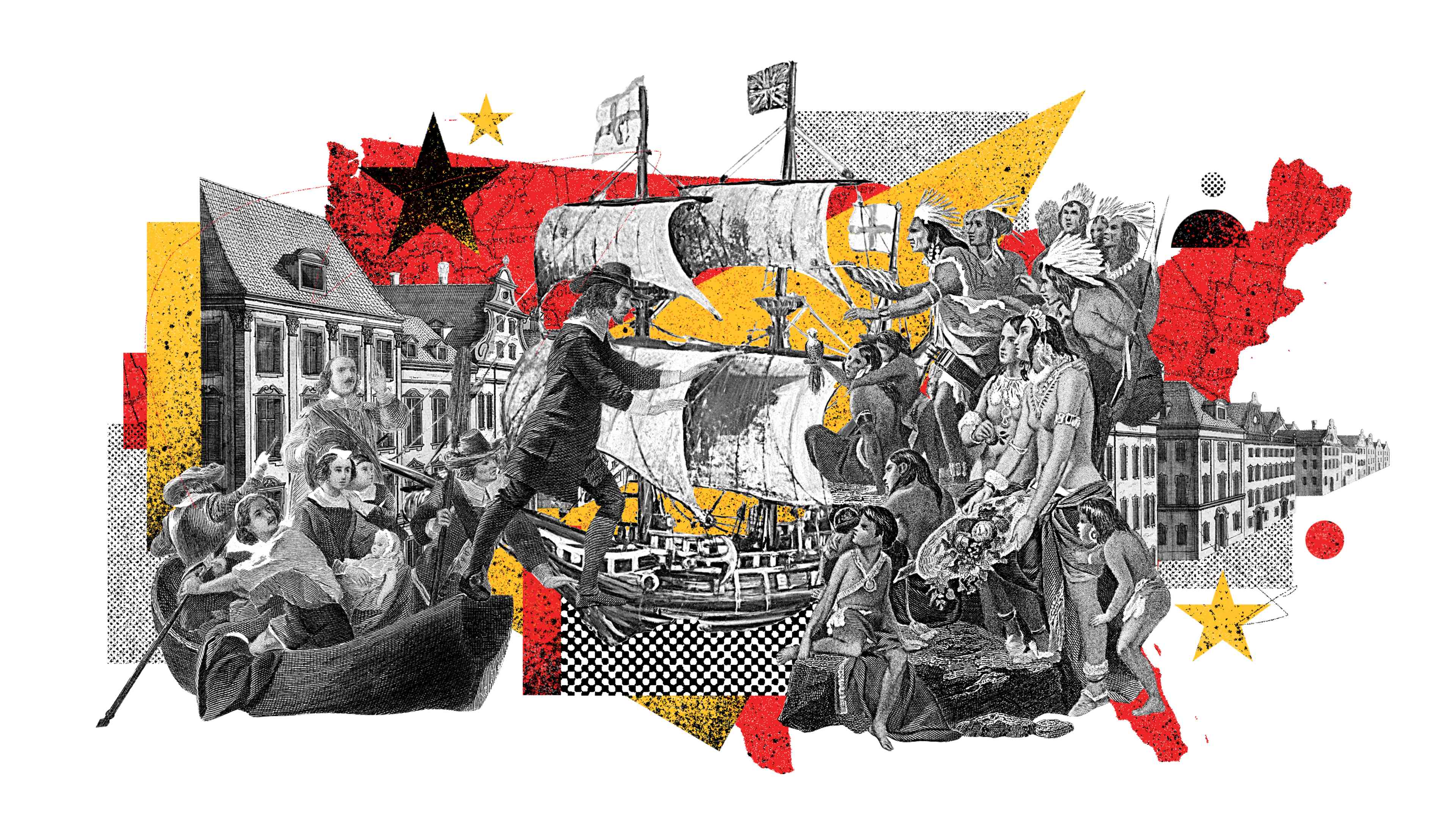
As British settlers crossed the Atlantic to establish a new life, they brought their cherished traditions and administrative systems with them. Once population centers grew large enough to incorporate, local governments officially hired town criers. Indeed, in influential colonial towns like Boston, Williamsburg, and Philadelphia, the town crier was a highly visible municipal figure. Because the average colonist could not read, these criers represented the sole channel of mass communication.
In the 17th century, town criers in Boston were initially elected by the townspeople as official public officers. By the 18th century, however, the system shifted, and town selectmen or assemblymen began appointing criers as paid municipal employees. Larger, bustling cities like Boston employed up to five criers at a time to cover different sectors, ensuring that news flowed continuously through the busy streets, taverns, and marketplaces.
Roles, Responsibilities, and Everyday Life in the Colonies
To modern observers, a town crier might seem like a simple news reader, but their historical duties were incredibly diverse. They were active, respectable community members who often held other jobs to support their families. Because they operated directly out of their homes, local citizens always knew exactly where to find them if they needed to publicize information.
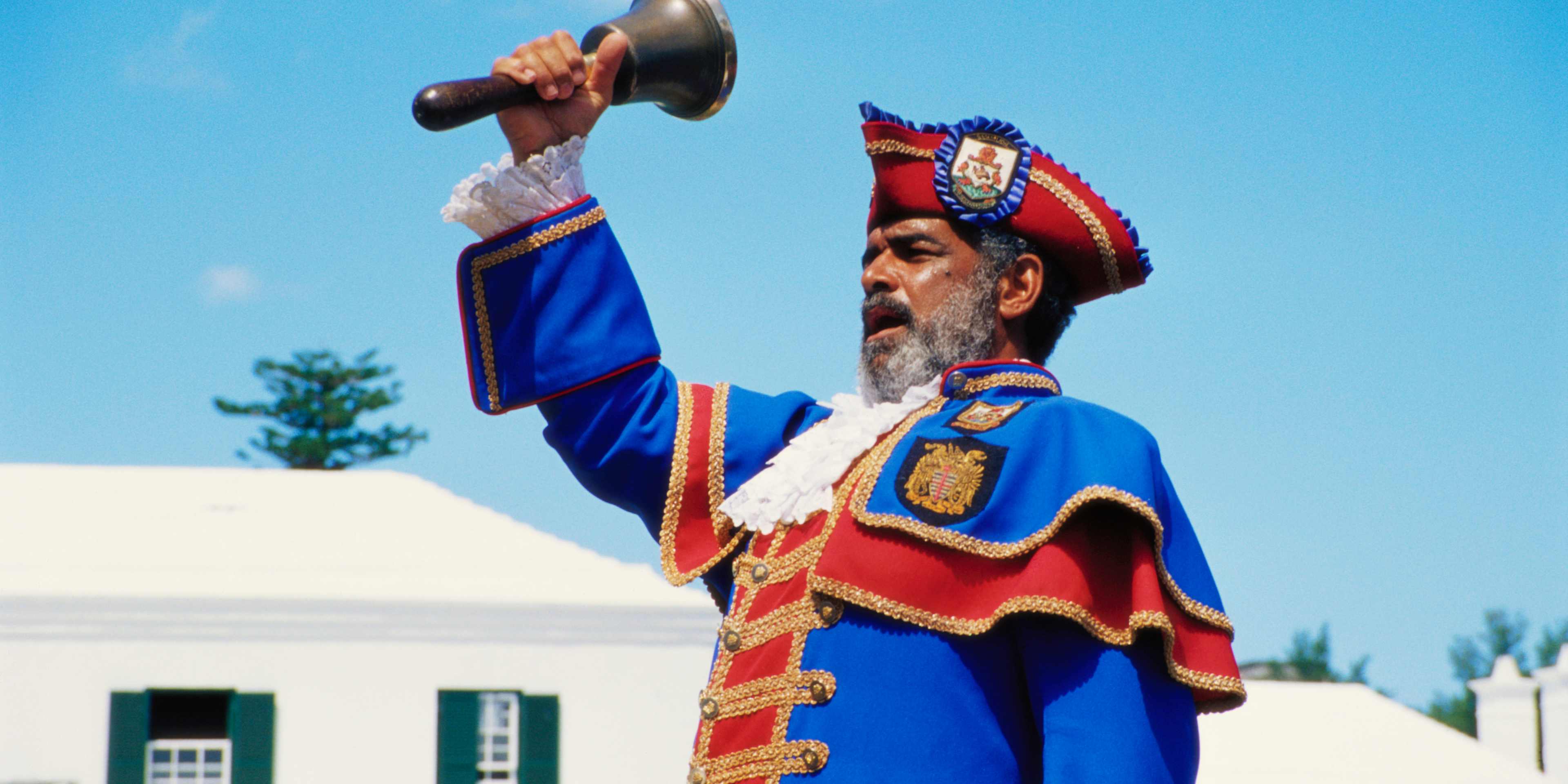
The crier’s primary tool was a heavy brass handbell, which became one of the most recognizable everyday objects of colonial America. They would stand in high-traffic areas, such as the town square or the central market, ring their bell vigorously, and shout the traditional call to attention: “Oyez! Oyez! Oyez!” (derived from the Anglo-Norman word for “Listen!” or “Hear ye!”).
In addition to announcing official government decrees, tax deadlines, and royal successions, town criers performed several vital community functions:
- The Lost and Found Department: Criers were legally required to keep detailed logs of lost and found items. If a valuable item went missing, or if a child became lost in the bustling market, the town crier would shout out descriptions to help reunite families and recover property.
- Commercial Advertising: To supplement their modest municipal salaries, criers belted out advertisements for local merchants. They specialized in “crying fish” or other highly perishable goods, alerting townspeople that a fresh shipment had just arrived at the docks and needed to be purchased immediately.
- Keeping the Peace and Timekeeping: Before clocks and pocket watches were affordable or common, the town crier acted as a living clock. They walked the streets at night, announcing the hour and declaring curfews. This acted as a vital security measure, letting residents know that it was time to lock their doors and extinguish their hearth fires for the night.
Literacy and Social Standing in the 13 Colonies
The reliance on town criers highlights a major reality of early American life: widespread illiteracy. This massive gap in literacy was a direct reflection of what school in the 13 colonies was actually like, where formal education was a luxury often reserved for the wealthy elite. With few formal schools and uneven educational standards, oral communication remained the golden standard for the masses.
Interestingly, the role of the town crier also provided unique opportunities for social mobility. While many criers were white, several free persons of color achieved prominence in this role. A notable example is Peter Logan, a man born into slavery who successfully purchased his own freedom. In 1816, Logan became the official town crier of Alexandria, Virginia. He was highly respected, operating a successful shoe-blacking business alongside his municipal duties and serving as the town piper during the holiday season. Similarly, in the 1850s, a formerly enslaved freeman named Levi Dust served as a beloved town crier in St. Louis, Missouri, proving that a commanding voice and public reliability could transcend rigid racial barriers of the era.
Timeline of the Bellman: Important Dates in the History of Town Criers
To understand how this profession evolved, we can look at the major milestones that shaped the history of public criers:
- 1066: The Bayeux Tapestry depicts two early bellmen, marking one of the earliest visual records of criers in Anglo-Saxon history following the Norman Conquest.
- 15th Century: European monarchs formalize the role of criers, granting them royal protection and establishing the “don’t shoot the messenger” legal standard.
- 1640s: The growing town of Boston elects its first municipal town criers, bringing the medieval British tradition to the New World.
- 1816: Peter Logan, a freed Black man, is appointed town crier of Alexandria, Virginia, showcasing the diverse faces of early American civic roles.
- 1850s: Levi Dust represents the St. Louis community as a prominent freeman crier, maintaining oral communication networks during a period of rapid urban expansion.
- 1926: The San Antonio City Council officially bans town criers due to traffic congestion and the rise of radio advertising.
- 1929: Julius Myers, the last traditional horse-riding town crier in the United States, passes away, signaling the end of an era.
The Decline: Technology, Literacy, and the Ban of 1926
By the early 19th century, the golden age of the town crier began to fade. The primary catalysts for this decline were the dramatic rise in public literacy rates and the emergence of cheap, mass-produced daily newspapers. As more Americans learned to read, they no longer needed to wait in the town square to hear the news chanted aloud.
However, the transition was gradual. In some factories, managers actually paid children to sit on elevated platforms and read the newspaper out loud to workers who were still illiterate—a fascinating intermediate step between oral criers and print media. Additionally, the iconic “newsboys” who stood on city street corners yelling “Read all about it!” were direct descendants of the town crier’s vocal traditions.
The definitive end of the traditional town crier in America is epitomized by the story of Julius Myers, widely known as “Megaphone Myers” of San Antonio, Texas. Up until the mid-1920s, Myers rode through the streets of San Antonio on his beloved horse, Tootsey, shouting out local news, baseball scores, and commercial advertisements through a large megaphone. However, as automobiles began to crowd the streets, the public grew irritated by the traffic delays caused by horse-riding criers. In 1926, the San Antonio City Council officially banned town criers. While Myers made a brief comeback under strict conditions—such as leaving his horse in the barn and only announcing baseball games—his death in September 1929 marked the official extinction of the historic American town crier.
Surprising and Lesser-Known Facts About Town Criers
The history of town criers is filled with fascinating anecdotes that display their cultural impact:
- A Royal Shield: The phrase “Don’t shoot the messenger” was not just a friendly suggestion; it was backed by the full power of the crown. Anyone who physically harmed a town crier was subject to immediate execution for treason.
- The Language of the Shouter: The word “Oyez” is actually a Norman-French term meaning “Hear ye!” Because England was ruled by French-speaking Normans for centuries, legal and civic terms remained heavily influenced by the French language long after English became the dominant tongue.
- Multi-Tasking Officers: In addition to reading the news, colonial criers often served as hogreeves (officers responsible for capturing stray pigs) or scavengers (early sanitation workers responsible for removing animal carcasses from public streets).
Why Town Criers Still Matter Today: Connecting the Past to Modern Social Media
While the modern world communicates through instant messages, algorithms, and digital feeds, the fundamental human need for curated, localized, and verified information remains exactly the same. In many ways, the town crier was the first localized “influencer” and “news feed.” They filtered out irrelevant noise, highlighted urgent safety issues, advertised local businesses, and kept communities united.
Today, the tradition of the town crier is kept alive by roughly 350 ceremonial criers worldwide. Passionate individuals like Michael Lieber, who has served as the volunteer town crier for Sylvania, Ohio, for over 30 years, continue to lead parades, announce dignitaries, and celebrate local milestones. By preserving this ancient art, we are reminded of a time when the human voice was the most powerful medium of connection, teaching us that no matter how much technology changes, our desire to listen and connect remains unchanged.
People Also Ask (FAQs)
What did town criers say before making an announcement?
Town criers would ring a brass handbell and shout “Oyez! Oyez! Oyez!” which is an old Norman-French word translating to “Hear ye!” or “Listen!” This was a legal command for the crowd to fall silent and pay attention to the upcoming proclamation.
Were town criers considered important in colonial America?
Yes, they were highly respected municipal officers. Since literacy rates were very low and daily newspapers were not yet widely available, town criers were the primary source of news, safety warnings, curfews, and local advertisements in early American towns.
When did town criers stop operating in the United States?
The profession began to decline rapidly in the 19th century due to rising literacy and the popularity of newspapers. The last traditional town crier in the U.S. was Julius Myers of San Antonio, Texas, who operated until his position was banned by the city council in 1926. He passed away in 1929.
Conclusion: The Enduring Legacy of the Living Scroll
The history of town criers in colonial America offers a beautiful window into the evolution of human communication. Before the digital age, these dedicated civic figures served as the vital glue holding early American society together. Through their booming voices and ringing bells, they provided a reliable, human connection to the world around them, proving that the roots of modern social media lie not in wires and screens, but in the timeless power of the spoken word.


