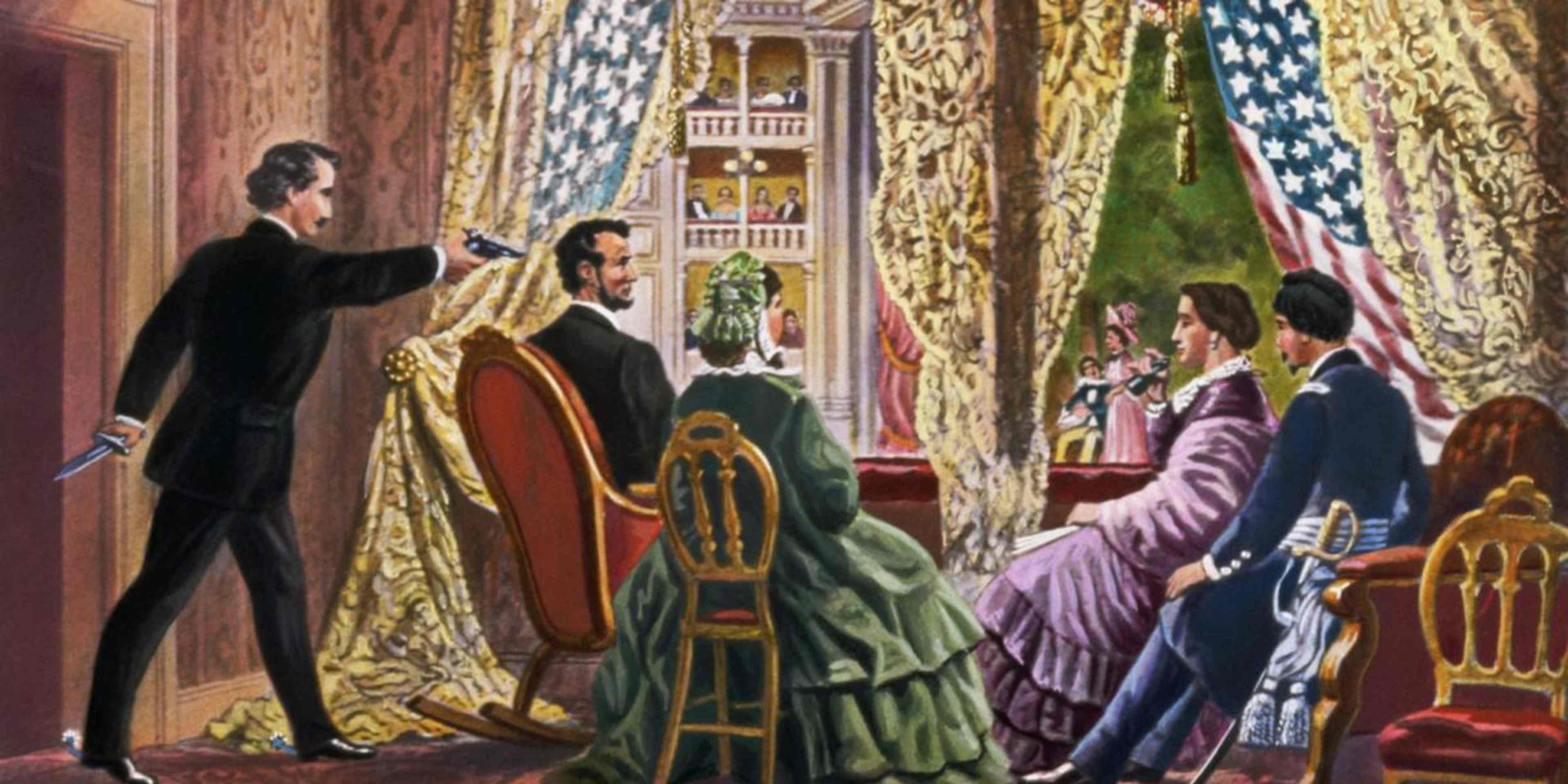
On the chilly evening of April 14, 1865, the United States was irrevocably changed when an assassin’s bullet struck President Abraham Lincoln at Ford’s Theatre. While the geopolitical shockwaves of this tragedy redefined the post-Civil War Reconstruction era, a haunting psychological mystery has lingered in the margins of American history: did Abraham Lincoln foresee his own tragic demise? Throughout his presidency, Lincoln was known to harbor a deep, almost mystical curiosity about the spiritual world, fate, and the cryptic messages hidden within human dreams. This fascinating intersection of presidential psychology, folklore, and historical evidence invites us to explore whether the Great Emancipator truly possessed a premonition of his final days, or if his infamous dreams were merely the projections of a war-weary mind. These haunting premonitions belong to a broader legacy of mysterious historical coincidences that have baffled researchers for generations.
The Historical Background: A Nation and a President on the Edge
To understand Lincoln's psychological state in April 1865, one must understand the immense weight he carried. The American Civil War was drawing to a close, leaving over 600,000 soldiers dead and a society fractured to its core. Lincoln had spent four agonizing years navigating military failures, political betrayals, and personal grief, including the devastating loss of his eleven-year-old son, Willie, in 1862. This profound grief pushed both Lincoln and his wife, Mary Todd Lincoln, toward spiritualism—a popular mid-19th-century movement focused on communicating with the dead.
Throughout his tenure, Lincoln was constantly subjected to assassination threats. He received regular death threats in his mail, which he calmly filed away in a desk drawer labeled "Assassination." Because of this constant atmospheric danger, the thin line between ordinary anxiety and prophetic premonition was heavily blurred. It was within this tense, highly charged sociopolitical environment that Lincoln allegedly experienced the dreams that would cement his legacy as a tragic, self-aware prophet.
The East Room Dream: Ward Hill Lamon's Haunting Account
The most famous story of Lincoln predicting his death comes from Ward Hill Lamon, Lincoln's former law partner, trusted friend, and self-appointed bodyguard. According to Lamon's memoirs, published years after the assassination, Lincoln shared a deeply unsettling dream with a small gathering—including Mary Todd—just a few days before April 14, 1865.
In the dream, Lincoln described hearing the quiet, mournful sounds of weeping throughout the White House. He wandered from room to room, finding them empty, yet the sobbing persisted. Finally, he entered the East Room. There, he was met with a shocking sight: a funeral dais supporting a corpse wrapped in funeral vestments. The face was covered, but the body was surrounded by grieving citizens and guarded by soldiers.
When the dream-version of Lincoln asked one of the soldiers, "Who is dead in the White House?" the guard replied, "The President. He was killed by an assassin." Interestingly, Lamon noted that Lincoln did not view this as a literal prophecy of his own death. Lincoln reportedly insisted to his startled guests that the corpse in the dream did not bear his face, suggesting he believed it might represent someone else—or perhaps served as a metaphor for the death of the old Union.
Chronological Timeline of Lincoln's Dream Premonitions
- November 1860: Just after his first presidential election, Lincoln experiences a strange optical double-image in his mirror, which his wife Mary interprets as a sign that he will serve two terms but die before the end of the second.
- June 9, 1863: Lincoln writes an anxious letter to Mary Todd Lincoln in Philadelphia, warning her to "put Tad's pistol away" because he had experienced an "ugly dream" about their young son.
- Early April 1865: Lincoln experiences the famous "East Room" dream, in which he witnesses a President lying in state after being assassinated, and shares it with Lamon and Mary.
- April 14, 1865 (Morning): During a cabinet meeting, Lincoln tells his generals and advisers that he had a recurring dream of sailing rapidly across an unknown, dark body of water. He notes this dream always preceded major Union victories and milestones.
- April 14, 1865 (Night): Abraham Lincoln is shot by John Wilkes Booth at Ford's Theatre, passing away early the next morning.
- 1880s–1890s: Ward Hill Lamon's accounts of Lincoln's dreams are published, sparking decades of historical debate over their validity.
Key Figures and Their Roles
To evaluate the credibility of these premonitions, we must analyze the key historical actors involved in documenting them:
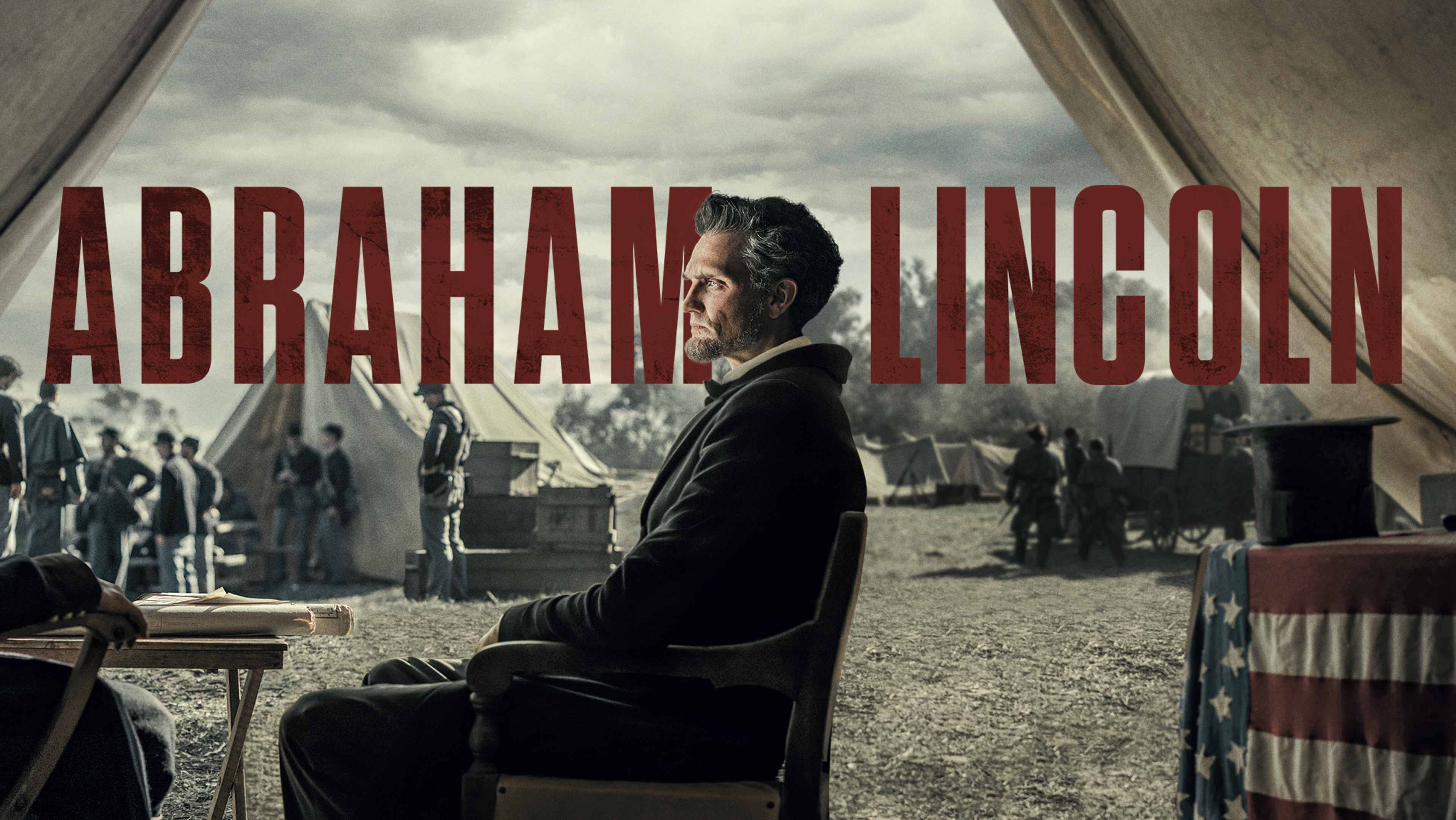
- Abraham Lincoln: The 16th U.S. President. Pragmatic yet deeply introspective, Lincoln was fascinated by the subconscious mind and frequently sought deeper meaning in dreams, literature, and the spiritual world.
- Ward Hill Lamon: Lincoln's close friend, marshal, and bodyguard. While Lamon took his duties seriously, history shows that presidential safety was a chaotic affair; indeed, fears of betrayal by those sworn to protect the commander-in-chief date back to the Revolutionary War, such as when researchers investigated if George Washington’s bodyguard plotted to kill him. Lamon is the primary source for the East Room dream, though skeptics argue he may have embellished the tale to heighten the tragedy of his friend's death.
- Mary Todd Lincoln: The First Lady. Heavily influenced by the grief of losing her children, Mary was deeply involved in spiritualism and held seances in the White House. Her psychological susceptibility to omens influenced how the Lincoln household viewed dreams.
- Gideon Welles: The Secretary of the Navy, whose detailed personal diary verified that Lincoln spoke of his strange "sailing dream" to the cabinet on the very morning of his assassination.
Historical Skepticism: Did It Really Happen?
While the story of the East Room dream has become deeply embedded in American mythology, many modern historians urge caution. Lamon's account was not published until nearly twenty years after the assassination. Skeptics point out that neither Lamon nor Mary Todd Lincoln mentioned this specific, highly dramatic dream immediately after the president's murder, when it would have been highly relevant.
Furthermore, Lamon claimed to have reconstructed the dialogue from notes he made in 1865, but memories fade and can be retroactively shaped by traumatic events. However, the "sailing dream" documented by Secretary of the Navy Gideon Welles stands on much firmer historical ground, as it was recorded in diaries immediately following the assassination, providing concrete proof that Lincoln was thinking deeply about mystical transitions on his final day.
Lesser-Known Facts About Lincoln's Mystical Experiences
1. The Double Image in the Mirror
In November 1860, shortly after winning his first presidential election, Lincoln looked into a bureau mirror in his Springfield home and saw a double reflection of himself. One image was healthy and vibrant, while the other was incredibly pale, ghostlike, and distorted. When he showed Mary, she interpreted it as a dark omen: he would survive his first term, but the pale, secondary face indicated he would not survive his second.
2. The Recurring Sailing Vessel Dream
Lincoln's final dream on the night of April 13, 1865, did not involve an assassin. Instead, he dreamed of being aboard a mysterious, indescribable vessel that was moving with great speed toward a dark, indefinite shore. He told his cabinet that he had experienced this exact dream before almost every major turning point of the Civil War, including the victories at Antietam, Gettysburg, and Vicksburg. He mistakenly believed it meant a major military victory was imminent on April 14.
The Long-Term Impact on America & Why It Still Matters Today
The narratives surrounding Lincoln's dreams did more than just satisfy human curiosity; they fundamentally shaped the American national mythos. By viewing Lincoln as a tragic figure who subconsciously knew his fate, the public transformed his political assassination into a spiritual sacrifice. He became a modern martyr who laid down his life to preserve the Union and secure human dignity. His leadership during the Civil War and the signing of the Emancipation Proclamation remain among the most significant strides for freedom in U.S. history.
Today, Lincoln's premonitions serve as a profound psychological study of how leaders cope with extreme stress, trauma, and responsibility. They remind us that historical figures are not cold, unfeeling statues; they are complex human beings who grapple with fear, hope, and the mysteries of the human mind just like anyone else.
People Also Ask (FAQ)
Did Abraham Lincoln really predict his own death?
There is no definitive, contemporary written proof that Lincoln explicitly predicted his own assassination. While his bodyguard Ward Hill Lamon claimed Lincoln dreamed of a dead President in the East Room, this account was published decades later. However, Lincoln did have a documented fascination with dreams and experienced a recurring dream about a speeding vessel the night before he died.
What was Lincoln's dream about a ship?
On the morning of his assassination, Lincoln told his cabinet about a recurring dream where he was on a mysterious vessel sailing rapidly toward an unknown shore. He associated this dream with major, positive turning points in the Civil War, though in hindsight, many view it as a metaphor for his impending death.
Did Mary Todd Lincoln believe in spiritualism?
Yes. Following the deaths of her sons, Mary Todd Lincoln turned to spiritualism and hosted several seances in the Red Room of the White House. Abraham Lincoln attended a few of these seances, largely to support his grieving wife, though he remained somewhat skeptical of mediumship while remaining fascinated by dreams.
Conclusion
Ultimately, whether Abraham Lincoln possessed a genuine supernatural premonition of his assassination or was simply processing the extreme, daily psychological trauma of leading a war-torn nation remains a matter of interpretation. What is undeniable is that Lincoln's relationship with his subconscious mind adds a deeply humanizing, poetic layer to one of history's greatest leaders. His dreams, whether literal warnings or symbolic reflections, continue to captivate the American imagination, reminding us of the heavy burdens borne by those who shape the course of human history.


