In the tense, sweltering early summer of 1776, as a massive British armada loomed off the coast of Staten Island, a quiet but deadly drama unfolded within the inner sanctum of the American rebellion. Before the United States could even declare its independence, the entire revolution came perilously close to an abrupt, violent end. The threat did not come from the formidable British regulars or the fearsome Hessian mercenaries, but from within General George Washington’s own elite security detail. The discovery of George Washington’s bodyguard plot, known historically as the Hickey Plot, sent shockwaves through the nascent nation. This sinister conspiracy, involving mutiny, counterfeiting, and a rumored assassination attempt, represents America’s first major national security crisis—a chilling reminder of how fragile the dream of liberty truly was at its inception.
The Perilous Summer of 1776: Historical Background
By April 1776, the theater of the Revolutionary War had shifted from Boston to New York City. General George Washington, who had recently assumed control of the newly formed Continental Army, understood that New York was the strategic key to the continent. (Curious about the leadership transition? Discover who commanded the Continental Army before Washington took the reins). If the British captured New York, they could effectively split the colonies in two, cutting off New England from the middle and southern territories.
However, defending New York was a tactical nightmare. The city was surrounded by water, making it highly vulnerable to the Royal Navy. Furthermore, New York was a hotbed of Loyalist sentiment. Unlike the highly patriotic atmosphere of Boston, many of New York’s wealthy merchants, landholders, and working-class citizens maintained deep economic and cultural ties to the British Crown. It was within this cauldron of suspicion, espionage, and imminent invasion that the plot against Washington was hatched.
The Life Guard: Trust and Treachery in the Inner Circle
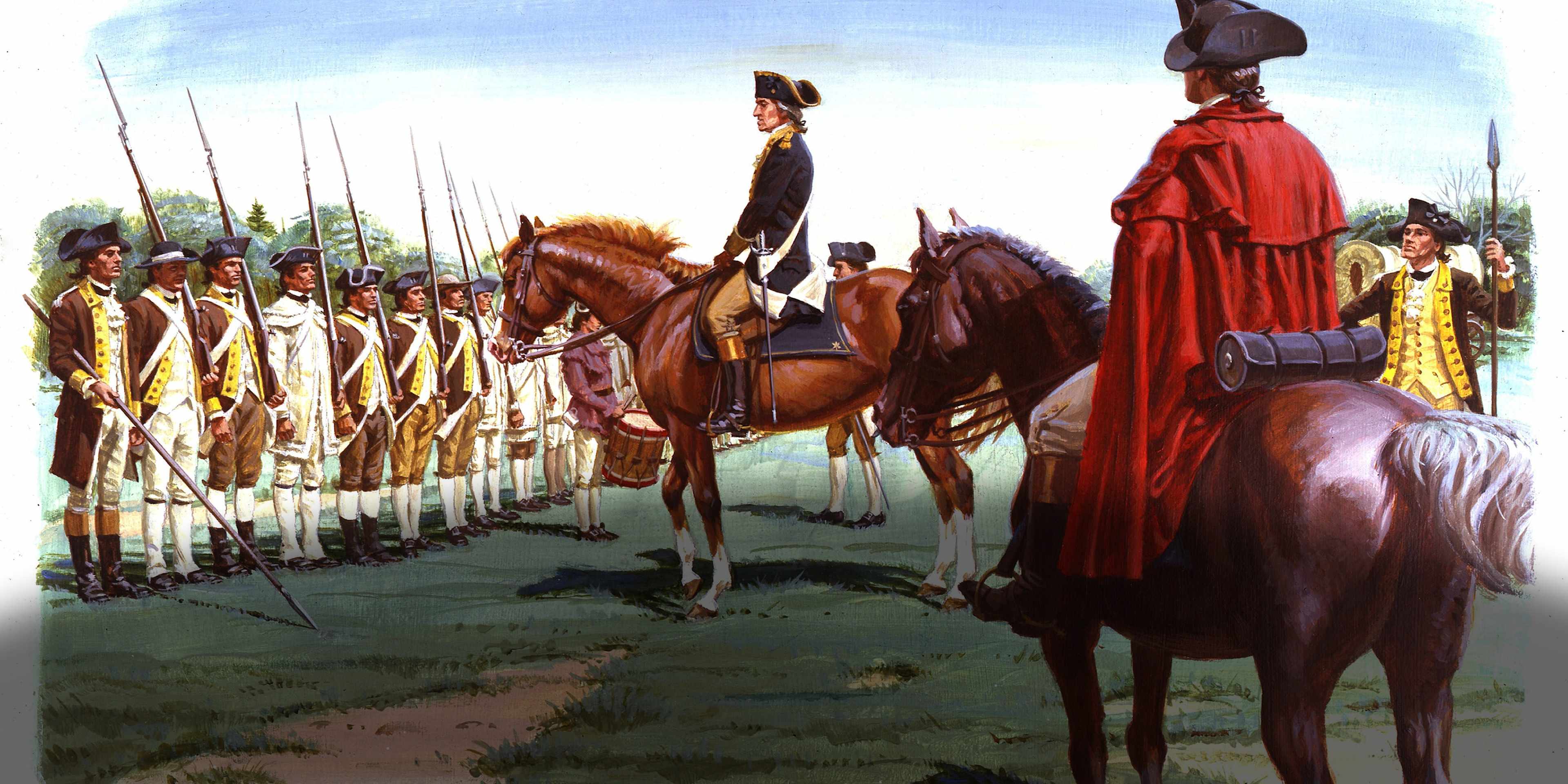
To protect himself and his vital military papers, Washington established an elite infantry unit in March 1776 known as the Commander-in-Chief’s Guard, or more commonly, the Life Guard. Comprising physical specimens of impeccable character, these men were selected from various regiments to ensure absolute loyalty. They were the precursor to today’s Secret Service, sworn to defend the commander-in-chief with their lives.
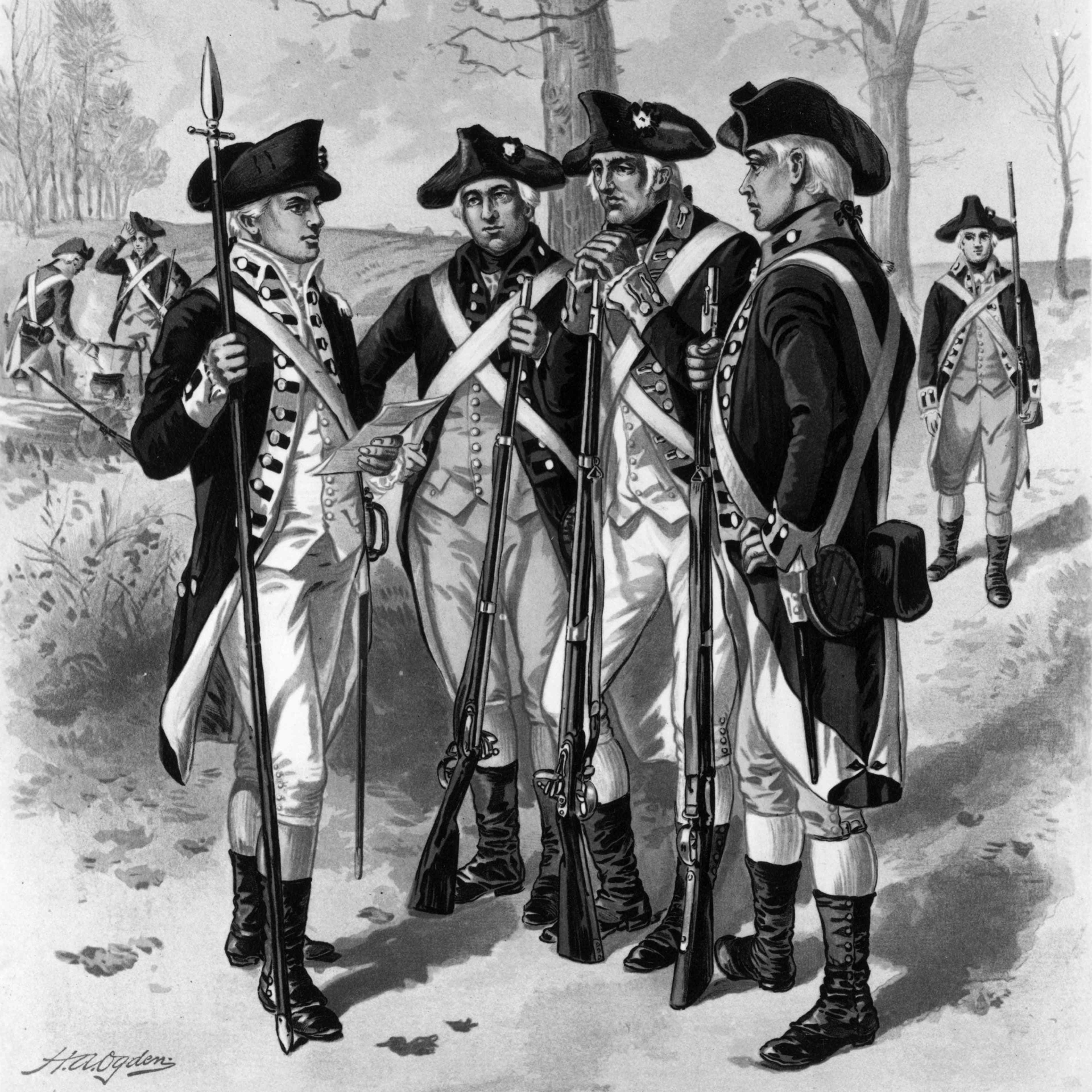
Among these trusted soldiers was Private Thomas Hickey. Irish-born and a former soldier in the British Army, Hickey had apparently deserted the British and joined the Patriot cause, quickly rising to earn a coveted spot in the Life Guard. But Hickey’s loyalty was skin-deep. As the shadow of the British fleet grew larger, Hickey and several other guardsmen succumbed to the temptations of British gold and the promise of royal pardons.
Causes and Context: The Loyalist Network and Governor William Tryon
The mastermind behind the conspiracy was not a soldier, but New York’s exiled royal governor, William Tryon. Operating safely from the HMS Duchess of Gordon anchored in New York Harbor, Tryon ran a sophisticated espionage ring designed to destabilize the rebel forces across the 13 colonies. Tryon collaborated closely with David Mathews, the Loyalist mayor of New York City, to recruit disaffected Continental soldiers, coordinate a Tory uprising, and plan a devastating sabotage campaign to coincide with the British landing.
The conspirators’ primary weapon was financial destabilization through counterfeiting. By flooding the colonies with fake Continental currency, they hoped to destroy the rebellion’s fragile economy. It was this counterfeiting operation that ultimately proved to be their undoing.
A Chronological Timeline of the Hickey Plot (1776)
To understand how close the American project came to ruin, we must examine the rapid progression of events during that fateful June:
- Late Spring 1776: Governor William Tryon and Mayor David Mathews actively recruit Continental soldiers, including members of Washington’s Life Guard, promising land, money, and royal pardons upon the British victory.
- Mid-June 1776: Thomas Hickey and fellow Life Guard Michael Lynch are arrested and jailed in City Hall on charges of passing counterfeit bills.
- June 15–22, 1776: While in jail, Hickey and Lynch boast of their involvement in a grand Loyalist plot to a fellow prisoner, Isaac Ketcham. Seeking to secure his own release, Ketcham alerts the revolutionary authorities.
- June 22, 1776: The Provincial Congress’s newly formed “Secret Committee” orders the arrest of Mayor David Mathews and dozens of other conspirators based on Ketcham’s testimony and corroborating evidence.
- June 26, 1776: Thomas Hickey is court-martialed at Richmond Hill. Four witnesses, including Ketcham, testify against him. Hickey is found guilty of mutiny, sedition, and treacherous correspondence with the enemy, and is sentenced to death.
- June 28, 1776: Before a crowd of roughly 20,000 spectators on the Lower East Side of Manhattan, Thomas Hickey is hanged. He becomes the first Continental soldier executed for treason against the United States.
The Secret Committee: Precursor to Modern Counterintelligence
The rapid suppression of the Hickey Plot was largely due to the work of the “Secret Committee,” a special counterintelligence body appointed by the New York Provincial Congress. Led by a brilliant young lawyer named John Jay—who would later become the first Chief Justice of the Supreme Court—the committee utilized methods that foreshadowed modern intelligence agencies. They relied on undercover informants, intercepted mail, secret interrogations, and jailhouse informants like Isaac Ketcham to systematically map and dismantle the Loyalist network.
Separating Fact from Fiction: The Poisoned Peas Myth
Over the centuries, the Hickey Plot has been shrouded in myth, most notably the sensational legend of the “poisoned peas.” According to popular lore, Hickey attempted to assassinate General Washington by poisoning a plate of green peas, Washington’s favorite dish. The story goes that Washington’s housekeeper, Mary Smith, warned the general of the poison. Washington allegedly threw the peas out the window, where hungry chickens ate them and died instantly.
While this makes for an incredibly cinematic tale, modern historians have thoroughly debunked it. Neither Washington’s private letters nor the official transcripts of the court-martial make any mention of poisoned vegetables. The rumors likely spread via early sensationalist news, similar to the stories found in America’s first newspaper and early broadsides, fueled by a public eager for dramatic details during a time of extreme existential panic.
The Real Danger: Kidnapping, Sabotage, and Mutiny
The actual conspiracy was far more dangerous than a simple assassination attempt. The plotters intended to stage a coordinated mutiny the moment the British fleet launched its attack. The conspirators within the Life Guard were tasked with either kidnapping Washington or assassinating him in the chaos, blowing up the ammunition depots, cutting the bridges, and opening the city gates to the invading British forces. Had the plot succeeded, the Continental Army would have been leaderless and paralyzed, resulting in a swift and total British victory that would have crushed the American Revolution in its cradle.
Lesser-Known Facts About the Hickey Plot
- The Spectacle of Execution: The 20,000 people who gathered to watch Hickey hang represented nearly the entire civilian population of New York City at the time, augmented by thousands of Continental soldiers ordered to watch as a stern warning against mutiny.
- A New Word Created: Horrified by the betrayal, army surgeon William Eustis (later Governor of Massachusetts) coined the word “sacricide” (from Latin roots meaning the slaughter of the good) to describe the treasonous plot against Washington.
- Washington’s Strategic Silence: In his official letter to John Hancock on the morning of the execution, Washington reported Hickey’s hanging but purposely downplayed any direct threat to his own life, wanting to project strength and prevent widespread panic as British warships entered the harbor.
Long-Term Impact on America & Why It Still Matters Today
The resolution of the Hickey Plot had profound, long-lasting consequences for the United States. Politically, it hardened the colonies’ resolve. Just days after Hickey’s execution, on July 2, 1776, the Continental Congress voted for independence, formally adopting the Declaration of Independence on July 4. The foil of the plot proved to Americans that their struggle was an all-or-nothing conflict; there was no room for reconciliation with the Crown.
Institutionally, the crisis laid the groundwork for American military intelligence and protective services. It demonstrated the vital necessity of counterintelligence operations, leading directly to the establishment of the Culper Spy Ring later in the war. Today, the legacy of the Life Guard survives in the rigorous vetting processes of the modern Secret Service and elite military units tasked with protecting the President of the United States.
People Also Ask (FAQ)
Who was Thomas Hickey?
Thomas Hickey was an Irish-born private in the Continental Army and a member of George Washington’s elite Life Guard. In June 1776, he was convicted of mutiny, sedition, and treachery, and became the first Continental soldier executed for treason during the Revolutionary War.
Was there really a plot to kill George Washington in 1776?
Yes, there was a documented conspiracy involving Loyalists, New York’s royal governor William Tryon, Mayor David Mathews, and several members of Washington’s Life Guard. While the exact details of whether they intended to assassinate or kidnap Washington remain debated, the plot aimed to paralyze the Continental Army and hand New York over to the British.
What was the “poisoned peas” story?
The “poisoned peas” story is a popular historical myth claiming Thomas Hickey tried to poison Washington’s dinner. While widely circulated in the 19th century, there is no historical evidence in court-martial records or contemporary letters to support this claim.
Conclusion: The Fragile Dawn of American Independence
The Hickey Plot serves as a sobering reminder of the internal divisions and extreme dangers that characterized the birth of the United States. In June 1776, the fate of the American Revolution rested on a knife’s edge. By dismantling this internal conspiracy, George Washington and the Secret Committee secured the survival of the Continental Army at its most vulnerable moment, ensuring that the promise of the Declaration of Independence could be fought for and won on the battlefield.


1 comment