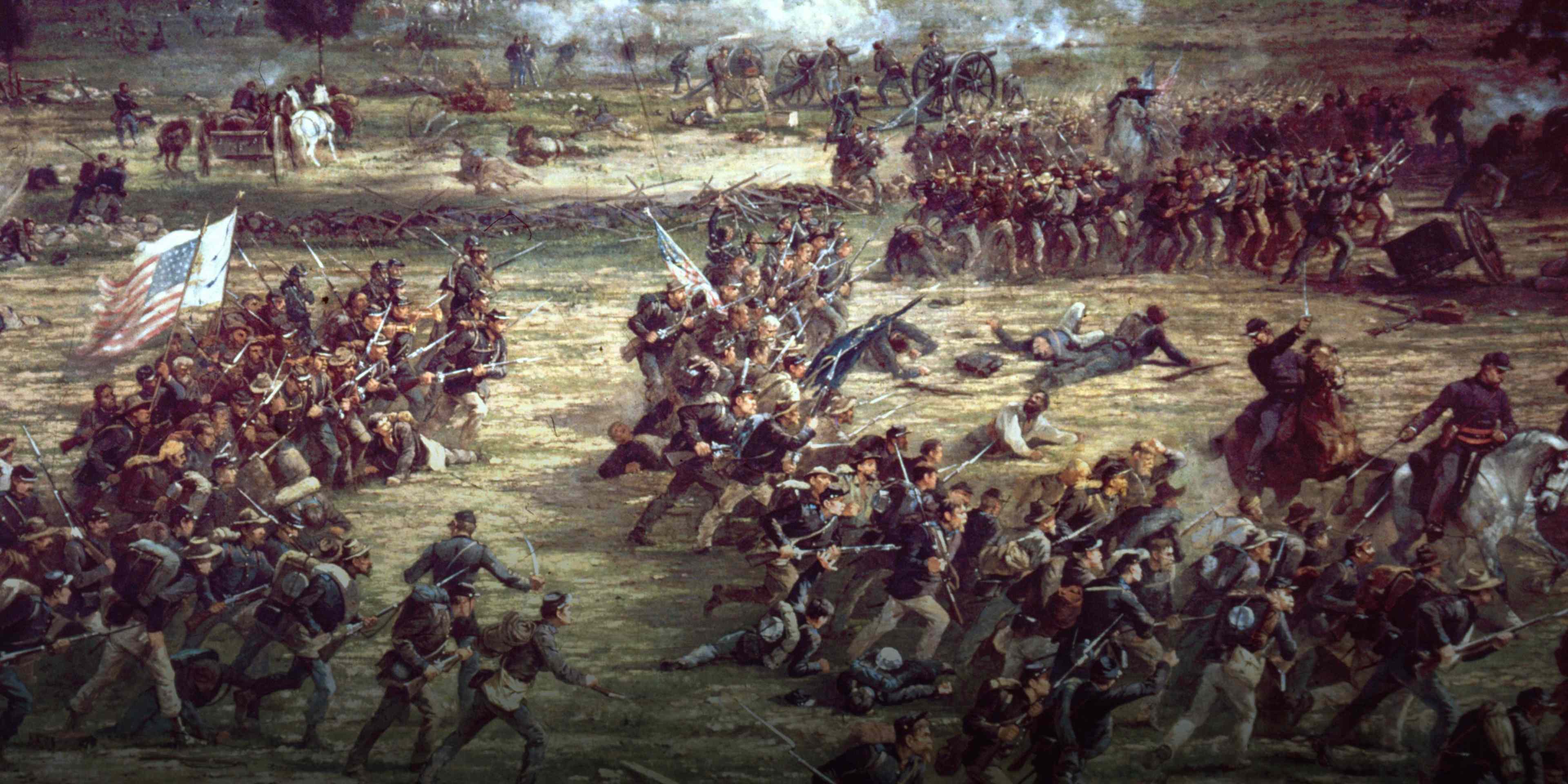
The Battle of Gettysburg, fought during the hot, summer days of July 1863, remains the most famous and strategically decisive clash of the American Civil War. As the Confederate Army of Northern Virginia under General Robert E. Lee marched boldly into Pennsylvania, the Union’s Army of the Potomac stood as the final shield protecting the North. Over three days of intense, bloody combat, more than 160,000 soldiers collided in a struggle that would decide the fate of a fractured United States. This monumental conflict did more than halt Lee’s northern invasion; it shattered the myth of Confederate invincibility, revitalized Northern morale, and set the stage for Abraham Lincoln to redefine the war as a sacred crusade for human liberty.
The Road to Gettysburg: Context and Catalysts
By the late spring of 1863, the Southern Confederacy was riding a wave of military triumph. General Robert E. Lee had recently orchestrated a brilliant, though costly, victory at Chancellorsville, defeating a much larger Union force. Despite this tactical success, the South faced mounting economic hardships, and its resources were dwindling. Lee believed that a decisive offensive on Northern soil would yield multiple strategic benefits. First, it would relieve the war-torn Virginia countryside, allowing Confederate soldiers to forage in the rich agricultural lands of Maryland and Pennsylvania. Second, a major victory in the North could strengthen rising anti-war movements in the United States, putting political pressure on President Abraham Lincoln’s administration to negotiate a peace treaty. Finally, a successful invasion might convince European powers, particularly Great Britain and France, to formally recognize the Confederacy and intervene on its behalf.
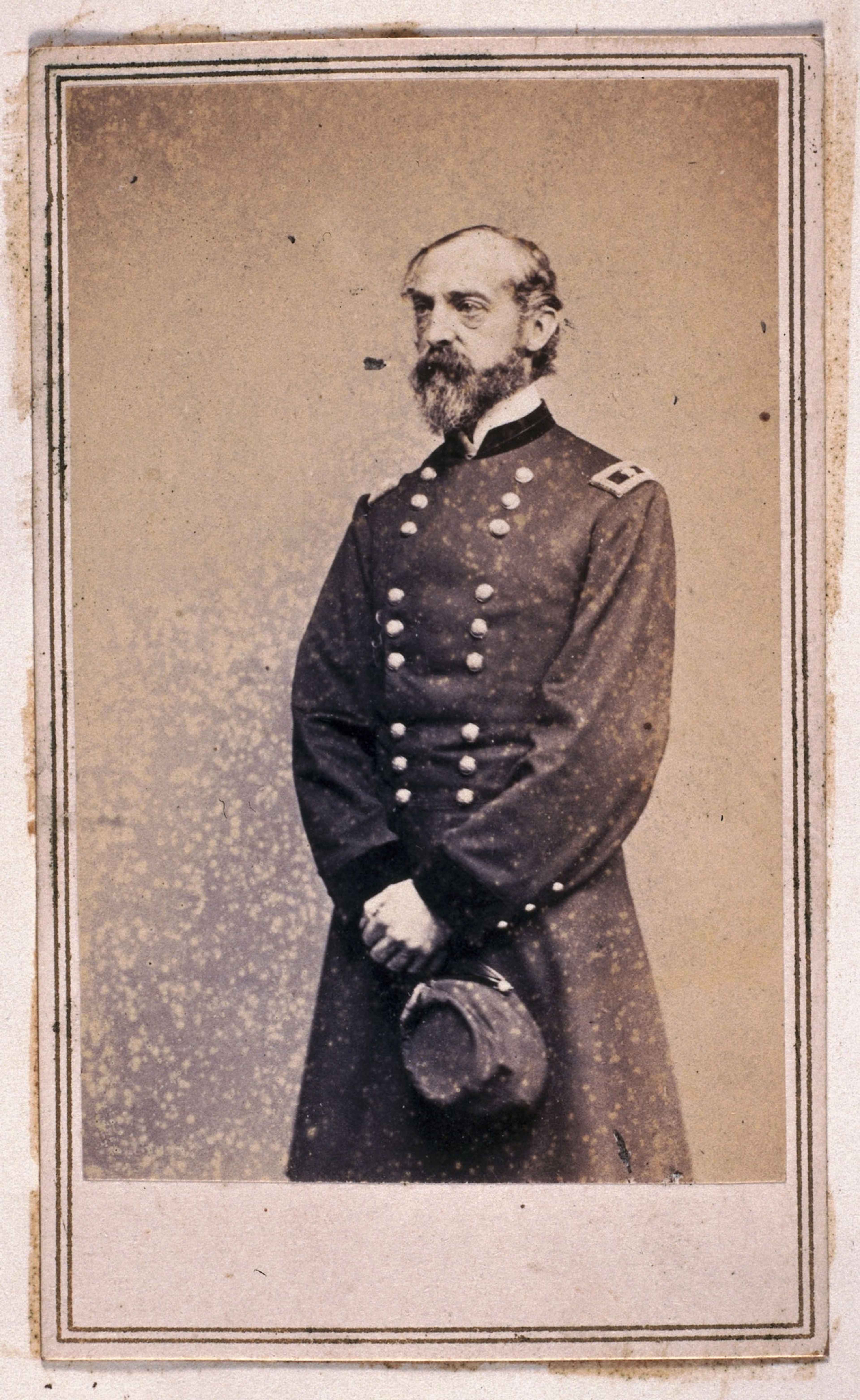
Meanwhile, the Union’s Army of the Potomac was in a state of transition. Just days before the battle, on June 28, 1863, President Lincoln removed Major General Joseph Hooker from command, replacing him with Major General George G. Meade. Meade was the army’s third commander in less than a year, leaving Union soldiers confident in their own abilities but skeptical of their rotating leadership. Despite these doubts, Meade acted quickly to position his forces to shield Washington, D.C., and Baltimore, while tracking Lee’s movement into Pennsylvania.
The Timeline of the Three-Day Clash (July 1–3, 1863)
The collision at Gettysburg was not planned; it began as an accidental engagement when Confederate infantry scouting for supplies encountered Union cavalry units just west of the small crossroads town. Over the course of three days, this accidental meeting escalated into the bloodiest battle ever fought on North American soil.
July 1: The Initial Clash and the Race for the High Ground
The battle began early on July 1, 1863, when Union cavalry division commander Brigadier General John Buford recognized the strategic importance of the high ground surrounding Gettysburg. Buford set up defensive lines to delay the advancing Confederates, allowing Union infantry reinforcements to arrive. Although the Confederates eventually overwhelmed the Union forces, pushing them back through the streets of the town, the retreating Union troops managed to establish strong defensive positions on the high ground south of Gettysburg, specifically on Cemetery Hill and Culp’s Hill. Lee ordered his subordinate, Lieutenant General Richard Ewell, to take the hill “if practicable,” but Ewell hesitated, leaving the crucial high ground in Union hands.
July 2: The Assault on the Flanks
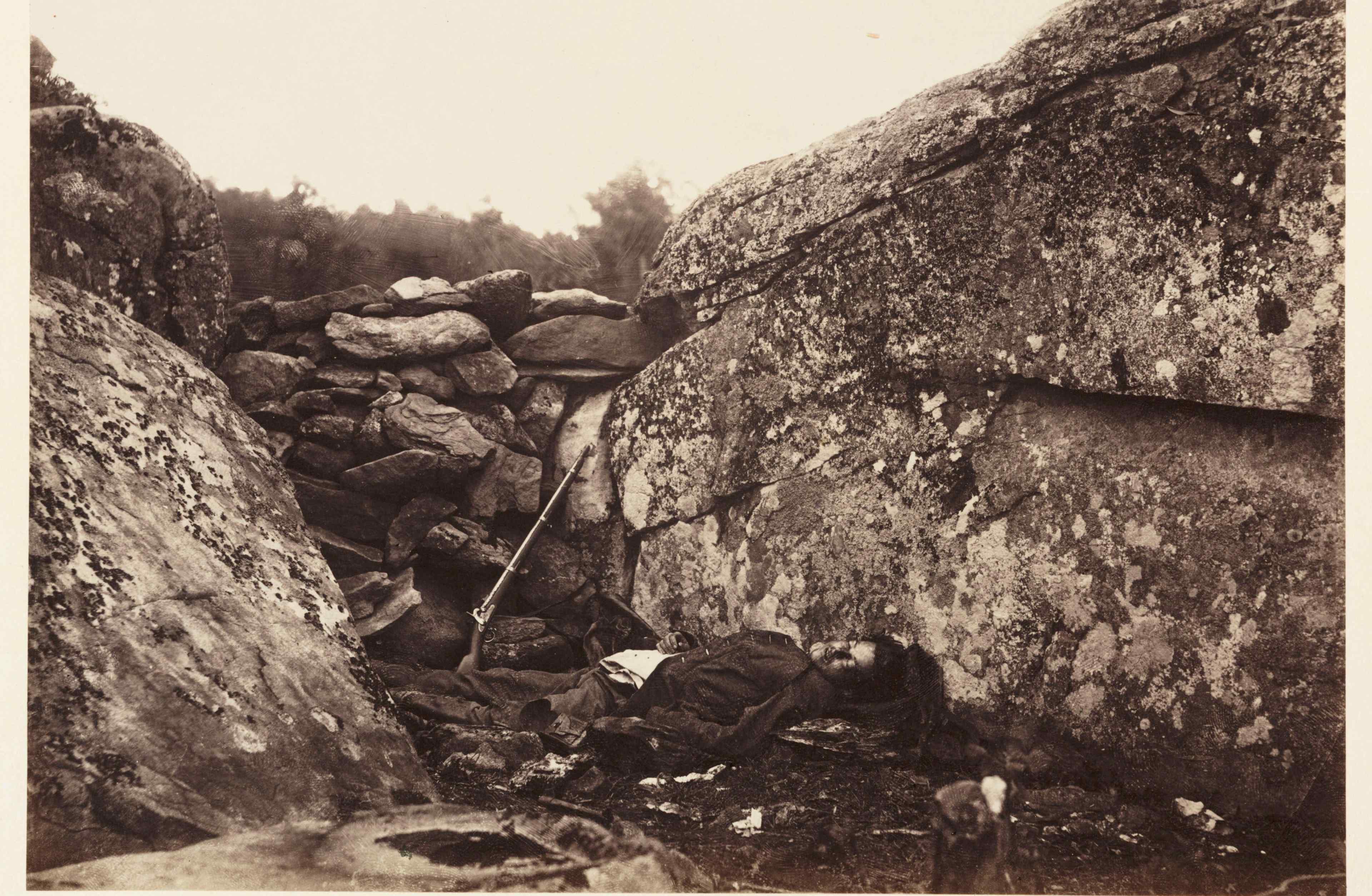
On the second day, Lee attempted to crush the Union line by launching massive coordinated assaults on both flanks. The Confederate forces struck the Union left at places that would become legendary: the Peach Orchard, the Wheatfield, Devil’s Den, and the rocky slope of Little Round Top. On the Union right, fierce fighting raged at Culp’s Hill and Cemetery Hill. Despite desperate Confederate attacks, the Union line—held together by heroic stands, such as the famous bayonet charge of the 20th Maine under Colonel Joshua Lawrence Chamberlain—stubbornly held. By the end of the day, both sides had suffered massive casualties, but the Union defensive line remained intact.
July 3: Pickett’s Charge and the Confederate Defeat
Believing the Union center was weakened from reinforcing its flanks, Lee decided to launch an all-out frontal assault on July 3. Following a massive, yet largely ineffective, artillery bombardment, approximately 12,500 Confederate soldiers, led by Major General George Pickett, marched across an open field toward the Union center on Cemetery Ridge. Known as Pickett’s Charge, the assault was met with devastating Union artillery and rifle fire. The Confederates suffered catastrophic losses, with over fifty percent of the attacking force killed, wounded, or captured. The failure of Pickett’s Charge marked the end of the battle and shattered Lee’s hope of a Northern victory.
Key Figures and Their Lasting Impact
- General Robert E. Lee: The brilliant commander of the Army of Northern Virginia. His overconfidence at Gettysburg and his belief in his men’s invincibility led to critical tactical errors, particularly the disastrous order for Pickett’s Charge.
- Major General George G. Meade: Appointed commander of the Army of the Potomac just three days before the battle. Meade displayed calm leadership and utilized the high ground masterfully, securing a vital Union victory.
- Major General J.E.B. Stuart: Lee’s cavalry commander, whose absence during the early days of the campaign left Lee blind to the movements and strength of the Union army.
- President Abraham Lincoln: Though not present during the battle, his subsequent dedication of the Gettysburg National Cemetery transformed the memory of the conflict.
Crucial Turning Points Within the Battle
Several decisive moments during the three days at Gettysburg ultimately sealed the Union victory. The first was the quick thinking of General Buford and the arrival of Union infantry on July 1, which secured the high ground. The second was the holding of Little Round Top on July 2, preventing the Confederates from rolling up the Union flank. Finally, the tragic failure of Pickett’s Charge on July 3 broke the offensive capabilities of the Army of Northern Virginia. Following this disaster, Lee was forced to retreat back to Virginia. While his withdrawal was managed skillfully, avoiding total destruction, it marked the permanent end of his ability to wage offensive campaigns in the North. This retreat is often studied alongside other famous brilliant military retreats in history, as it preserved the core of the Confederate army to fight for two more grueling years.
The Broad Legacy: From Military Defeat to a “New Birth of Freedom”
The double victory at Gettysburg and Vicksburg (which fell to Ulysses S. Grant on July 4, 1863) completely shifted the strategic balance of the Civil War. European powers permanently abandoned any plans to recognize the Confederacy, and Northern morale received a desperate boost. Furthermore, the war increasingly became a struggle for human rights, paving the way for the historic contributions of Black heroes throughout US military history who enlisted in the United States Colored Troops to fight for their own emancipation.
In November 1863, President Abraham Lincoln traveled to the battlefield to dedicate the Soldiers’ National Cemetery. In his brief, 272-word Gettysburg Address, Lincoln redefined the American struggle, declaring that the nation would have a “new birth of freedom” and that the government of the people, by the people, and for the people would not perish from the earth.
Lesser-Known Facts About the Battle of Gettysburg
- The Shoe Myth: While long rumored that the battle began because Confederate soldiers were searching for shoes, modern historians note that the Confederate forces were well-aware of the Union cavalry’s presence and were primarily seeking a strategic concentration.
- The Only Civilian Casualty: Mary Virginia “Jennie” Wade, a 20-year-old woman, was the only direct civilian casualty of the battle. She was killed by a stray bullet while baking bread for Union soldiers inside her sister’s house.
- The Mixed Initial Reception of the Gettysburg Address: Lincoln’s speech was so short that the photographer did not even have time to set up his camera. Many contemporary newspapers dismissed it as flat and dishwatery, failing to immediately recognize it as one of the greatest speeches in human history.
Why the Battle of Gettysburg Matters Today
Today, Gettysburg stands as a powerful symbol of national reconciliation, sacrifice, and the enduring struggle for democratic values. The battlefield preservation efforts remind modern generations of the immense cost of division. The ideals articulated by Lincoln in his address continue to serve as a foundational text for civil rights and democratic institutions worldwide, reminding us that the preservation of a free society requires constant vigilance and shared dedication.
People Also Ask
Why is the Battle of Gettysburg considered the turning point of the Civil War?
It is considered the turning point because it permanently ended General Robert E. Lee’s attempts to invade the North, inflicted irreplaceable casualties on the Confederate army, and dramatically boosted Northern morale while preventing European recognition of the Confederacy.
How many casualties were there at the Battle of Gettysburg?
The battle was the costliest of the Civil War, resulting in approximately 51,000 casualties. The Union suffered around 23,000 casualties, while the Confederates lost an estimated 28,000 men, representing more than a third of Lee’s army.
Who won the Battle of Gettysburg?
The Union Army of the Potomac, commanded by Major General George G. Meade, won the battle by successfully repelling the Confederate forces led by General Robert E. Lee.
Conclusion
The Battle of Gettysburg was a monumental watershed in American history. Through three days of unmatched bravery, tactical struggles, and devastating loss, the Union army defended not just a piece of Pennsylvania ground, but the very survival of the United States. Coupled with Lincoln’s timeless Gettysburg Address, the battlefield became the birthplace of a redefined nation committed to the ultimate triumph of liberty and equality for all.


2 comments