On October 16, 1859, a radical abolitionist named John Brown led a small, determined band of men into the quiet town of Harpers Ferry, Virginia. His objective was as audacious as it was explosive: capture the federal armory, seize tens of thousands of weapons, and ignite a massive, armed slave rebellion that would dismantle the institution of slavery once and for all. While the raid itself was a tactical failure, ending in bloodshed and Brown’s capture within thirty-six hours, its political tremors shattered the fragile peace of a divided nation. John Brown’s raid on Harpers Ferry remains one of the most critical turning points in American history, acting as the ultimate catalyst that pushed the North and South from tense political sparring into the devastating fires of the American Civil War.
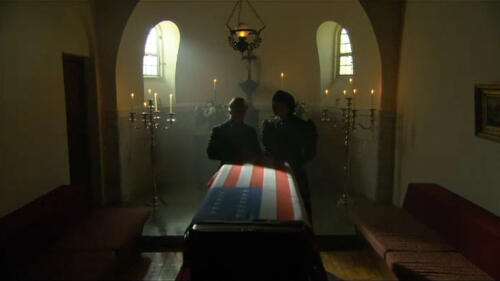
To understand the sheer desperation and fury behind John Brown’s raid, one must look at the turbulent decade preceding 1859. The United States was tearing itself apart over the expansion of slavery into western territories. Events like the passage of the Fugitive Slave Act of 1850, the bloody guerrilla warfare of “Bleeding Kansas,” and the infamous Dred Scott decision of 1857 had convinced abolitionists that peaceful or legislative means of ending slavery were entirely dead. John Brown, a deeply religious man who viewed slavery as a personal affront to God, believed he was a divine instrument chosen to purge this national sin through blood. This uncompromising worldview was deeply influenced by the theological lineage of the Puritans and their strict beliefs regarding divine justice and moral duty.
The Timeline of the Raid: Thirty-Six Hours that Shook a Nation
The raid on Harpers Ferry was planned in absolute secrecy at a nearby farmhouse in Maryland, where Brown and his recruits gathered. The actual execution was swift but quickly unraveled due to logistical errors and a profound misunderstanding of how local enslaved populations would respond.
- October 16, 1859 (Nighttime): Brown and 18 of his men (including several of his sons and five Black men) quietly crossed the Potomac River and marched into Harpers Ferry. They easily cut telegraph wires, captured the federal armory, and took prominent local citizens hostage, including Colonel Lewis Washington, a great-grandnephew of George Washington.
- October 17, 1859 (Daytime): The town’s defense quickly mobilized. Local citizens and nearby militia surrounded the armory, exchange of gunfire began, and escape routes were cut off. In a tragic twist of fate, the first casualty of the raid was Heyward Shepherd, a free Black baggage master who was shot by Brown’s sentries. Realizing they were trapped, Brown and his remaining men retreated to the armory’s brick engine house, later famously dubbed “John Brown’s Fort.”
- October 18, 1859 (Morning): Under the command of U.S. Army Lieutenant Colonel Robert E. Lee and Lieutenant J.E.B. Stuart, a company of U.S. Marines stormed the engine house. Refusing to surrender, Brown and his men were overrun. Brown was severely wounded by a saber blow but survived, while several of his followers, including two of his sons, were killed.
Key Figures and Their Lasting Impact
The raid brought together several individuals whose names would soon dominate the history of the Civil War. First and foremost was John Brown himself. While many in the South branded him a bloodthirsty lunatic, many Northern abolitionists saw him as a heroic martyr. His behavior during his subsequent trial in Charlestown, Virginia, solidified this reputation. Rather than pleading insanity, Brown delivered eloquent, unflinching speeches condemning the court and defending the morality of his actions.
Another key figure was Robert E. Lee, then a Lieutenant Colonel in the U.S. Army. Lee’s efficient suppression of the raid catapulted him into the national spotlight, demonstrating the military tactical genius that would later define his command of the Confederate Army of Northern Virginia. Beside him was J.E.B. Stuart, who would become one of the Confederacy’s most famous cavalry commanders.
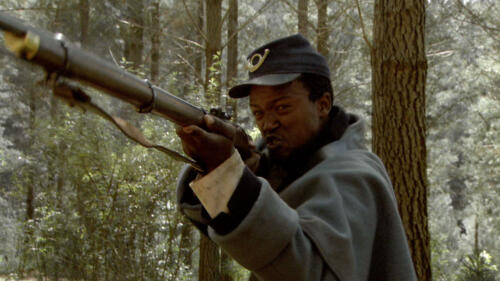
We must also recognize the brave African American men who stood alongside Brown. Men like Shields Green, an escaped slave who chose to stay and fight with Brown even when escape was possible, and Dangerfield Newby, who fought desperately to free his wife and children from southern bondage. Their sacrifice paved the way for generations of Black heroes throughout US military history who fought for liberty and equality on the battlefield.
The Trial and Major Turning Points
The true turning point of the raid did not occur at Harpers Ferry, but inside the Virginia courtroom. Following his capture, Brown was swiftly indicted for treason against the Commonwealth of Virginia, murder, and inciting a slave insurrection. Throughout the trial, which began in late October 1859, a wounded Brown lay on a cot in the courtroom, projecting an aura of quiet dignity and moral clarity.
On November 2, 1859, the jury found him guilty on all counts, and he was sentenced to hang. Before his execution on December 2, 1859, Brown handed a note to his jailer that chillingly prophesied the coming national conflict: “I, John Brown, am now quite certain that the crimes of this guilty land will never be washed away but with blood.” This trial transformed Brown from an extremist into a secular saint in the North, while deeply terrifying the South, who realized that Northerners were willing to endorse violence to end slavery.
The Long-Term Impact on America
The political shockwaves of Harpers Ferry cannot be overstated. In the South, panic spread like wildfire. Rumors of impending slave revolts and Northern-sponsored conspiracies led Southern states to reorganize and heavily train their local militias. These newly militarized units would form the immediate structural backbone of the Confederate Army when secession began just over a year later.
Furthermore, the raid completely shattered the democratic consensus. It effectively destroyed the moderate wing of the Democratic Party and secured the nomination and eventual election of Abraham Lincoln in 1860. The raid tested the core principles and compromises established by the Founding Fathers and their early documents, proving once and for all that the deep moral contradiction of slavery could no longer be swept under the rug of legislative compromise.
Lesser-Known Facts About the Raid
- The Harms of Irony: The very first person killed during the raid was Heyward Shepherd, a free Black man working as a railway baggage master. He was shot after refusing to halt when ordered by Brown’s men, illustrating the tragic chaos of the event.
- Harriet Tubman’s Role: The famous Underground Railroad conductor, Harriet Tubman, was a close collaborator of John Brown, who affectionately called her “General Tubman.” She helped him plan the raid and recruit men, but she was unable to participate due to a severe illness.
- Pikes for Freedom: Knowing that many enslaved people had never used firearms, Brown had commissioned thousands of iron-headed pikes specifically for the raid, believing they would be easier to wield in close-quarters combat.
Why John Brown’s Raid Still Matters Today
John Brown remains one of the most polarizing figures in the American consciousness. Was he a domestic terrorist or a freedom fighter? This debate continues to provoke intense discussions about the nature of political violence, civil disobedience, and the moral obligation of citizens when faced with systemic injustice. When modern societies grapple with how to confront institutionalized wrongs, the ghost of John Brown and his actions at Harpers Ferry inevitably reappear in the national dialogue.
People Also Ask
Why did John Brown raid Harpers Ferry?
John Brown raided the federal armory at Harpers Ferry to secure weapons to arm local enslaved populations, hoping to spark a massive, self-sustaining slave rebellion throughout the American South.
Was John Brown’s raid successful?
Tactically, the raid was a failure. Brown failed to recruit local slaves, was quickly surrounded by militia and U.S. Marines, and was captured and hanged. Politically, however, it succeeded in bringing the issue of slavery to a boiling point, directly accelerating the onset of the Civil War.
Who stopped John Brown at Harpers Ferry?
The raid was put down by a detachment of U.S. Marines under the command of Lieutenant Colonel Robert E. Lee and Lieutenant J.E.B. Stuart, both of whom would later become prominent Confederate generals.
Conclusion
John Brown’s raid on Harpers Ferry was a desperate, bloody, and ultimately flawed attempt to force America to confront its greatest moral failing. By choosing the path of violence, Brown forced a polarized nation to finally choose a side. Though he died on the gallows, his actions ensured that the struggle for human dignity and freedom would be decided on the battlefields of the Civil War, changing the trajectory of American history forever.


