The aftermath of the American Civil War presented the United States with its most profound constitutional crisis since the founding of the republic. As the smoke cleared from the battlefields, the nation faced a pressing existential question: how to readmit secessionist states without handing political power back to the very men who had organized the rebellion. The ultimate answer came in the form of Section 3 of the Fourteenth Amendment—historically known as the Disqualification Clause. This powerful constitutional mechanism was designed as an essential shield of self-defense for a fragile democracy, legalizing the exclusion of former Confederate officials who had breached their solemn oaths to the United States. Far from a mere historical footnote, the creation of this clause represented a battle over the soul of the reconstructed nation and the boundaries of political eligibility.
The Post-War Crisis: Historical Background and Context
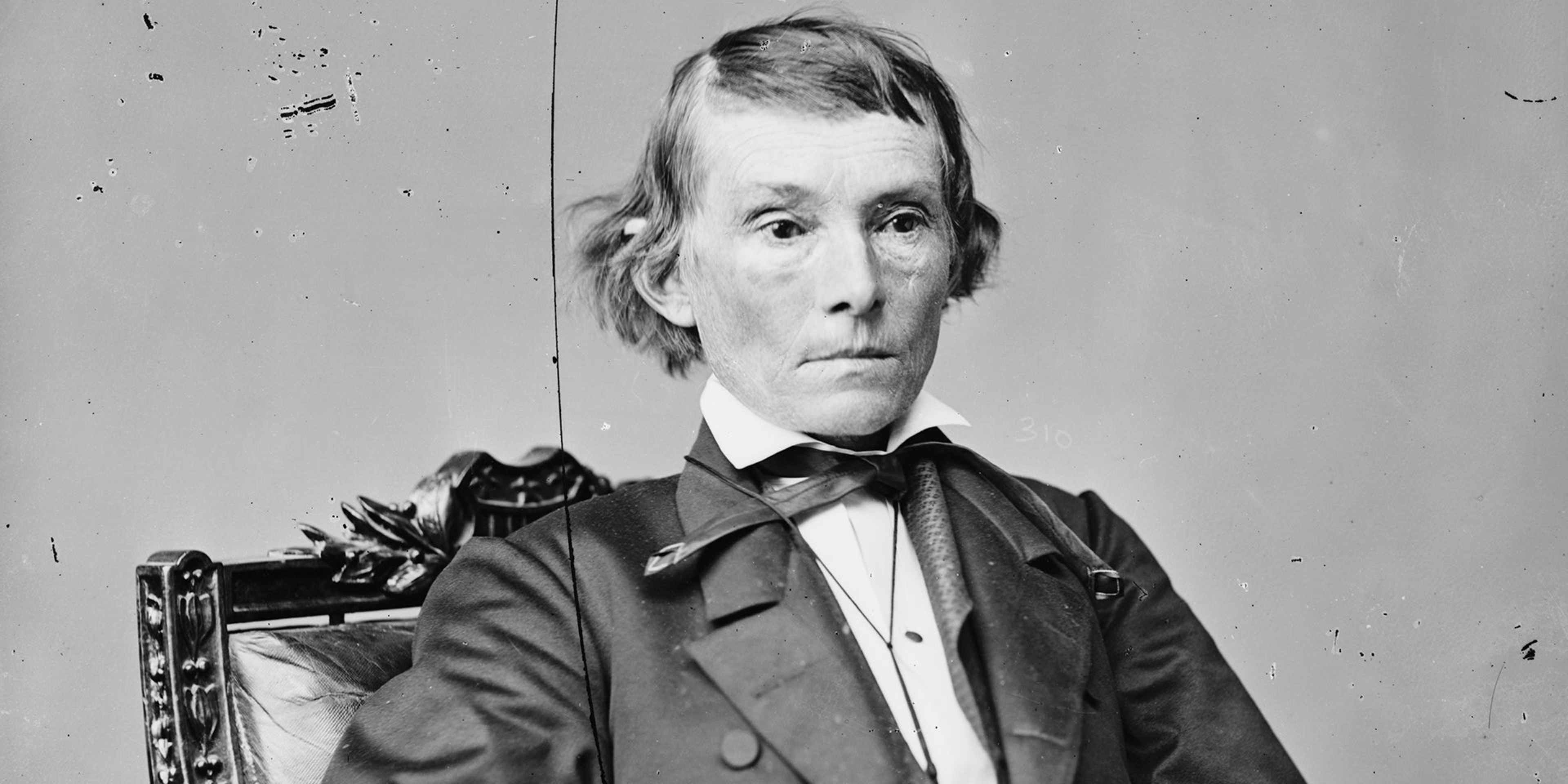
When the 39th Congress officially convened in Washington, D.C., on December 4, 1865, the atmosphere was thick with tension. Only months prior, the Union had emerged victorious from a bloody civil war, and President Abraham Lincoln had been assassinated. His successor, President Andrew Johnson, favored a lenient, rapid restoration of the Southern states. Under Johnson’s executive amnesty policies, former Confederate states quickly organized new governments and held elections. The result was a bold provocation to the victorious Union: the newly elected Southern congressional delegation included former Confederate senators, congressmen, military officers, and even Alexander Stephens, the former Vice President of the Confederate States of America. Stephens, who had been arrested for treason and spent months in prison, had been paroled by Johnson and was now attempting to take his seat in the U.S. Senate.
To the Radical Republicans, who had spent years fighting to preserve the Union and destroy the institution of slavery, this was an intolerable betrayal. They argued that accepting unrepentant secessionists into the halls of American lawmaking would render the war’s immense sacrifices meaningless. The Radical Republicans sought a deep, systemic restructuring of the South through Reconstruction—an ambitious legislative program designed to protect the civil rights of newly freed Black Americans and ensure that local and state governments were loyal to the Union. However, as Representative Thaddeus Stevens of Pennsylvania warned, Reconstruction would fail if Congress allowed itself to be filled with unrepentant rebels. To protect the nation, a constitutional solution was needed to permanently define who was eligible to govern.
Chronological Timeline of the Disqualification Clause
- April 9, 1865: General Robert E. Lee surrenders at Appomattox Court House, effectively ending the Civil War.
- December 4, 1865: The 39th Congress convenes, and Republicans refuse to seat the newly elected Southern representatives.
- December 1865: Congress establishes the Joint Committee on Reconstruction to investigate conditions in the South.
- June 1866: The Joint Committee publishes its landmark report, laying the legal groundwork for the 14th Amendment.
- June 13, 1866: Congress passes the 14th Amendment, including the revised Section 3, and sends it to the states for ratification.
- March 1867: Congress passes the Military Reconstruction Acts, using the language of Section 3 to disqualify Confederate loyalists from voting for state convention delegates.
- July 9, 1868: The 14th Amendment is officially ratified after meeting the three-fourths state threshold.
- May 22, 1872: Congress passes the General Amnesty Act, lifting the Section 3 disqualification for the vast majority of former Confederates.
Key Figures in the Fight for Section 3
The drafting and passage of the Disqualification Clause involved several key historical figures, each playing a vital role in shaping the nation’s constitutional defense system:
- Senator Jacob Howard of Michigan: A prominent Radical Republican, Howard was instrumental in reshaping Section 3 in the Senate. He proposed changing the penalty from temporary disenfranchisement to permanent disqualification from holding office, arguing that the nation needed a permanent safeguard against future rebellions.
- Representative Thaddeus Stevens of Pennsylvania: The fierce leader of the Radical Republicans in the House, Stevens championed the defense of freedmen and argued vehemently against allowing former Confederate leaders to easily reclaim federal authority.
- Alexander Stephens: The former Vice President of the Confederacy whose brazen attempt to reclaim a Senate seat in 1865 served as the primary catalyst for Congress to create a formal constitutional disqualification mechanism.
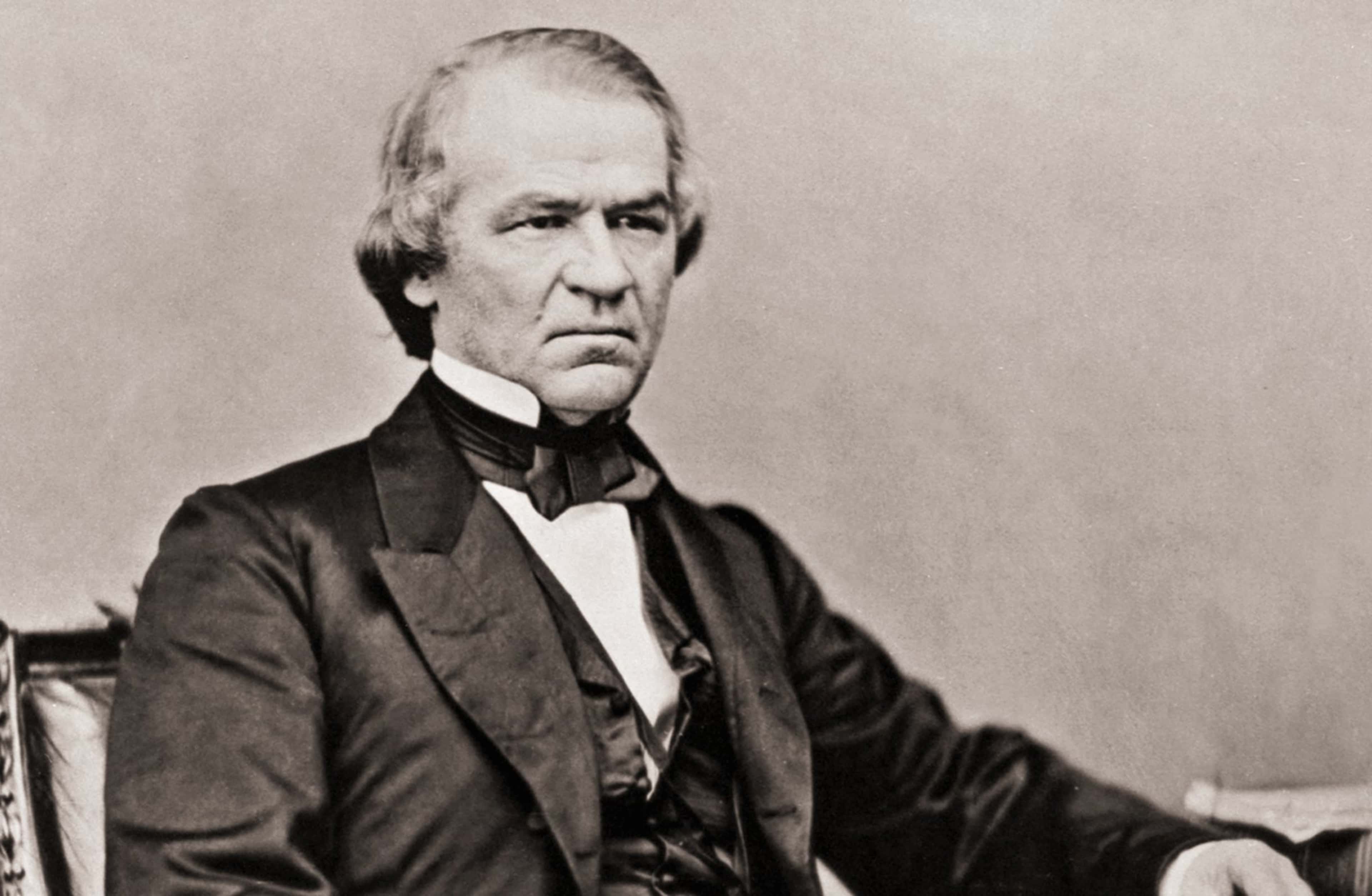
- President Andrew Johnson: Lincoln’s successor, whose lenient policies and rapid use of presidential pardons forced Congress to seek a constitutional amendment to bypass executive overreach.
The Evolution of Section 3: Disenfranchisement vs. Disqualification
The final text of Section 3 did not emerge overnight; it was the product of fierce debates and a significant shift in legislative strategy. The original version passed by the House of Representatives was temporary and focused on stripping individual voting rights (disenfranchisement). It barred anyone who voluntarily supported the Confederacy from voting in federal elections until July 4, 1870. However, when the bill reached the Senate, lawmakers realized that temporary disenfranchisement was an inadequate shield. It did not prevent insurrectionists from running for local offices, and it expired too quickly to protect future generations.
Senator Jacob Howard and his colleagues transformed the clause into a permanent standard of qualification. They argued that holding public office is not a fundamental right, but a privilege reserved for those who remain loyal to the Constitution. Under this framework, Section 3 was not a penal punishment requiring a criminal conviction, but rather an eligibility requirement, akin to age or citizenship limits. Unlike the revolutionary ideals that defined the American Revolution, where colonial leaders broke their bonds with Britain to form a new nation, the Confederate rebellion was viewed as a betrayal of a binding, democratic contract. By classifying disqualification as an eligibility standard, Congress circumvented the need for lengthy treason trials, which would have been impossible to win before Southern juries.
Enforcement, the Military Reconstruction Acts, and Ratification
Enforcing the newly drafted Section 3 presented a massive logistical challenge. To make the 14th Amendment part of the Constitution, Congress needed the approval of three-fourths of the states, including the defeated Southern states. To achieve this, Congress took the unprecedented step of passing the Military Reconstruction Acts of 1867. These acts divided the South into military districts and used the standard of Section 3 to bar former Confederates from voting for delegates to the state ratifying conventions. At the same time, the acts mandated that newly freed Black men be permitted to register and vote.
This strategic dual approach dramatically shifted the political balance in the South. The active participation of freedmen and Black soldiers, whose sacrifices represented some of the most inspiring stories of Black heroes throughout US military history, ensured that loyal, pro-Union governments were elected to ratify the amendment. Through this combined pressure, the 14th Amendment was successfully ratified on July 9, 1868. Later, the Enforcement Act of 1870 provided federal prosecutors with the legal tools to actively remove disqualified individuals from office.
Lesser-Known Historical Facts About Section 3
- An Enforcement Mechanism Before Ratification: The Military Reconstruction Acts enforced the principles of Section 3 to block Confederate voters and candidates before the 14th Amendment was actually ratified, an extraordinary measure of wartime transitional justice.
- Tens of Thousands Disqualified: While high-profile figures like Jefferson Davis and Alexander Stephens are well known, historians estimate that Section 3 initially disqualified tens of thousands of local Southern officials—including local sheriffs, clerks, and justices of the peace—who had previously taken an oath to the U.S. Constitution before joining the rebel cause.
- The Honor Culture Context: Nineteenth-century American politics was deeply rooted in an “honor culture.” Lawmakers believed that an official who violated a sworn oath to the Constitution had sacrificed their personal honor and could never again be trusted with the public trust.
Why the Disqualification Clause Matters Today
For nearly a century, Section 3 was treated as a dormant relic of the Civil War era. The passage of the General Amnesty Act of 1872 and a subsequent 1898 amnesty act had restored office-holding privileges to almost all former Confederates, leading many to believe the clause had served its temporary purpose. However, the language of Section 3 is deliberately broad and permanent, referencing “any insurrection or rebellion” rather than just the “late insurrection.”
Today, Section 3 has re-emerged at the center of modern constitutional law and national debate. In the wake of modern challenges to the peaceful transfer of power, legal scholars and courts have had to re-examine the original intent of the Reconstruction Congress. Understanding Section 3 helps modern citizens appreciate that the U.S. Constitution is not a helpless document; it contains built-in self-defense mechanisms designed to protect the republican form of government from internal subversion. Just as the Founding Fathers’ documents and ideals established a framework for a balanced government, the Reconstruction-era framers added critical guardrails to ensure that those who seek to destroy the system from within cannot use democratic elections to do so.
People Also Ask (FAQ)
What is Section 3 of the 14th Amendment?
Section 3, known as the Disqualification Clause, bars any individual from holding federal or state office if they have previously taken an oath to support the U.S. Constitution and subsequently “engaged in insurrection or rebellion” against the United States, or given aid and comfort to its enemies.

How can a disqualified person have their eligibility restored?
According to the text of the amendment, only Congress has the power to lift the disqualification, which requires a two-thirds vote of both the House of Representatives and the Senate.
Is a criminal conviction for treason required for disqualification?
No. Historically, the framers of the 14th Amendment structured Section 3 as an eligibility qualification (similar to age or residency requirements) rather than a criminal penalty. Consequently, a formal court trial or criminal conviction is not constitutionally required to trigger disqualification.
Conclusion
The Disqualification Clause of the 14th Amendment stands as a monument to a nation recovering from its darkest hour. Born from the urgent need to protect a fragile post-Civil War democracy from the very leaders who had sought to destroy it, Section 3 represents a fundamental constitutional principle: those who take an oath to protect the United States must be held to that promise. By examining its origins, from the defiance of Alexander Stephens to the legislative brilliance of Jacob Howard, we gain a deeper understanding of the enduring guardrails built into the American constitutional order—guardrails that continue to protect the republic to this day.


