During the darkest hours of the American Civil War, from 1861 to 1865, a quiet but deadly conflict raged far away from the smoke of the battlefields. While armies clashed in devastating open combat, a covert network of women spies of the Civil War was busy reshaping the destiny of a fractured nation. Operating beneath the rigid social expectations of Victorian society, these daring women exploited the prevailing cultural belief that females were too fragile, emotional, or politically naive to engage in espionage. In reality, they proved to be brilliant, calculating, and immensely brave operatives who sneaked past enemy lines, decoded complex military dispatches, and ran extensive intelligence rings. From the high-society salons of Washington, D.C., to the treacherous, muddy swamps of the American South, their intelligence reports directly influenced major campaigns and altered the course of history. Studying these remarkable female agents provides a vital, yet long-overlooked, lens through which we can fully appreciate the true complexity, desperation, and human cost of America’s bloodiest war.
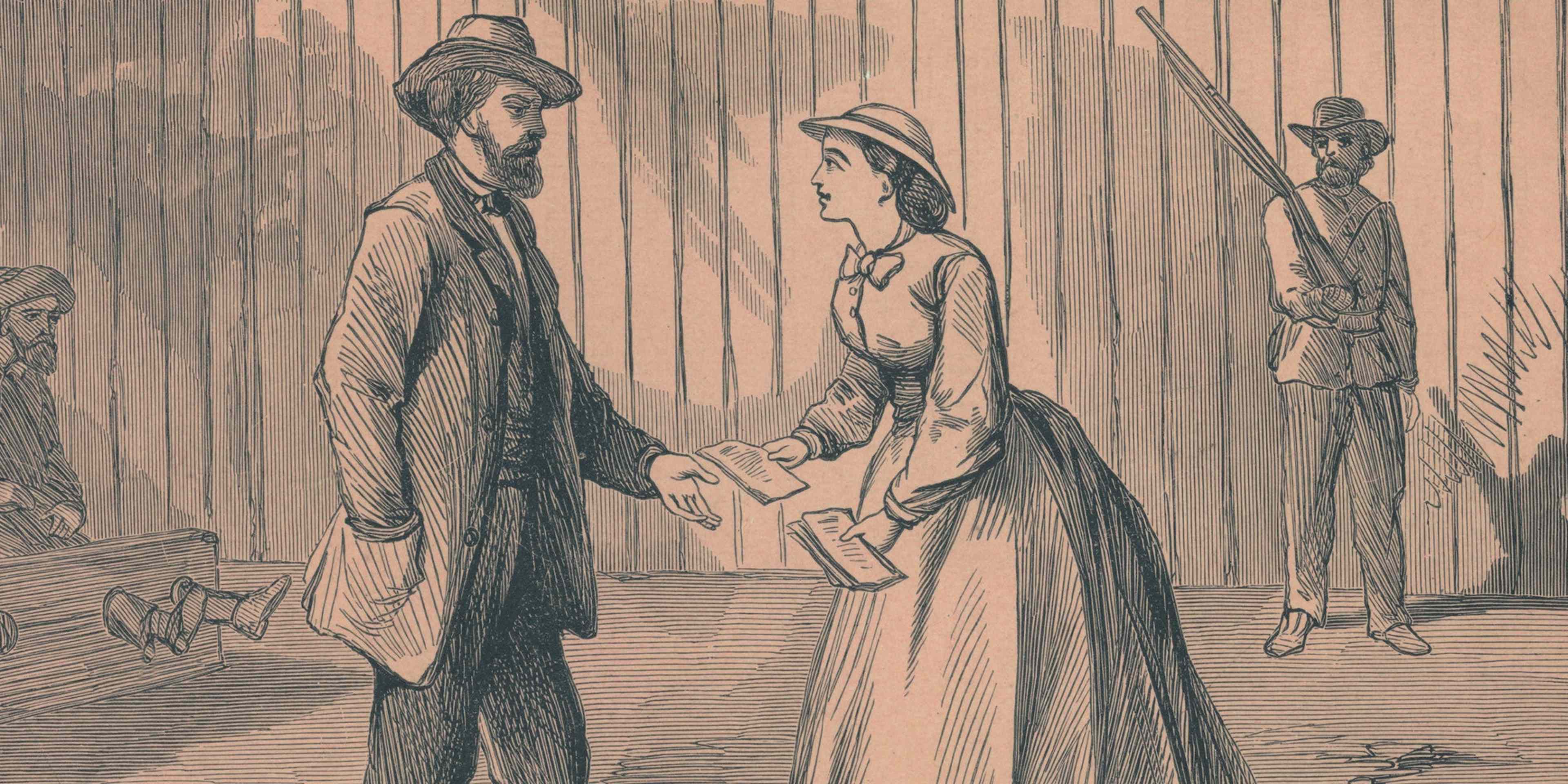
The Historical Background: Espionage in a Divided Nation
In the mid-19th century, the United States was torn apart by deep-seated sociopolitical and economic divisions, primarily centered on the institution of slavery and states’ rights. When the war broke out in April 1861, neither the Union nor the Confederacy possessed a formalized, modern military intelligence agency. While early American intelligence operations laid the ground rules for tactical espionage, such as how George Washington used spies to win the American Revolution, the Civil War elevated female espionage to an unprecedented level of strategic importance. Victorian gender roles dictated that women belonged in the private, domestic sphere. Military commanders on both sides initially overlooked women, assuming they lacked the capacity to comprehend military strategy. This cultural blindspot became the perfect tactical cover. Women soon realized that their voluminous hoop skirts, elaborate hairstyles, and social access made them ideal couriers, scouts, and intelligence officers.
Key Events Timeline: The Shadow War
- July 1861: Rose O’Neal Greenhow delivers a coded message that secures a Confederate victory at the First Battle of Bull Run (Manassas).
- August 1861: Allan Pinkerton, head of the Federal Secret Service, arrests Greenhow, placing her under strict house arrest.
- July 1861: Belle Boyd shoots a Union soldier in Martinsburg, Virginia, sparking her journey into espionage.
- May 1862: Belle Boyd slips through enemy lines to deliver critical tactical intelligence to General Stonewall Jackson in Front Royal, Virginia.
- June 1863: Harriet Tubman guides the Combahee River Raid, successfully liberating over 700 enslaved individuals.
- Late 1863: Union General Benjamin Butler recruits Elizabeth Van Lew to formalize and head the Richmond Underground espionage network.
- October 1864: Rose O’Neal Greenhow tragically drowns off the coast of North Carolina while carrying gold and dispatches for the Confederacy.
- April 1865: Richmond falls to Union forces, and Elizabeth Van Lew brazenly raises the Union flag over her mansion.
The Masterminds of Civil War Espionage
1. Rose O’Neal Greenhow: “Wild Rose” of the Confederacy
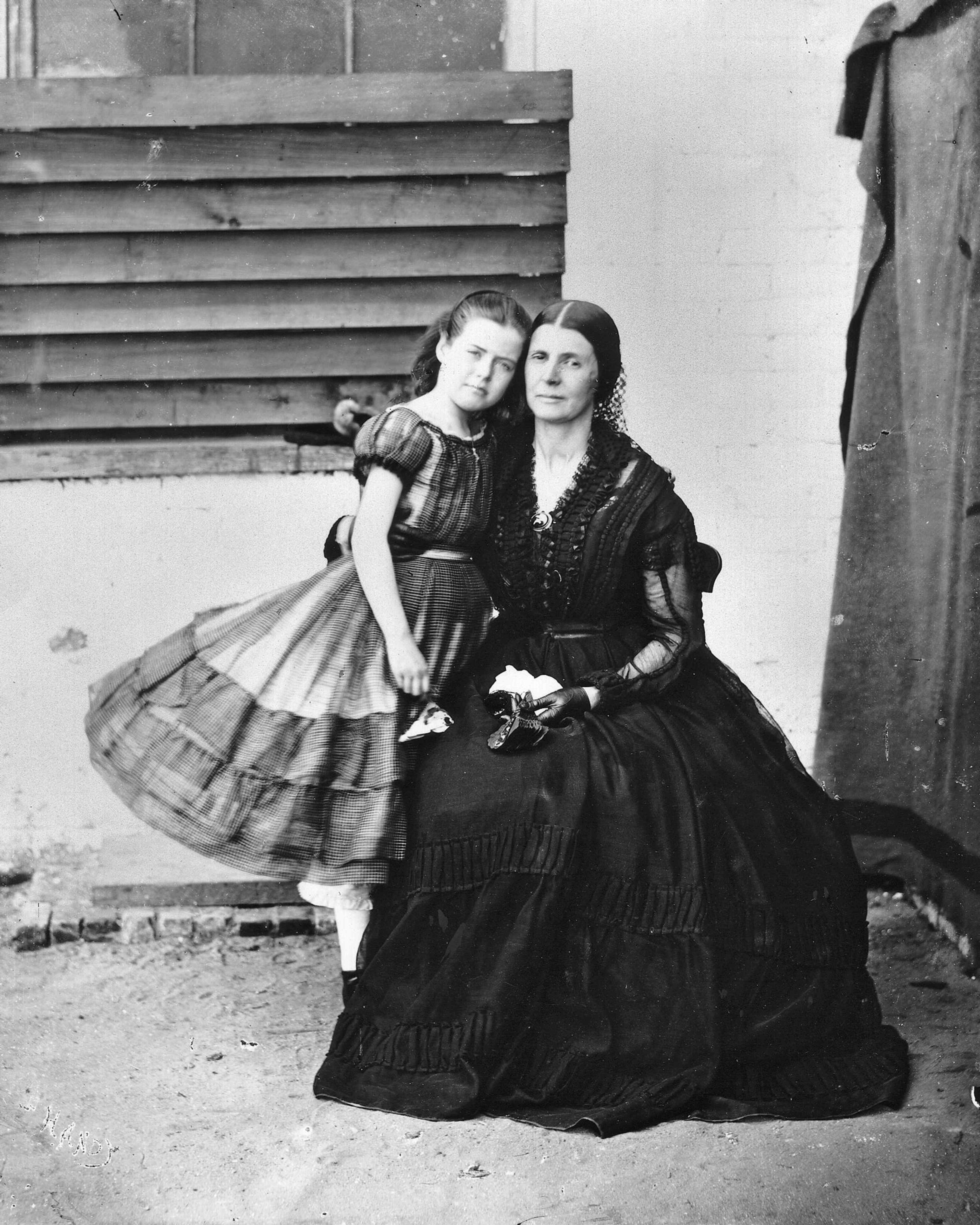
Known from a young age as “Wild Rose,” Rose O’Neal Greenhow was a prominent high-society widow in Washington, D.C. Gifted with charm and sharp political intellect, she cultivated relationships with powerful politicians, diplomats, and military officers. When the war began, she used these connections to build a massive pro-Confederate spy ring. Her most famous exploit occurred in July 1861, when she discovered Union plans to attack Manassas, Virginia. She sent a young courier, Bettie Duvall, with a coded message hidden in her hair. This intelligence allowed Confederate General P.G.T. Beauregard to reinforce his lines, leading to a decisive Confederate victory at the First Battle of Bull Run. Even after her arrest by Allan Pinkerton and subsequent imprisonment, Greenhow continued to smuggle out secret dispatches. She was later sent on a diplomatic mission to Europe, but her journey ended in tragedy in 1864 when her ship ran aground and she drowned, weighed down by gold coins meant for the Confederate treasury.
2. Harriet Tubman: The Moses of Her People
While Harriet Tubman is globally celebrated for her heroic work with the Underground Railroad, her contributions as a Union soldier and spy are equally legendary. Her intelligence operations and armed campaigns represented some of the most great strides for freedom in US history, transforming her into a military commander in her own right. In 1862, Tubman traveled to South Carolina, where she established a network of scouts and spies among newly liberated Black Americans. Posing as servants, cooks, and field hands, her operatives gathered valuable information about Confederate positions. In June 1863, Tubman became the first woman to plan and lead an armed assault in the Civil War during the Combahee River Raid. Despite her invaluable service, she was paid only 200 dollars over three years and was denied a military pension for decades, forcing her to sell baked goods to survive.
3. Belle Boyd: The Siren of the Shenandoah
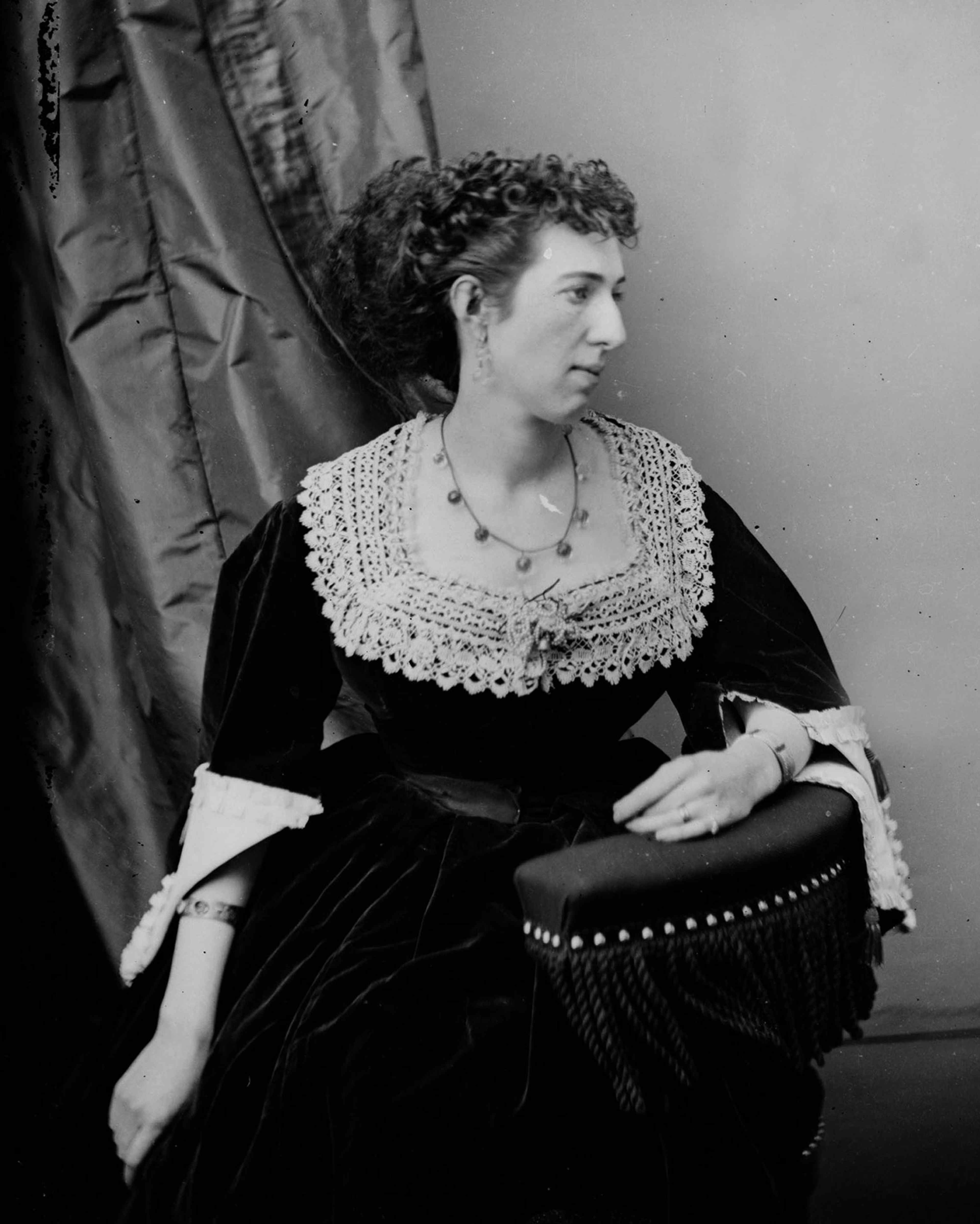
Belle Boyd was only seventeen when she shot a drunk Union soldier who had insulted her mother and desecrated a Confederate flag in her home. Acquitted of the shooting, she used her charm to beguile Union officers stationed in Martinsburg, Virginia. In 1862, while staying at her family’s hotel in Front Royal, she overheard Union officers discussing troop movements. Boyd rode through active battlefields, dodging bullets, to deliver this intelligence to Confederate General Stonewall Jackson, helping him secure victories in the Shenandoah Valley. Her bold exploits led to multiple arrests, a dramatic escape to England, and a successful post-war career as an actress and lecturer.
4. Elizabeth Van Lew: The Richmond Underground Leader
Elizabeth Van Lew was an educated, wealthy Unionist living in the Confederate capital of Richmond, Virginia. Driven by strong abolitionist beliefs developed at a Quaker school, Van Lew organized one of the most highly effective spy rings of the war. She visited Union prisoners at Richmond’s brutal Libby Prison, smuggling food, medicine, and letters. To deflect suspicion, she acted eccentric and dressed in shabby clothes, earning her the nickname “Crazy Bet.” Her network used invisible ink and hidden compartments in hollowed-out eggs to send coded dispatches directly to Union General Ulysses S. Grant. She was supported in her impoverished later years by the descendants of a Union officer she had assisted, who happened to be related to the legendary silversmith (discover more in 9 things you may not know about Paul Revere).
Causes and Context: Why Women Made Perfect Spies
The primary reason women spies were so successful was the rigid Victorian social code of the 1860s. Women were viewed as morally pure, delicate, and entirely detached from political or military affairs. Union and Confederate soldiers alike found it hard to believe that a woman could comprehend troop movements, let alone organize spy rings. This allowed female agents to travel across lines with relative ease. Furthermore, search protocols for women were extremely limited because men were forbidden from body-searching females. Consequently, women carried dispatches, blueprints, ammunition, and ciphers hidden inside their corsets, hoop skirts, and boots, turning their fashion into tactical assets.
The Long-Term Impact on America
The actions of these women changed the course of American history in profound ways. First, they proved that intelligence gathering was a cornerstone of modern warfare, pushing both the Union and Confederacy to develop more organized, structured secret services. Second, they radically challenged prevailing gender roles, proving that women possessed the courage, strategic intellect, and physical stamina required for active military service. This wartime legacy laid the groundwork for the post-war women’s suffrage movement, as leaders like Harriet Tubman argued that their wartime service earned them the right to vote. Finally, their lives highlighted the deep moral and political divides of the era, showcasing the extremes to which individuals would go to defend their respective visions for the nation.
Lesser-Known Facts About Civil War Female Spies
- The Confederate White House Mole: Elizabeth Van Lew successfully placed a brilliant, formerly enslaved woman named Mary Bowser (Mary Richards) as a servant in the household of Confederate President Jefferson Davis. Possessing a photographic memory, Bowser read top-secret military documents over Davis’s shoulder and passed the information directly to Van Lew’s network.
- The Fatal Weight of Gold: When Rose O’Neal Greenhow’s blockade-runner, the Condor, was pursued by Union ships, she insisted on escaping in a small rowboat. The boat capsized in rough water, and Greenhow drowned. Her body was pulled down by the weight of 2,000 dollars in gold coins sewn into her dress.
- Cryptic Vegetables: Elizabeth Van Lew’s couriers regularly hid micro-coded messages inside hollowed-out eggs, tomatoes, and even within the double soles of shoes to smuggle them past Confederate guards.
Why It Still Matters Today
Today, the stories of these women serve as a reminder of the diverse and unconventional ways individuals shape history. Modern intelligence agencies, including the CIA, recognize these historical figures as pioneers of tactical espionage. Their legacies continue to inspire discussions about gender equality, civil rights, and patriotism. Harriet Tubman’s planned placement on the United States 20-dollar bill serves as a testament to the enduring impact of her heroic double life as an abolitionist and military spy.
People Also Ask
Who was the most famous female spy in the Civil War?
While Harriet Tubman is the most globally recognized figure today due to her combined work in the Underground Railroad and Union military intelligence, Rose O’Neal Greenhow and Belle Boyd were the most widely famous and notorious spies during the war itself, earning sensational headlines across both the North and South.
How did women spies hide their messages?
Women spies took advantage of Victorian fashion trends. They hid coded dispatches, ciphers, and drawings inside their corsets, hollowed-out shoe heels, elaborate hairdos, and the heavy metal hoops of their skirts. They also utilized invisible ink and hid messages inside everyday items like hollowed-out eggs and vegetables.
Were female Civil War spies executed?
No female spies are known to have been executed during the American Civil War. Because of Victorian-era chivalry and societal taboos against executing women, captured female spies were usually placed under house arrest, imprisoned for short periods, or banished to the opposing side’s territory.
Conclusion
The history of the Civil War is incomplete without acknowledging the vital role played by female agents. Operating in the shadows, women like Rose O’Neal Greenhow, Harriet Tubman, Belle Boyd, and Elizabeth Van Lew shattered Victorian stereotypes and demonstrated incredible tactical brilliance. Their courage, resourcefulness, and sacrifice not only altered military outcomes but also expanded the boundaries of what women could achieve, leaving a legacy that continues to resonate in modern discussions about equality, intelligence, and patriotism.


