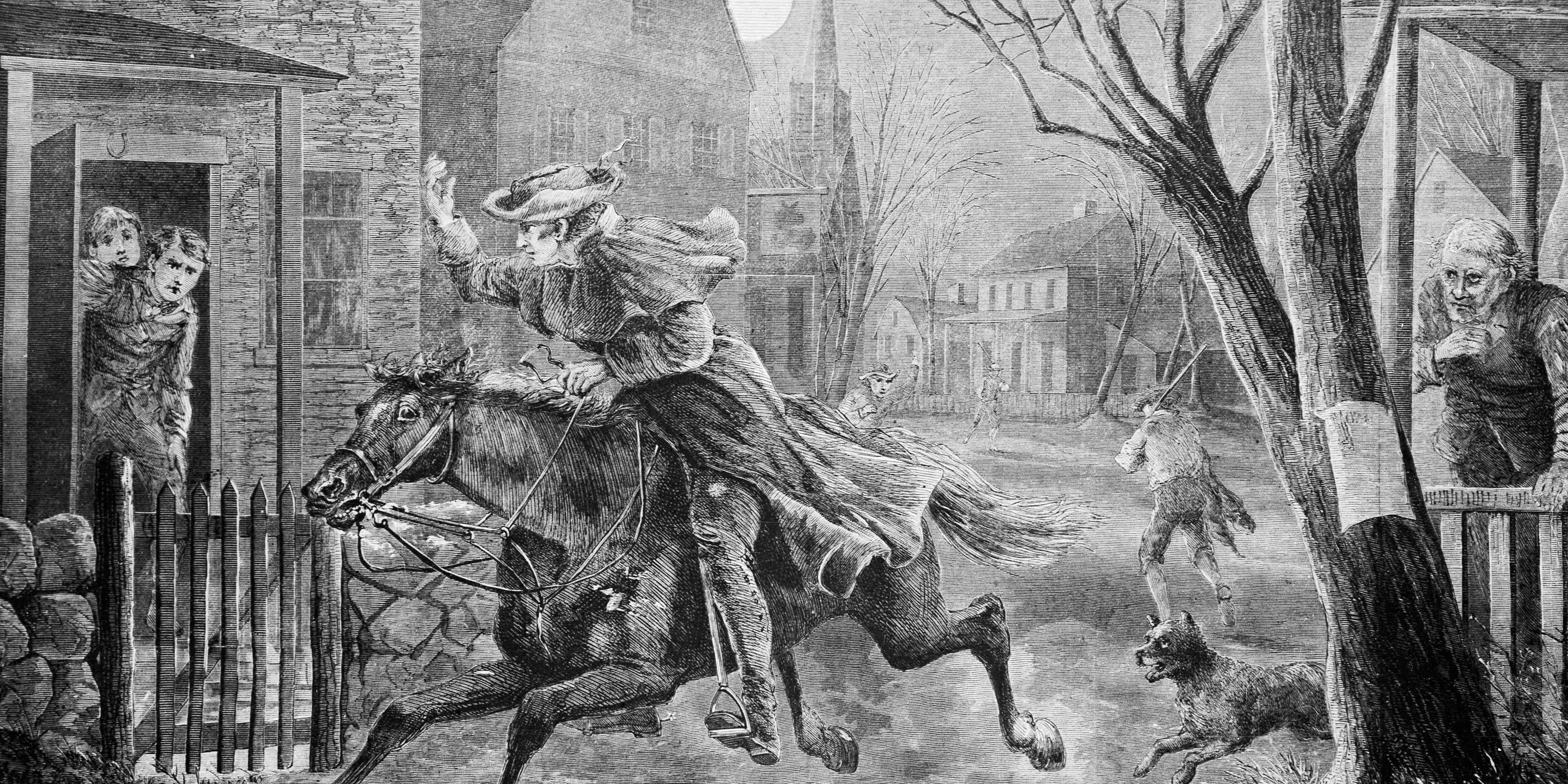
The name Paul Revere immediately conjures a cinematic image: a solitary horseman galloping through the dark Massachusetts night, shouting a legendary warning into the crisp spring air. While Henry Wadsworth Longfellow’s famous 1861 poem, “Paul Revere’s Ride,” successfully cemented him as the ultimate archetype of the American patriot, the real historical figure was far more complex, industrious, and fascinating than the myth suggests. Beyond his single midnight journey on April 18, 1775, Revere was an innovative artisan, a pioneer of early forensic medicine, an industrial manufacturer, and the mastermind behind one of America’s very first covert intelligence networks. To truly understand the dawn of the American Revolution, we must look past the romanticized legends and explore the deep, multi-faceted history of this extraordinary Bostonian whose contributions shaped the nation’s trajectory both on and off the battlefield.
Historical Background: Boston on the Brink
To understand Paul Revere’s rise, one must understand the volatile atmosphere of late 18th-century Boston. Following the French and Indian War (1754–1763), Great Britain found itself deeply in debt. To recoup these losses, the British Parliament enacted a series of direct taxes on the American colonies, starting with the Stamp Act of 1765. These taxation measures, imposed without colonial representation, sparked widespread outrage and civil unrest across the eastern seaboard.
Paul Revere was born in Boston’s North End around December 1734. His father, Apollos Rivoire, was a French Huguenot who had fled religious persecution, immigrated to Boston at age 13, and eventually anglicized his name to “Revere” so local Puritans could easily pronounce it. Young Paul grew up in a busy, working-class household as one of eleven or twelve children. He trained under his father as a silversmith, inheriting a meticulous craft that required immense precision. Revere was far more than an energetic courier. In his daily professional life, he masterfully navigated some of the 6 common jobs in colonial America, establishing himself primarily as a premier Boston silversmith and engraver, but also as an early practitioner of dentistry.
Key Events Timeline in the Life of Paul Revere
- 1734/1735: Born in Boston, Massachusetts, to Apollos Rivoire and Deborah Hitchbourn.
- 1756: Fights briefly in the French and Indian War, serving as a second lieutenant in the colonial artillery.
- 1770: Produces the famous copper plate engraving of the Boston Massacre, serving as powerful anti-British propaganda.
- 1773: Participates in the Boston Tea Party, dumping British tea into Boston Harbor alongside fellow Sons of Liberty.
- 1774: Co-founds “the Mechanics,” the first documented patriot intelligence and spy network in American history.
- April 18, 1775: Embarks on his historic Midnight Ride to warn Lexington and Concord of advancing British forces.
- 1776: Practices the first recorded case of forensic dentistry in the United States by identifying the body of Dr. Joseph Warren.
- 1801: Establishes the first successful copper rolling mill in the United States in Canton, Massachusetts.
- 1818: Dies at the age of 83, leaving behind a massive legacy of industrial innovation and revolutionary heroism.
Important Figures and Their Roles
Paul Revere’s story is deeply interconnected with some of the most prominent leaders of the early Revolutionary period. His actions were never carried out in isolation; they were part of a highly coordinated web of resistance.
Dr. Joseph Warren
A brilliant physician and president of the Massachusetts Provincial Congress, Dr. Warren was Revere’s close friend and political ally. It was Warren who received intel about British movements on April 18, 1775, and ordered Revere and William Dawes to ride. Revere’s close association with Warren highlights the interconnected nature of early Patriot leadership. Warren, who tragically fell at the Battle of Bunker Hill, was a vital figure in coordinating the initial militia defense. To understand how these early leaders organized the resistance before the official military command was unified, one can examine who commanded the Continental Army before Washington took the reins.
William Dawes and Dr. Samuel Prescott
While Longfellow’s poem single-handedly praised Revere, he was actually accompanied by two other essential riders. William Dawes, a Boston tanner, took a longer land route to Lexington, while Dr. Samuel Prescott, a young physician, joined them mid-journey. When Revere was captured by British patrols, it was Prescott who successfully completed the ride to Concord, ensuring the town’s munitions were hidden in time.
John Hancock and Samuel Adams
The primary target of the British advance on Lexington was not the local ammunition depot, but rather these two major revolutionary leaders. Revere’s chief objective on his ride was to warn Hancock and Adams to flee before British forces could arrest them for treason against the Crown.
Causes and Context: Espionage and “The Mechanics”
Before open warfare broke out, Revere acted as a master spy. According to records recognized by the Central Intelligence Agency (CIA), Revere founded “the Mechanics” (or “the Liberty Boys”), a clandestine group of artisans and laborers who met secretly in the Green Dragon Tavern. This was the first organized intelligence-gathering ring in American history.
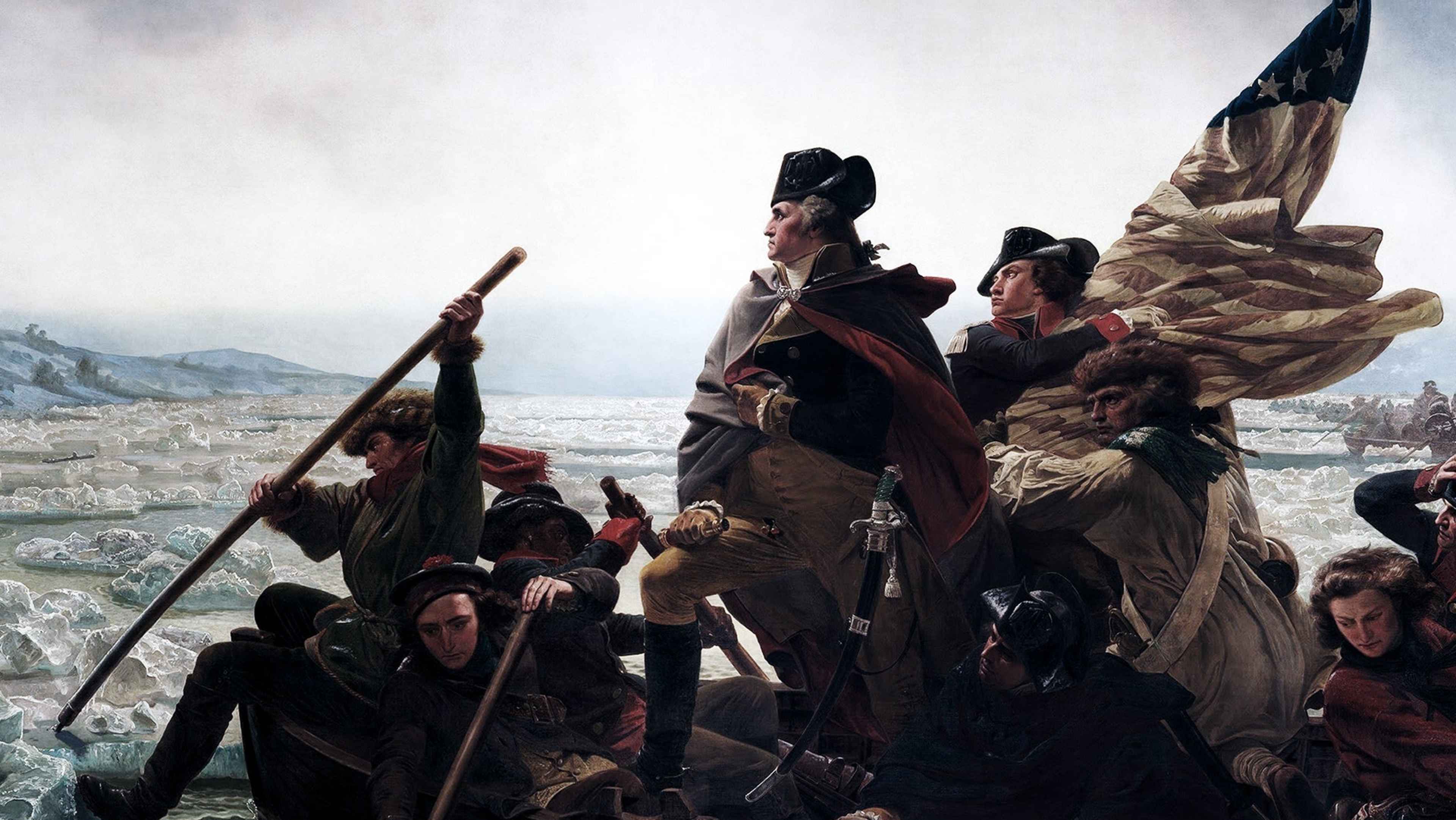
The group monitored British troop movements, identified local loyalist conspirators, and carried messages across the colonies. Revere was their primary courier, regularly riding hundreds of miles to deliver critical political updates to New York and Philadelphia. The network of alarm riders he helped organize served as a vital connective tissue across New England, a region that played a foundational role in shaping the 13 colonies map and original states.
Major Turning Points and the Midnight Ride
The night of April 18, 1775, altered the course of human history. When British troops began crossing the Charles River, Revere set his pre-arranged signal plan into motion: hanging lanterns in the steeple of Boston’s Old North Church (“one if by land, two if by sea”) to warn patriots across the river in Charlestown.
Slipping past a British warship, Revere borrowed a fast horse named “Brown Beauty” from merchant John Larkin. Although Revere was eventually detained by British officers near Lexington, his early warnings had already triggered a highly efficient network of bells, drums, and secondary riders. By morning, hundreds of minutemen were prepared, turning the battles of Lexington and Concord from a planned British surprise raid into a humiliating retreat for the Crown’s elite soldiers. This armed confrontation was the definitive turning point that made the Revolutionary War inevitable.
Lesser-Known Facts and Surprising Anecdotes
1. The First Forensic Dentist in American History
Revere used his meticulous craftsmanship to carve and wire false teeth made of walrus ivory or animal bones. In 1776, after Dr. Joseph Warren was killed at Bunker Hill and buried in a mass grave, his body was exhumed nine months later. Revere was able to positively identify his friend’s decomposed remains by recognizing the specific silver wire work he had used to attach Warren’s false tooth. This stands as the first documented case of forensic dental identification in the Americas.
2. He Never Shouted “The British Are Coming!”
The legendary phrase was never uttered during the ride. First, the mission was highly classified, requiring quiet, door-to-door whispers to avoid alerting the numerous British patrols stationed in the Massachusetts countryside. Second, at that point in 1775, most colonists still considered themselves British. Shouting “the British are coming” would have confused locals. Instead, historical accounts show Revere reported that “the Regulars” (the standard term for British redcoats) were on the move.
3. He Was a Self-Taught Copper Industrialist
After the war, Revere did not rest on his laurels. He opened a massive hardware store, constructed a foundry, and built the nation’s very first rolling copper mill. His company provided the vital copper sheathing used to protect the hull of the historic frigate USS Constitution (famously known as “Old Ironsides”) and supplied the copper dome for the Massachusetts State House. His company, Revere Copper Products, Inc., survived for centuries.
Long-Term Impact on America
Revere’s contributions extended far beyond political subversion. His transition from a colonial artisan to an industrial manufacturer mirrored the broader transformation of the United States. By developing domestic metallurgy, casting over 900 church bells, and producing heavy-duty copper sheeting, Revere helped the young republic break its economic dependence on European manufacturing. He proved that the United States could not only declare independence on paper but also sustain it physically, militarily, and industrially.
Why It Still Matters Today
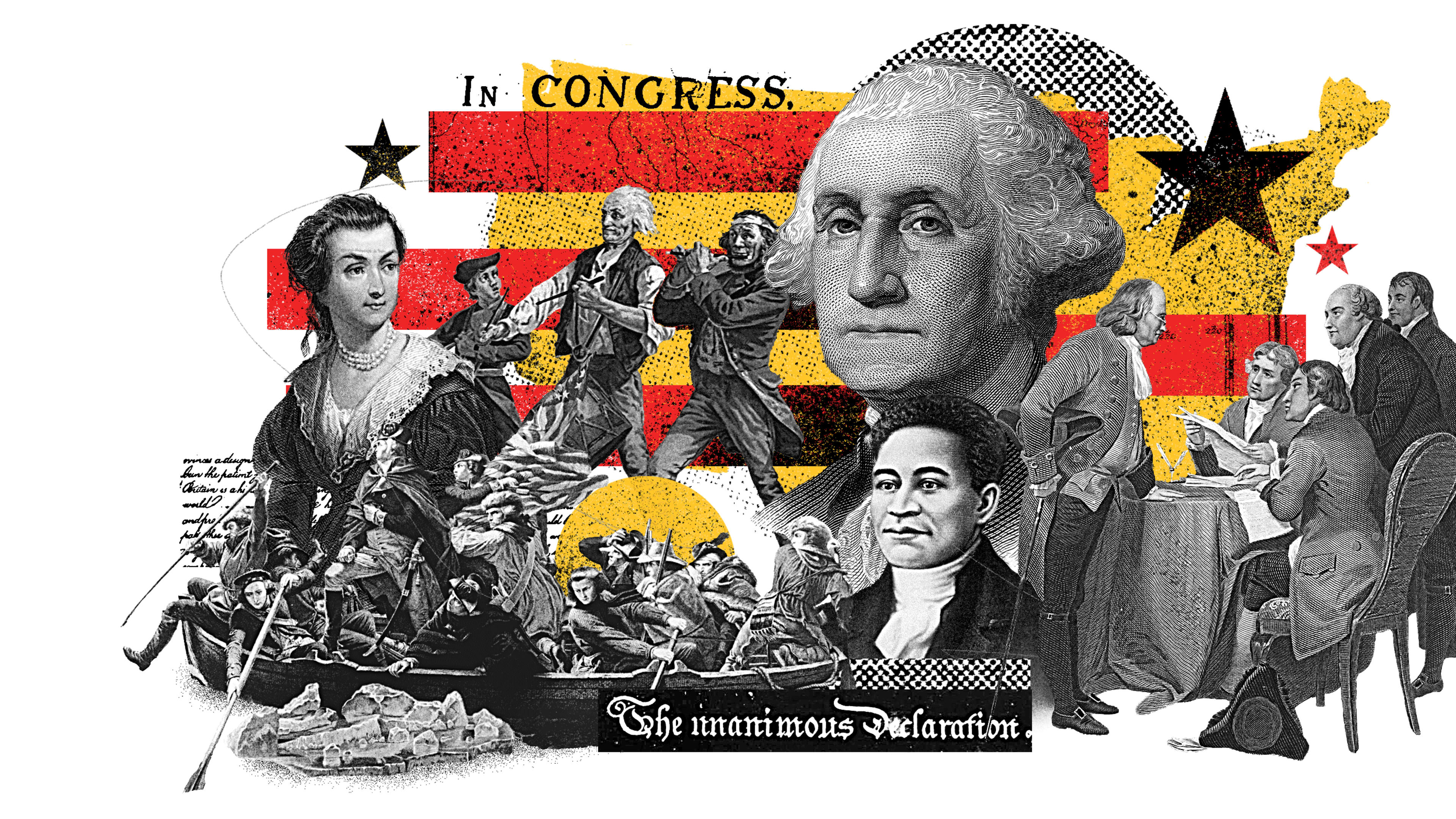
Paul Revere’s legacy serves as a powerful reminder of how history is written and remembered. The contrast between Longfellow’s romanticized, individualistic poem and the actual collaborative nature of the midnight ride teaches us an important lesson about the power of collective action. Revere did not save the day alone; he was part of a coordinated community of ordinary citizens—blacksmiths, farmers, doctors, and merchants—who stepped up when their liberties were threatened. In an era of complex global challenges, his story emphasizes that lasting change is rarely the work of a single hero, but rather the result of organized, everyday people working toward a common goal.
People Also Ask (PAA)
Did Paul Revere actually make George Washington’s wooden teeth?
No, this is a popular myth. While Revere did practice dentistry and fashioned dentures out of walrus ivory and animal teeth, he never made dentures for George Washington. Washington’s famous dental prosthetics were crafted by other dentists of the era, such as John Greenwood, using materials like gold, ivory, and human teeth—but never wood.
What happened to the horse Paul Revere rode?
The horse, believed to be a high-quality mare named Brown Beauty, was loaned to Revere by Charlestown merchant John Larkin. During his ride, Revere was intercepted and captured by British officers near Lexington. The British officers confiscated the horse, leaving Revere to walk back to Lexington on foot. The ultimate fate of Brown Beauty remains unknown, but she was never returned to the Larkin family.
How many children did Paul Revere have?
Paul Revere had an astonishing 16 children. He fathered eight children with his first wife, Sarah Orne. Following Sarah’s death in 1773, Revere married Rachel Walker, with whom he had another eight children. He raised his massive family in his North End home, which remains standing today as Boston’s oldest residential building.
Conclusion
Paul Revere was a true Renaissance man of early America. Far from being a simple footnote in a 19th-century poem, he was a relentless innovator, a daring intelligence operative, and a visionary industrialist. From his secretive meetings at the Green Dragon Tavern to his groundbreaking metallurgy that protected the early US Navy, Revere dedicated his 83 years of life to building, defending, and defining the United States of America. His true story remains far more compelling, inspiring, and instructive than the myths that replaced it.


