In the turbulent years of the post-Civil War Reconstruction era, the American South was a crucible of political upheaval and violent racial friction. Among the darkest, most devastating episodes of this period was the 1868 Opelousas Massacre in St. Landry Parish, Louisiana. Spanning several weeks beginning on September 28, 1868, this orchestrated wave of terror systematically dismantled the newly acquired political rights of formerly enslaved African Americans. As the nation prepared for a highly contested presidential election, white supremacists resorted to catastrophic violence to reverse the democratic gains of Reconstruction. This tragic event remains a stark and harrowing lesson in the history of American voter suppression, showing the extreme and brutal measures used to enforce racial hierarchies. Understanding the Opelousas Massacre is not merely an examination of historical bloodshed; it is a vital exploration of how political violence and media manipulation shaped the struggle for racial equality in the United States, leaving a legacy that still echoes in contemporary civil rights debates.
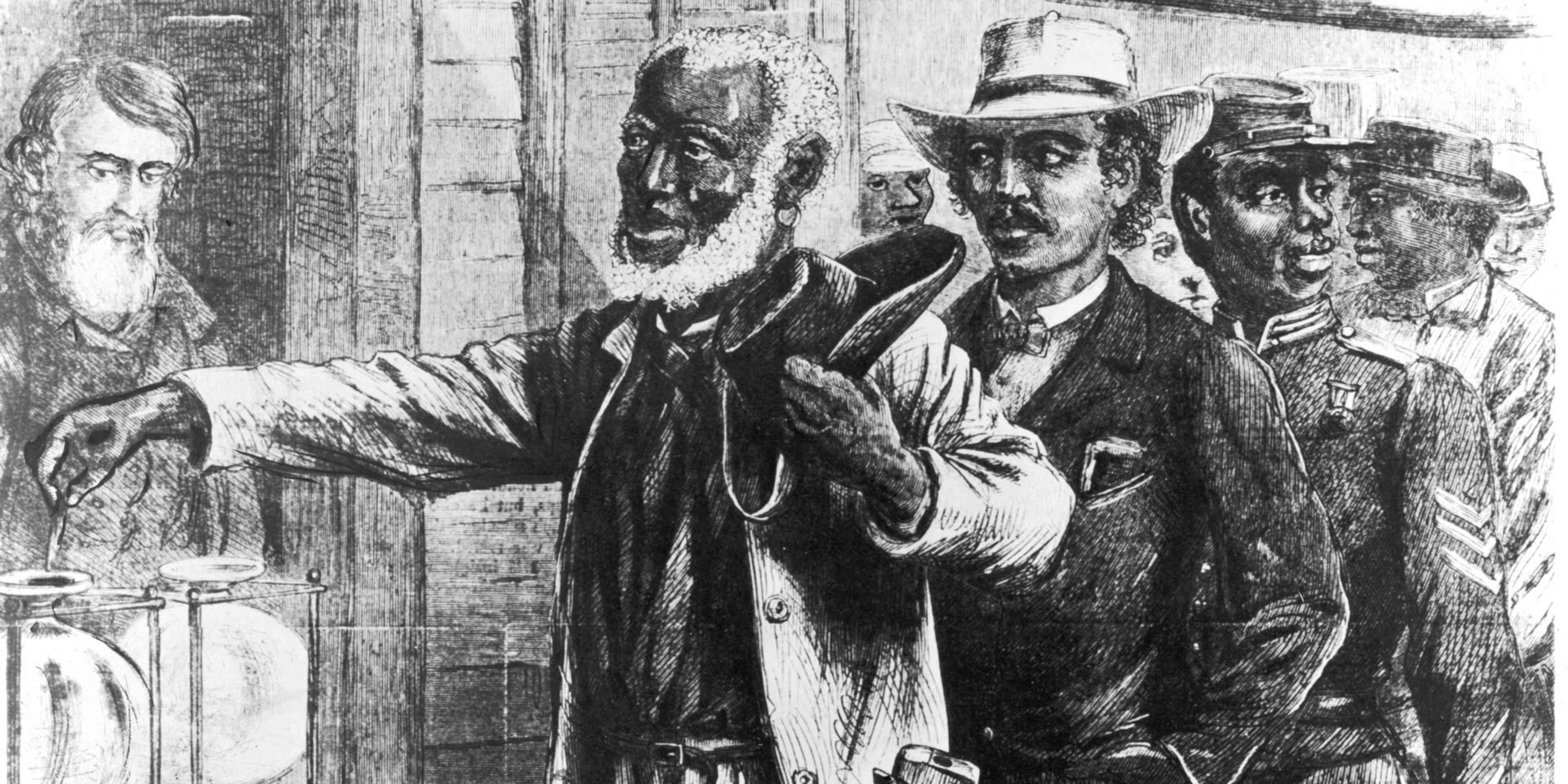
Historical Background: The High Stakes of Reconstruction Louisiana
Following the conclusion of the American Civil War in 1865, the federal government embarked on Reconstruction—a monumental, highly contested effort to rebuild the defeated South and integrate nearly four million formerly enslaved people into the nation’s democratic fabric. By 1868, this transformation was reaching a fever pitch. In April of that year, Louisiana ratified a remarkably progressive new state constitution. This document granted full citizenship, equal civil liberties, and voting rights to Black men, while simultaneously outlawing racial segregation in public transit and schools. Furthermore, the ratification of the Fourteenth Amendment in July 1868 cemented equal protection under the law at the federal level.
However, the white planter class and conservative Democrats in Louisiana viewed these historic shifts with profound anger. Struggling with a severe labor shortage, agricultural failures, and a complete loss of political dominance, they saw Black political empowerment as an existential threat to their traditional social order. The upcoming November 1868 presidential election, pitting Republican war hero Ulysses S. Grant against Democratic nominee Horatio Seymour, became the ultimate battleground. Partisan media played an enormous role in this conflict. Long after early colonists debated what was America’s first newspaper, the print media had evolved into a fierce partisan weapon. In St. Landry Parish, the Republican-aligned newspaper The St. Landry Progress became a crucial voice for newly enfranchised Black voters, while Democratic editors retaliated with inflammatory, white supremacist rhetoric under Seymour’s campaign slogan: “This is a White Man’s Government.”
Key Figures of the Conflict
To understand the explosive dynamics in Opelousas, one must look at the key individuals who defined this historical flashpoint:
- Emerson Bentley: An 18-year-old white native of Ohio who moved to Louisiana after the war. Serving as a teacher for Black children and the editor of The St. Landry Progress, Bentley was labeled a “carpetbagger” by local Democrats. Driven by deep Christian and abolitionist convictions, he used his newspaper to passionately advocate for Black voter registration and education.
- The Seymour Knights: The local, highly militarized branch of the Knights of the White Camelia, a white supremacist organization similar to the Ku Klux Klan. Leading figures of this group in Opelousas included John Williams, James R. Dickson (who later became a local judge), and constable Sebastian May. They were dedicated to using intimidation and physical violence to suppress the Republican vote.
- Ulysses S. Grant and Horatio Seymour: The opposing presidential nominees of 1868. Grant represented the hope of federal protection for civil rights, while Seymour represented the conservative white Southern effort to restore pre-war racial hierarchies.
Chronological Timeline of the 1868 Tragedy
The escalation of tension in St. Landry Parish unfolded over several months, culminating in a horrific campaign of racial violence:
- April 1868: Louisiana voters ratify the radical new state constitution, driven by massive turnout among newly registered Black Republicans.
- September 13, 1868: A tense standoff occurs in the nearby town of Washington between armed white Democrats and Black Republicans. Although a tentative peace treaty is negotiated—banning weapons at political rallies and instructing Emerson Bentley to avoid “incendiary” remarks—tensions remain dangerously high.
- September 19, 1868: Appalled by ongoing intimidation, Bentley publishes an editorial in The St. Landry Progress, denouncing the Democrats’ armed presence and calling on Black voters to reject intimidation.
- September 28, 1868: Three Seymour Knights confront Bentley at his schoolhouse, savagely beating him with a cane in front of his young Black pupils. This brutal attack serves as the immediate catalyst for the massacre.
- September 29, 1868: Falsely believing Bentley has been murdered, Black community members arm themselves for protection. White vigilantes interpret this as a “Black Revolt” and arrest 27 Black men, who are then systematically executed that night with the compliance of local law enforcement.
- October 1868: For over two weeks, armed white mobs scour the countryside in a murderous “Negro hunt,” killing hundreds of Black residents, destroying the Republican press, and burning down Bentley’s schoolhouse.
- November 3, 1868: The presidential election takes place. Due to the absolute terror of the massacre, Ulysses S. Grant receives zero votes in St. Landry Parish.
The Turning Point: The Schoolhouse Beating and the Myth of Revolt
The turning point of the crisis occurred on September 28, 1868, inside a modest Methodist church schoolhouse on the outskirts of Opelousas. While Emerson Bentley was teaching his young students, John Williams, James R. Dickson, and Sebastian May burst into the room. Demanding a retraction of Bentley’s recent editorial, Dickson violently assaulted the teenage teacher with a walking cane. Terrified, the school children fled into the streets crying, “They are killing Mr. Bentley!”
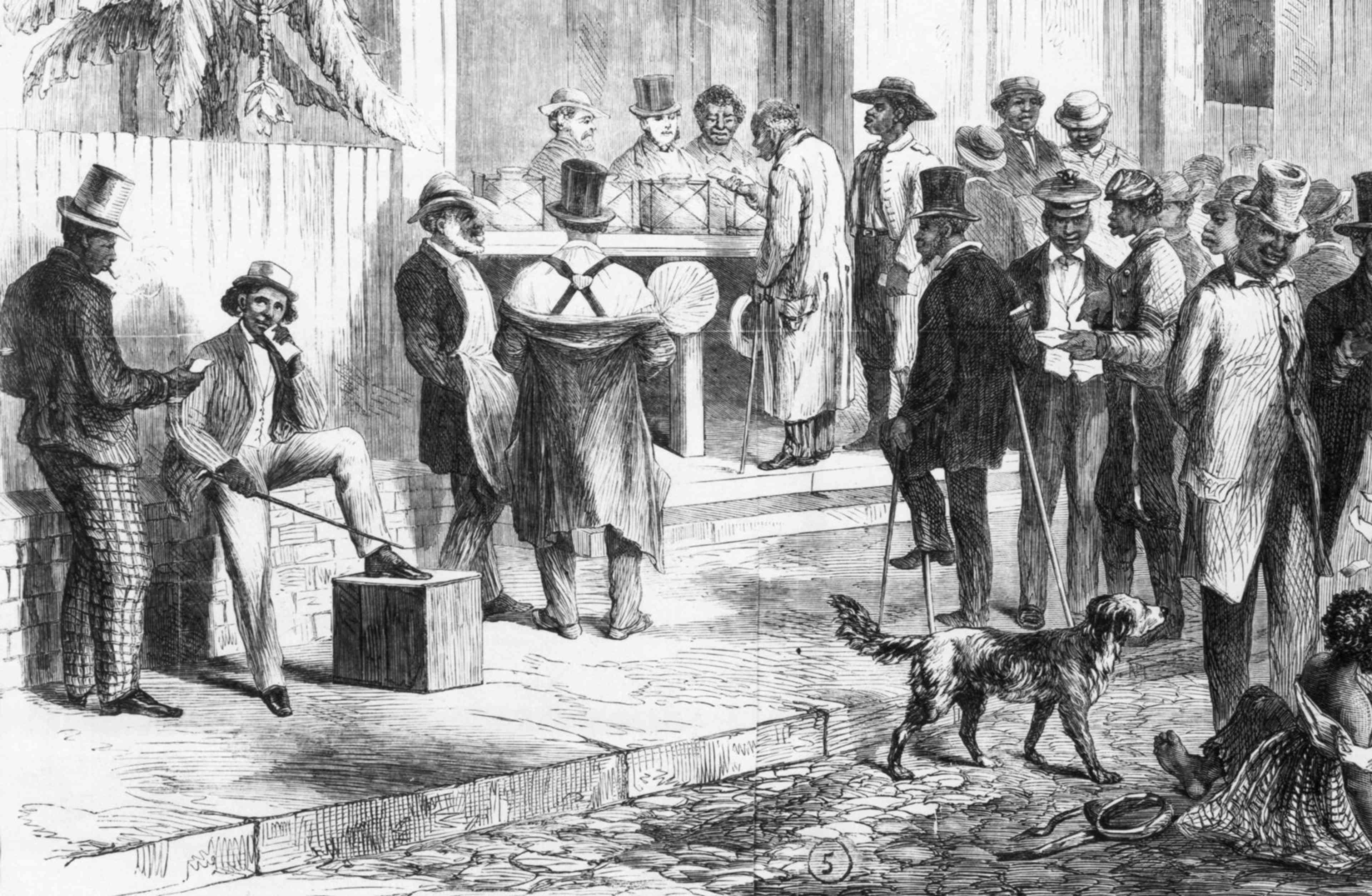
Though Bentley survived the initial beating and managed to escape the parish under the cover of night, the rumor of his death spread like wildfire. Fearing a localized wave of lynchings, Black citizens armed themselves for self-defense. This act of self-preservation was immediately twisted by the Knights of the White Camelia. They manufactured the narrative of an impending, violent “Black Rebellion.” This false panic authorized a massive, coordinated mobilization of thousands of white supremacists. In the ensuing chaos, local authorities arrested 27 Black men. Under the cover of darkness, a white mob marched these prisoners out of the jail and executed them in cold blood, signaling the start of a weeks-long slaughter.
Long-Term Impact: Dismantling the Southern Republican Party
The immediate political objective of the Opelousas Massacre was achieved with devastating efficiency. By systematically murdering Black community leaders, destroying the local Republican press, and driving white allies out of the region, white Democrats completely erased the Republican Party’s presence in St. Landry Parish. The rapid political progress that had once been celebrated as one of the great strides for freedom in US history was violently crushed in Louisiana.
In the November 1868 election, not a single Republican ballot was cast in a parish that had previously shown overwhelming Republican alignment. The massacre established a brutal template for southern “redemption”—the violent overthrow of Reconstruction governments by white supremacists. This strategy of voter suppression, state-sanctioned terror, and systemic disenfranchisement paved the way for the Jim Crow era, effectively stripping Black Southerners of their constitutional rights for nearly a century.
Lesser-Known Facts about the Opelousas Massacre
While the broader strokes of Reconstruction-era violence are documented, several lesser-known details highlight the profound horror and survival strategies of this event:
- The Red Ribbons of Surrender: To survive the rampaging white mobs, terrified Black residents were forced to tie red strings or ribbons around their arms. This symbol signaled to white patrols that they had officially surrendered, renounced the Republican Party, and begged for white “protection.”
- The Total Disappearance of Grant’s Votes: Despite Ulysses S. Grant winning the presidency nationwide in 1868, the official voter logs of St. Landry Parish recorded exactly zero votes for him. Local registration supervisors later admitted that any man who attempted to cast a Republican ballot would have been killed within 24 hours.
- A Precursor to Colfax: The sheer scale of the Opelousas Massacre set a dangerous precedent for future atrocities, most notably the infamous 1873 Colfax Massacre, illustrating how unchecked racial terror in Louisiana became a normalized political tool.
Why It Still Matters Today
The legacy of the 1868 Opelousas Massacre is not a closed chapter of the distant past; it is directly connected to modern struggles over voting rights, gerrymandering, and systemic inequality. The underlying objective of the massacre—to limit the voting strength of minority populations and manipulate electoral maps to maintain a specific political hierarchy—continues to manifest in contemporary legal battles over voting access and congressional redistricting. By confronting the dark reality of Opelousas, we gain critical perspective on how fragile democratic gains can be when threatened by organized extremist violence and structural disenfranchisement.
People Also Ask
How many people died in the Opelousas Massacre?
While contemporary Democratic accounts claimed only 25 to 30 people died, a subsequent federal military investigation concluded that at least 233 people were killed. Modern historians estimate that the true death toll of Black citizens ranges between 150 and 300, making it one of the deadliest single incidents of racial violence in the Reconstruction era.
What was the purpose of the Knights of the White Camelia?
Formed in Louisiana in 1867, the Knights of the White Camelia was a white supremacist terrorist organization similar to the Ku Klux Klan. Their primary objective was to restore white supremacy, dismantle Reconstruction reforms, and violently prevent African Americans from exercising their newly acquired political and voting rights.
Did Emerson Bentley survive the attack?
Yes. Although he was severely beaten with a cane at his schoolhouse, Emerson Bentley survived. He hid in a nearby barn overnight and, with the help of safe houses maintained by local Black and white Republicans, managed to escape to New Orleans and eventually returned to the North.
Conclusion: The Enduring Lessons of St. Landry Parish
The 1868 Opelousas Massacre stands as a sobering testament to the immense cost of the fight for American democracy. It exposes the brutal lengths to which those in power will go to preserve racial and political hegemony. By remembering the victims of St. Landry Parish and understanding the mechanisms of terror used to silence them, modern society is reminded of the ongoing duty to protect, defend, and expand the right to vote for all citizens, ensuring that the dark errors of history are never repeated.


