Historical Background: The Crisis of 1777
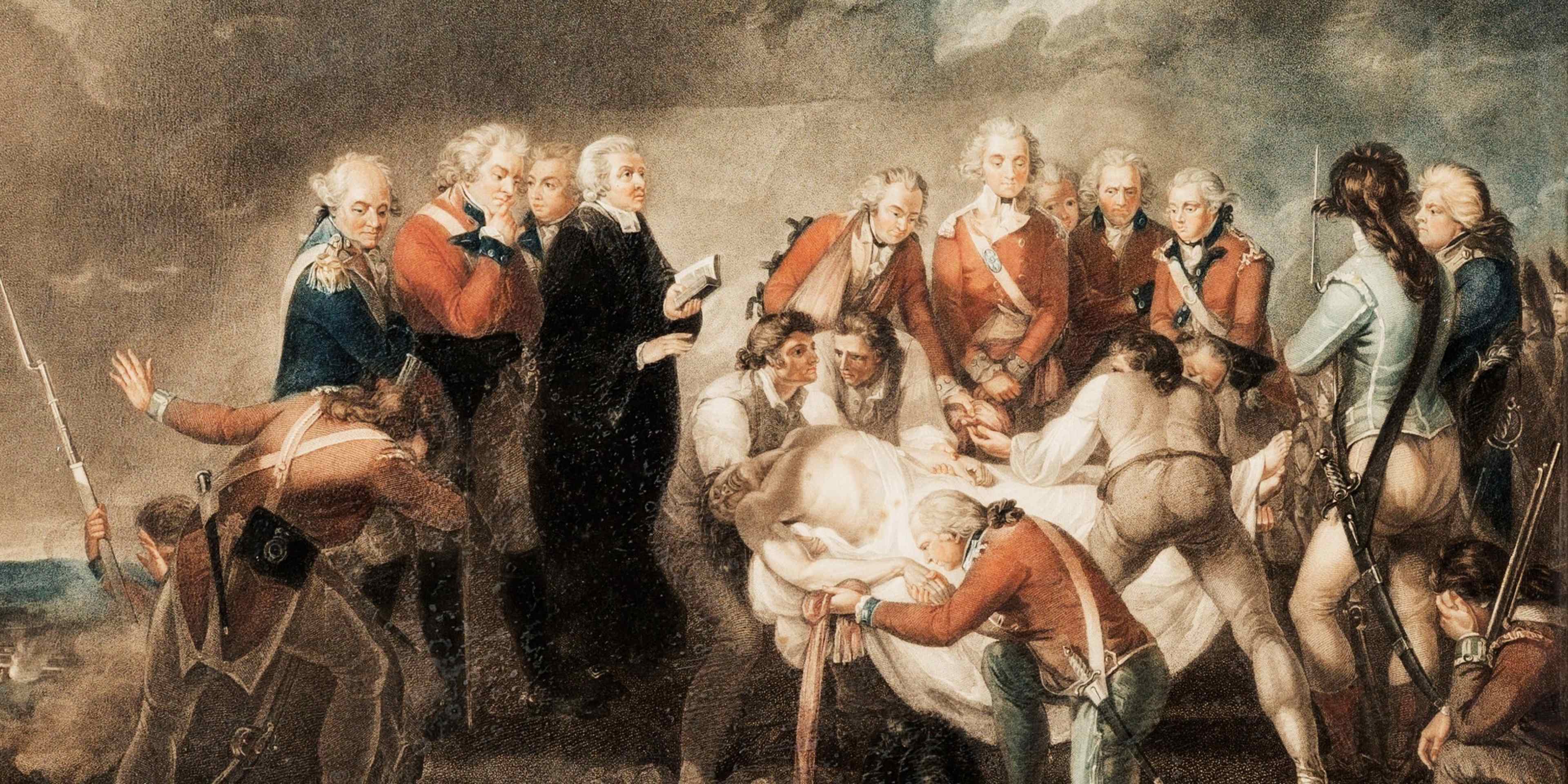
By the summer of 1777, the American Revolution was entering a dangerously unstable phase. Following the collapse of the American invasion of Canada in the previous year, the British high command formulated a grand strategy designed to crush the rebellion in a single, decisive campaign. Orchestrated by Major General John Burgoyne, the plan aimed to seize control of the vital Hudson River-Lake Champlain corridor. By advancing south from Quebec to Albany, Burgoyne intended to isolate New England—the hotbed of revolutionary fervor—from the rest of the colonies, effectively cutting off the supply lines and coordination capabilities of the Continental Army.
To execute this ambitious plan, Burgoyne assembled a diverse force of approximately 8,000 men, including British regulars, German Brunswick mercenaries (Hessians), Canadian volunteers, and Native American allies. Initially, the offensive met with stunning success. In early July 1777, Burgoyne’s forces easily captured Fort Ticonderoga, a major psychological blow to the American cause. However, as the British pushed deeper into the dense, roadless forests of upstate New York, their momentum slowed. The Continental forces, initially led by Major General Philip Schuyler and later by Major General Horatio Gates, engaged in a scorched-earth policy, felling trees, destroying bridges, and disrupting British supply lines, setting the stage for a dramatic showdown near Saratoga.
Causes and Context: The Geopolitics of Saratoga
The underlying catalyst for the Battle of Bemis Heights was the strategic isolation of the British northern army. Burgoyne’s campaign was predicated on a coordinated two-pronged advance. While he marched south along the Hudson, General William Howe was supposed to lead the main British army north from New York City to meet him. However, driven by personal ambition and a belief that he could end the war by capturing the rebel capital, Howe diverted his forces southward to launch an offensive against Philadelphia. Though Howe achieved victories at Brandywine and occupied Philadelphia, his sudden shift in plans left Burgoyne’s army dangerously exposed, deep in hostile territory with dwindling supplies and no hope of southern reinforcement.
The Road to Saratoga: A Chronological Timeline
To fully grasp how the Saratoga campaign unfolded, it is essential to trace the critical chain of events leading up to the historic clash on October 7, 1777:
- July 5-6, 1777: General Burgoyne captures Fort Ticonderoga, forcing the American retreat and sparking panic in the Continental Congress.
- August 16, 1777: A detachment of Burgoyne’s German troops is decisively defeated at the Battle of Bennington, severely depleting his forces and stripping him of crucial foraging capabilities.
- September 19, 1777: The First Battle of Saratoga (The Battle of Freeman’s Farm) takes place. Although the British hold the field, they suffer devastating casualties and fail to break the American line.
- October 7, 1777: The Battle of Bemis Heights (The Second Battle of Saratoga) begins as Burgoyne attempts a desperate reconnaissance-in-force, resulting in a sweeping American victory.
- October 17, 1777: Surrounded by over 20,000 American soldiers, General Burgoyne officially surrenders his remaining army at Saratoga.
The Clash at Bemis Heights: How the Battle Was Won
Following the bloody stalemate at Freeman’s Farm, Burgoyne found himself in a precarious position. His supply lines were severed, winter was approaching, and his army was shrinking daily due to casualties and desertions. Conversely, Horatio Gates’ army was swelling with thousands of passionate New England militia reinforcements. Recognizing his desperate situation, Burgoyne resolved to make one final attempt to probe the American left flank. On the chilly morning of October 7, 1777, he led a reconnaissance force of 1,500 elite soldiers and 10 artillery pieces toward Bemis Heights, a heavily fortified plateau defended by Gates’ army.
The American scouts quickly detected the British advance, and Gates ordered a multi-pronged counterattack. He dispatched Colonel Daniel Morgan’s legendary Virginia riflemen to circle around the British right flank while New England brigades struck the left. The fighting was immediate and exceptionally brutal. Amidst the chaos of battle, Major General Benedict Arnold—who had been stripped of his command by Gates after a furious personal dispute—defied direct orders to remain in his tent. Arnold rode gallantly into the thick of the fray, rallying the American troops and leading a series of audacious, high-stakes charges. Though today he is remembered as America’s most infamous traitor, learning surprising facts about Benedict Arnold reveals how his brilliant battlefield leadership at Bemis Heights was crucial to securing the victory. Arnold’s forces captured key British redoubts, including the vital Breymann Redoubt, forcing a chaotic British retreat and sealing the fate of Burgoyne’s army.
Key Figures and Their Lasting Impact
The Battle of Bemis Heights was shaped by a fascinating cast of characters, whose interactions and tactical decisions left an indelible mark on American history:
- General John Burgoyne: Known as ‘Gentleman Johnny’ for his lavish lifestyle and artistic pursuits, Burgoyne was an ambitious general whose overconfidence and rigid adherence to a flawed strategy led to his undoing. His surrender at Saratoga ruined his military career, and he never held another command.
- General Horatio Gates: The cautious commander of the Continental Army’s Northern Department. While Gates successfully managed the defensive fortifications of Bemis Heights, his defensive posture clashed with the aggressive tactics of his subordinates, creating a deep rift in the leadership ranks.
- General Benedict Arnold: The undisputed tactical hero of Bemis Heights. His fiery defiance and battlefield instincts broke the British lines, but the subsequent lack of recognition from Gates fueled the deep resentment that would later drive him to betray his country.
- Colonel Daniel Morgan: Commander of the elite provisional rifle corps. Morgan’s sharpshooters used innovative guerrilla tactics and highly accurate long rifles to target British officers, effectively paralyzing the enemy’s command structure.
The Global Impact: Forging the French Alliance
The strategic consequences of the Battle of Bemis Heights extended far beyond the borders of New York. Prior to October 1777, European powers—most notably France and Spain—had watched the American rebellion with cautious sympathy, providing only covert financial aid. They were reluctant to openly ally with the colonists without concrete proof that the continental forces could stand toe-to-toe with the might of the British Empire. The stunning surrender of an entire British field army convinced the French court that the Americans could actually win. This led directly to massive military and financial aid, showing the profound ways the French helped win the American Revolution. With France’s entry into the conflict, the Revolutionary War transformed from a localized colonial insurrection into a grueling global war, stretching British military resources across the Caribbean, Europe, and the Atlantic.
Aftermath and the Long-Term Legacy
While the victory at Bemis Heights breathed new life into the rebellion, Washington’s main army still faced agonizing hardships, including the brutal winter endured by starving soldiers at Valley Forge just months later. Nevertheless, the victory at Saratoga provided the essential morale boost and international support that sustained the American cause through its darkest hours. The alliance with France eventually culminated in the decisive joint Franco-American victory at the Siege of Yorktown in 1781, forcing Great Britain to negotiate the Treaty of Paris and recognize the independence of the United States.
Lesser-Known Facts about the Battle of Bemis Heights
Behind the grand historical narratives lie fascinating, lesser-known stories that offer a unique glimpse into the human reality of the battle:
- The Boot Monument: At Saratoga National Historical Park, there stands a unique stone monument depicting a single military boot. This monument honors Benedict Arnold’s heroic leg wound received during the assault on the Breymann Redoubt. Remarkably, the monument does not mention Arnold by name, reflecting his dual legacy as both a brilliant hero of Bemis Heights and a notorious traitor.
- The Secret Weapon of Morgan’s Riflemen: Daniel Morgan’s men utilized the Pennsylvania rifle, which featured grooved barrels that spun the bullets, offering unprecedented accuracy up to 250 yards. Traditional British muskets were only accurate up to about 80 yards, giving the Americans a devastating tactical advantage in the wooded terrain.
- Burgoyne’s Luxury Baggage: Despite marching through rugged, undeveloped wilderness, General Burgoyne traveled with an immense baggage train that included thirty carts of his personal belongings, high-end wines, and his favorite mistress, significantly slowing down his army’s advance and contributing to their eventual encirclement.
Why the Battle of Bemis Heights Still Matters Today
In the modern era, the Battle of Bemis Heights serves as a powerful reminder of how determination, tactical innovation, and unity can overcome seemingly insurmountable odds. It highlights the unpredictable nature of leadership and the critical role of international alliances. Today, Saratoga National Historical Park preserves this sacred ground, inviting millions of visitors to reflect on the immense sacrifices made to secure the foundations of American democracy and global freedom.
People Also Ask (FAQs)
Who won the Battle of Bemis Heights?
The Battle of Bemis Heights was a decisive American victory. The Continental Army, led on the field by Major General Benedict Arnold and Colonel Daniel Morgan, successfully repelled the British offensive and forced General John Burgoyne’s army to surrender ten days later.
Why is the Battle of Bemis Heights considered a turning point?
It is considered the ultimate turning point of the American Revolution because the victory convinced France to officially recognize the United States and enter the war as an ally, providing the vital naval, military, and financial support necessary to defeat Great Britain.
Where did the Battle of Bemis Heights take place?
The battle was fought in a densely wooded area known as Bemis Heights, located along the Hudson River south of Saratoga in upstate New York.
Conclusion: The Undying Legacy of Saratoga
The Battle of Bemis Heights was much more than a military triumph; it was the birth of American strategic viability. By successfully defending the heights and forcing a proud imperial army to its knees, the early American patriots proved that their quest for liberty was not an idealistic dream, but a tangible, achievable future. The legacy of Bemis Heights reminds us that the path to freedom is forged through courage, sacrifice, and the enduring belief in self-determination.


