The history of the United States is a complex, ever-evolving narrative defined by a continuous struggle to define and expand the boundaries of liberty. From its very inception, the American experiment was designed as a bold, unprecedented test of self-governance, built upon the lofty promise of securing “life, liberty, and the pursuit of happiness” for all its residents. However, translating these grand ideals into tangible reality has never been a straightforward journey. Instead, the story of American democracy is characterized by fierce debates, systemic challenges, and hard-fought victories. By looking back at the monumental strides for freedom in U.S. history, we can better understand how a nation founded with deep contradictions—most notably the coexistence of liberty and chattel slavery—has continuously worked to reform itself. These turning points represent moments where courage, activism, and legal innovation intersected to dismantle oppressive structures and expand the definition of who is entitled to constitutional protections. Understanding this historical trajectory is essential for comprehending the modern social, legal, and political landscape of the United States today.
The Historical Background and the Foundation of Liberty
Before the United States was a unified nation, the seeds of self-determination were planted in the early colonial era. The pursuit of liberty did not suddenly emerge in 1776; rather, it was the culmination of over a century of colonial development and experimentation with local governance. Early English settlers brought with them concepts of English common law, but they frequently had to adapt these ideas to survive in a challenging new environment. For instance, decades before the Revolution, early settlers drafted foundational documents to establish order and mutual consent. You can explore how the Mayflower Compact laid a foundation for democracy, serving as an early example of social contract theory in action on American soil.
As the decades progressed, the growing economic and political identities of the 13 colonies fostered a sense of independence from the British Crown. When the British parliament began imposing heavy taxes and regulations without colonial representation, it catalyzed a profound ideological crisis. The colonists argued that their fundamental rights as Englishmen were being violated, laying the groundwork for a revolutionary separation that would redefine global governance.
Chronological Breakdown: 8 Great Strides for Freedom in U.S. History
1. The Declaration of Independence (1776)
In the summer of 1776, after more than a year of armed conflict with British forces, the Continental Congress formally declared independence in Philadelphia. Drafted primarily by Thomas Jefferson, the Declaration of Independence was a radical document. While its immediate practical purpose was to list the colonies’ grievances against King George III and justify their separation, its true historical weight lies in its preamble. Jefferson’s assertion that “all men are created equal” and endowed with “certain inalienable rights” became the moral north star of the nation. While these words originally applied to a privileged minority, they established an ideal that subsequent generations would weaponize to demand their own equality. During this tumultuous time, while the political philosophy was being debated in Philadelphia, the physical struggle was waged on the battlefield. Interestingly, many do not know who commanded the Continental Army before Washington took the reins of the revolutionary forces, highlighting the complex organizational effort required to secure these liberties.
2. The Ratification of the Bill of Rights (1791)
When the U.S. Constitution was drafted in 1787 to replace the weak Articles of Confederation, many Americans feared that the new, stronger federal government would infringe upon their personal liberties. To secure ratification, Federalists promised to add a series of amendments protecting individual rights. In December 1791, the first ten amendments—collectively known as the Bill of Rights—were officially ratified. This crucial addition guaranteed fundamental civil liberties in America, including freedom of speech, religion, the press, assembly, and the right to a fair trial. The Bill of Rights set a powerful legal precedent, ensuring that the government’s power was explicitly limited by the rights of its citizens.
3. The Emancipation Proclamation and the 13th Amendment (1863–1865)
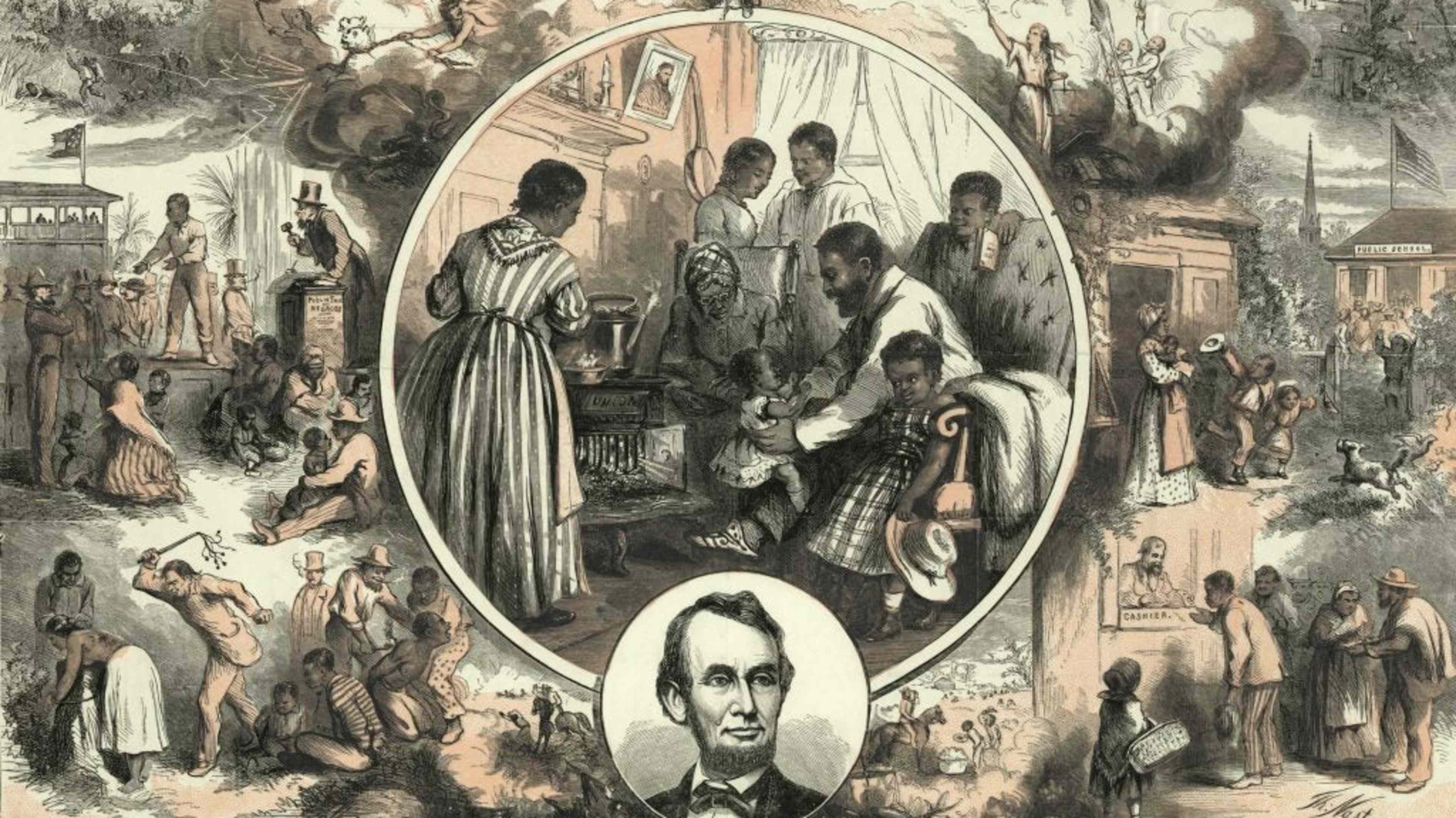
No contradiction in American history was more glaring than the coexistence of a constitutional republic and the institution of chattel slavery. This systemic injustice pushed the nation to the brink of collapse during the American Civil War. In 1862, President Abraham Lincoln determined that freeing enslaved people in the rebelling states was a moral and military necessity. The Emancipation Proclamation, which took effect on January 1, 1863, altered the character of the Civil War, turning it into a crusade for human liberation. This culminated in 1865 with the passage of the 13th Amendment, which permanently abolished slavery throughout the United States, granting physical freedom to over four million African Americans and marking one of the most significant strides for freedom in U.S. history.
4. The Great Wave of Immigration and the “New Colossus” (1880–1920)
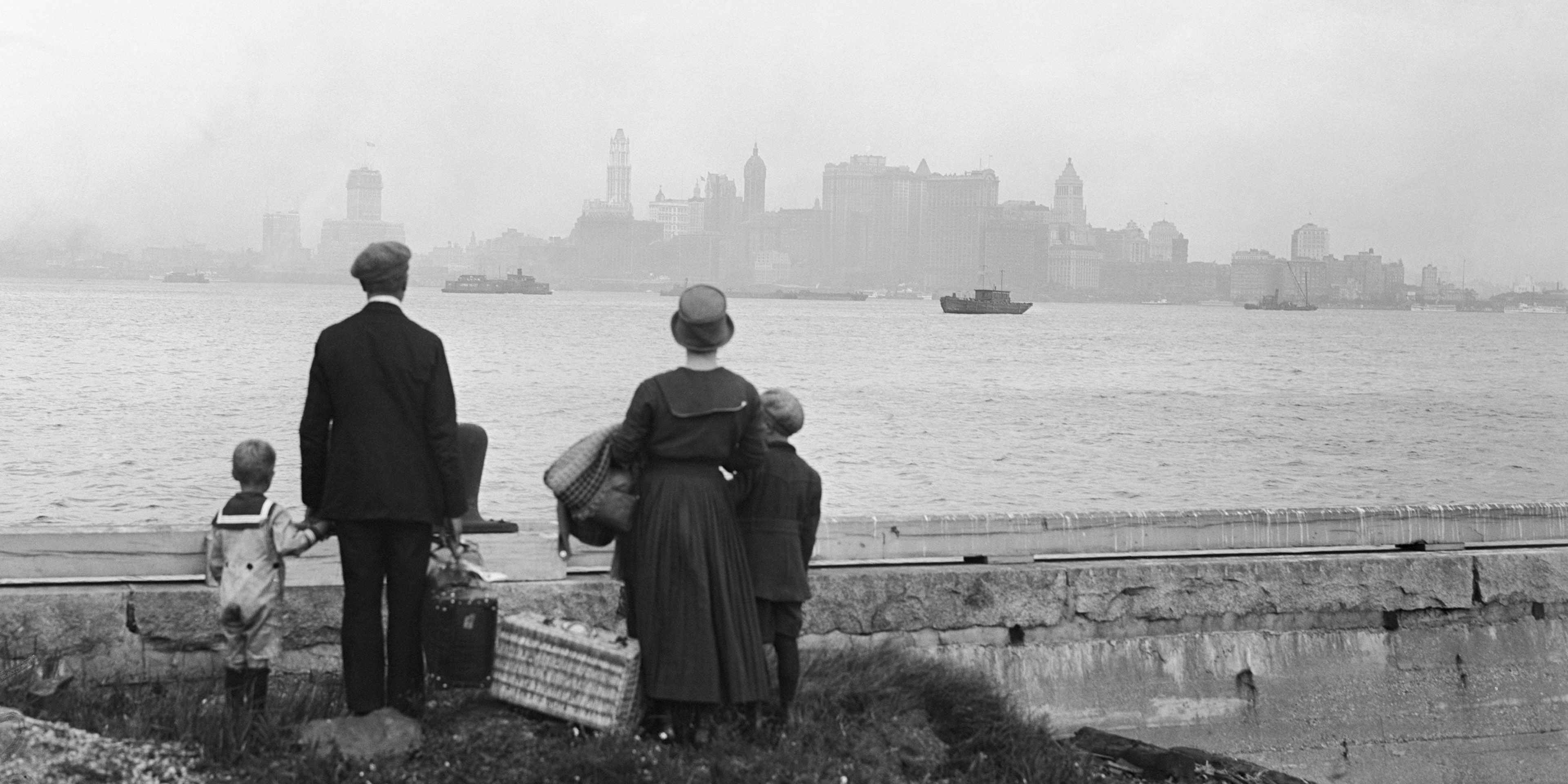
Between 1880 and 1920, the United States became a global beacon of hope, welcoming more than 20 million immigrants. Fleeing poverty, religious persecution, and political turmoil in Europe, Mexico, and Armenia, these newcomers sought the promise of economic and personal freedom. Emma Lazarus’s famous poem, “The New Colossus,” engraved on the pedestal of the Statue of Liberty, famously captured this spirit by inviting the world’s “huddled masses yearning to breathe free.” Despite facing severe xenophobia, prejudice, and discriminatory laws—such as the Chinese Exclusion Act of 1882—this massive influx of diverse cultures permanently reshaped the cultural, economic, and social fabric of the United States, proving that freedom was a powerful global force.
5. The 19th Amendment and Women’s Suffrage (1920)
For more than seven decades, American women fought for the fundamental democratic right to vote. The organized women’s suffrage movement, launched at the Seneca Falls Convention in 1848, faced immense resistance, political setbacks, and social ostracization. Suffragists like Susan B. Anthony, Elizabeth Cady Stanton, and Alice Paul utilized protests, civil disobedience, and even hunger strikes to demand electoral equality. Their unrelenting struggle culminated on August 18, 1920, with the ratification of the 19th Amendment. This historic stride nearly doubled the American electorate, marking a monumental victory for democratic representation and gender equality.
6. D-Day and the Liberation of Western Europe (1944)
Freedom is not only secured at home; sometimes, it must be defended on the global stage. By 1944, Nazi Germany had conquered most of continental Europe, subjecting millions to totalitarian oppression and genocide. On June 6, 1944, Allied forces launched D-Day—the massive, highly coordinated amphibious invasion of Normandy, France. Commanded by General Dwight D. Eisenhower, over 156,000 American, British, and Canadian troops stormed the beaches to establish a foothold in Western Europe. The success of D-Day cracked Hitler’s “Fortress Europe,” paving the way for the liberation of occupied nations and the eventual unconditional surrender of Nazi forces in May 1945.
7. The Civil Rights Act of 1964
Despite the abolition of slavery, African Americans in the post-Reconstruction South faced decades of legalized segregation, disenfranchisement, and racial terror under Jim Crow laws. In the mid-20th century, a powerful, grassroots Civil Rights Movement emerged to challenge these injustices. Activists endured violence, arrests, and intimidation as they marched for dignity and equality. In response to this nationwide pressure, President Lyndon B. Johnson championed and signed the landmark Civil Rights Act of 1964 on July 2, 1964. This sweeping legislation outlawed segregation in public accommodations, prohibited employment discrimination based on race, color, religion, sex, or national origin, and provided a federal mechanism to enforce integration.
8. Obergefell v. Hodges and Marriage Equality (2015)
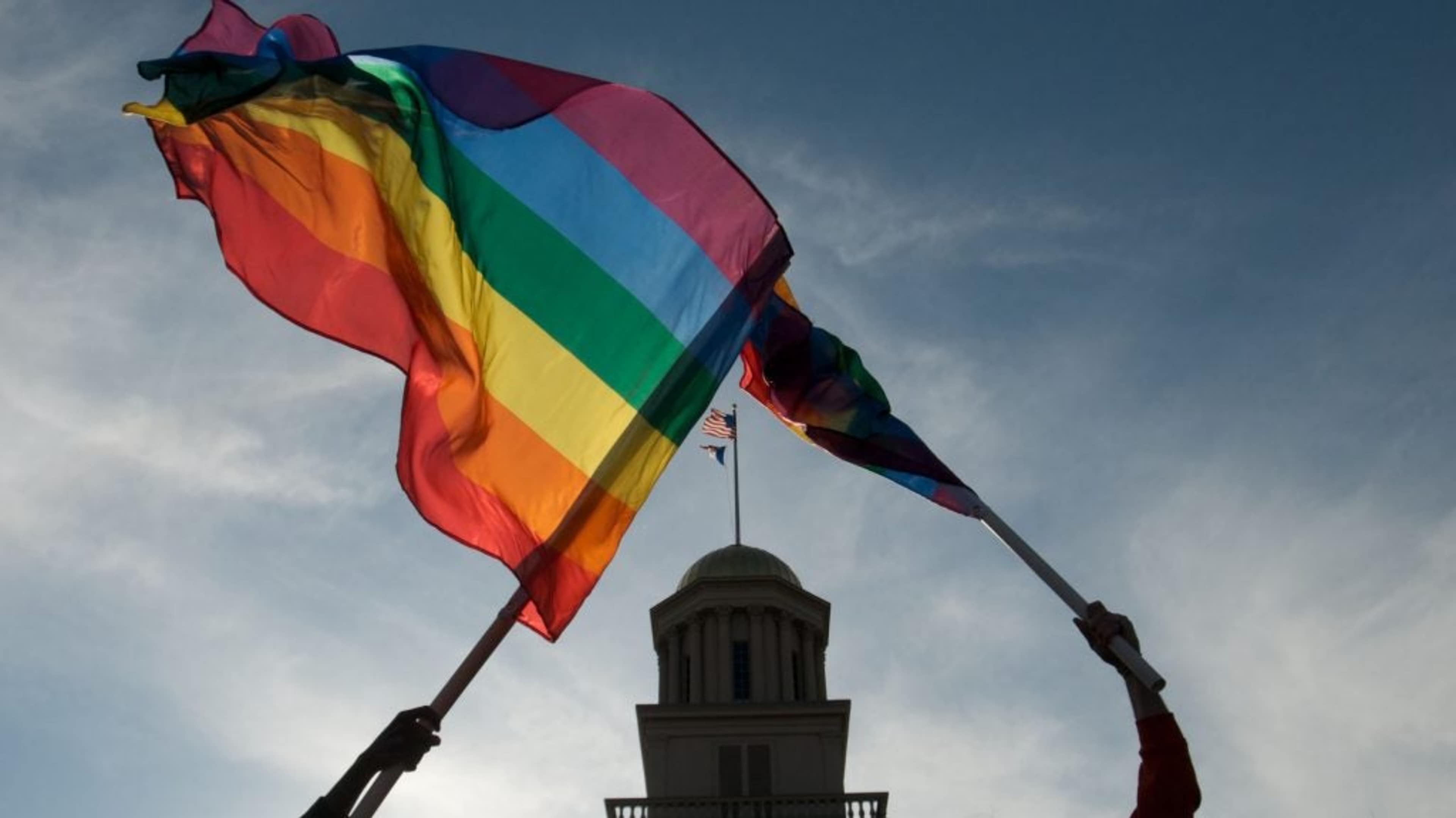
The definition of liberty continued to expand into the 21st century as the LGBTQ+ community fought for equal rights under the law. For decades, same-sex couples faced legal discrimination, including statewide bans on marriage. This legal battle culminated in the landmark Supreme Court case Obergefell v. Hodges. On June 26, 2015, the Court ruled in a 5-4 decision that the Fourteenth Amendment’s Due Process and Equal Protection Clauses guarantee same-sex couples the fundamental right to marry. Justice Anthony Kennedy famously declared that same-sex couples “ask for equal dignity in the eyes of the law. The Constitution grants them that right,” marking a profound milestone for modern civil rights.
Key Historical Figures and Their Legacies
- Thomas Jefferson: As the primary author of the Declaration of Independence, Jefferson articulated the philosophical foundations of American liberty, despite his own deeply conflicted status as a slaveholder.
- Abraham Lincoln: By issuing the Emancipation Proclamation and guiding the Union through the Civil War, Lincoln preserved the nation and ensured a “new birth of freedom” by ending slavery.
- Susan B. Anthony & Alice Paul: Prominent leaders of the women’s suffrage movement whose tireless organizing, protest strategies, and civil disobedience ultimately forced the nation to grant women the right to vote.
- Martin Luther King Jr. & John Lewis: Visionary civil rights leaders who utilized nonviolent resistance to expose the brutality of Jim Crow segregation, directly influencing the passage of the Civil Rights Act of 1964.
Major Turning Points and Underlying Sociopolitical Causes
The strides for freedom in U.S. history were rarely spontaneous events. Instead, they were the results of deep-seated sociopolitical and economic pressures that forced a crisis. For example, the industrialization of the North and the agrarian, slave-reliant economy of the South created an unsustainable economic and moral divide that could only be resolved through the crucible of the Civil War. Similarly, the rapid urbanization and industrial growth of the late 19th century created the economic demand that fueled the great wave of immigration, while simultaneously highlighting the stark inequalities that sparked the Progressive Era and the women’s suffrage movement. These turning points demonstrate that progress occurs when the gap between American ideals and the reality of marginalized groups becomes too wide for the status quo to maintain.
Lesser-Known Historical Facts About American Freedom Milestones
- The 19th Amendment Hung on a Single Mother’s Note: In August 1920, the ratification of the 19th Amendment came down to Tennessee. The vote was deadlocked until a 24-year-old representative named Harry Burn received a letter from his mother, Phoebe, telling him to “be a good boy” and vote for suffrage. He changed his vote to “yes,” securing the amendment’s passage.
- The Bill of Rights Originally Contained Twelve Amendments: When Congress originally approved the Bill of Rights in 1789, they submitted twelve amendments to the states. The original first amendment (regarding congressional apportionment) was never ratified, and the original second amendment (regarding congressional pay raises) was finally ratified 202 years later in 1992 as the 27th Amendment.
- D-Day’s Deception Campaign: The success of D-Day relied heavily on Operation Fortitude, a massive military deception campaign. The Allies created a completely fictitious military unit, complete with inflatable tanks, dummy landing craft, and fake radio transmissions, to convince the German high command that the invasion would take place at Pas-de-Calais rather than Normandy.
Why These Strides for Freedom Matter Today
The journey toward securing liberty is not a historical relic; it remains a vibrant and active debate in contemporary American life. Today, discussions around voting rights, freedom of speech in the digital age, systemic inequality, and immigration policies are direct continuations of the struggles that defined past generations. By understanding how previous Americans organized, argued, and achieved major strides for freedom, modern citizens gain a valuable blueprint for civic engagement. The history of these milestones reminds us that democracy is not a self-sustaining system, but a continuous process that requires active participation, vigilance, and a shared commitment to expanding the horizons of equality.
People Also Ask (FAQ)
What is the most significant milestone of freedom in U.S. history?
While opinions vary, many historians point to the passage of the 13th Amendment and the Civil Rights Act of 1964 as the most transformative milestones, as they directly dismantled state-sanctioned systems of slavery and racial segregation, aligning the nation closer to its founding ideals.
How did the Bill of Rights protect individual civil liberties?
The Bill of Rights protected civil liberties by placing explicit limits on federal power. It guaranteed that the government could not infringe upon fundamental personal freedoms, such as freedom of speech, assembly, and religion, and established strict legal protections for those accused of crimes.
Why did it take so long for women to get the right to vote?
Women’s suffrage faced immense opposition due to deeply entrenched patriarchal norms, political fears that women would vote as a bloc on reform issues (like temperance), and division within the suffrage movement itself over strategies and racial inclusivity after the Civil War.
Conclusion: The Ever-Evolving Journey of the American Experiment
Ultimately, the story of freedom in the United States is one of progress achieved through struggle. The nation’s history is not a flawless march toward liberty, but rather a series of hard-won victories over oppression, prejudice, and systemic inequality. From the revolutionary ideals of the Declaration of Independence to the legal milestone of marriage equality, each stride has required the courage of everyday citizens and the resilience of a constitutional framework capable of growth. As the American democratic experiment continues, these historical milestones serve as both an inspiration and a challenge to ensure that the promises of life, liberty, and the pursuit of happiness are fully realized for future generations.


