Few figures in the annals of the American Civil War evoke as much fierce debate, tragic fascination, and tactical scrutiny as Confederate General John Bell Hood. Known for his aggressive, no-retreat tactical philosophy, Hood rose rapidly through the ranks of the Confederate army to become one of its most prominent, yet controversial, commanders. From his early days commanding the legendary Texas Brigade to the bloody battlefields of Gettysburg and Chickamauga, and ultimately to his independent command of the Army of Tennessee, his military career was defined by a relentless and often reckless audacity. Yet, Hood’s story is not merely a record of battlefield movements; it is a profound study in the immense physical and emotional costs of the war, marked by catastrophic personal injuries and a deeply tragic post-war life. By examining his trajectory, historians gain a clearer window into the desperate, hard-fighting nature of the Western Theater and the strategic miscalculations that hastened the downfall of the Confederacy in the final years of the conflict.
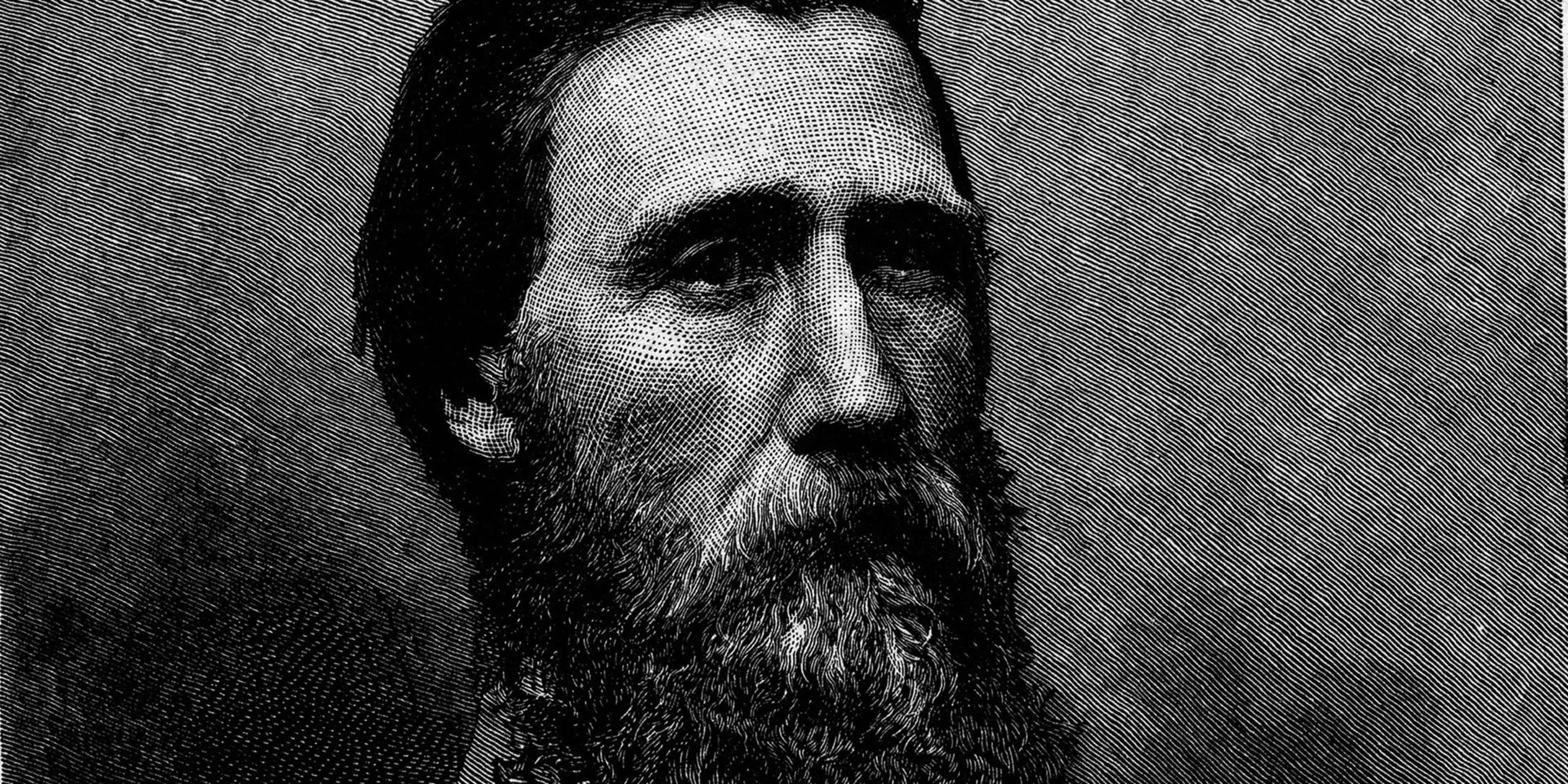
Historical Background: From Kentucky to the Texas Frontier
Born on June 1, 1831, in Owingsville, Kentucky, John Bell Hood was the son of a physician who initially opposed his son’s desire for a military career. Despite his family’s reservations, Hood secured an appointment to the United States Military Academy at West Point in 1849. His time at the academy was far from stellar; struggling under the strict academic and behavioral regulations, he accumulated numerous demerits and graduated 44th out of 52 cadets in the Class of 1853. Despite his low ranking, his class was filled with future historical titans, including Union generals Philip Sheridan and James B. McPherson.
Upon graduation, Hood was assigned to garrison duty in California before securing a transfer to the prestigious Second U.S. Cavalry in Missouri in 1855. Here, he served under future Confederate legends Albert Sidney Johnston and Robert E. Lee. Transferred to the Texas frontier, Hood spent five years patrolling against hostile Native American tribes. It was during this period that Hood first demonstrated his physical courage and affinity for combat. In July 1857, during a fierce skirmish with Comanche warriors near the Devils River, Hood was shot through the hand by an arrow. His bravery earned him a promotion to first lieutenant. Hood so thoroughly relished the active life of a frontier cavalryman that in 1860, he turned down a highly sought-after assignment to serve as a cavalry instructor at West Point, choosing instead to remain on the Texas frontier.
Outbreak of the Civil War and the Rise of the “Texas Brigade”
Though Hood was a native Kentuckian, his years on the frontier had deeply attached him to the state of Texas. When the Civil War erupted in 1861 and Kentucky attempted to remain neutral, Hood chose to resign his commission in the United States Army in April 1861. He immediately traveled to Montgomery, Alabama, to offer his services to the newly formed Confederate States of America. Declaring himself an adopted Texan, Hood was quickly promoted to colonel and given command of the 4th Texas Infantry Regiment.
In March 1862, Hood was promoted to brigadier general and took command of the legendary “Texas Brigade” within the Army of Northern Virginia. Hood’s aggressive, hands-on leadership style quickly earned him the devotion of his men and the admiration of his superiors. During the Peninsula Campaign at the Battle of Eltham’s Landing, and most notably at the Battle of Gaines’ Mill in June 1862, Hood personally led a bayonet charge that shattered the heavily fortified Union lines. This spectacular breakthrough cemented his reputation as a fearless combat leader, earning him a promotion to major general at the remarkably young age of 31.
Major Turning Points: Blood, Loss, and the Western Theater
Hood’s combat record continued to grow during the Second Battle of Bull Run and the bloody Battle of Antietam, where his division suffered staggering losses but successfully blunted a massive Union assault. However, the aggressive tactics that made Hood famous would also lead to his physical ruin. At the Battle of Gettysburg in July 1863, Hood disagreed with his orders to launch a frontal assault on the Union’s formidable positions at Little Round Top. Despite his misgivings, he led his division forward, only to be struck in the left arm by shrapnel from an exploding Union artillery shell. Though surgeons saved his arm, the limb remained permanently paralyzed and useless for the rest of his life.
Undeterred by his disability, Hood rejoined the war effort in the fall of 1863. His division was transferred west under General James Longstreet to reinforce General Braxton Bragg’s Army of Tennessee. Just days after returning to the field, Hood participated in the Battle of Chickamauga. Leading a decisive charge that broke the Union line, Hood was struck in the right thigh by a minié ball. The wound was so severe that his right leg had to be amputated just inches below the hip. Surviving an amputation of this nature during the Civil War was a medical miracle, and for his sheer courage, Hood was promoted to lieutenant general.
The Fateful Command of the Army of Tennessee
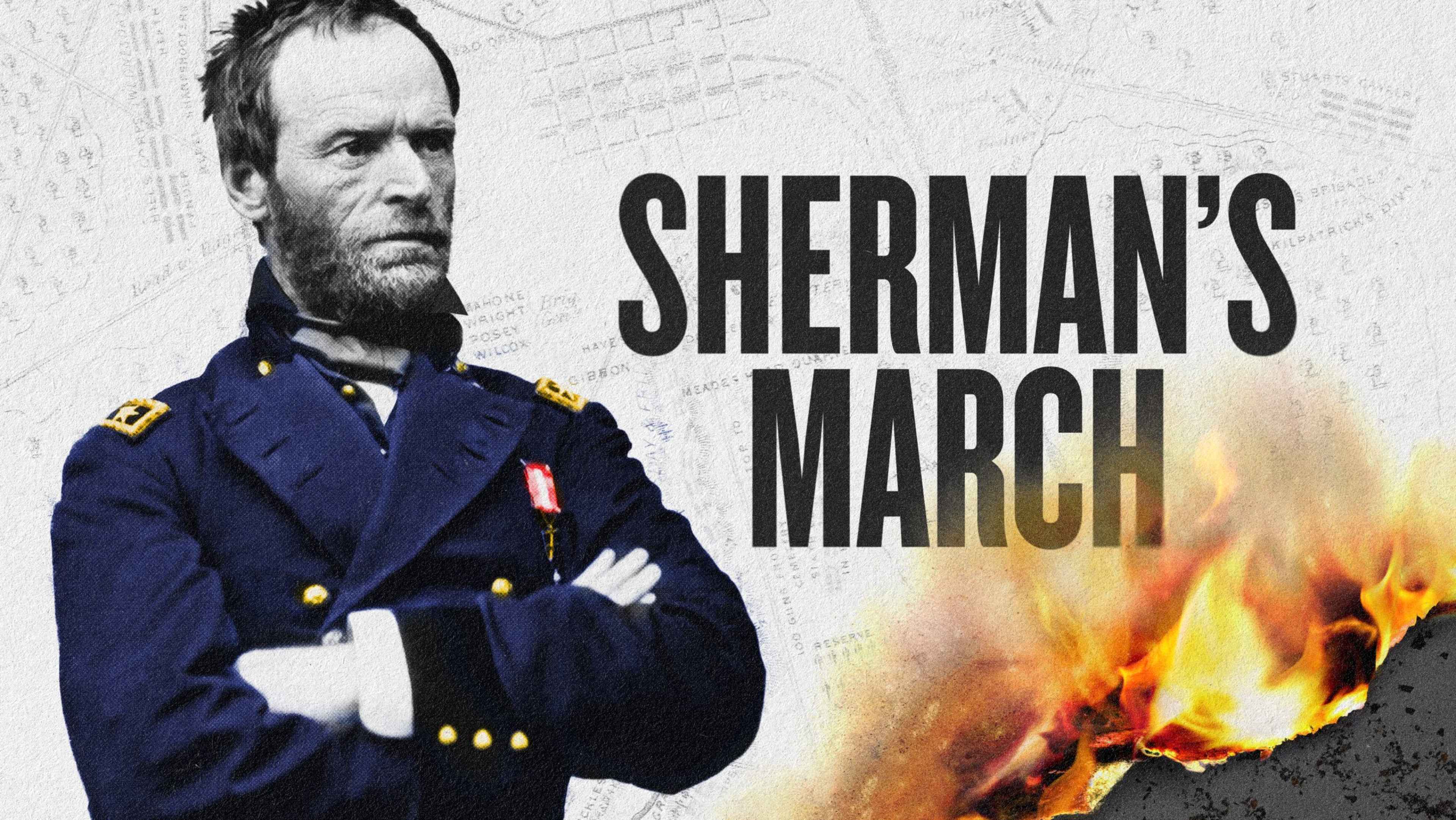
By early 1864, Hood returned to active duty, strapped to his saddle and using a wooden artificial leg. He was placed in command of a corps under General Joseph E. Johnston, who was tasked with defending Atlanta against General William Tecumseh Sherman’s massive Union forces. Hood, fiercely impatient with Johnston’s cautious, defensive strategy of tactical retreats, wrote highly critical letters to Confederate President Jefferson Davis. Frustrated by Johnston’s refusal to fight, Davis relieved Johnston of command in July 1864 and promoted the 33-year-old Hood to the temporary rank of full general, making him the youngest officer on either side of the war to independently command a major army.
As commander of the Army of Tennessee, Hood immediately launched a series of aggressive, bloody counteroffensives designed to drive Sherman back from Atlanta. The Battles of Peachtree Creek, Atlanta, Ezra Church, and Jonesborough resulted in staggering Confederate casualties that Hood’s depleted army could ill afford. Outmaneuvered and severely outnumbered, Hood was forced to evacuate Atlanta in September 1864, a catastrophic loss that boosted Northern morale and virtually guaranteed the re-election of President Abraham Lincoln.
Chronological Timeline of General John Bell Hood’s Life
- June 1, 1831: Born in Owingsville, Kentucky.
- July 1853: Graduates from the United States Military Academy at West Point.
- July 1857: Wounded in the hand by a Comanche arrow on the Texas frontier.
- April 1861: Resigns from the U.S. Army to join the Confederate cause.
- June 1862: Achieves military fame by breaking the Union line at Gaines’ Mill.
- July 1863: Severely wounded in the left arm at the Battle of Gettysburg, leaving it paralyzed.
- September 1863: Wounded at Chickamauga, resulting in the amputation of his right leg.
- July 1864: Promoted to full general and takes command of the Army of Tennessee.
- November 1864: Suffers a devastating defeat at the Battle of Franklin.
- December 1864: Battered at the Battle of Nashville, effectively destroying his army.
- May 1865: Surrenders to Union forces in Mississippi.
- August 30, 1879: Dies of yellow fever in New Orleans, Louisiana.
The Disastrous Franklin-Nashville Campaign
Desperate to salvage the Western Theater, Hood devised a bold plan to march north into Tennessee, hoping to sever Sherman’s supply lines and force him to abandon Georgia. The strategy backfired. Sherman ignored Hood and began his devastating “March to the Sea,” leaving General George H. Thomas to deal with Hood’s advance. On November 30, 1864, Hood caught up with a portion of the Union army under General John Schofield at the Battle of Franklin. In a fit of frustration over missed opportunities earlier in the campaign, Hood ordered a massive, frontal assault across two miles of open ground without artillery support. This attack, often called the “Pickett’s Charge of the West,” resulted in a slaughter. Hood lost over 6,000 men, including six Confederate generals killed or mortally wounded.
Undeterred by the disaster at Franklin, Hood pressed on to Nashville, where he attempted to lay siege to George H. Thomas’s heavily fortified Union army. In mid-December 1864, Thomas launched a devastating counterattack. The Battle of Nashville completely shattered Hood’s depleted, freezing, and demoralized forces. It was the most decisive tactical victory of the war, and the remnants of the Army of Tennessee retreated in absolute disarray. Hood resigned his command in disgrace in January 1865 and surrendered to Union forces in May of that year.
Post-War Life, Tragedy, and Legacy
Following the war, Hood settled in New Orleans, where he worked as a cotton broker and insurance agent. In 1868, he married Anna Marie Hennen, and the couple went on to have 11 children, including three sets of twins. However, tragedy continued to follow Hood off the battlefield. In the late summer of 1879, a severe epidemic swept through the region. While yellow fever epidemics were a recurring nightmare in early America, such as the infamous yellow fever outbreak of 1793 that devastated Philadelphia, the disease continued to ravage the Deep South well into the late 19th century, ultimately claiming the lives of Hood, his wife, and their eldest daughter in quick succession.
While history contains many stories of prominent historical figures who grew up as orphans, the sudden, tragic orphaned status of Hood’s ten surviving children sparked a massive, coordinated charity effort across both the North and the South. Thanks to the publication of Hood’s memoirs, Advance and Retreat, and generous public donations, all ten children were successfully adopted and cared for by families across the country.
Why It Still Matters Today
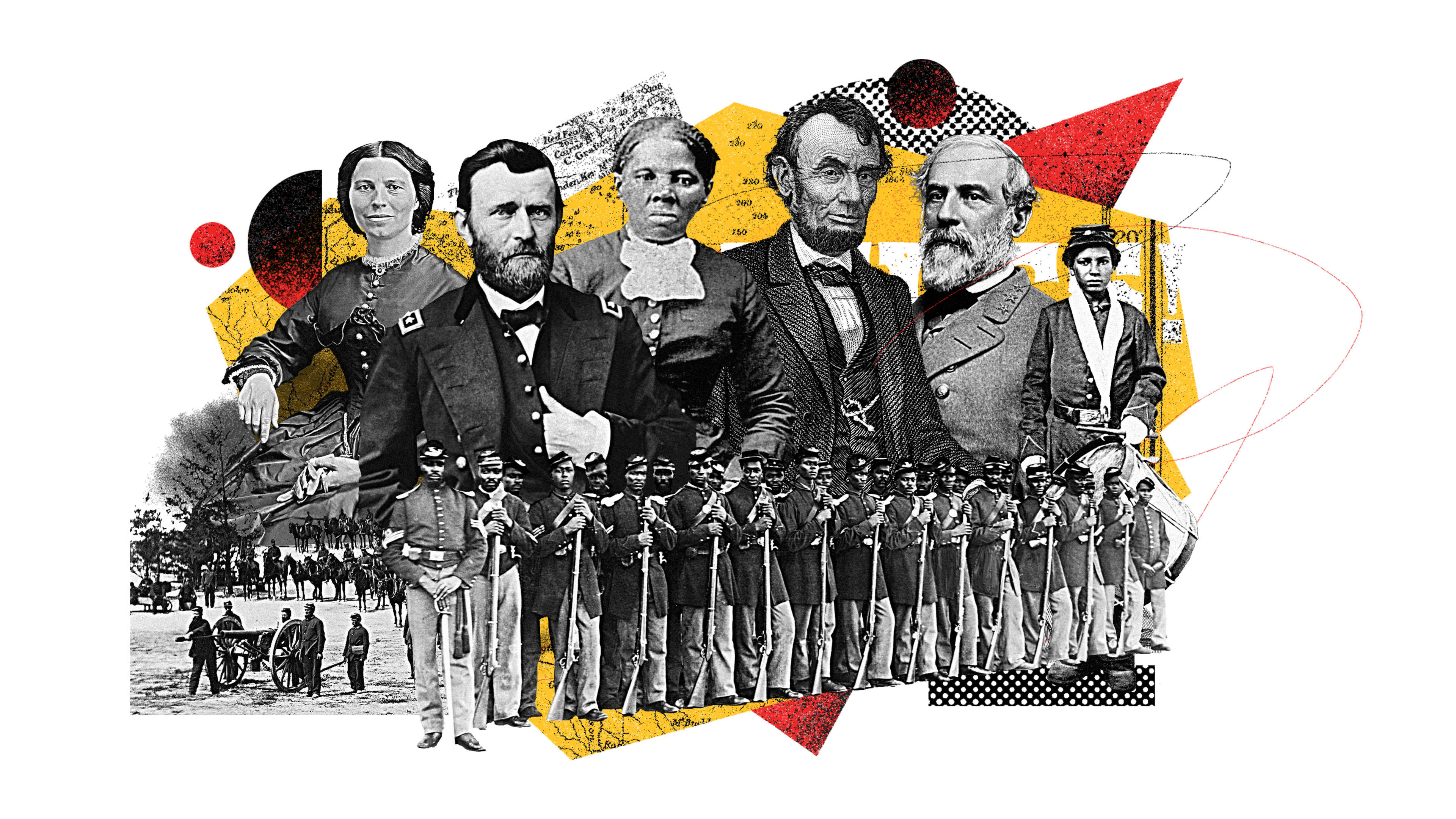
General John Bell Hood remains a key study in military leadership, representing the ultimate expression of the “offensive-defensive” military doctrine of the 19th century. His career serves as a cautionary tale of how tactical bravery and physical courage do not always translate into successful strategic command. Today, his legacy is still analyzed in modern discussions regarding military ethics, the high cost of aggressive warfare, and the complex public history of the Civil War, which includes the physical renaming of major American military installations to reflect updated historical values.
People Also Ask
How did John Bell Hood lose his leg and arm?
Hood did not lose his arm, but it was permanently paralyzed by shrapnel at the Battle of Gettysburg in July 1863. He lost his right leg two months later after being shot in the thigh at the Battle of Chickamauga in September 1863, which required a battlefield amputation.
Was John Bell Hood a good general?
Hood was considered an outstanding brigadier and division commander, renowned for his aggressive, frontline leadership with the Texas Brigade. However, as an independent commander of the Army of Tennessee, his aggressive tactics proved disastrous, resulting in unsustainable casualties and major defeats at Atlanta, Franklin, and Nashville.
What was the “Pickett’s Charge of the West”?
This refers to the Battle of Franklin on November 30, 1864, where Hood ordered a massive frontal assault across open ground against fortified Union positions. The charge resulted in over 6,000 Confederate casualties, including the loss of six generals, destroying the offensive capability of his army.


