When we think of Salisbury steak today, we often picture the ultimate mid-century comfort food: a savory, gravy-laden patty served on a segmented aluminum tray, evoking the nostalgic era of the 1950s TV dinner boom. However, the true Salisbury steak history stretches far back before the dawn of frozen foods and television sets. This beloved dish did not begin as an easy weeknight meal, but rather as a innovative medical breakthrough designed by a 19th-century physician to combat a silent, deadly epidemic sweeping through Union army camps during the American Civil War. In a time when military dietetics were virtually nonexistent, this humble meat patty served as a pioneering nutritional remedy that fundamentally shaped American culinary history and early medical science.

The Nutritional Crisis of the American Civil War
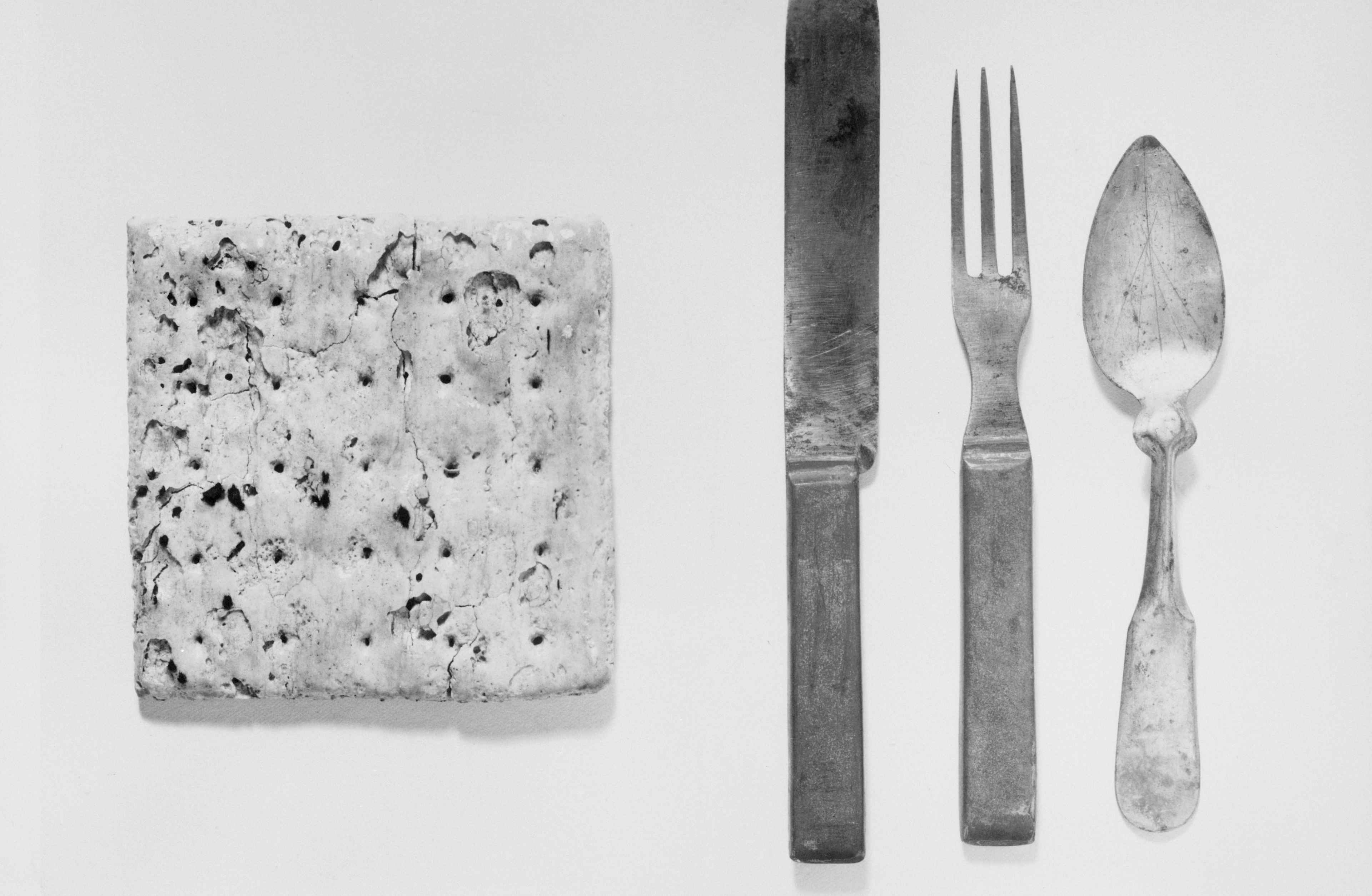
During the American Civil War (1861–1865), military conflict was not the only threat facing soldiers. In fact, disease was a far more lethal enemy than battlefield bullets, accounting for roughly two-thirds of all war casualties. Among the most devastating ailments was “camp diarrhea” and chronic dysentery, caused by abysmal sanitation and a severely deficient military diet. Union and Confederate soldiers alike subsisted primarily on hardtack—a dense, moistureless biscuit made of flour and water baked hard to last for months—and heavily salted pork. While hardtack was remarkably durable, it earned derogatory nicknames like “teeth-dullers” or “sheet-iron crackers” due to its brick-like consistency.
To make hardtack edible, soldiers often soaked it in weak coffee or fried it with grease, but this provided almost no nutritional value. This persistent lack of fresh food and essential nutrients resulted in widespread scurvy, severe digestive tract issues, and extreme physical exhaustion. These terrible camp diets and their medical consequences echo previous American conflicts, such as the severe food shortages suffered during the winter at Valley Forge, showing how military logistics and soldier nutrition have long been crucial to wartime success. Recognizing that sick soldiers could not win wars, the Union military sought out pioneering medical minds to revolutionize camp nutrition.
Dr. James Henry Salisbury: The Eccentric Pioneer of Food as Medicine
Enter Dr. James Henry Salisbury (1823–1905), a highly educated physician from New York who had dedicated much of his pre-war career to studying germ theory and the physiological connection between diet and health. Long before modern nutritional science established the concept of macronutrients, Dr. Salisbury believed that food was the primary driver of physical wellness or systemic disease. He was particularly convinced that the human digestive tract was designed primarily to digest meat, viewing plant-based foods, starches, and complex carbohydrates as substances that fermented in the stomach, producing harmful yeasts and toxic byproducts.
To prove his theories, Dr. Salisbury conducted a series of highly unconventional, meticulously documented dietary experiments during the 1850s. In 1856, he recruited six healthy volunteers to live with him while eating nothing but baked beans and coffee for several weeks. The following year, he placed another group on a strict, single-food diet consisting entirely of oatmeal. Inevitably, his subjects became weak, dizzy, chronically flatulent, and mentally fatigued. Salisbury noted that when he finally broke their fasts by feeding them a juicy ten-ounce beef steak seasoned with butter, salt, and pepper, the men immediately reported feeling clearer in the head and physically revitalized. Armed with these findings, Salisbury concluded that lean beef was the ultimate therapeutic food for human health.
The Invention of “Muscle Pulp of Beef”
When the Civil War broke out, Dr. Salisbury joined the Union army as a medical officer. Seeing soldiers incapacitated by camp diarrhea and digestive decay, he immediately prescribed an extreme elimination diet centered around beef. Since tough, poorly cooked cuts of beef were difficult for a diseased digestive system to process, Salisbury developed a specific preparation method. He instructed cooks to chop lean beef into a fine mince—essentially a “muscle pulp”—removing all fat, gristle, and connective tissue. This lean meat pulp was then shaped into compact, hamburger-like cakes and quickly broiled.
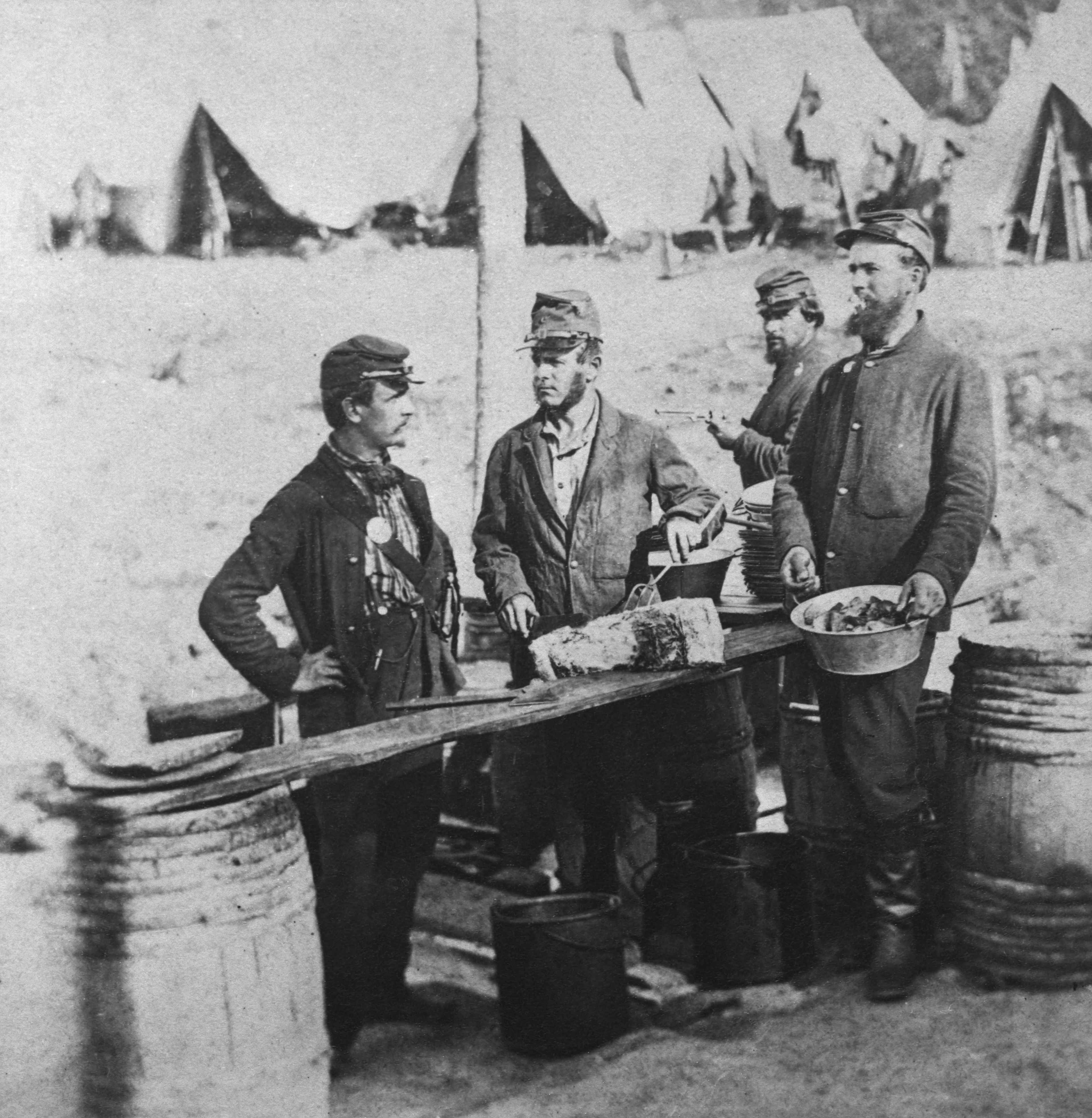
To make the remedy palatable, soldiers were allowed to season their beef patties with butter, salt, black pepper, lemon juice, or a dash of Worcestershire sauce. Under Salisbury’s strict medical regimen, recovering soldiers ate this chopped beef patty and drank warm water three times a day, slowly reintroducing other foods only after their digestive symptoms completely subsided. The treatment proved remarkably effective, reviving thousands of weakened soldiers and earning Salisbury widespread acclaim throughout the Union military hierarchy. This focus on dietary sanitation and food quality mirrored other medical advancements of the era, much like how crude medical interventions helped George Washington’s army fight off smallpox during the American Revolution.
A Timeline of Salisbury Steak’s Evolution
- 1856–1857: Dr. James Henry Salisbury conducts his early single-diet experiments on human volunteers, discovering the restorative properties of beef.
- 1861–1865: During the American Civil War, Dr. Salisbury introduces his minced beef patties to Union soldiers as a treatment for chronic dysentery.
- 1888: Salisbury publishes his seminal medical text, The Relation of Alimentation and Disease, detailing the benefits of his all-meat elimination diet.
- Late 19th Century: The “Salisbury Diet” becomes a highly popular weight loss and wellness fad across the United States and the United Kingdom.
- 1914–1918: Amid the anti-German sentiment of World War I, the term “hamburger” is widely rejected in America, leading to the broader adoption of “Salisbury steak” as the preferred name for ground beef patties.
- 1945: The official Cookbook of the U.S. Navy includes a scaled-up recipe for Salisbury steak designed to easily feed crews of 100 servicemen.
- 1953: Swanson introduces the frozen TV dinner, featuring Salisbury steak as one of its most popular and enduring flagship entrees.
The 19th-Century Wellness and Diet Craze
Dr. Salisbury’s meat-heavy regimen did not exist in a vacuum. The late 19th century was a golden age of dietary reform, health sanitariums, and wellness fads. Americans were increasingly eager to find dietary cures for the chronic health issues brought on by rapid industrialization and urban living. Salisbury’s all-steak plan quickly became a fashionable lifestyle choice, widely adopted by the wealthy elite in both the United States and Great Britain who sought weight loss and physical rejuvenation. Enthusiastic followers published testimonials praising the diet for curing everything from rheumatism to mental depression.
This period of culinary experimentation was vastly different from colonial times when communities relied on simpler, regionally sourced fare. For a look at early American dietary habits, one can explore the 7 common foods eaten in the 13 colonies, which featured far less processed ingredients and relied heavily on corn and seasonal game. In contrast, the late Victorian era saw the rise of highly structured, “scientific” diets. While Dr. Salisbury championed a high-protein, zero-carb lifestyle, other contemporary wellness advocates took the opposite approach. Sylvester Graham promoted graham flour crackers to suppress physical desires, and Dr. John Harvey Kellogg established his Battle Creek Sanitarium, urging patients to consume bland, vegetarian corn flakes to maintain digestive and moral purity.
World War I Rebranding and the Rise of the TV Dinner
By the turn of the 20th century, Salisbury’s strict diet had faded from medical favor as modern biochemistry emerged, but the culinary concept of his seasoned ground beef patty remained highly popular due to its affordability and ease of preparation. During World War I, the dish underwent a major cultural rebranding. To distance American culture from Germany, municipal boards, restaurants, and military mess halls systematically renamed German-sounding foods. Sauerkraut became “liberty cabbage,” frankfurters became “hot dogs,” and the beloved hamburger was officially rechristened as the “Salisbury steak.”
This linguistic shift solidified Salisbury steak’s place in the American culinary lexicon. Decades later, during the post-WWII consumer boom of the 1950s, food manufacturers recognized the Salisbury steak’s potential as a highly convenient, affordable protein. When Swanson launched its revolutionary frozen TV dinners in 1953, the Salisbury steak—now smothered in rich, brown gravy alongside mashed potatoes and peas—became a massive commercial success. What had once been a austere wartime medical treatment was successfully transformed into the ultimate symbol of modern, suburban convenience.
Lesser-Known Historical Anecdotes
- The Flatulent Volunteers: During his 1857 oatmeal diet trial, Dr. Salisbury’s subjects became so bloated and flatulent from the fermenting grains that they had to take long, exhausting walks around the neighborhood to physically distract themselves from their internal rumbles.
- The Victorian Testimonial: Elma Stuart, a prominent British writer, published a highly popular 1899 book titled What Must I Do to Get Well? in which she credited Salisbury’s beef diet with curing her severe joint stiffness, boasting that she could finally bend down and lace her own boots for the first time in ten years.
- Navy-Sized Portions: In the 1945 U.S. Navy Cookbook, Salisbury steak was favored not for its health benefits, but because it was the ultimate high-yield meal, allowing ship cooks to quickly prepare hearty, high-protein portions for hundreds of hungry sailors at a time.
Why It Still Matters Today
The fascinating story of Salisbury steak serves as a powerful reminder that many of our daily comforts are deeply rooted in military history and medical necessity. Furthermore, Dr. Salisbury’s 19th-century theories were an unmistakable precursor to the modern, highly popularized low-carbohydrate, keto, and carnivore diet movements of the 21st century. While contemporary medicine has debunked Salisbury’s belief that vegetables are inherently toxic, his fundamental understanding that diet directly impacts systemic inflammation and gastrointestinal health remains a cornerstone of modern nutritional science. The next time you enjoy a Salisbury steak, you are not just consuming a nostalgic comfort food; you are participating in a culinary legacy born on the battlefields of the Civil War.
People Also Ask (FAQ)
Who invented the Salisbury steak?
Salisbury steak was invented by Dr. James Henry Salisbury, a 19th-century American physician and early advocate of germ theory, who developed it as a health food to treat digestive ailments.
Why was Salisbury steak given to Civil War soldiers?
During the Civil War, Union soldiers suffered heavily from chronic diarrhea and dysentery caused by a poor diet of hardtack and salt pork. Dr. Salisbury prescribed his minced beef patty because it was easy to digest and packed with restorative protein.
What is the difference between a hamburger and a Salisbury steak?
While both are made from ground beef, a traditional hamburger patty is typically made of pure beef without binders and served on a bun. Salisbury steak includes binders like breadcrumbs, onions, milk, and eggs, and is traditionally served on a plate smothered in brown gravy and mushrooms.
Conclusion
From a strict, therapeutic military remedy designed to save Union soldiers from chronic disease to a beloved, gravy-covered mid-century convenience food, Salisbury steak has undertaken an extraordinary journey through American history. It illustrates the profound ways in which war, medical curiosity, and cultural shifts shape the food we eat today, reminding us that even the simplest comfort foods carry a rich, historical narrative worth savoring.


