The culinary landscape of early America was a battleground for survival, a melting pot of diverse cultures, and a lasting testament to human resilience. Long before the United States became a global superpower, the settlers of the 13 colonies had to adapt to a wild, untamed wilderness. Food was not merely a matter of daily sustenance; it was a profound reflection of geographic reality, social status, and cultural identity. The colonial diet emerged as a fascinating fusion of European culinary traditions, Indigenous agricultural wisdom, and African foodways brought by enslaved populations. Understanding what our ancestors ate gives us a vivid window into their daily struggles, triumphs, and the emerging American identity that eventually sparked a revolution. From the dense, stony soils of New England to the sprawling plantations of the South, the foods found on colonial tables tell the story of how diverse people came together to carve a living out of the New World.
Geography as Destiny: How Location Shaped the Colonial Plate
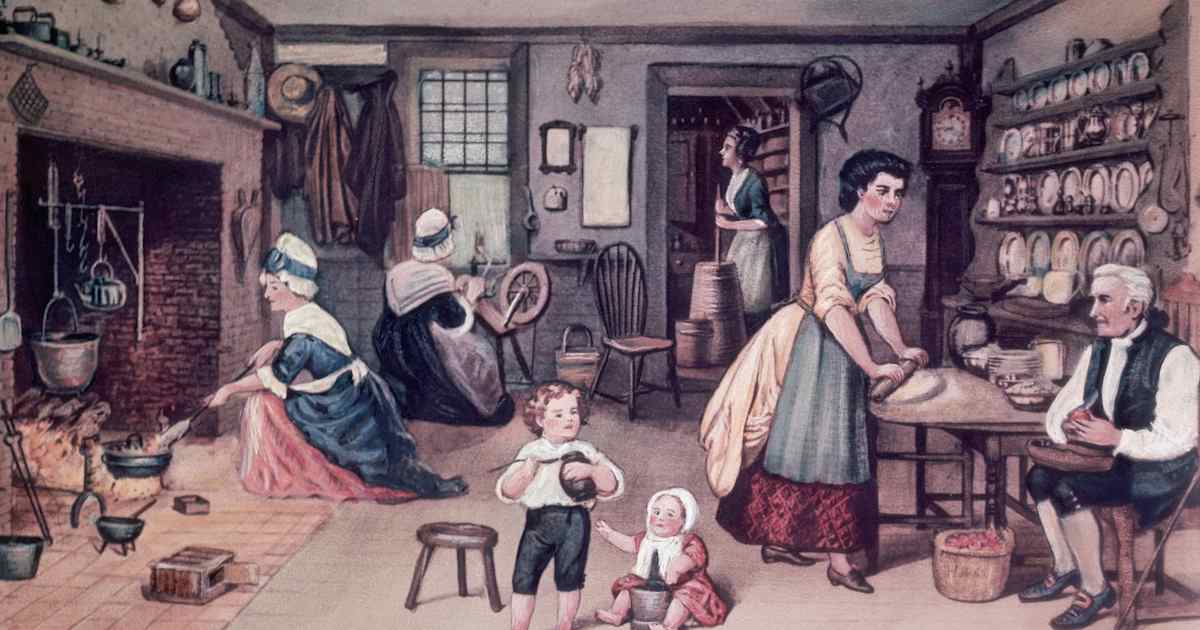
What a colonist ate depended almost entirely on where they lived. In the seventeenth and eighteenth centuries, long-distance transportation of perishable food was practically non-existent. Without refrigeration, communities relied heavily on local agricultural output, climate conditions, and nearby natural resources. This reliance created three distinct culinary regions across the colonies.
1. The New England Colonies
In the northern colonies, rocky soil and harsh, long winters made large-scale agriculture extremely difficult. As a result, New Englanders turned to the ocean and the dense forests. Cod, mackerel, lobster, and clams were staples, alongside wild game. To survive the brutal winters, colonists relied heavily on root vegetables, dried beans, and preserved meats. The iconic baked beans and clam chowder of modern New England find their roots in these early survival strategies.
2. The Middle Colonies
Often referred to as the “breadbasket” of the colonies, the Middle Colonies—comprising New York, Pennsylvania, New Jersey, and Delaware—boasted rich soil and a more temperate climate. Here, wheat, barley, and rye grew in abundance. This region also saw a massive influx of diverse immigrants, including Dutch, German, and Swedish settlers. This cultural mosaic introduced advanced farming techniques, diverse livestock, and unique baking traditions, making the Middle Colonies’ diet the most varied and prosperous.
3. The Southern Colonies
With warm weather and fertile coastal plains, the Southern Colonies focused heavily on cash crops like tobacco, rice, and indigo. However, for daily sustenance, they raised large herds of hogs and cattle, which could forage freely in the woods. Corn was the absolute king of crops here. The culinary traditions of the South were also heavily influenced by West African culinary practices introduced by enslaved laborers, who brought techniques such as slow-stewing, frying, and the use of ingredients like okra and black-eyed peas.
Timeline of Colonial Culinary Evolution
To understand how early American eating habits evolved, we must look at the key milestones that defined the culinary landscape of the era:
- 1607: The founding of Jamestown, Virginia. Early English settlers faced the infamous “Starving Time” because they lacked the agricultural knowledge to survive in the New World.
- 1621: The historic harvest feast in Plymouth, Massachusetts, where Wampanoag leaders and Pilgrims shared local resources, including flint corn and wild fowl, setting a precedent for colonial-Indigenous agricultural cooperation.
- 1742: The publication of The Compleat Housewife by Eliza Smith in Virginia. This became the first cookbook printed in the colonies, demonstrating a growing desire among wealthy colonists to emulate refined British dining.
- 1796: Amelia Simmons publishes American Cookery, the first cookbook written by an American. It popularized the use of native ingredients like cornmeal, squash, and cranberries in traditional European-style recipes.
Key Historic Figures Who Influenced What Colonists Ate
Several historic figures played pivotal roles in shaping the dietary habits of the 13 colonies, turning survival tactics into culinary traditions:
- Squanto (Tisquantum): A Patuxet Wampanoag man who taught the struggling Plymouth Pilgrims how to cultivate native flint corn using fish as fertilizer. Without his agricultural guidance, the Plymouth colony likely would have perished.
- Eliza Smith: A British author whose cookbook, The Compleat Housewife, became the culinary bible for wealthy colonial women, helping standardize high-end colonial cooking techniques.
- Martha Washington: The first First Lady was a highly skilled domestic manager. Her handwritten family recipe collection, which included detailed guides for preserving foods and baking “pepper cakes,” offers historians a clear view of elite colonial hospitality.
7 Common Foods and Beverages of the Colonial Era
Despite regional differences, certain staples emerged as vital components of the early American diet. Here are seven of the most common foods and drinks that fueled the colonists:
1. Flint Corn (Indian Corn)
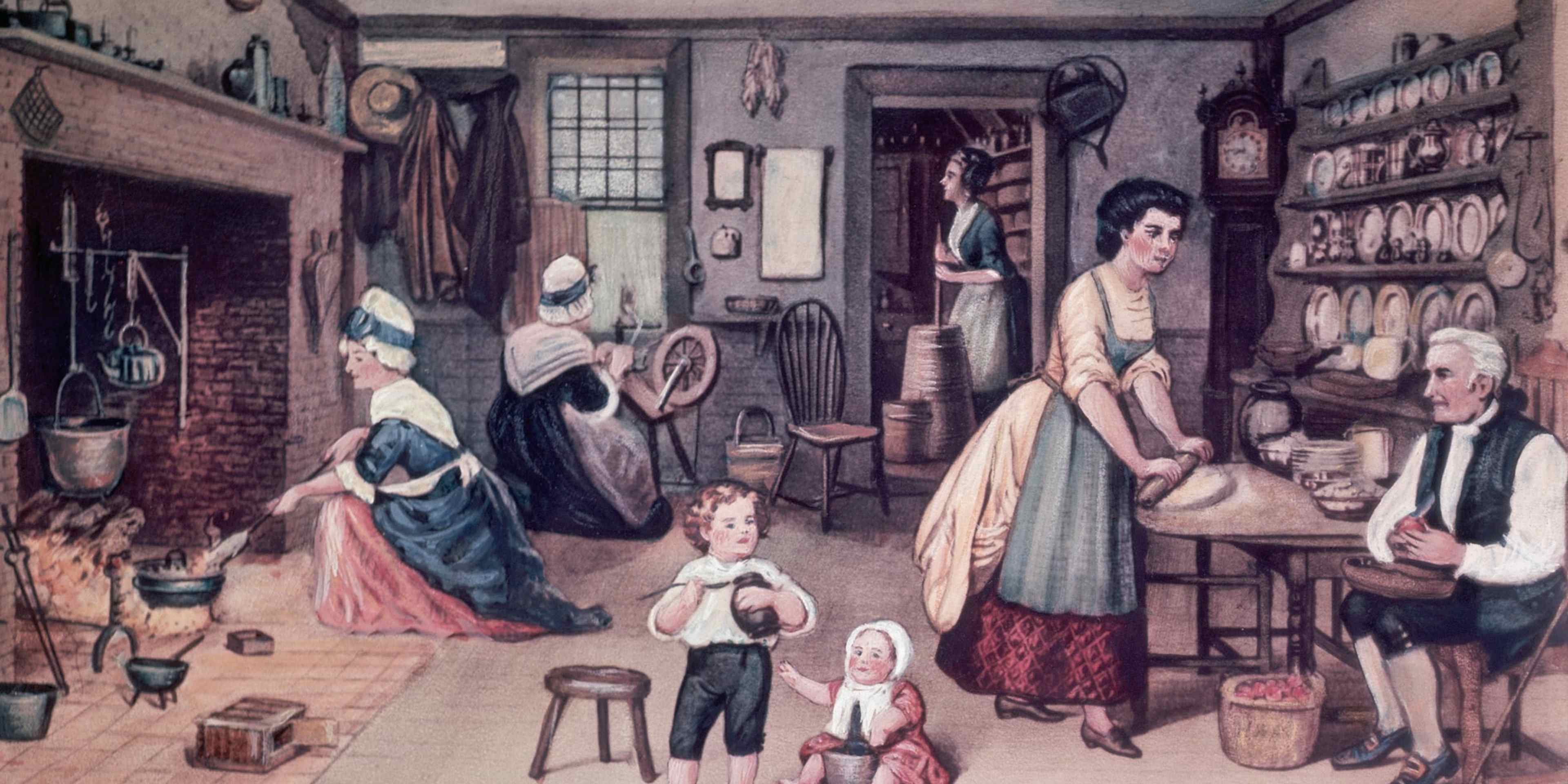
Flint corn is one of the oldest varieties of corn, recognizable by its hard, multi-colored kernels. Indigenous peoples had cultivated it for centuries and taught the colonists how to grow, harvest, and grind it into meal. Because European wheat did not grow well in the damp, acidic soils of New England, corn quickly became the ultimate colonial staple. It was used to make hasty pudding (cornmeal boiled in milk or water) and johnnycakes, a highly durable, pan-baked flatbread that travelers could carry on long journeys without it spoiling.
2. Passenger Pigeon and Wild Game
The forests of North America were teeming with wild game, providing colonists with an abundance of protein. While venison, wild turkey, and rabbit were common, the passenger pigeon was arguably the most popular. During the colonial era, passenger pigeons flew in massive flocks that literally darkened the skies for days. Because they were so incredibly plentiful, they were cheap, easy to hunt, and versatile. Colonists boiled them, roasted them, and baked them into savory “pigeon pies.” Sadly, this relentless overhunting, combined with habitat destruction, led to the species’ complete extinction by 1914.
3. Potted Meats
Without modern refrigeration, meat preservation was a constant challenge. One ingenious method used by colonial cooks was “potting.” To pot meat, cooks would slow-cook beef, pork, or fowl, pack it tightly into stoneware jars, and pour a thick layer of melted butter, lard, or beef tallow (fat) over the top. Once cooled, this fat layer solidified into an airtight seal, preventing bacteria from reaching the meat. Potted meat could remain safe to eat for several weeks or even months, providing a reliable source of protein during the lean winter months.
4. Pickled Foods
Pickling was another indispensable preservation technique. Colonists pickled almost everything, including cucumbers, cabbage, onions, fruits, fish, oysters, and even massive barrels of beef. To understand the critical role this played in their survival, you can read about how pickling helped early American colonists survive. Brines were made of salt, water, vinegar, and various warm spices like nutmeg and cloves. Interestingly, garlic was entirely excluded from these pickling recipes, as colonial society viewed garlic strictly as a medicine rather than a culinary ingredient.
5. Jumble Cookies
The ancestor of the modern sugar cookie, the “jumble” (or “jumbal”), was a highly popular sweet treat in the 13 colonies. Originating in medieval Europe, these cookies were spiced with caraway seeds and often flavored with exotic rosewater, a Middle Eastern import that reached the colonies via Dutch trade routes. Because they were baked until completely dry, jumble cookies had an exceptionally long shelf life, making them perfect for travel and colonial tea tables alike.
6. Pepper Cake
Pepper cake was a dense, heavily spiced gingerbread-style loaf that featured black pepper, molasses, ginger, and candied fruits. The inclusion of black pepper was not just for flavor; its natural antibacterial properties acted as an excellent preservative. A famous recipe for pepper cakes, which promised that the loaf would “keep halfe a year,” was included in the handwritten recipe book gifted to Martha Washington upon her marriage in 1749.
7. Syllabub
Colonists consumed a massive amount of alcohol, partly because clean, safe drinking water was difficult to find. Syllabub was a beloved celebratory beverage-dessert that perfectly combined the colonial love for dairy and alcohol. It was made by mixing sweetened cream, wine, or hard cider, and grated nutmeg. If you want to eat like a colonist and experience these authentic historic flavors today, recreating a traditional syllabub is an interactive and delicious historical experiment.
Fascinating and Lesser-Known Facts About Colonial Food
- The “Cow-Direct” Syllabub Method: Traditional recipes for syllabub, such as the one in Amelia Simmons’ 1796 cookbook, literally instructed the cook to pour wine and cider into a bucket and then milk the cow directly into the liquor. The warm, pressurized stream of milk from the udder created the perfect, natural froth required for the dessert.
- Lobster Was Considered Prison Food: Today, lobster is a luxury delicacy, but in colonial New England, lobsters were so ridiculously abundant that they would wash ashore in massive piles after storms. They were regarded as “poverty food,” fed primarily to prisoners, indentured servants, and farm animals.
- Water Was Avoided at All Costs: Colonial Americans rarely drank plain water, believing it carried diseases (which, in crowded settlements, it often did). Instead, men, women, and even young children drank low-alcohol “small beer,” hard cider, and pear-based perry throughout the day.
Long-Term Impact and Legacy of Colonial Foodways
The foodways developed during the colonial era laid the agricultural and cultural foundations of modern American cuisine. The blending of European preservation techniques with Indigenous crops like corn, squash, and potatoes created a distinct culinary identity separate from British tradition. Over time, these survival foods evolved into iconic American dishes, such as cornbread, succotash, and New England boiled dinners. Furthermore, the early reliance on pickling, salting, and drying paved the way for the massive food preservation and canning industries that would feed a growing nation during its westward expansion and industrial revolution.
Why It Still Matters Today
Studying what colonial Americans ate is more than just a lesson in historical recipes; it is an exploration of sustainability, biodiversity, and human adaptation. In an age of global supply chains and high-tech refrigeration, understanding how early Americans survived on seasonal, hyper-local ingredients offers valuable lessons in food preservation and ecological balance. Additionally, the extinction of species like the passenger pigeon serves as an early, sobering warning about the consequences of unregulated resource consumption and habitat destruction.
People Also Ask (FAQ)
What was a typical breakfast in colonial America?
A typical colonial breakfast was simple and designed to provide quick energy for a long day of manual labor. It usually consisted of cornmeal mush (hasty pudding) topped with molasses, butter, or milk, accompanied by cold leftover meats, bread, cheese, and cider or beer.
Did colonial Americans eat vegetables?
Yes, colonists grew “kitchen gardens” where they cultivated vegetables such as cabbages, turnips, onions, peas, and carrots. However, vegetables were rarely eaten raw; they were almost always boiled extensively in stews, soups, or pickled to ensure they were safe and easy to digest.
How did colonists keep milk from spoiling?
Without refrigeration, fresh milk spoiled very quickly. To preserve it, colonists immediately processed fresh milk into butter and hard cheeses, which could be stored for months in cool root cellars or dairy houses.
Conclusion
The foods eaten in the 13 colonies tell a gripping story of survival, innovation, and cultural synthesis. Faced with an unfamiliar wilderness, early settlers combined their European heritage with the indispensable agricultural wisdom of Indigenous peoples to create a unique culinary tradition. From the humble kernel of flint corn to the frothy sweetness of syllabub, every dish on the colonial table was a triumph of human adaptability. Today, these historic foodways remain a foundational pillar of American culture, reminding us of the resilient roots from which the nation grew.


