When early European settlers stepped off their wooden vessels onto the rugged shores of the New World, they confronted a beautiful but unforgiving wilderness. With no supermarkets, no electricity, and winters far harsher than those they left behind, their very existence hung by a thread. To survive the lean months, they relied on ancient, time-tested food preservation methods. This is the fascinating story of how pickling helped early American colonists survive, turning a basic biological process into a strategic shield against starvation and a cornerstone of early American development.
The Struggle for Survival: Food Preservation in Colonial America
During the seventeenth and eighteenth centuries, life in North America was defined by seasonal precarity. Early settlements, such as Jamestown in 1607 [10] and Plymouth in 1620 [29], suffered devastating losses due to crop failures, disease, and brutal winters. To establish self-sufficiency, families could not solely rely on fresh harvests. The main catalyst for preservation was the complete absence of artificial refrigeration. While root cellars were useful for storing certain tubers, they often failed to prevent rot in high-humidity climates. Pickling, an ancient Mesopotamian technique dating back to 2400 B.C., offered a reliable way to make perishable foods shelf-stable for months or even years. Survival was not just about growing food; it was about keeping it edible. This desperate necessity was vital for the survival and growth of the original settlements, a theme often explored in deep-dive analyses of 13 facts about the 13 colonies.
A Timeline of Colonial Preservation Milestones
To understand the progression of colonial foodways, we must look at the key milestones that defined how food preservation evolved from a desperate struggle into a thriving commercial network:
- 1607: The founding of Jamestown [10]. The infamous “Starving Time” of 1609-1610 proved that agricultural potential meant nothing without proper food storage and preservation technologies.
- 1620: The arrival of the Pilgrims at Plymouth [29]. Initial reliance on imported salted beef and pork highlighted the immediate need for local preserving methods.
- Late 1600s: The widespread planting of homestead orchards across New England. Colonists quickly realized that cultivating fruit trees was the key to self-sufficiency.
- 1734: The publication of The Young Lady’s Companion in Cookery and Pastry in London, which was widely distributed in the colonies. This text offered women standardized recipes for pickling everything from walnuts to purslane.
- 1755: Severe health warnings appear in colonial newspapers like The Virginia Gazette, highlighting the dangers of using toxic chemicals to artificially green pickles.
- 1825: The opening of the Erie Canal, which revolutionized the transport of salt from upstate New York, reducing reliance on expensive imported salt.
Key Figures Who Documented and Shaped Colonial Foodways
While the daily labor of pickling was carried out by thousands of unnamed colonial women and enslaved laborers, several figures and historians have shed light on how these practices shaped early America. Lavada Nahon, a prominent culinary historian specializing in the early modern Atlantic world, notes that colonial preservation was heavily regionalized. “What was pickled was based on the natural and cultivated resources around them,” Nahon explains. In New York, Dutch heritage influenced the pickling of cabbage into sauerkraut, while Virginia colonists focused more heavily on pickling pork, oysters, and local melons.
Another vital authority is Tom Kelleher, a historian at Old Sturbridge Village, a living history museum in Massachusetts. Kelleher’s research demonstrates that colonial pickling was highly intensive and required deep practical chemistry. He notes that meats were typically preserved with heavy salt brines and sometimes smoked afterward to encapsulate them in a thick protective layer of creosote, which kept insects and mold at bay. Furthermore, colonial housewives relied on popular domestic guides of the era, such as those by writer Eliza Smith, whose recipes became the blueprints for survival in colonial kitchens.
The Science and Material Culture of Pickling
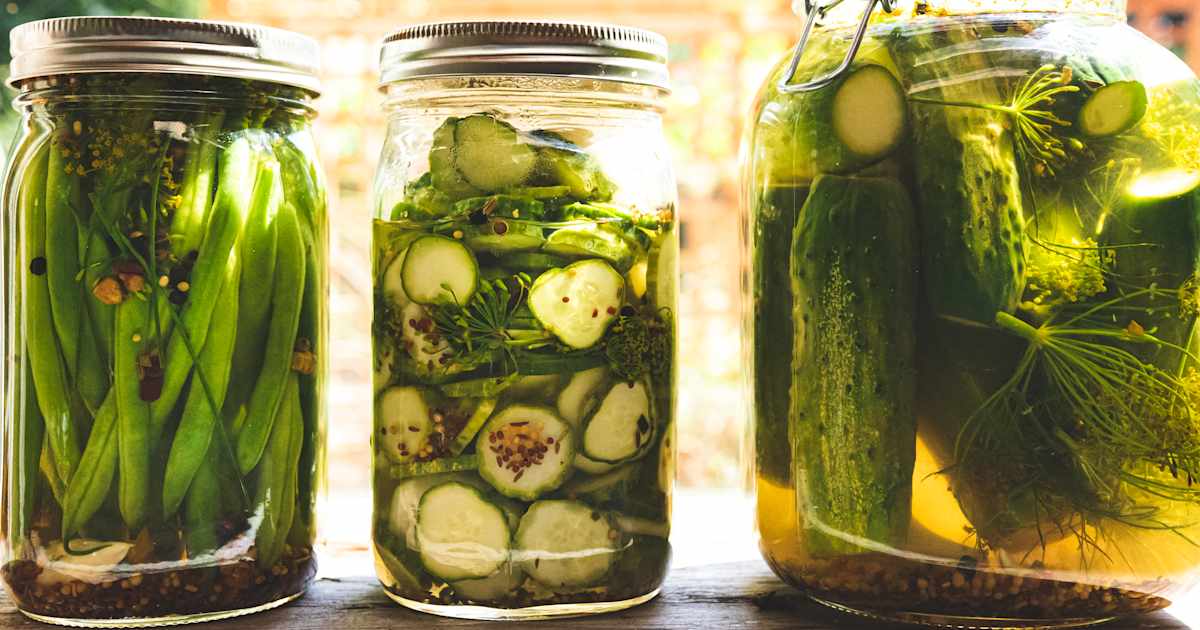
How did early Americans keep food fresh without Mason jars or plastic wrap? The answer lies in a combination of basic chemistry and resourceful material culture. Pickling relies on either anaerobic fermentation (which produces lactic acid) or immersion in an acidic liquid like vinegar. The high salt concentration or acidity creates an environment where harmful bacteria, such as those that cause botulism, cannot survive.
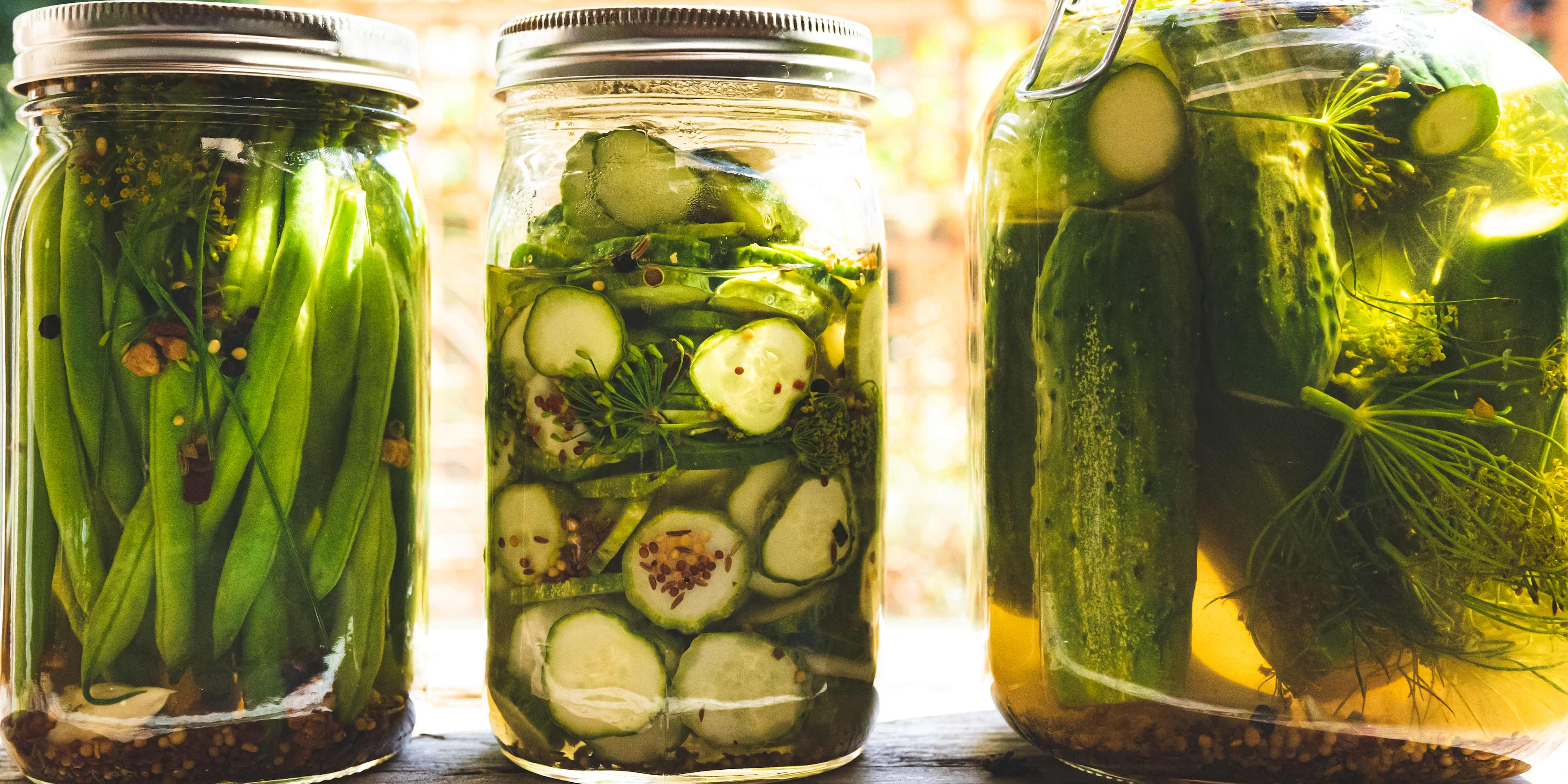
To store these items, families relied on heavy ceramic pots and stoneware crocks. These vessels, along with wooden barrels, were absolute essentials. In fact, these ceramic vessels and stoneware crocks were essential everyday objects of colonial America, found in nearly every cellar and pantry. Because modern vacuum-sealing lids did not exist, colonists had to get creative to keep air out. They covered their crocks with thick layers of leather, poured clarified butter over the top to create an airtight seal, or stretched wet pig bladders over the openings. As the bladders dried, they shrank and tightened, acting as an early, highly effective form of plastic wrap.
Turning Points: From Imported Dependencies to Self-Sufficiency
In the earliest years of colonization, the ingredients for pickling were hard to come by. Salt, in particular, was a precious commodity. Because domestic salt springs were inaccessible or undeveloped, salt had to be imported via Dutch and Anglo-Dutch trade networks, which were intrinsically linked to the transatlantic slave trade. This dependence on imported salt was a major vulnerability for early settlements.
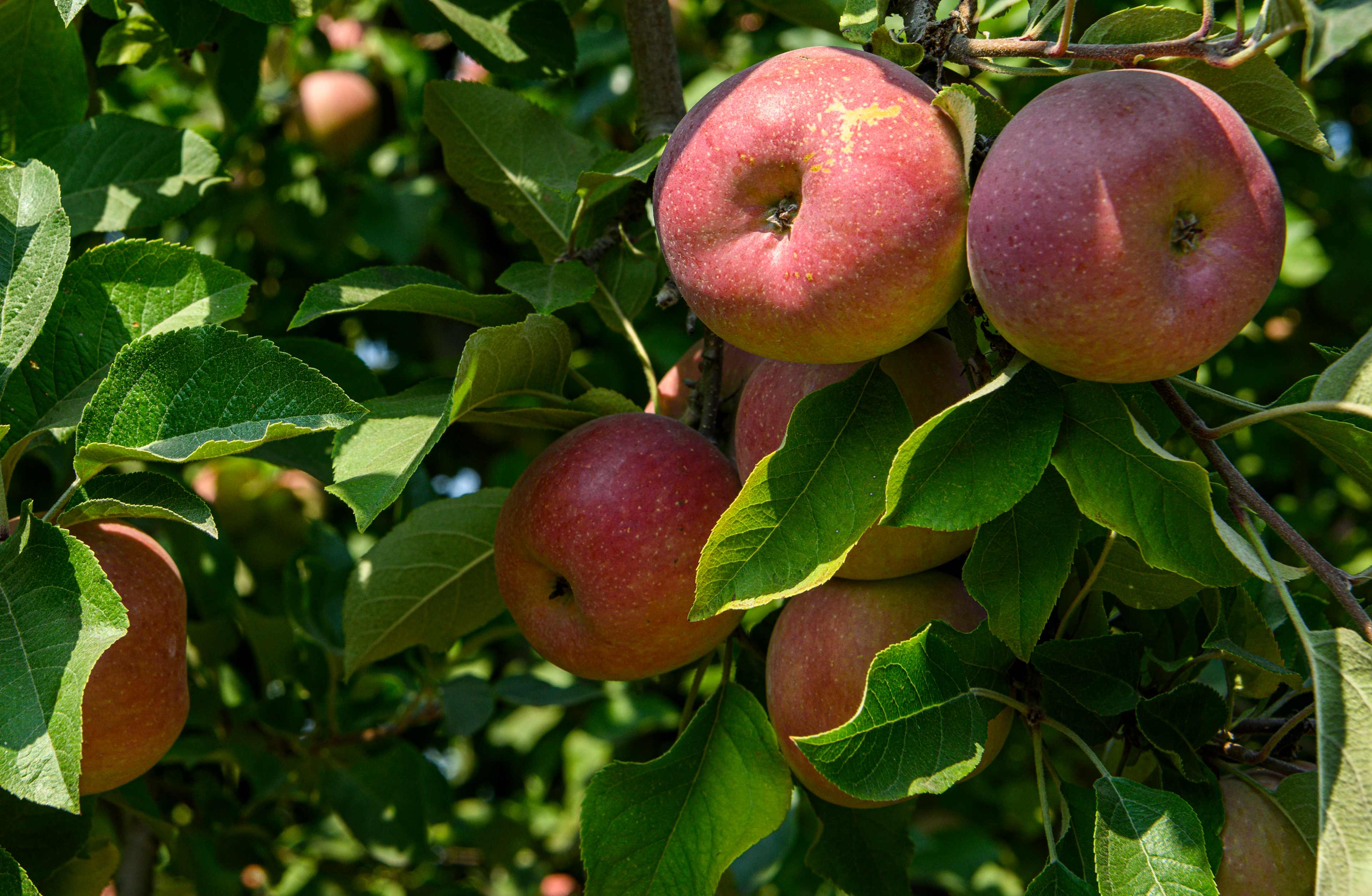
The major turning point came when colonists began producing their own acidic preserving agents. While they initially used imported beer and wine, they soon turned to agriculture. Colonists planted massive apple orchards specifically to brew hard cider, which easily fermented into high-quality apple cider vinegar. This transition revolutionized their food security, demonstrating how apples were once as good as gold in the early American homestead economy. With local vinegar and increasingly accessible salt, families could move deeper into the frontier, secure in the knowledge that they could carry months of shelf-stable food with them.
Lesser-Known Facts and Quirky Anecdotes
- The Poison Green Pickles of 1755: In the eighteenth century, people prized bright green pickles. To achieve this aesthetic, some colonial cooks boiled their pickles in copper kettles or added toxic vitriol (copper sulfate). The Virginia Gazette reported a chilling story of a gentleman who fell violently ill after eating beautifully colored cucumbers at a friend’s dinner party, exposing the deadly side of culinary aesthetics.
- The Multi-Step Soaking Process: Colonial pickles were not ready to eat straight from the crock like modern deli pickles. Because they were preserved in extremely high concentrations of salt and vinegar to prevent spoilage, they had to be soaked in fresh water multiple times over several days to leach out the excess salt before they were edible.
- Pickled Watermelon Rinds: Waste was not an option in a colonial household. When watermelon was in season, the flesh was eaten fresh, and the thick green rinds were carefully peeled, boiled, and pickled in a sweet, spiced vinegar mixture to serve as a winter delicacy.
Why Colonial Pickling Matters Today
Today, we live in an era of instant refrigeration and global supply chains, yet the ancient art of pickling is experiencing a massive resurgence. The modern homesteading, farm-to-table, and DIY fermentation movements are directly linked to the self-sufficiency practices of early America. Modern science has validated what colonial families knew through sheer trial and error: fermented and pickled foods are incredibly rich in probiotics, supporting gut health and overall wellness. Understanding how pickling helped early American colonists survive reminds us of the ingenuity of our ancestors and offers valuable lessons in sustainable living, reducing food waste, and connecting deeply with the food we consume.
People Also Ask (FAQ)
Why was pickling so critical to early American colonists?
Pickling was a matter of life and death. Without modern refrigeration, fresh crops and meats would rot within days. Pickling allowed colonists to store summer and autumn harvests to survive the freezing winter months when no fresh food was available.
What kinds of unexpected foods did colonists pickle?
In addition to cucumbers and cabbage, colonists pickled oysters, walnuts, nasturtium buds (as a substitute for capers), pig ears, sturgeon, and even watermelon rinds. If it was edible, they found a way to pickle it.
How did colonists seal their pickle jars?
Since modern canning jars with rubber gaskets did not exist, colonists used stoneware crocks sealed with layers of wet leather, clarified butter, or stretched pig bladders that tightened as they dried to create an airtight seal.
Conclusion
Ultimately, the story of early America is not just one of political treaties and frontier battles; it is a story of domestic ingenuity. By mastering the science of salt, vinegar, and fermentation, early colonists transformed highly perishable items into life-saving winter provisions. How pickling helped early American colonists survive is a testament to human resilience, demonstrating that sometimes the greatest historical victories are won not on the battlefield, but in the quiet corners of a colonial pantry.


