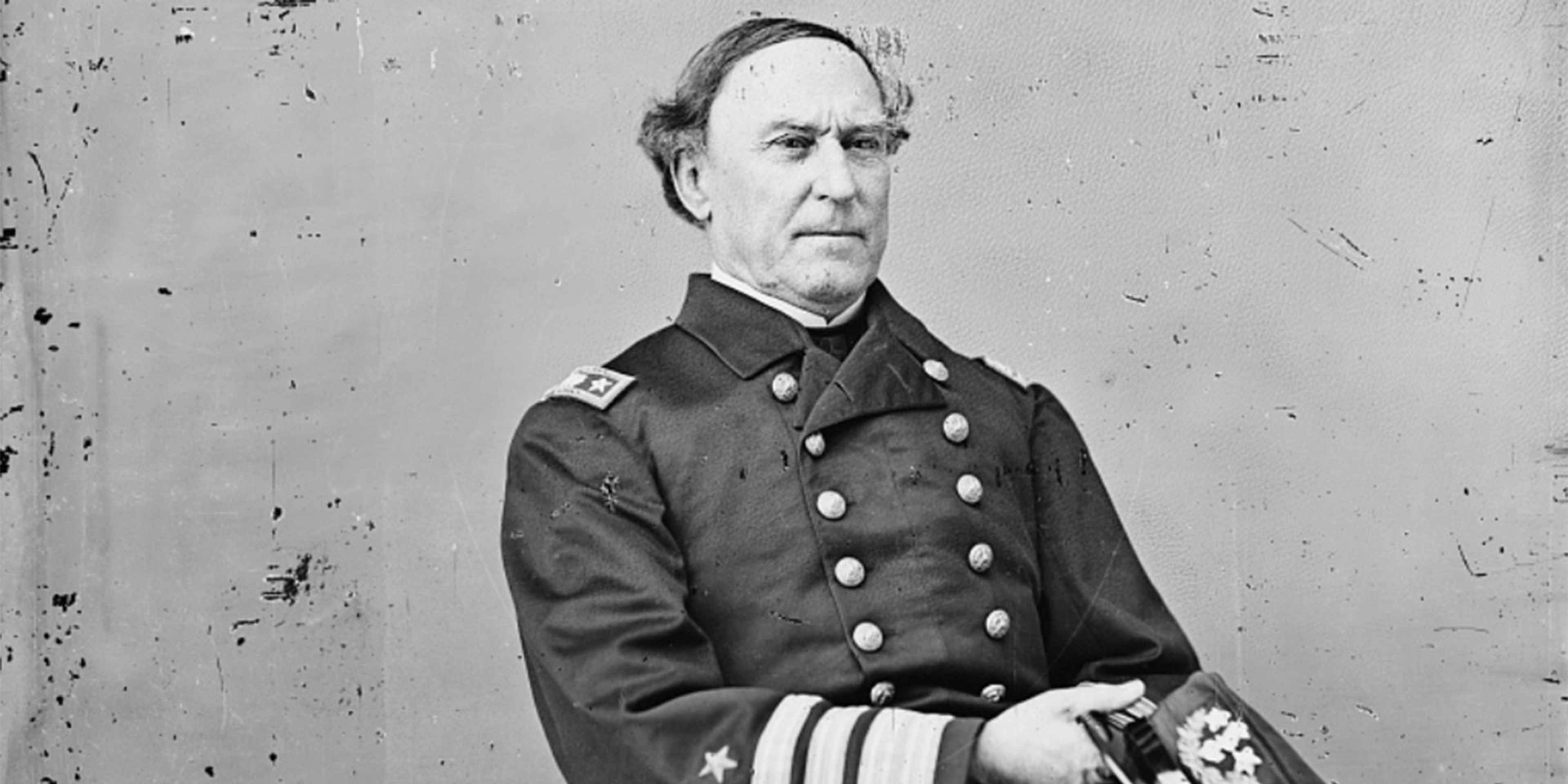
In the annals of American military history, few figures match the sheer audacity, tactical genius, and unrelenting resolve of Admiral David Farragut. As the first-ever officer to hold the ranks of Rear Admiral, Vice Admiral, and full Admiral in the United States Navy, Farragut’s life was inextricably bound to the sea. Best remembered for his iconic command, “Damn the torpedoes, full speed ahead!” during the crucial Battle of Mobile Bay in 1864, Farragut’s daring maneuvers proved instrumental in squeezing the lifeblood out of the Confederacy. Beyond this legendary battle cry, his career spanned six decades, starting at the tender age of nine and culminating in his status as an indispensable Union hero of the American Civil War. His actions not only reshaped naval warfare but also cemented his place as a pillar of American resilience and tactical brilliance.
Historical Background: From Revolutionary Roots to the War of 1812
To understand David Farragut’s deep-seated devotion to the United States, one must look to his remarkable lineage and unusual childhood. Born James Glasgow Farragut on July 5, 1801, near Knoxville, Tennessee, his father, Jorge Farragut, was a Spanish merchant captain who had emigrated to America and served courageously during the Revolutionary War battles, instilling an early sense of patriotism in his son. Tragically, young James’s mother died of yellow fever when he was still a child.
In a turn of fate that would define his life, the Farragut family was befriended by Captain David Porter, a legendary U.S. Navy officer. Porter formally adopted young James, who subsequently changed his first name to David in honor of his adoptive father. This unique family arrangement also made him the foster brother of David Dixon Porter, who would also rise to fame as a prominent Civil War admiral. David Farragut entered the Navy as a midshipman at just nine years old. By age eleven, he saw intense combat aboard the frigate USS Essex during the War of 1812, raiding British shipping in the Pacific. So impressive was the young sailor’s aptitude that, at the age of twelve, he was placed in charge of a captured prize ship, successfully navigating it to port.
A Southern-Born Officer Standing Firm for the Union
By the dawn of the American Civil War in 1861, Farragut had spent fifty years in routine service, rising to the rank of Captain. At the time, he was living in Norfolk, Virginia, with his Southern-born wife. Many in the South fully expected Farragut to join the Confederacy, given his Tennessee birth and Virginia residency. However, Farragut viewed secession as nothing short of treason.
When Virginia seceded, Farragut made the difficult decision to pack up his family and move north to New York, declaring his unwavering allegiance to the Union. This decision came with immense personal risk and social isolation, but Farragut’s sense of duty was absolute. Recognizing his unparalleled experience and firm loyalty, the Union Navy appointed him to command the West Gulf Blockading Squadron, charging him with the monumental task of capturing New Orleans—the South’s largest port and a vital lifeline for incoming European goods.
Turning Points: The Battles of New Orleans and Vicksburg
Farragut’s true genius lay in his willingness to defy conventional military caution. In April 1862, he arrived at the mouth of the Mississippi River. The Union War Department advised him to first neutralize Fort Jackson and Fort St. Philip through prolonged mortar bombardment. Realizing that time was of the essence, Farragut executed a much bolder plan: he decided to run his fleet past the blazing Confederate forts under the cover of darkness.
On the night of April 24, 1862, Farragut’s fleet sailed into a firestorm of heavy artillery, burning rafts, and ironclad rams. Defying the odds, his ships breached the defenses, destroyed the Confederate river squadron, and laid siege to New Orleans, forcing its surrender. This dramatic victory closed the South’s most crucial international trade gateway. In recognition of this spectacular triumph, Congress created the rank of Rear Admiral specifically for Farragut, making him the first in U.S. history to hold the title.
Following this victory, Farragut turned his attention to the Mississippi River, assisting General Ulysses S. Grant in the Vicksburg Campaign. By navigating his heavy warships past the formidable batteries at Port Hudson and cutting off Confederate supplies along the Red River, Farragut provided indispensable naval support that eventually led to the surrender of Vicksburg in July 1863, splitting the Confederacy in two.
The Climax: “Damn the Torpedoes!” at the Battle of Mobile Bay
In August 1864, Farragut faced his greatest tactical challenge at Mobile Bay, Alabama. Mobile was the last major open port in the Gulf of Mexico under Confederate control. The harbor was heavily fortified by Fort Morgan, Fort Gaines, and a massive array of tethered naval mines, which were known as “torpedoes” at the time. Furthermore, the formidable Confederate ironclad CSS Tennessee patrolled the waters.
On the morning of August 5, 1864, Farragut’s fleet approached the harbor in two columns. Disaster struck almost immediately when the lead Union monitor, USS Tecumseh, struck a mine and sank within minutes, taking nearly its entire crew down with it. Horrified, the wooden frigate USS Brooklyn ground to a halt, throwing the entire Union line into confusion directly under the devastating crossfire of Fort Morgan’s guns.
While other commanders might have favored tactical retreats to preserve their forces—a strategy often studied in classic brilliant military retreats throughout history—Farragut knew that hesitation under the guns of Fort Morgan would mean total annihilation. From his high vantage point on the rigging of the USS Hartford, Farragut barked his immortal order: “Damn the torpedoes! Full speed ahead!”
He steered the USS Hartford directly through the minefield, betting that the submerged torpedoes had been corroded by seawater and would fail to detonate. His gamble paid off; the mines clinked harmlessly against the ship’s hull without exploding. Inspired by his audacity, the rest of the fleet followed. After a brutal, close-quarters slugfest with the CSS Tennessee, the Confederate ironclad surrendered, and the surrounding forts fell one by one, sealing the harbor shut.
A Diverse Union Navy: The Broader Civil War Context
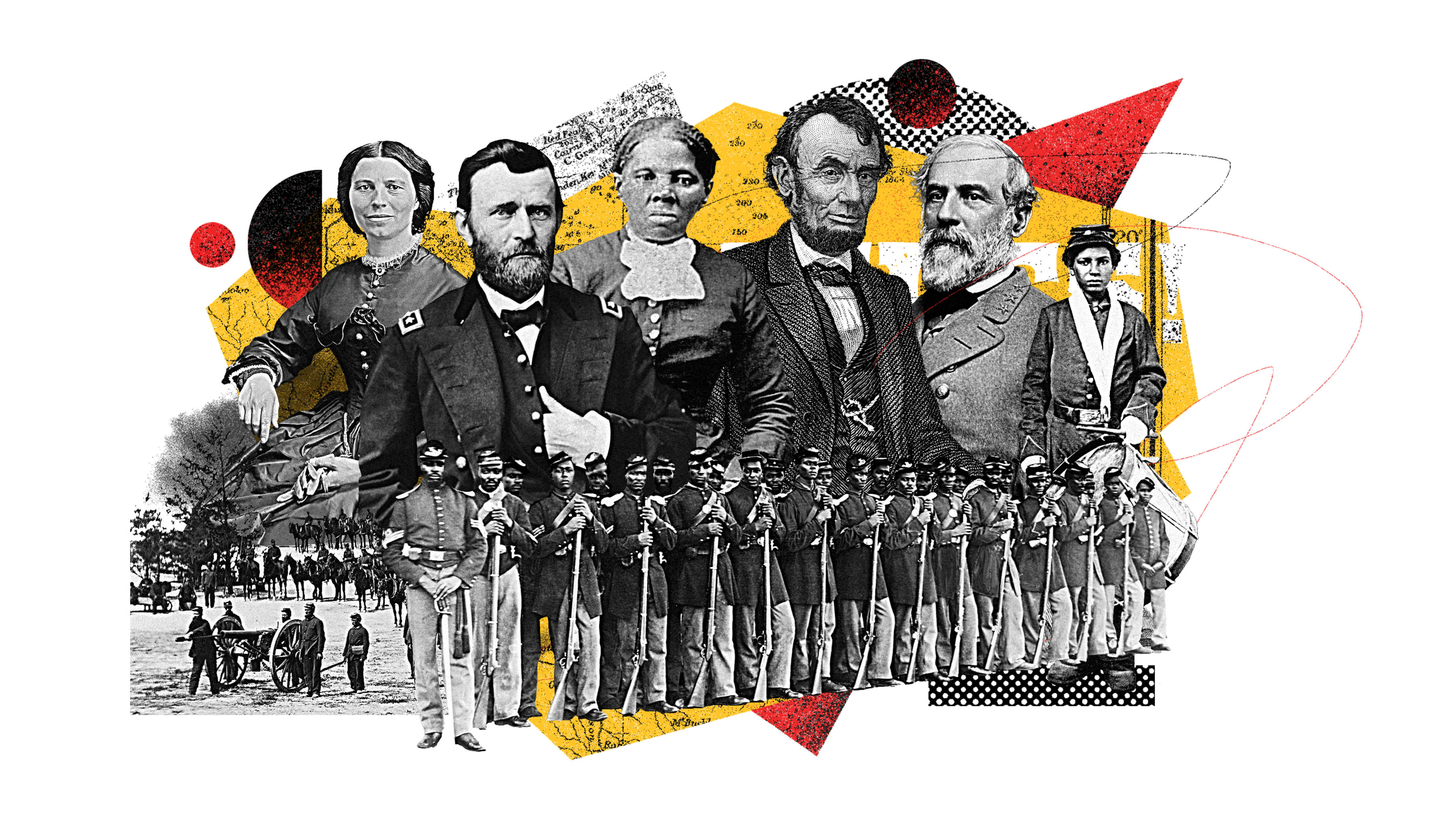
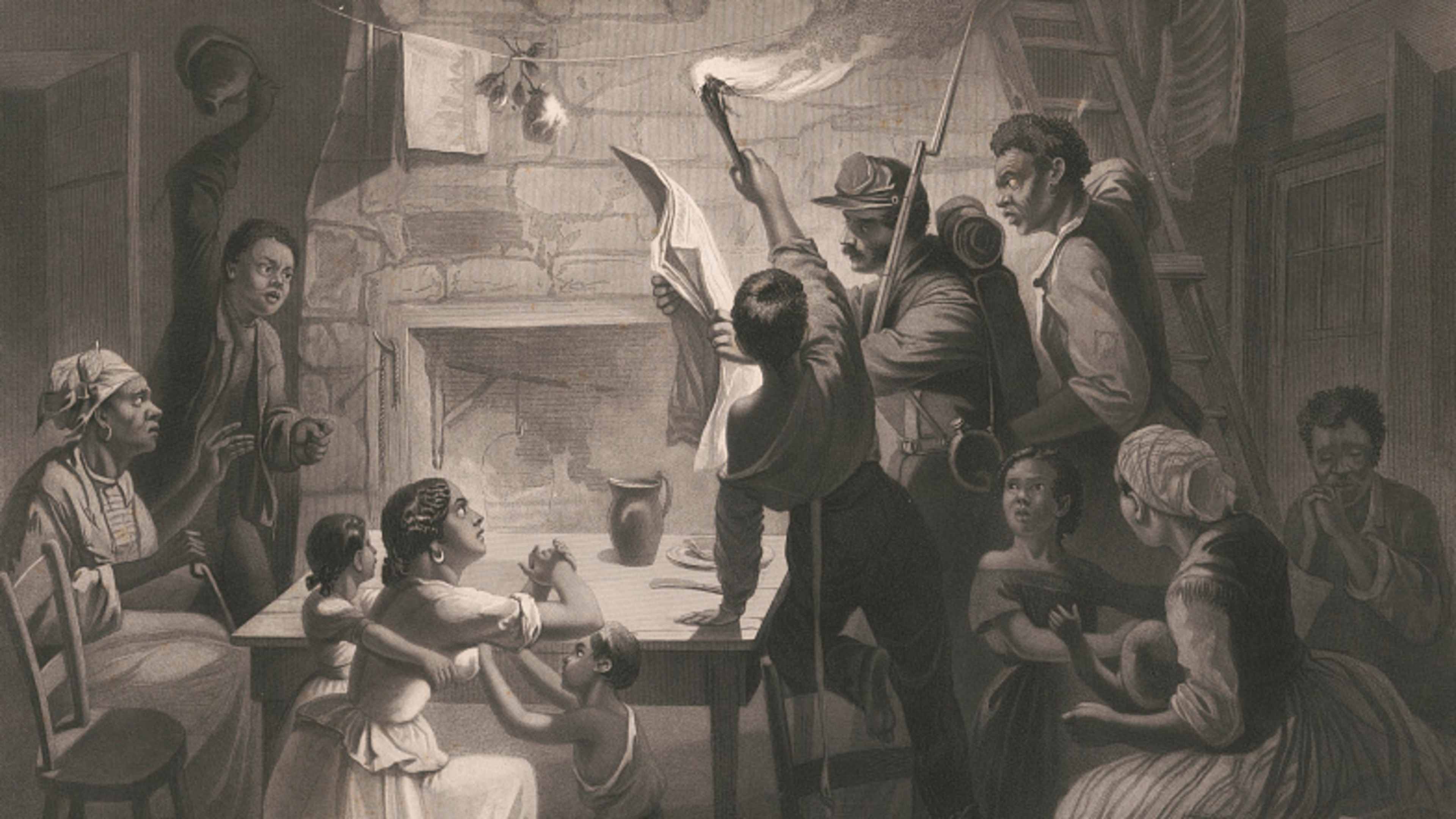
Farragut’s achievements did not happen in a vacuum. The Union Navy’s success was made possible by a vast and diverse force of dedicated servicemen. The Civil War was a transitional era that saw the enlistment of thousands of immigrant and minority sailors who performed bravely under fire. Furthermore, the Union Navy during the Civil War relied on a highly diverse coalition of sailors, including thousands of African Americans who demonstrated immense bravery, establishing a legacy of black heroes throughout US military history. This collective effort, paired with Farragut’s visionary leadership, proved that the Navy was a formidable, modern force capable of deciding the fate of a nation.
Key Events Timeline in the Life of David Farragut
- July 5, 1801: Born James Glasgow Farragut near Knoxville, Tennessee.
- 1808: Adopted by Captain David Porter and subsequently renamed David G. Farragut.
- December 1810: Enters the U.S. Navy as a midshipman at the age of nine.
- 1812–1815: Serves in the War of 1812; commands a prize ship at age twelve.
- 1823: Participates in anti-piracy operations in the Caribbean under Porter’s command.
- April 24, 1862: Successfully runs past the Mississippi forts to capture New Orleans.
- July 1862: Commissioned as the first Rear Admiral in the history of the U.S. Navy.
- August 5, 1864: Wins the Battle of Mobile Bay, uttering his famous “Damn the torpedoes” command.
- July 1866: Promoted to full Admiral, another historic first for the U.S. Navy.
- August 14, 1870: Passes away at the age of 69 in Portsmouth, New Hampshire.
Lesser-Known Facts about Admiral Farragut
- Lashed to the Rigging: During the Battle of Mobile Bay, Farragut climbed high up into the rigging of his flagship, the USS Hartford, to see over the smoke of battle. Fearing that their beloved, aging admiral would be knocked unconscious by gunfire and fall to his death, his crew secured him to the mast with rope.
- The Foster Brother Connection: David Farragut’s adoptive brother, David Dixon Porter, also became a highly successful Union Navy Admiral. Together, these two “brothers in arms” dominated the naval theaters of the Civil War.
- Sober and Ready: On the eve of the Battle of Mobile Bay, when officers asked if they should distribute grog to the men to boost their fighting spirits, Farragut refused, stating he preferred his men clear-headed. Instead, he ordered double rations of strong, hot coffee to be served at 2:00 AM.
Why His Legacy Still Matters Today
Admiral David Farragut’s legacy extends far beyond a catchy historical catchphrase. He represents the pinnacle of decisive crisis leadership. In a modern world defined by fast-paced changes and complex obstacles, his absolute refusal to let fear paralyze action serves as a powerful case study for leaders in all fields. He modernized the U.S. Navy, moving it from a wooden-hulled force of the early 19th century into the age of steam and ironclad warships. His dedication to country over regional loyalty showed a profound understanding of the American democratic experiment, proving that the survival of the Union was worth any sacrifice.
People Also Ask (FAQ)
What is David Farragut famous for?
David Farragut is famous for being the first full Admiral in the U.S. Navy and for his daring naval victories during the American Civil War, most notably the capture of New Orleans and the Battle of Mobile Bay, where he uttered the famous phrase, “Damn the torpedoes, full speed ahead!”
What does “Damn the torpedoes, full speed ahead” mean?
In the Civil War era, “torpedoes” referred to underwater contact mines. When Farragut saw his lead ship sink due to a mine, he decided to ignore the danger and push through the minefield rather than retreat, believing that hesitation would lead to defeat. Today, the phrase is used to describe moving forward with a bold plan despite obvious risks.
Why did David Farragut side with the Union?
Although he was born in Tennessee and lived in Virginia, Farragut believed that secession was an act of treason. He remained deeply loyal to the United States and the Navy, which he had served since he was nine years old, choosing to leave his home in the South to fight for the preservation of the Union.
Conclusion
From a young midshipman commanding prize ships at age twelve to America’s first full Admiral, David Farragut lived a life defined by extraordinary courage, unwavering patriotism, and tactical genius. His bold actions at the Battles of New Orleans and Mobile Bay secured vital pathways for the Union, turning the tide of the American Civil War. Admiral Farragut’s legacy as a trailblazer of naval warfare and a champion of decisive action continues to inspire, reminding us that “fortune favors the bold” when navigating the turbulent waters of history.


