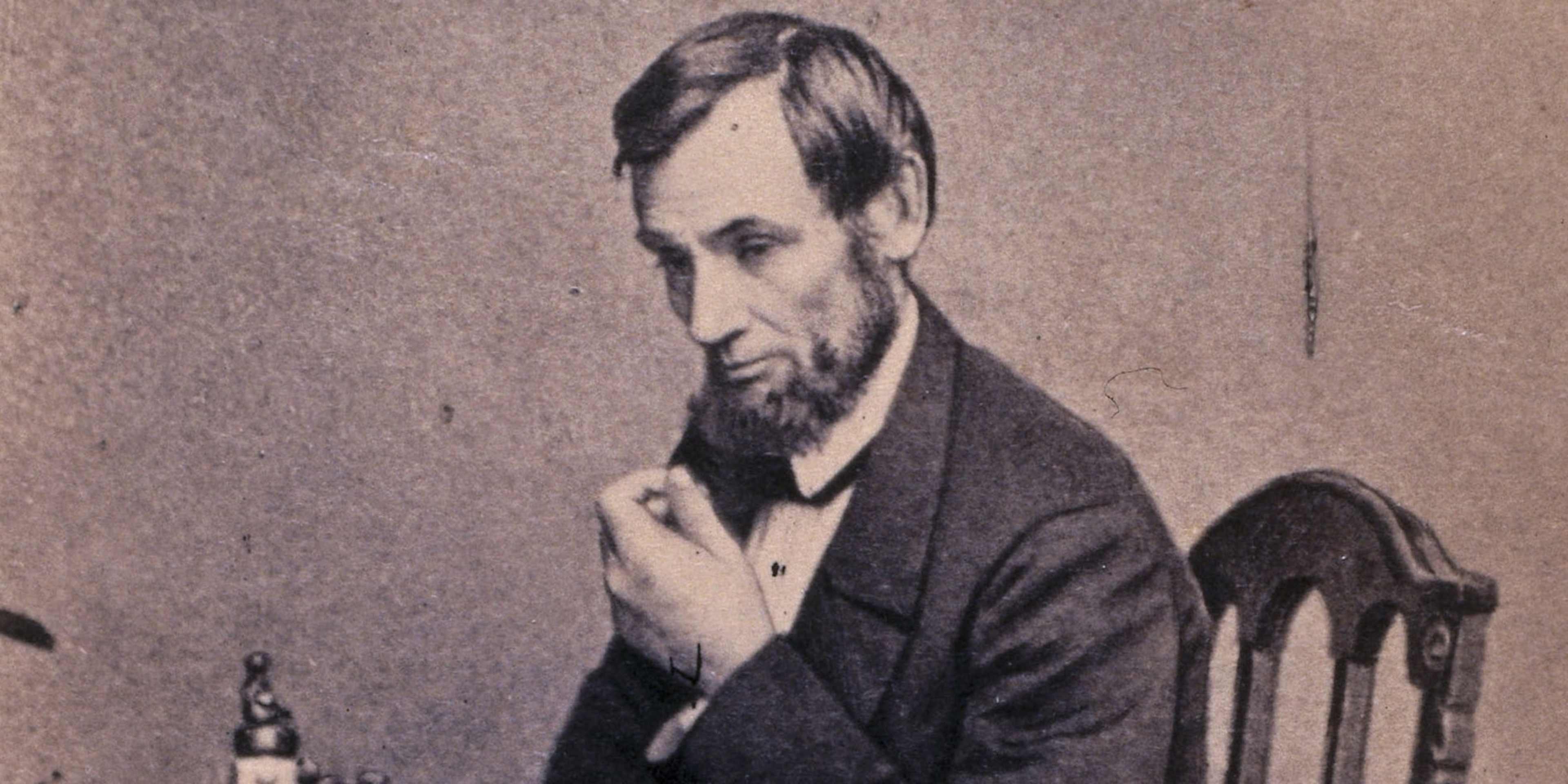
The physical transformation of Abraham Lincoln, captured through the emerging medium of photography between 1859 and 1865, serves as one of the most poignant visual metaphors in American history. When Lincoln first stepped onto the national stage as a dark-horse presidential candidate, his face was relatively smooth, showing the vigor of a self-made frontier lawyer. However, the subsequent four years of the American Civil War would subject him to an unprecedented level of political, moral, and personal trauma. The weight of preserving a fractured Union, coupled with the heartbreaking loss of his eleven-year-old son Willie, etched itself directly onto his face. By the time of his assassination in April 1865, Lincoln appeared to have aged decades in a mere four years. His eyes were deeply sunken, his cheeks hollowed, and his forehead deeply creased by the burdens of leadership. This remarkable visual record offers modern observers an intimate look at the immense human cost of guiding a divided nation through its greatest existential crisis.
Historical Background: From Frontier Lawyer to War President
In the late 1850s, the United States was a powder keg of sectional tension. The primary catalyst was the expansion of slavery into newly acquired western territories, an issue that threatened to tear the constitutional fabric of the country apart. Abraham Lincoln, a relatively obscure lawyer from Springfield, Illinois, rose to national prominence during the 1858 U.S. Senate race. Although he lost the election to the incumbent Democrat Stephen A. Douglas, the famous Lincoln-Douglas debates established him as a premier voice of the newly formed anti-slavery Republican Party.
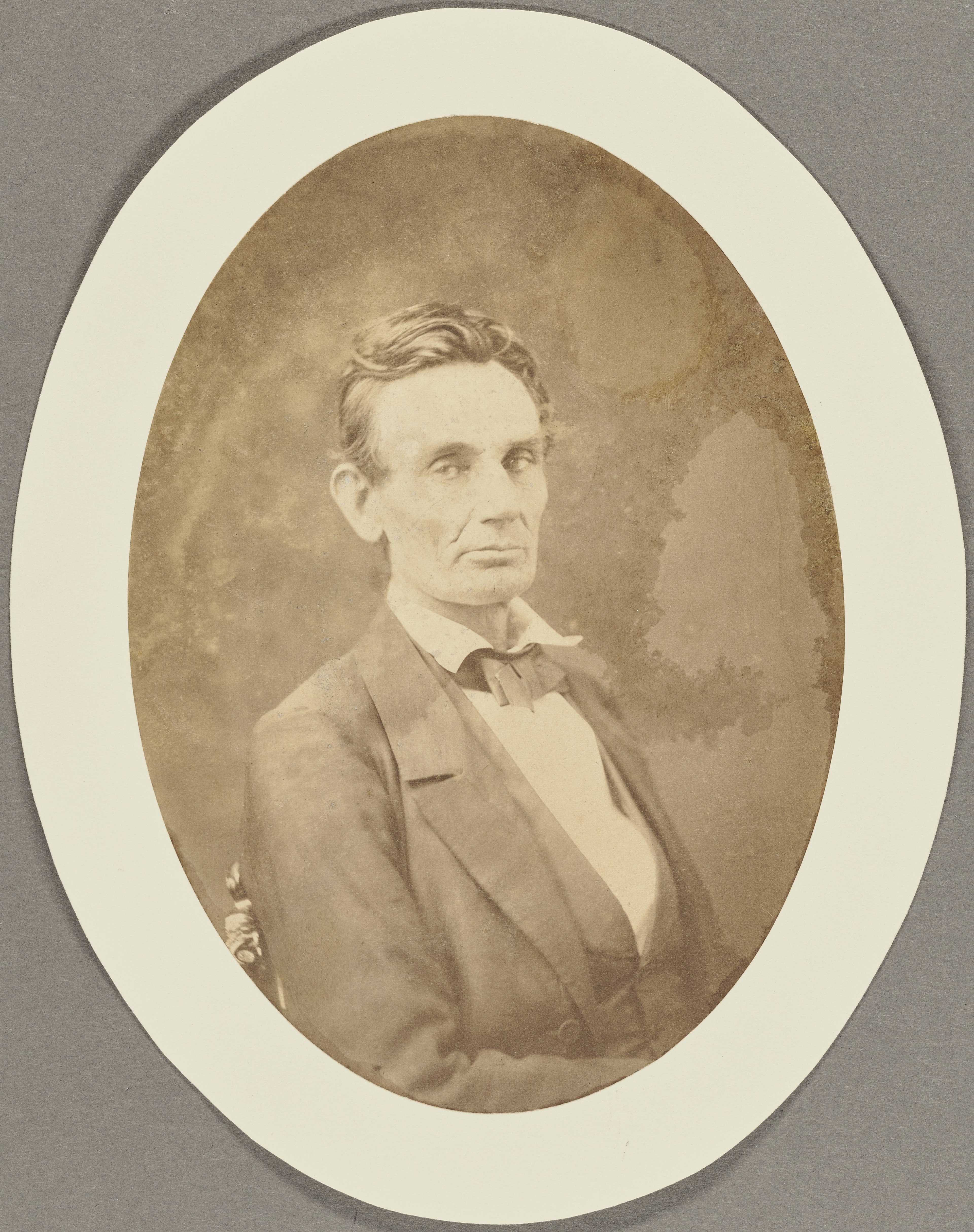
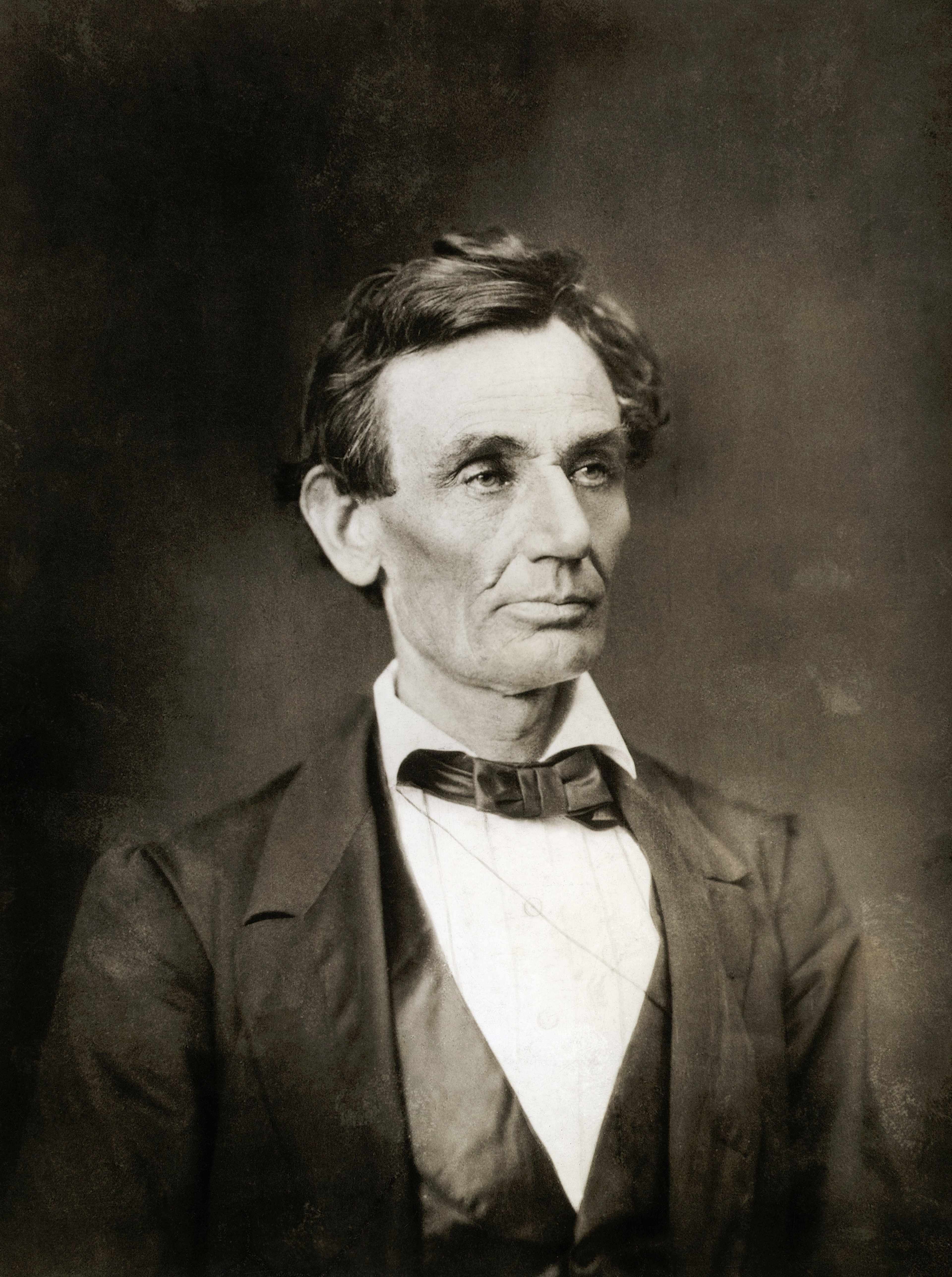
As Lincoln grappled with the moral imperative to eradicate slavery, he was forced to confront the deep-seated compromises built into the nation’s fabric. He frequently reflected on the early compromises of the American founders, analyzing why Thomas Jefferson’s anti-slavery passage was removed from the Declaration of Independence and realizing that his presidency was tasked with resolving a long-deferred moral crisis. When he sat for a portrait in a Chicago gallery in October 1859, he was clean-shaven, clear-eyed, and robust. His wife, Mary Todd Lincoln, declared this photograph the most accurate representation of his true character—a depiction of a man yet untouched by the unimaginable burdens of the White House.
A Chronological Timeline of Lincoln’s Physical Decline
Through the lens of early photographers like Mathew Brady and Alexander Gardner, we can track Lincoln’s physical decay almost month by month. The chronological sequence of his portraits offers a vivid timeline of the Union’s struggle.
- October 4, 1859 (Chicago, Illinois): A clean-shaven, youthful Lincoln campaigns for Midwestern Republicans. His face is smooth, and his posture is upright and confident.
- June 1860 (Springfield, Illinois): Taken shortly after his nomination, Alexander Hesler captures a vibrant, energetic candidate. Lincoln remarked that it was a very fair representation of his ‘homely face.’
- May 16, 1861 (Washington, D.C.): Posing in Mathew Brady’s studio shortly after the Confederate attack on Fort Sumter. Lincoln has grown his famous beard, but his eyes already begin to show the weight of a nation entering a state of civil war.
- October 3, 1862 (Sharpsburg, Maryland): Standing on the battlefield of Antietam just weeks after the bloodiest single day in American history. The lines around his mouth and eyes have deepened significantly.
- November 8, 1863 (Washington, D.C.): Captured by Alexander Gardner just days before delivering the Gettysburg Address. The bags under his eyes are pronounced, and his forehead is heavily creased.
- February 9, 1864 (Washington, D.C.): The famous studio portrait that would later grace the five-dollar bill. Lincoln’s expression is deeply pensive, reflecting a year of brutal warfare and intense political opposition.
- February 5, 1865 (Washington, D.C.): Taken by Gardner just two months before Lincoln’s death. His face appears gaunt, his skin leathered, and his expression one of absolute exhaustion. This image is often referred to as the ‘cracked-plate’ portrait due to a fracture in the glass negative, symbolizing the fractured nation he labored to heal.
The Inner Circle: Witnesses to the President’s Decay
Those closest to Lincoln watched his rapid deterioration with immense concern. His personal secretary, John Hay, noted that by 1865, Lincoln was ‘in mind, body, and nerves a very different man’ compared to the eager leader of 1861. The president’s friend and newspaper publisher, Horace Greeley, described Lincoln’s face during his second term as ‘care-ploughed, tempest-tossed, and weatherbeaten.’
To find solace amidst the constant flow of casualty lists, Lincoln spent hours reviewing military court-martial cases, frequently exercising executive clemency. This deep empathy drove him to discover how American presidents ended up with the kingly power to pardon, utilizing this constitutional authority to save young Union soldiers from execution for desertion or sleeping on watch. These late-night acts of mercy were among the few reprieves Lincoln had from the crushing guilt of the war’s mounting death toll.
The Dual Crises: National Bloodshed and Personal Grief
The visible aging of Abraham Lincoln was not merely the result of political stress; it was the physical manifestation of deep personal and national grief. Lincoln had suffered from what Victorians called ‘melancholy’—now understood as clinical depression—throughout his entire life. The onset of the Civil War exacerbated this vulnerability.
The year 1862 was particularly devastating. In February, his eleven-year-old son Willie died of typhoid fever in the White House. The loss shattered both Abraham and Mary Todd Lincoln, plunging the executive mansion into deep mourning. Concurrently, the battlefield losses were mounting to horrific heights. Battles like Shiloh, the Seven Days, and Antietam resulted in tens of thousands of casualties. Lincoln felt personally responsible for every soldier sent to his death.
With the issuance of the final Emancipation Proclamation in January 1863, the military landscape changed dramatically. African American men rushed to enlist in the Union Army, adding their names to the storied roster of black heroes throughout US military history who fought for their own freedom and the preservation of the republic. While this was a major moral victory, it also intensified the political backlash against Lincoln, who faced fierce opposition from Northern Democrats and anti-war factions as he prepared for the 1864 re-election campaign.
Major Turning Points Visible in Portraiture
The changing face of Lincoln corresponds directly with the major turning points of the war. The transition from the youthful candidate of 1860 to the bearded, somber president of 1861 marked the realization that the conflict would not be brief. Many Americans initially believed the war would be over by Christmas, but the bloodbath at the First Battle of Bull Run shattered those illusions.
By 1863, after the twin Union victories at Gettysburg and Vicksburg, the visual toll became even more pronounced. Although these battles turned the tide of the war, the cost was staggering. The deep lines etched into Lincoln’s face during this period reflect a leader who knew that victory was possible, but only at a price that would leave the nation permanently scarred.
Long-Term Impact on the American Presidency
Lincoln’s physical decline transformed the public’s understanding of the American presidency. For the first time, through the democratization of photography, ordinary citizens could see the direct impact of leadership on their commander-in-chief. Lincoln did not hide his exhaustion; he allowed himself to be photographed as he was—weathered, tired, and deeply human.
This visual legacy established a new standard of presidential sacrifice. It showed that the office was not one of monarchical comfort, but of profound service and personal cost. Every president since Lincoln has faced similar public scrutiny, with modern media continuously documenting how the pressures of the Oval Office age its occupants.
Lesser-Known Facts About Lincoln’s Portraits
- The Beard Proposal: Lincoln did not sport his iconic beard until late 1860. He grew it after receiving a letter from an eleven-year-old girl named Grace Bedell, who suggested that his thin face would look better with whiskers, which might help convince more voters.
- The Cracked Plate Symbolism: The final formal portrait of Lincoln, taken by Alexander Gardner on February 5, 1865, exists as a single print because the glass negative cracked immediately after development. This crack, running directly over Lincoln’s head, is widely viewed by historians as an eerie foreshadowing of his impending assassination.
- The $5 Bill Origin: The portrait on the modern five-dollar bill is based on a photograph taken by Mathew Brady on February 9, 1864. This image was praised by Lincoln’s eldest son, Robert, as the most satisfactory likeness of his father ever captured.
Why It Still Matters Today
The story of Lincoln’s physical decline reminds us of the profound humanity of our historical leaders. In an era of polished public relations and carefully curated digital personas, Lincoln’s raw, unfiltered portraits stand as a testament to authentic leadership. They remind us that the decisions made in the halls of power have real, tangible costs—costs that are borne not only by the nation but by the individuals chosen to lead it. Understanding Lincoln’s sacrifice fosters a deeper empathy for the challenges faced by leaders across all eras of history.
People Also Ask
Did Lincoln age faster than other American presidents?
Yes, historical and medical analyses suggest that Abraham Lincoln aged at an accelerated rate compared to other presidents. The combined pressure of the Civil War, clinical depression, and the sudden death of his son Willie caused severe physical toll, which was vividly captured by the evolving technology of portrait photography.
Why did Abraham Lincoln grow a beard?
Lincoln grew his beard after winning the election of 1860. The change was inspired by a letter from Grace Bedell, a young girl from New York, who advised him that growing a beard would improve his appearance and make him look more dignified to the American public.
What did Lincoln’s contemporaries say about his appearance?
Contemporaries frequently commented on Lincoln’s increasingly worn appearance. His secretary, John Hay, and newspaper publisher Horace Greeley both remarked on how the presidency had left him looking ‘care-ploughed’ and physically exhausted by 1865.
Conclusion
Abraham Lincoln’s portraits do more than document a historical figure; they tell the story of a nation undergoing a painful rebirth. From the energetic frontier lawyer of 1859 to the hollow-eyed statesman of 1865, Lincoln’s face became the canvas upon which the tragedy of the Civil War was painted. His physical decline remains a powerful symbol of the ultimate sacrifice required to preserve the Union and secure the promise of freedom for all Americans.


