In December 2014, a routine maintenance project to fix a water leak at the Massachusetts State House in Boston unexpectedly became one of the most thrilling archaeological events in modern American history. Workers chipped away at the building’s historic cornerstone to uncover the legendary 1795 Boston time capsule, originally buried by Revolutionary War icons Paul Revere, Samuel Adams, and William Scollay. Deposited during the construction of the “New” State House on July 4, 1795—the twentieth anniversary of American independence—this remarkable capsule is recognized as the oldest known time capsule in the United States. Its discovery serves as a tangible, breathtaking connection to the founding era, reminding us of the visionary zeal of the patriots who transitioned from rebellious subjects to the architects of a new nation. By bridging the gap between the revolutionary past and the modern era, this artifact encapsulates not only physical objects but the very spirit of American democracy and perseverance.
Historical Background: The Birth of a Monument and a Capsule
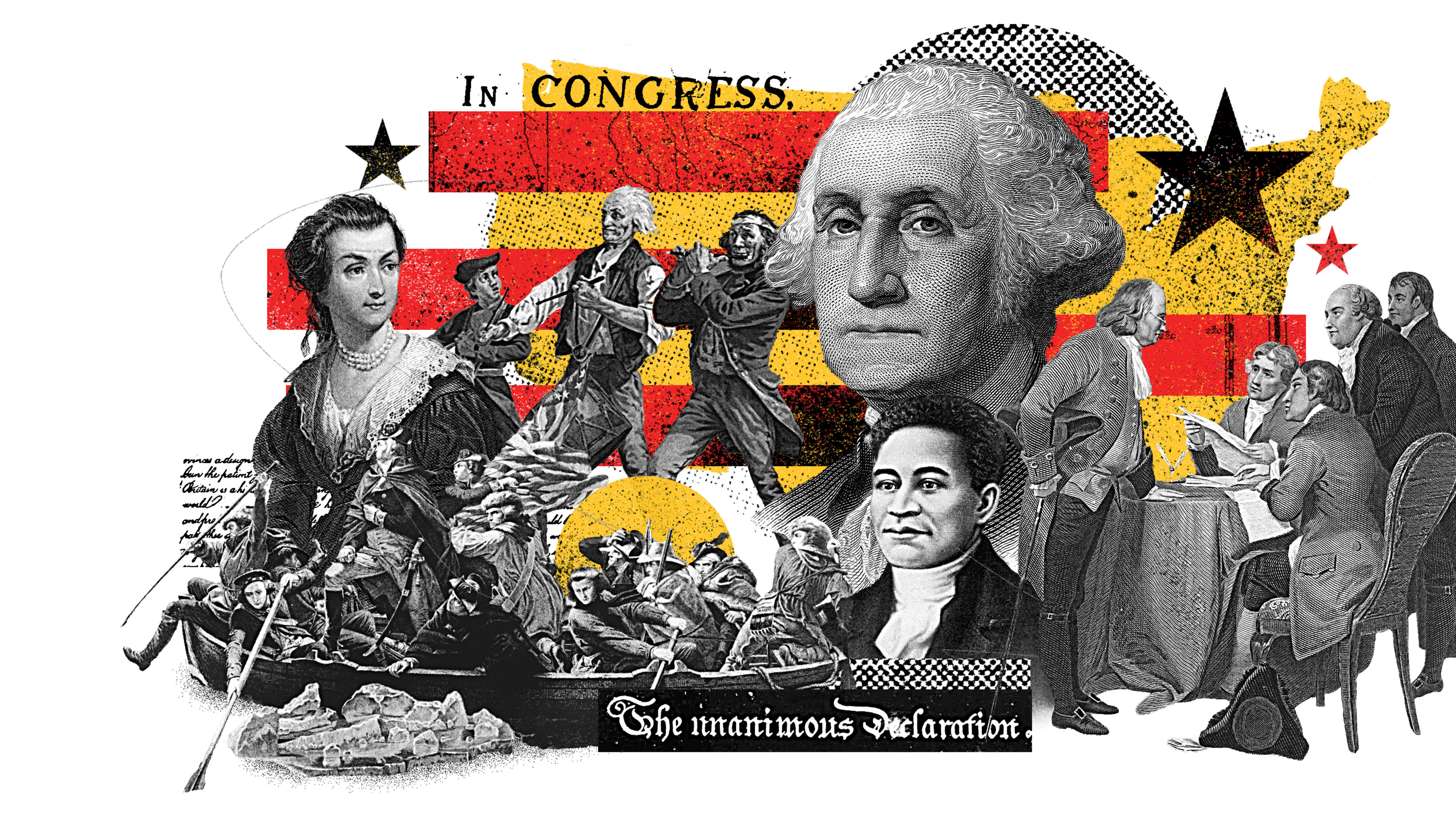
The late 18th century was a period of intense nation-building in the United States. Having secured independence from Great Britain, the Commonwealth of Massachusetts sought to project stability, pride, and democratic permanence. In 1795, Samuel Adams—then serving as the governor of Massachusetts—along with legendary silversmith and patriot Paul Revere and local leader Colonel William Scollay, decided to commemorate this progress. They organized a grand ceremonial procession in downtown Boston to lay the cornerstone of the new Massachusetts State House on Beacon Hill. The land itself carried immense historical weight, having once belonged to John Hancock, the state’s first elected governor. This grand gesture was not just about erecting a civic building; it was an intentional act of legacy-building. It is fascinating to examine how early Boston and other historic towns shaped the course of U.S. history through these deliberate public displays of democratic identity. The original container, crafted out of animal cowhide, was placed deep inside the granite foundation, meant to represent the unshakeable bedrock of the newly forged American republic.
Key Events Timeline: From 1795 to the Present
To understand the journey of this remarkable historical treasure, we must follow its timeline across more than two centuries of American development:
- July 4, 1795: Governor Samuel Adams, Paul Revere, and William Scollay lead a grand civic parade featuring 15 white horses (representing the 15 states of the Union at the time) to bury the original cowhide package in the cornerstone on the 20th anniversary of the Declaration of Independence.
- 1798: Construction of the Federal-style Massachusetts State House is completed.
- 1855: During emergency structural repairs to address foundation settling, workers unearth the capsule. State officials document and clean the artifacts—historically utilizing acid washes, which was typical of 19th-century preservation. They place the old items along with new mid-19th-century additions into a more durable copper-alloy brass box before reburying it.
- October 2014: A separate 113-year-old time capsule is found in the golden lion statue atop the Old State House, sparking renewed public interest in Boston’s hidden archival history.
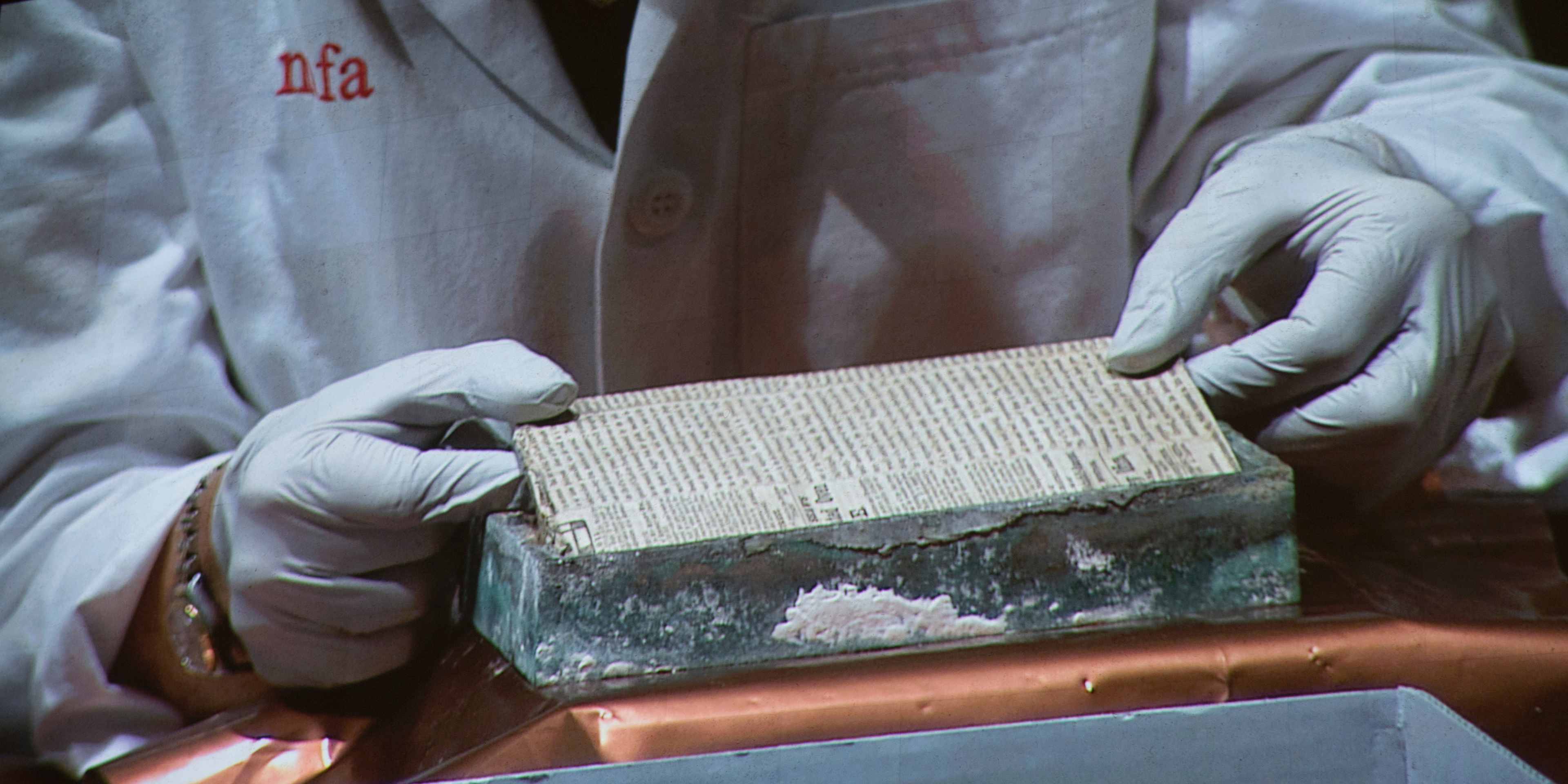
- December 2014: Workers repairing a water leak in the “New” State House discover the 1795 time capsule’s location. Conservators from the Boston Museum of Fine Arts (MFA) carefully extract the brass container.
- January 6, 2015: MFA conservators painstakingly open the capsule during a globally televised press event, revealing beautifully preserved coins, newspapers, and a silver plaque.
- June 17, 2015: The time capsule is officially reburied in the cornerstone of the State House, complete with new 2015 U.S. coins and a modern commemorative silver plaque.
Important Figures and Their Lasting Impact
Understanding this capsule requires looking at the remarkable lives of those who conceptualized it:
- Samuel Adams: As the Governor of Massachusetts in 1795, Adams was a masterful political organizer and philosopher of the American Revolution. His participation in the ceremony cemented the state government’s direct lineage to the revolutionary movement.
- Paul Revere: Famous for his midnight ride, Revere was also an accomplished silversmith and a prominent Freemason. He personally engraved the silver plaque placed inside the 1795 capsule. Revere’s craftsmanship stands as a testament to early American industrial and artistic ingenuity.
- William Scollay: A Revolutionary War officer and prominent Boston developer, Scollay helped oversee the civic projects of post-war Boston, helping transition the city from a war-torn port to a bustling federal metropolis.
- Pam Hatchfield: The lead conservator at the Boston Museum of Fine Arts who oversaw the 2014 extraction and 2015 opening. Her precision, patience, and modern techniques ensured that centuries-old paper and metal did not disintegrate upon exposure to the air.
Causes, Context, and the Quest for Identity
The burial of the capsule in 1795 occurred during a delicate time in the young nation’s history. The United States was shifting from the chaotic Revolutionary era to a structured federal system under the Constitution. Culturally, Americans were desperate to establish an independent identity free from British imperial influence. By burying a time capsule, Adams and Revere were signaling to future generations that their experiment in self-government was built to endure. The objects they chose were deeply symbolic: they included local newspapers and currency, demonstrating a pride in local commerce and an independent free press. A free press was paramount to the early republic, reflecting a massive transformation in public communication since America’s first newspaper was published to challenge colonial authority.
Major Turning Points in the Capsule’s History
There are two monumental turning points in the biography of this time capsule:
The 1855 Refurbishing and Transition to Brass
The first critical turning point occurred sixty years after the initial burial. The original cowhide container was highly susceptible to moisture and decay. When construction workers discovered the capsule during repairs in 1855, they realized the contents needed better protection. The decision to transfer the relics into a copper-alloy brass box and add contemporary 1855 artifacts—such as silver and copper coins of that era—effectively doubled the historical value of the capsule. It turned the vessel from a strictly Revolutionary monument into a multi-generational archival project.
The 2014 Leak and the MFA Rescue
The second turning point was the sudden water leak in 2014. Had the leak gone unnoticed or unrepaired, moisture could have completely ruined the fragile paper contents inside, which had survived for over two centuries. The highly publicized, meticulous extraction process led by Pam Hatchfield, who had to lie on her back in freezing Boston weather to tap the cornerstone free, captured the imagination of history enthusiasts worldwide and highlighted the critical importance of modern archaeological preservation.
What was Found Inside? Unlocking the Treasures
When the 10-pound brass container was opened on January 6, 2015, using specialized tools (including a natural porcupine quill to gently separate paper fibers), historians were greeted with an extraordinary array of early American life:
- The Silver Plaque: Believed to be hand-engraved by Paul Revere, this plate was dedicated to the cornerstone laying on July 4, 1795, commemorating the 20th anniversary of American Independence. Remarkably, clear historic fingerprints—possibly Revere’s or Adams’—were visible on its metallic surface.
- The Pine Tree Shilling: The oldest coin discovered was a silver 1652 Pine Tree Shilling. This coin was minted during a time when the early Massachusetts Bay Colony lacked royal authority to produce its own currency, representing a very early, quiet act of economic defiance in the 13 colonies.
- George Washington Medal: A beautifully preserved copper medal depicting the nation’s first president.
- Early Newspapers: Five tightly folded colonial and federal-era newspapers. Though too fragile to immediately unfold, their mastheads were clearly visible, showing the vibrant print culture of early Boston.
- Commonwealth Seal & Currency: A collection of silver and copper coins ranging from 1652 to 1855, alongside a paper impression of the Seal of the Commonwealth of Massachusetts.
Lesser-Known and Surprising Facts
- A Royal Defiance: The 1652 Pine Tree Shilling found in the box was actually minted illegally. The Puritans of Massachusetts continued to mint these coins dated “1652” for over thirty years to bypass English laws that forbade colonies from producing their own coinage. Burying it in 1795 was a nod to Massachusetts’ long history of resisting royal authority.
- The 1855 Acid Wash: In 1855, well-meaning officials “cleaned” the original coins by washing them in acid, a crude practice that modern conservators would never use because it strips away microscopic layers of metal.
- 15 White Horses: The procession in 1795 was a massive civic spectacle. The capsule was transported to the State House site in a carriage pulled by 15 white horses—one for each state in the Union at the time.
- A Porcupine Quill: To prevent scratching the delicate silver and copper surfaces or tearing the degraded paper of the 220-year-old newspapers, conservator Pam Hatchfield utilized a simple, organic porcupine quill as one of her primary opening tools.
Why It Still Matters Today
The discovery and opening of the Samuel Adams and Paul Revere time capsule did not merely provide us with physical artifacts; it renewed our collective relationship with history. In a digital age where communication is instantaneous and transient, the physical durability of a brass box buried beneath a granite cornerstone reminds us of the power of material history. The capsule stands as a physical manifestation of hope. In 1795, a group of citizens believed so deeply in the future of their fledgling democratic experiment that they left a message for a future they would never see. Today, as we navigate our own complex political and social landscapes, the capsule serves as a grounding anchor—proving that the foundational blocks of American democracy were laid with deliberate care, profound optimism, and an enduring sense of duty to posterity.
People Also Ask
What is the oldest time capsule in the United States?
The 1795 time capsule buried by Samuel Adams and Paul Revere in the cornerstone of the Massachusetts State House is widely recognized by historians as the oldest known time capsule in the United States.
What was inside the 1795 Paul Revere time capsule?
The capsule contained a silver plaque engraved by Paul Revere, a copper medal depicting George Washington, five folded newspapers from the era, a paper impression of the Commonwealth seal, and two dozen silver and copper coins dating from 1652 to 1855 (including a rare 1652 Pine Tree Shilling).
Why was the time capsule opened in 2014?
The capsule was removed in December 2014 because of an active water leak near the cornerstone of the Massachusetts State House. Historians and conservators feared that the moisture would seep into the container and permanently destroy the fragile historical documents and papers inside.
Is the 1795 time capsule still open?
No, after its contents were carefully conserved and temporarily exhibited at Boston’s Museum of Fine Arts, the capsule was officially resealed in its cornerstone on June 17, 2015. Modern items, including 2015 U.S. coins and a commemorative plaque, were added for future generations to discover.
Conclusion: A Legacy Enshrined
The journey of the 1795 Boston time capsule is a beautiful testament to the continuity of the American story. From its humble beginnings in a cowhide pouch to its preservation in a 19th-century brass box and its eventual high-tech 21st-century excavation, the capsule represents the resilience of our shared heritage. Samuel Adams, Paul Revere, and William Scollay didn’t just build a state house; they built a legacy. As the capsule rests once again beneath the granite of Beacon Hill, it continues its silent watch over Boston, waiting for the next generation of Americans to uncover, protect, and cherish the enduring ideals of the revolution.


