When we reflect on the tumultuous years of the American Civil War (1861-1865), popular history often paints the conflict in a rigid racial binary. However, the battlefield was a complex mosaic of diverse identities, including a small but remarkably dedicated group of Asian soldiers in the Civil War. Though largely forgotten by mainstream textbooks, several hundred soldiers and sailors of Asian and Pacific Islander descent picked up arms, wore the blue or gray, and shed blood on American soil. Their service represented more than just military enlistment; it was a deeply personal quest for belonging, legal recognition, and the promise of the American dream in a country that often viewed them as perpetual foreigners. By exploring their contributions, we uncover a richer, more complete narrative of American resilience and the multi-ethnic foundations of the nation’s most defining conflict.
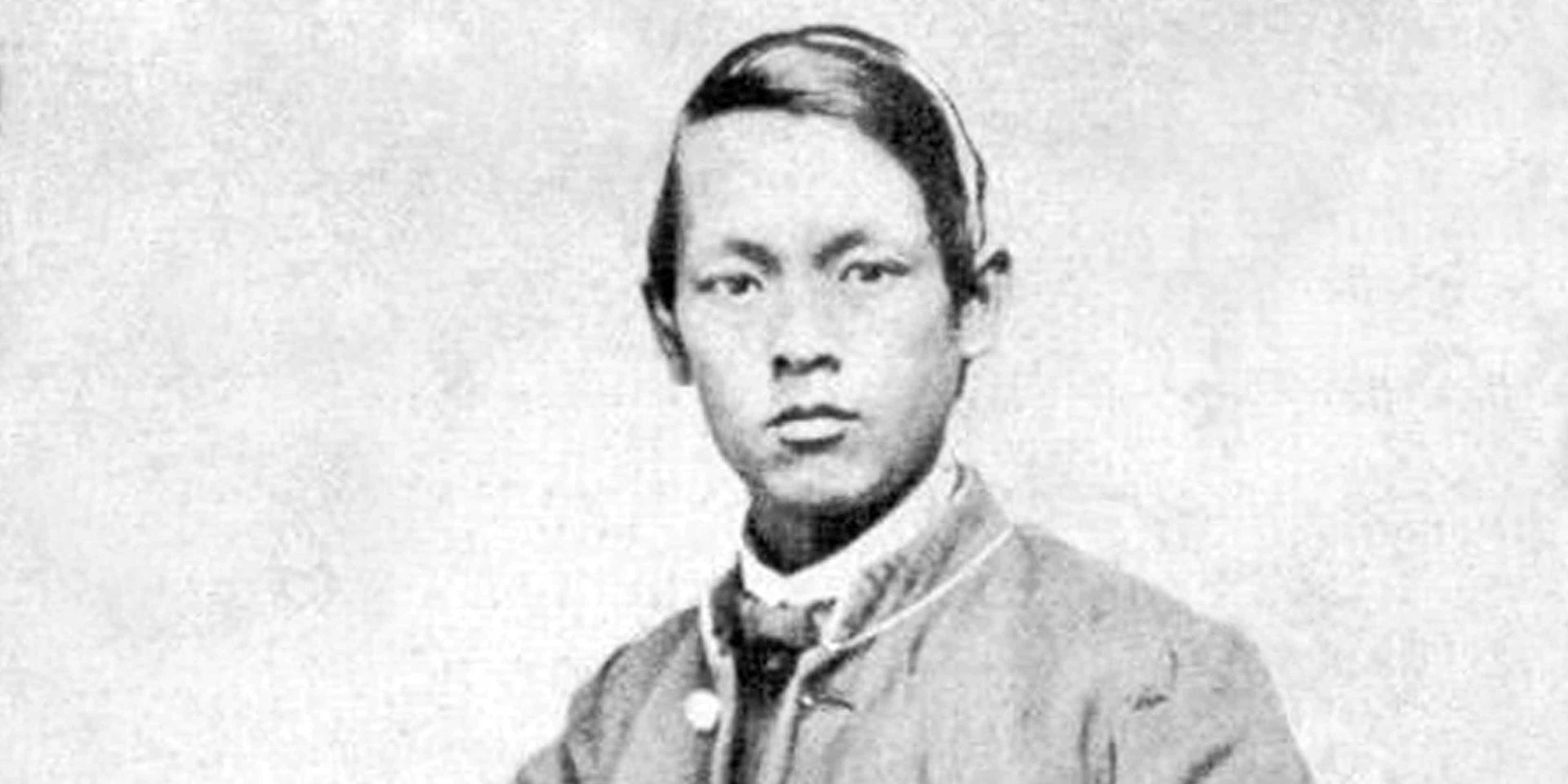
Underrepresented Heroes: Historical Background and Sociopolitical Context
During the mid-19th century, the United States was undergoing massive geographic and demographic shifts. According to the 1860 census, the nation’s population exceeded 31 million, which included approximately 35,000 Chinese immigrants. However, the vast majority of these individuals lived on the West Coast, primarily in California, drawn by the Gold Rush. In contrast, fewer than 200 Asian immigrants resided east of the Mississippi River. Many of those living in the East had arrived aboard European and American merchant vessels—often trafficked as low-wage laborers—while others were brought over by Christian missionaries or born directly on American soil.
When the Civil War erupted in April 1861, the legal and social status of Asian immigrants was highly precarious. Under the Naturalization Act of 1790, naturalization was restricted to “free white persons”, leaving Asian residents in a legal limbo where they could neither vote, own property in many states, nor easily obtain citizenship. Despite these profound systemic barriers and rampant societal prejudice, many young Asian men volunteered to fight, demonstrating an extraordinary level of patriotism for a nation that had yet to fully accept them.
Timeline of Asian Enlistment and Civil War Milestones
- April 1861: The American Civil War begins with the bombardment of Fort Sumter, sparking rapid recruitment drives across both the Union and Confederacy.
- August 1861: Thomas Sylvanus (born Ching Lee) enlists in the 81st Pennsylvania Volunteer Infantry shortly after his 16th birthday.
- July 1862: Joseph Pierce enlists in the 14th Connecticut Volunteer Infantry; the Militia Act of 1862 is passed, offering a potential (though heavily obstructed) path to citizenship for foreign-born soldiers who receive an honorable discharge.
- July 1863: Corporal Joseph Pierce fights bravely at the Battle of Gettysburg, surviving the infamous Pickett’s Charge and earning a promotion.
- August 1864: John Tomney, a Chinese-born Union corporal, is mortally wounded at the Battle of Gettysburg (some records place his death here) after surviving numerous key campaigns.
- April 1865: General Robert E. Lee surrenders at Appomattox Court House; several Asian soldiers, including Joseph Pierce and Edward Day Cohota, are present to witness the Union victory.
- May 1882: The passage of the Chinese Exclusion Act codifies anti-Asian discrimination, closing the door to citizenship and complicating the lives and pension claims of Chinese Civil War veterans.
Prominent Figures and Their Lasting Legacies
Corporal Joseph Pierce (Union Army)
By far the most famous Asian-born veteran of the Civil War is Joseph Pierce. Born in Canton (Guangzhou), China around 1842, Pierce was sold by his impoverished father during the chaotic Taiping Rebellion to an American sea captain, Amos Peck, for just six dollars. Peck brought the young boy home to Connecticut, where his family raised Pierce as one of their own, educating him and integrating him into their community. He adopted the surname of the sitting U.S. President, Franklin Pierce.
In July 1862, Pierce enlisted in Company F of the 14th Connecticut Volunteer Infantry. He participated in several of the war’s bloodiest campaigns, including the Battles of Antietam, Fredericksburg, and Gettysburg. Renowned for his courage and neat appearance, he was promoted to corporal in November 1863—the highest rank achieved by any Chinese American soldier in the Union Army. After the war, Pierce worked as a master silver engraver, married a white woman named Martha Morgan, and raised a family in Connecticut, supported by his community when the threat of deportation loomed under later exclusionary laws.
Thomas Sylvanus (Ching Lee)
Born in Hong Kong as Ching Lee on July 4, 1845, Thomas Sylvanus was brought to the United States as a child to be educated for missionary work. Instead, he chose a military life. Enlisting in August 1861 in the 81st Pennsylvania Volunteer Infantry, Sylvanus faced severe health challenges but reenlisted in the 42nd New York Volunteers after being discharged for disability. He fought in major Virginia campaigns, including the bloody Battles of Spotsylvania Court House and Cold Harbor. Sylvanus was eventually captured by Confederate forces and survived the horrific conditions of the notorious Andersonville prison camp, receiving an honorable discharge in 1866.
Edward Day Cohota
Edward Day Cohota’s story mirrors the seafaring journeys of many early Asian immigrants. Found half-starved on a ship in Shanghai by Captain Sargent S. Day, the boy was brought to Gloucester, Massachusetts, taking his middle name from the captain and his last name from the ship, the Cohota. Cohota enlisted in the 23rd Massachusetts Volunteer Infantry, serving for 16 months and surviving some of the war’s most intense combat, including the Battle of Drewry’s Bluff, where seven bullets pierced his clothing without touching his skin. Despite serving thirty years in the U.S. Army after the Civil War, Cohota was denied citizenship late in life due to the restrictive Chinese Exclusion Act, though he remained fiercely patriotic until his death in 1935.
The Bunker Brothers (Confederate Cavalry)
While the majority of documented Asian soldiers fought for the Union, some served the Confederacy. Christopher and Stephen Bunker were the sons of Chang and Eng Bunker, the world-famous conjoined “Siamese Twins” who had settled in North Carolina, bought plantations, and owned enslaved people. Growing up in the antebellum South, the Bunker cousins were deeply aligned with the Southern cause. Christopher joined the 37th Battalion Virginia Cavalry in 1863 and was captured during the Burning of Chambersburg, while Stephen enlisted in 1864 and was wounded near Winchester, Virginia. Both survived the war and returned to North Carolina.
Why Did They Fight? The Quest for Belonging and Identity
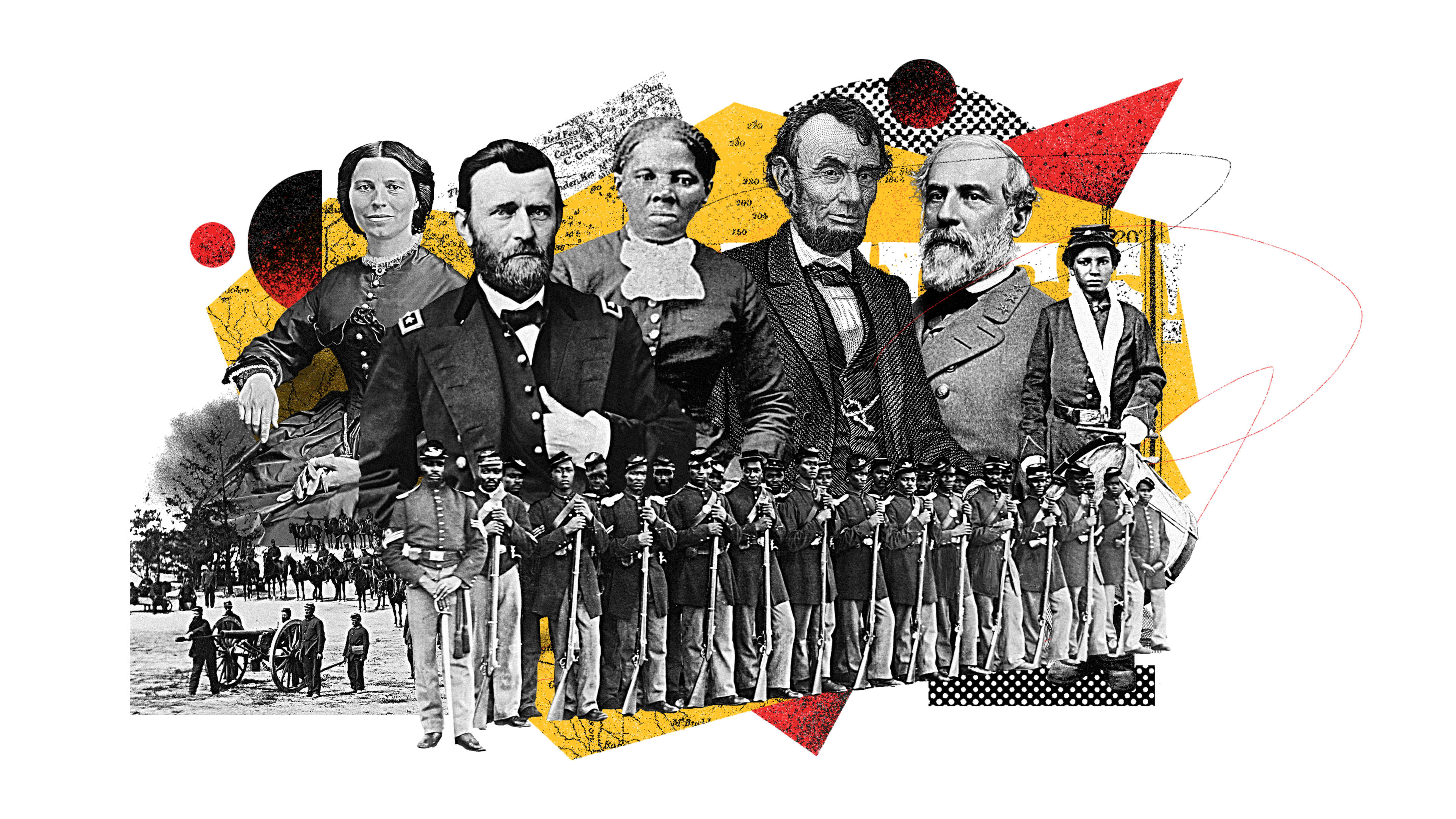
The motivations driving these men to enlist were diverse, but the underlying theme was a desperate search for identity, acceptance, and social mobility. In a highly racialized society, military service was seen as a powerful equalizer. Just like the courageous black heroes throughout US military history, Asian soldiers recognized that wearing the military uniform was a profound statement of citizenship and loyalty. By fighting for their adopted homeland, they hoped to prove that their commitment to the nation transcended physical appearance and ethnic origins.
This quest for liberty and belonging was not a new phenomenon; indeed, minority participation in American conflicts trace back to the American Revolution, where people of color and foreign-born volunteers fought side-by-side with colonists to forge a new nation. For Asian soldiers in the 1860s, the battlefields of Virginia and Pennsylvania were arenas where they could physically carve out their place in the American story, demonstrating that they were not merely passive observers but active participants in shaping the country’s destiny.
Major Turning Points and Military Valor
The tactical contributions of Asian servicemen were felt across multiple critical junctions of the Civil War. At the Battle of Gettysburg in July 1863, Joseph Pierce was stationed at the crucial center of the Union line during Pickett’s Charge, helping to repel the final, desperate Confederate assault. His actions during this turning point secured his promotion and cemented his legacy as a true “Yankee” soldier.
In the Union Navy, where recruitment of immigrants was far more common due to previous seafaring experience, Asian and Pacific Islander sailors served on blockading squadrons and ironclads. Approximately 230 Asian sailors served in the Navy, performing essential tasks and taking part in pivotal operations like the Battle of Mobile Bay. Their presence ensured that the Union’s naval blockade of Confederate ports remained airtight, demonstrating that their impact extended far beyond individual infantry regiments.
Long-Term Impact on America and the Structural Legacy
The post-war era brought both triumph and severe tribulation for these veteran soldiers. The structural legacy of their service is marked by a bitter historical irony. While the Union emerged victorious and the nation took steps toward civil rights with the Reconstruction Amendments, Asian veterans were largely excluded from these advancements. When the Chinese Exclusion Act was passed in 1882, it legally blocked Chinese immigrants from obtaining U.S. citizenship, regardless of their military record.
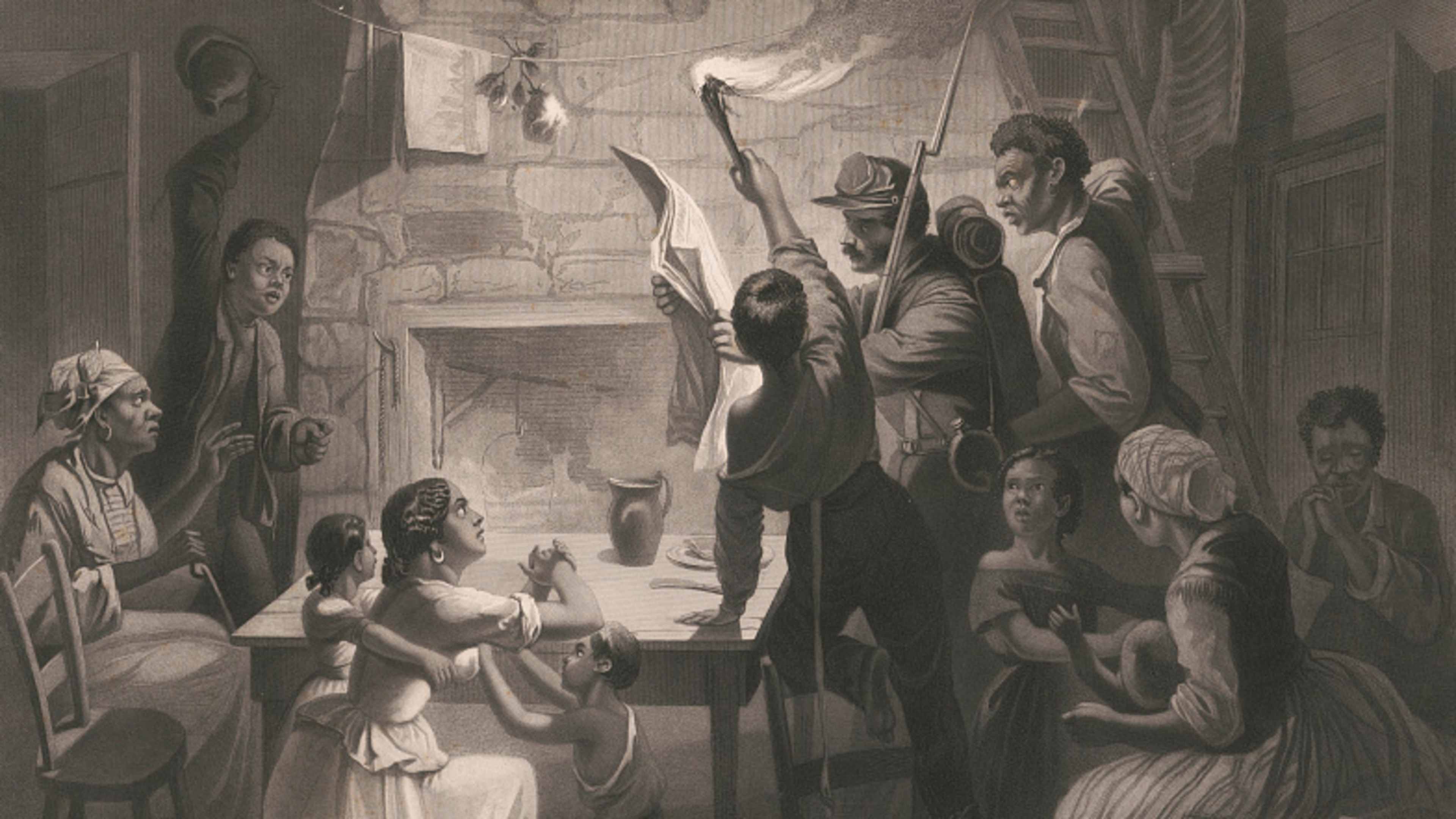
Furthermore, navigating the bureaucracy of post-war veteran benefits was immensely difficult. To qualify for a pension under the Pension Authorization Act, veterans had to provide detailed documentation and non-Asian witnesses. For immigrants with limited English proficiency, Anglicized military names, and sparse records, receiving their well-deserved benefits was an uphill battle. Despite these hardships, their resilience laid the groundwork for future generations of Asian Americans to assert their civil rights and claim their rightful place in American history.
Fascinating and Lesser-Known Facts
- The Census Exclamation Point: During the 1860 census, the census taker was so confused by Thomas Sylvanus’s Asian ethnicity—as the form only offered the choices of White, Black, or Mulatto—that he simply drew an exclamation point in the race column.
- The Siamese Connection: Confederate soldiers Christopher and Stephen Bunker were the sons of the legendary conjoined twins Chang and Eng Bunker, who had amassed wealth as touring performers before retiring to North Carolina.
- John Banks’ Sergeant Rank: While Joseph Pierce was the highest-ranking Chinese American in the regular Union Army, John Banks, a soldier of East Indian descent, achieved the rank of sergeant in the 30th Regiment Connecticut Colored Infantry.
Why It Still Matters Today: Overcoming the Binary Narrative
Today, the stories of Asian soldiers in the Civil War are vital for dismantling the oversimplified, black-and-white binary of American history. They remind us that America’s defining struggles have always featured a rich tapestry of global participants. In an era where discussions around immigrant loyalty and identity remain highly relevant, these 19th-century pioneers stand as powerful symbols of patriotism. They chose to fight for a country that did not yet afford them full rights, showing that American identity is defined not by ancestry, but by service, sacrifice, and shared values.
People Also Ask (FAQ)
Did Chinese soldiers fight in the American Civil War?
Yes, historians have documented dozens of soldiers of Chinese descent who served in the Civil War. While most fought for the Union Army and Navy, a few, such as the sons of the Bunker twins, served in Confederate units.
How many Asian and Pacific Islander soldiers served in the Civil War?
Recent research by historians and the National Park Service has identified approximately 330 Asian and Pacific Islander servicemen. However, because many adopted Anglicized names and military records rarely noted Asian heritage, the actual number is believed to be much higher.
What was the highest rank achieved by an Asian soldier in the Union Army?
Joseph Pierce achieved the rank of corporal in the 14th Connecticut Volunteer Infantry, making him the highest-ranking Chinese American soldier in the regular Union Army. Additionally, John Banks, who was of East Indian descent, achieved the rank of sergeant in a segregated United States Colored Troops unit.
Did Asian Civil War veterans receive citizenship?
While the Militia Act of 1862 allowed some veterans to apply for citizenship, many struggled to navigate the complex documentation requirements. The passage of the Chinese Exclusion Act of 1882 later banned Chinese immigration and barred existing Chinese residents, including veterans like Edward Day Cohota, from becoming naturalized citizens.


