At the onset of the American Revolutionary War, the Continental Congress faced an existential crisis on the high seas. While the legendary British Royal Navy boasted hundreds of heavily armed warships and ruled the global oceans with unquestioned authority, the nascent American colonies possessed no official navy to speak of. To challenge this superpower, the Founding Fathers turned to a bold, highly lucrative, and deeply controversial strategy: licensing an army of citizen sailors. This rogue navy, known as privateers, was composed of thousands of merchants, fishermen, and whalers who transformed their modest vessels into heavily armed warships. Operating under official government licenses, these daring maritime guerrillas devastated British trade routes, captured thousands of merchant ships, and fundamentally shifted the economic landscape of the conflict. By bringing the war directly to British shores, these entrepreneurial patriots proved that a motivated, decentralized force could disrupt an empire, carving out an indispensable chapter in the struggle for American independence.
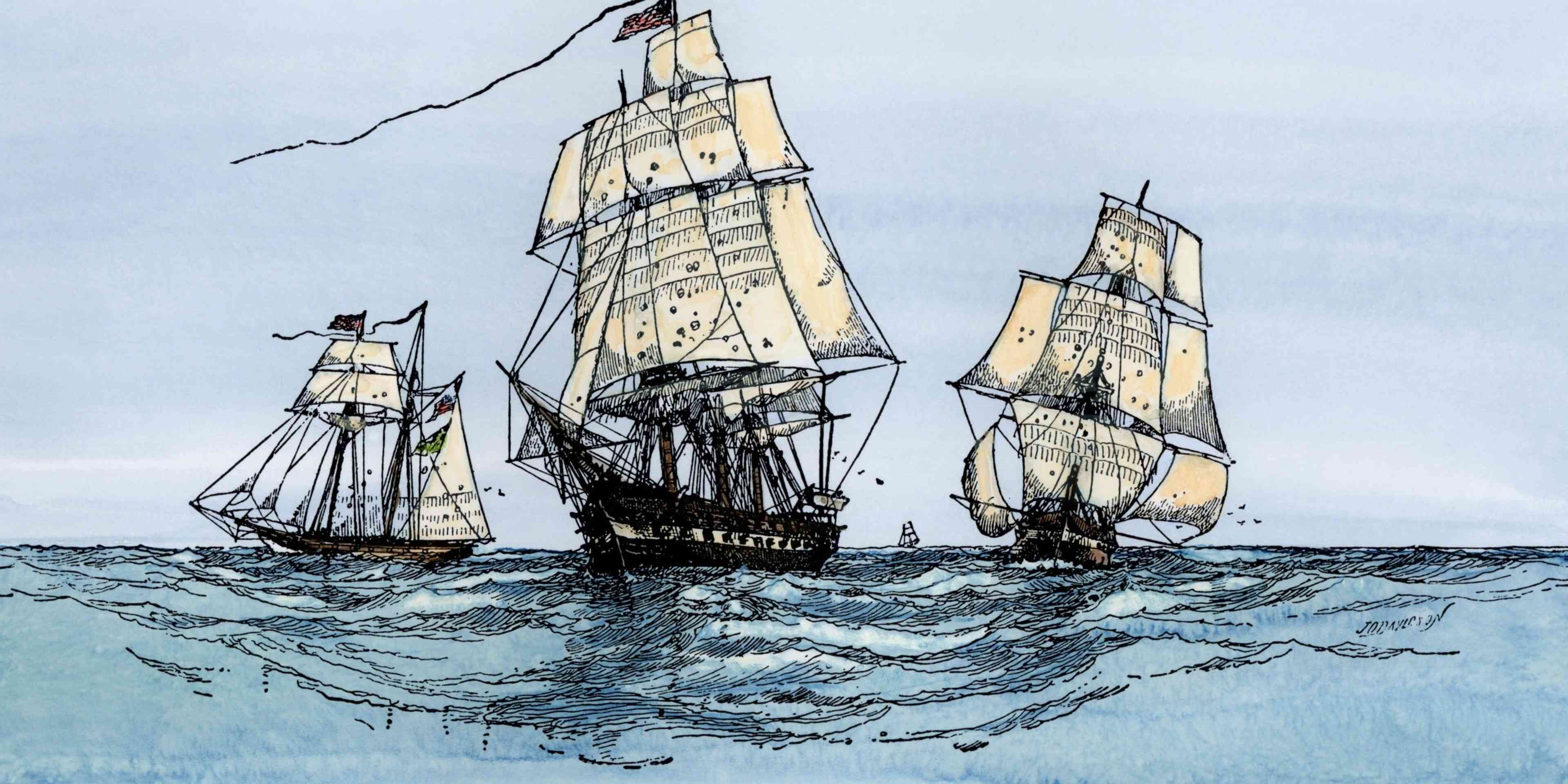
The Asymmetric Struggle and the Genesis of American Privateering
In 1775, as the flames of rebellion spread from Lexington and Concord, the geopolitical reality of sea power became glaringly obvious. The thirteen colonies were completely dependent on maritime trade, yet they possessed no military ships capable of standing toe-to-toe with the British fleet. Building a conventional navy from scratch was a financial and logistical impossibility for a cash-strapped Continental Congress. However, the colonies held a unique geographic and economic advantage. As Declaration of Independence signer Robert Morris famously observed, the British had vastly more commercial property to lose on the high seas than the Americans did. This asymmetry formed the strategic foundation of the American naval campaign.
Rather than attempting to match the Royal Navy ship-for-ship, the Continental Congress decided to wage a campaign of economic attrition. In March 1776, Congress officially authorized private citizens to fit out armed vessels to cruise against the enemies of the United Colonies. This strategy relied on the medieval tradition of the Letter of Marque and Reprisal. This official government commission legally authorized private vessel owners to attack, capture, and plunder enemy merchant shipping. It was a form of privatized, guerrilla-style warfare that allowed the colonies to deploy a massive maritime force without spending public funds.
The Timeline of Maritime Guerrilla Warfare
The timeline of American privateering shows a rapid escalation from localized defensive measures to a sophisticated global raiding network:
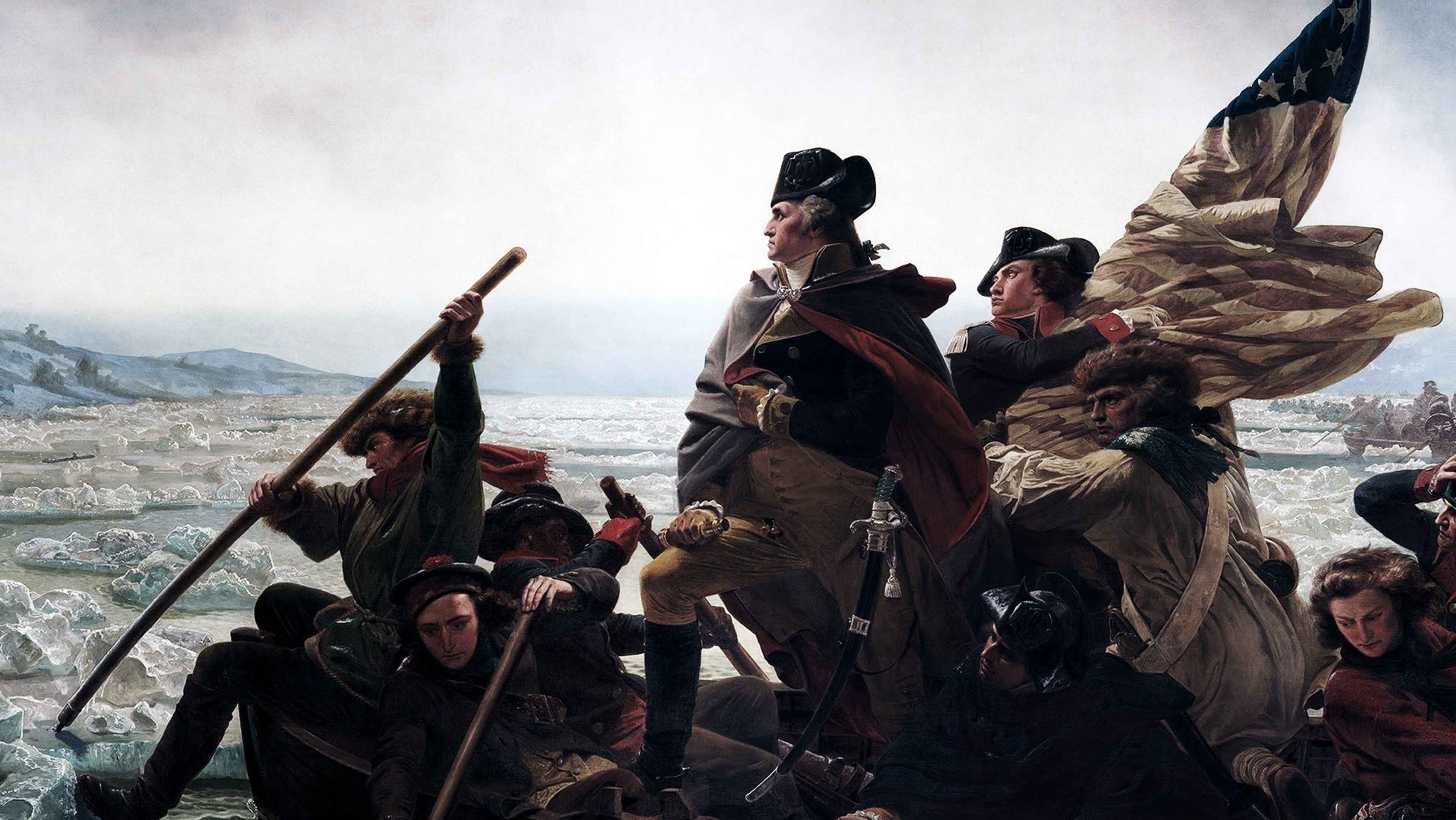
- 1775: General George Washington, during the Siege of Boston, leases a small fleet of private fishing vessels and mans them with army personnel to intercept British supply ships. This makeshift navy yields critical gunpowder and ammunition for the Continental Army.
- March 1776: The Continental Congress formally passes the Privateering Act, legalizing the practice of issuing Letters of Marque. Merchants and shipowners instantly begin converting their vessels into warships.
- Late 1776: Over 100 New England privateers are actively patrolling the Caribbean, intercepting British sugar and coffee shipments and sending them back to American ports.
- 1777: Infuriated by the economic losses, the British Parliament passes the Pirate Act of 1777. This law strips American privateers of prisoner-of-war status, classifying them as common pirates who can be held indefinitely without trial on notorious prison ships.
- 1778–1779: Backed by diplomatic maneuvers in Europe, American privateers begin operating directly in British home waters, including the English Channel and the Irish Sea, causing British shipping insurance rates to skyrocket.
- 1783: The Treaty of Paris is signed, officially ending the war. By this time, American privateers had captured more than 2,200 British merchant vessels.
Key Figures: Speculators, Diplomats, and Patriots
The success of the privateering campaign depended heavily on a diverse cast of characters, ranging from idealistic diplomats to profit-driven financial speculators. Among the most influential of these figures was Robert Morris, one of the premier founding fathers whose finances shaped the American Revolution. Morris viewed privateering through the lens of calculated risk, asserting that the profits from a single successful voyage could easily offset the losses of several others. He heavily invested in these ventures, helping to bankroll the ships that kept the revolutionary flame alive.
In the diplomatic arena, Benjamin Franklin masterfully utilized the privateer fleet to advance American interests. Operating from his post in Paris, Franklin issued Letters of Marque to French and Irish captains, encouraging them to raid British shipping in their home waters. This strategy was not just economic; it was a highly calculated diplomatic play. By allowing privateers to sell their plundered British cargo in French ports, Franklin successfully inflamed tensions between France and Great Britain. This diplomatic maneuvering was a vital component of how the French helped win the American Revolution, ultimately drawing France into the war as an official American ally.
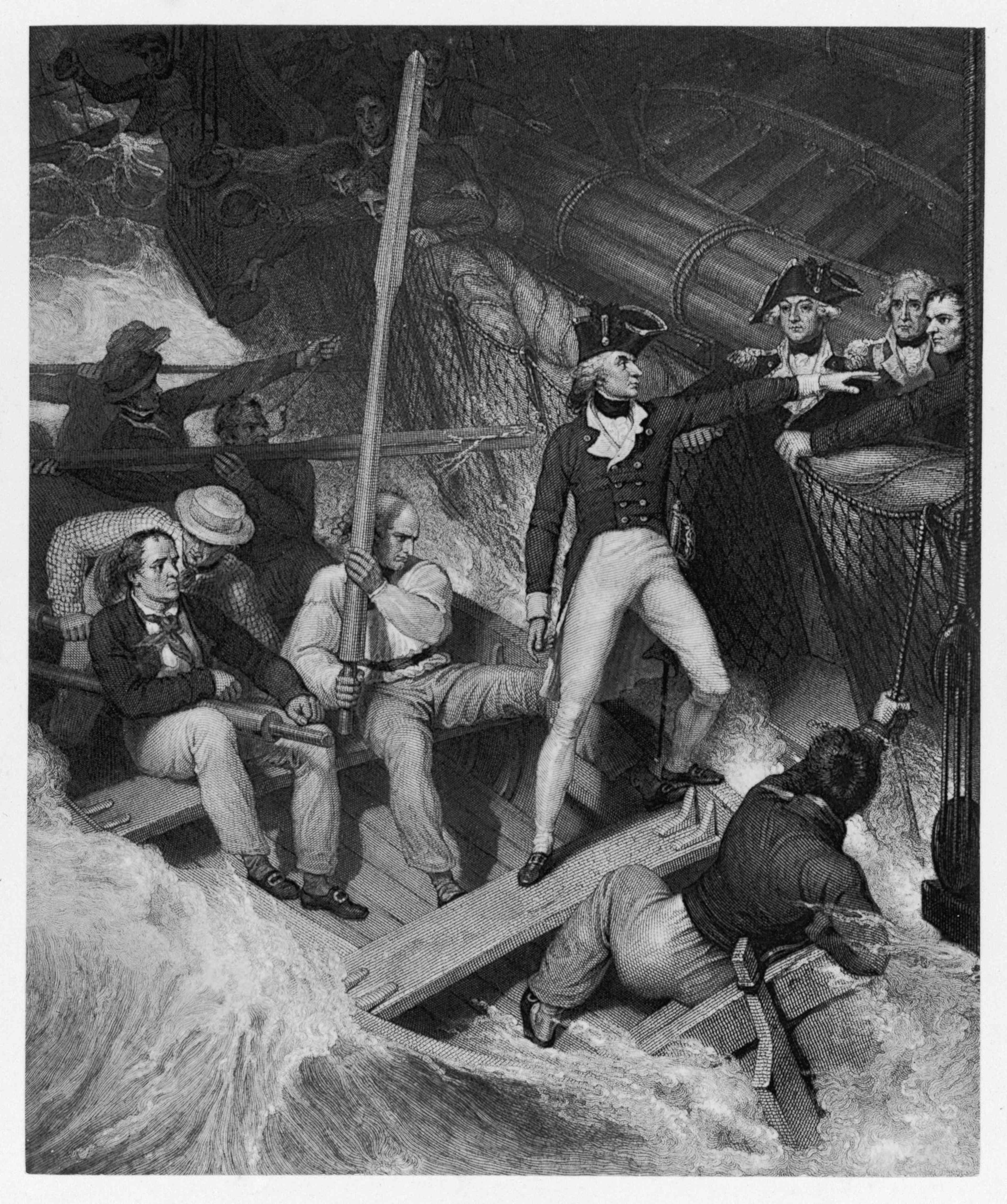
Another towering figure in this network was William Bingham, who served as an agent for the Continental Congress in the French-controlled Caribbean island of Martinique. Bingham coordinated privateering activities throughout the West Indies, transforming the region into a hotbed of maritime resistance. The Caribbean played a highly strategic role during this conflict, and understanding the massive role did the Caribbean play in the Revolutionary War highlights how colonial privateers successfully disrupted the economic heart of the British Empire by intercepting the highly lucrative sugar trade.
In contrast, official Navy commanders like John Paul Jones held a deeply complicated view of these citizen sailors. While Jones respected their tactical effectiveness, he frequently lamented that the high pay, shorter enlistments, and immense profit margins of privateering lured the finest sailors away from the official Continental Navy, leaving his own warships chronically short-staffed.
The Turning Point: Economic Ruin and British Public Backlash
As the war progressed, the focus of the privateer fleet shifted from coastal defense to deep-sea commerce raiding. By 1778, American privateers were routinely operating in the English Channel, catching the British public completely off guard. This escalation marked a massive psychological and economic turning point. For centuries, the British civilian population had felt entirely safe behind the protective shield of the Royal Navy. Now, merchant ships were being captured within sight of the English coastline.
The economic impact was immediate and devastating. Marine insurance rates in London soared to unprecedented levels, and the cost of basic imported goods skyrocketed. British merchants, facing financial ruin, began to turn against the war. The public backlash grew even stronger following the passage of the Pirate Act of 1777, as many British citizens grew uncomfortable with the government's brutal treatment of captured American sailors on horrific prison ships. This combination of economic pain and moral discomfort turned public opinion in England against the war effort, putting immense political pressure on Parliament to seek a peaceful resolution.
Lesser-Known Historical Facts about the Privateer Fleet
- Pre-printed Blank Commissions: To expedite the deployment of privateer ships, the Continental Congress printed and distributed pre-signed Letters of Marque with blank spaces. This allowed local officials to quickly fill in the names of captains, ship owners, and vessel specifications without waiting for individual approval from Philadelphia.
- The Decimation of New England Towns: While privateering could bring immense wealth, it also carried catastrophic risks. Towns like Gloucester, Massachusetts, were completely devastated. Over the course of the war, Gloucester lost all 24 of its registered privateer vessels, which effectively cut the town's adult male population in half and left behind a generation of widows and orphans.
- The Terror of the HMS Jersey: Captured American privateers who refused to swear allegiance to the British King were sent to notorious prison ships anchored in Wallabout Bay, New York. The most infamous of these was the HMS Jersey, a converted warship where disease, starvation, and extreme heat claimed the lives of an estimated 11,500 prisoners—more than died in all the land battles of the war combined.
The Long-Term Impact and Constitutional Legacy
The legacy of the Revolutionary War privateers extends far beyond the defeat of Great Britain. The immense wealth generated by successful privateering ventures helped lay the groundwork for America's post-war merchant capitalism, funding the rise of early American shipping dynasties and industrial enterprises. Furthermore, the experience taught the Founding Fathers that a decentralized, privately funded maritime force was a crucial component of national defense.
This realization was formally enshrined in the United States Constitution. Under Article I, Section 8, the Constitution explicitly grants Congress the power to “grant Letters of Marque and Reprisal.” While modern international law has largely outlawed privateering, this constitutional clause remains active, serving as a testament to the vital role that private citizens played in securing the nation's sovereignty.
People Also Ask
Were privateers considered pirates?
Technically, no. Privateers operated with official government commissions called Letters of Marque, which legally authorized them to attack enemy ships during wartime. However, to the British government and the crews of the captured merchant vessels, the distinction was meaningless, and captured privateers were frequently treated as pirates.
How many ships did American privateers capture during the Revolutionary War?
While the official Continental Navy captured around 200 enemy vessels, American privateers captured or destroyed an estimated 2,200 to 2,300 British merchant ships over the course of the war, causing severe damage to the British economy.
Why did John Paul Jones dislike privateers?
John Paul Jones and other Continental Navy commanders struggled constantly to recruit sailors because privateers offered much higher pay, a greater share of captured plunder, shorter enlistment periods, and far less dangerous combat conditions than the official navy.
Conclusion
The story of the American Revolution is often told through the lens of legendary land battles, yet the war was equally won on the high seas by an unconventional armada of citizen sailors. By leveraging the power of private enterprise, patriotic duty, and strategic economic warfare, these rogue privateers successfully challenged the world's greatest maritime empire. Their sacrifices, economic disruptions, and daring exploits not only secured critical supplies for the Continental Army but also shattered British public resolve, proving that the fight for American independence was truly a collective, nation-wide endeavor.


