The American Revolutionary War is often remembered for its historic clashes in the northern colonies—lexicons of liberty forged at Lexington, Concord, and Bunker Hill. However, in the damp, moss-draped swamps of southeastern North Carolina on February 27, 1776, a lesser-known but incredibly decisive clash took place: the Battle of Moores Creek Bridge. Often dubbed the “Lexington and Concord of the South,” this dramatic early skirmish pitted a determined force of American Patriots against a largely Scottish Highlander Loyalist contingent marching to support the British crown. Within a span of less than ten minutes, a brilliant and daring tactical trap laid by local militia shattered the Loyalist resistance, thoroughly dismantled royal authority in North Carolina, and altered the trajectory of the war in the southern colonies. The stunning victory sent shockwaves through the continent, offering a major morale boost to the Patriot cause and laying the groundwork for North Carolina to become the first colony to formally instruct its delegates to vote for independence. Understanding this battle is essential to grasping how local determination and clever geographic positioning shaped the birth of a nation.
The path to Moores Creek began not with massive armies, but with the fracturing of colonial society in early 1776. As one of the most politically volatile regions of the 13 colonies, North Carolina was bitterly divided between Patriots (or Whigs) who favored independence, and Loyalists (or Tories) who remained steadfastly loyal to King George III. The royal governor of North Carolina, Josiah Martin, had been forced to flee his palace in New Bern in mid-1775, taking refuge aboard a British warship, the HMS Cruizer, in the Cape Fear River. Refusing to concede defeat, Martin formulated a grand plan to restore royal authority. He proposed that the British crown send an armada of 53 ships carrying thousands of British regulars, led by General Henry Clinton and Lord Charles Cornwallis, to the North Carolina coast. To support this massive invasion, Martin promised that he could raise an army of 10,000 local Loyalists from the interior. These Loyalists, primarily composed of newly arrived Scottish Highlander immigrants and former Regulators, were instructed to march to the coast at Wilmington to rendezvous with the arriving British fleet. This strategic backdrop illustrates how the South helped win the American Revolution by organizing early regional defense networks that repeatedly disrupted British coordination.
The Campaign and the Strategic Chess Match
In early January 1776, Josiah Martin received approval from London to proceed with his plan. He issued a proclamation rallying the king’s loyal subjects and ordered the Royal Standard to be raised. By mid-February, approximately 1,600 Loyalists had assembled at Cross Creek (modern-day Fayetteville), under the command of Brigadier General Donald MacDonald, a veteran of the Battle of Bunker Hill. Knowing that the British fleet was en route, MacDonald’s forces began their march toward the coast on February 18, 1776.
However, the Patriots’ intelligence network was highly effective. When word of the Loyalist mobilization spread, local Patriot forces immediately sprang into action. Colonel James Moore, commander of the Continental Army forces in southeastern North Carolina, masterminded a strategy to block MacDonald’s advance. Moore occupied a strategic position at Rockfish Creek, preventing the Loyalists from taking the most direct route to Wilmington. Blocked by Moore, General MacDonald was forced to alter his path. He crossed the Cape Fear River, hoping to slip past another Patriot force coming from New Bern, commanded by Colonel Richard Caswell. For several days, a tense game of military chess ensued as the Loyalists sought an open route to the coast while the Patriots raced to cut them off.
The Trap is Sprung: The Battle of Moores Creek Bridge
As the Loyalists marched east, Colonel Caswell anticipated their route and positioned his force at Moores Creek Bridge, a vital crossing about 18 miles north of Wilmington. There, Caswell joined forces with Colonel Alexander Lillington, who had arrived with 200 minutemen from the Wilmington District. Together, the Patriot force grew to roughly 1,000 men. The natural terrain of Moores Creek was highly advantageous. The creek itself was deep, dark, and swampy, surrounded by dense woods, making the bridge the only viable point of transit.
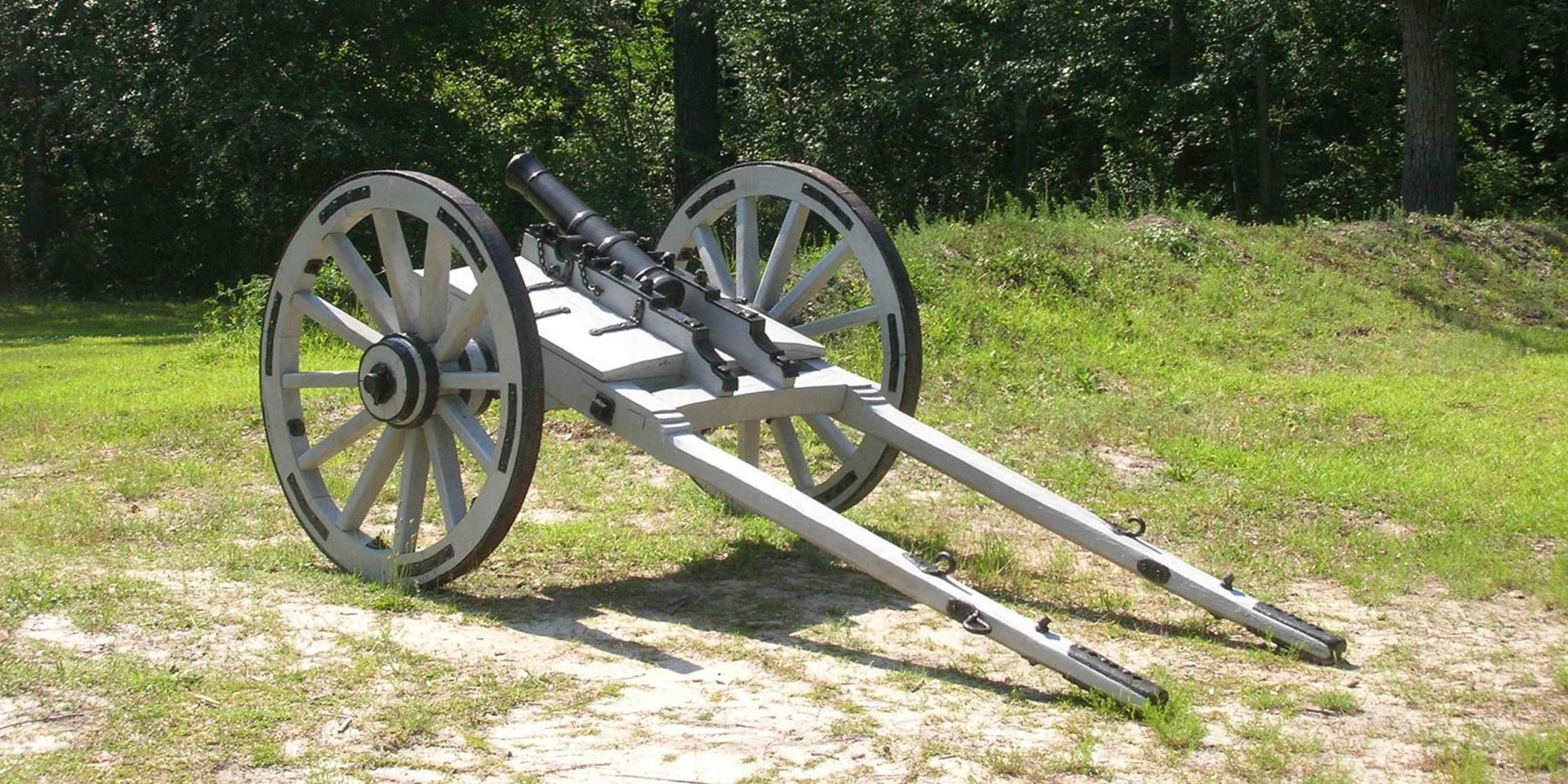
On the evening of February 26, the Patriots devised a stroke of tactical genius. Caswell initially established a camp on the west side of the creek, directly in the path of the advancing Loyalists. However, under the cover of darkness, Caswell ordered his men to abandon this camp, leaving their campfires burning as a decoy. The Patriots crossed to the east bank and set up strong earthworks on a high ridge overlooking the bridge, positioning two small cannons—affectionately nicknamed “Mother Covington” and her “daughter”—to sweep the narrow crossing. Most importantly, the Patriots dismantled the bridge. They removed the wooden planks of the deck, leaving only the two narrow log support beams. To make the crossing even more treacherous, they coated the remaining logs with animal fat (tallow) and pine tar, turning the bridge into a slick, slippery obstacle.
At 1:00 AM on February 27, 1776, the Loyalist army began its final march. General MacDonald had fallen ill, leaving Colonel Donald McLeod in active command. When Loyalist scouts discovered the abandoned Patriot camp on the west bank, they assumed the Patriots had fled in panic. Believing they were pursuing a retreating enemy, the Loyalists advanced toward the bridge at dawn. The morning air was filled with the shrill sound of bagpipes and drums as a vanguard of roughly 75 Scottish Highlanders, armed with heavy broadswords and muskets, prepared to lead the charge.
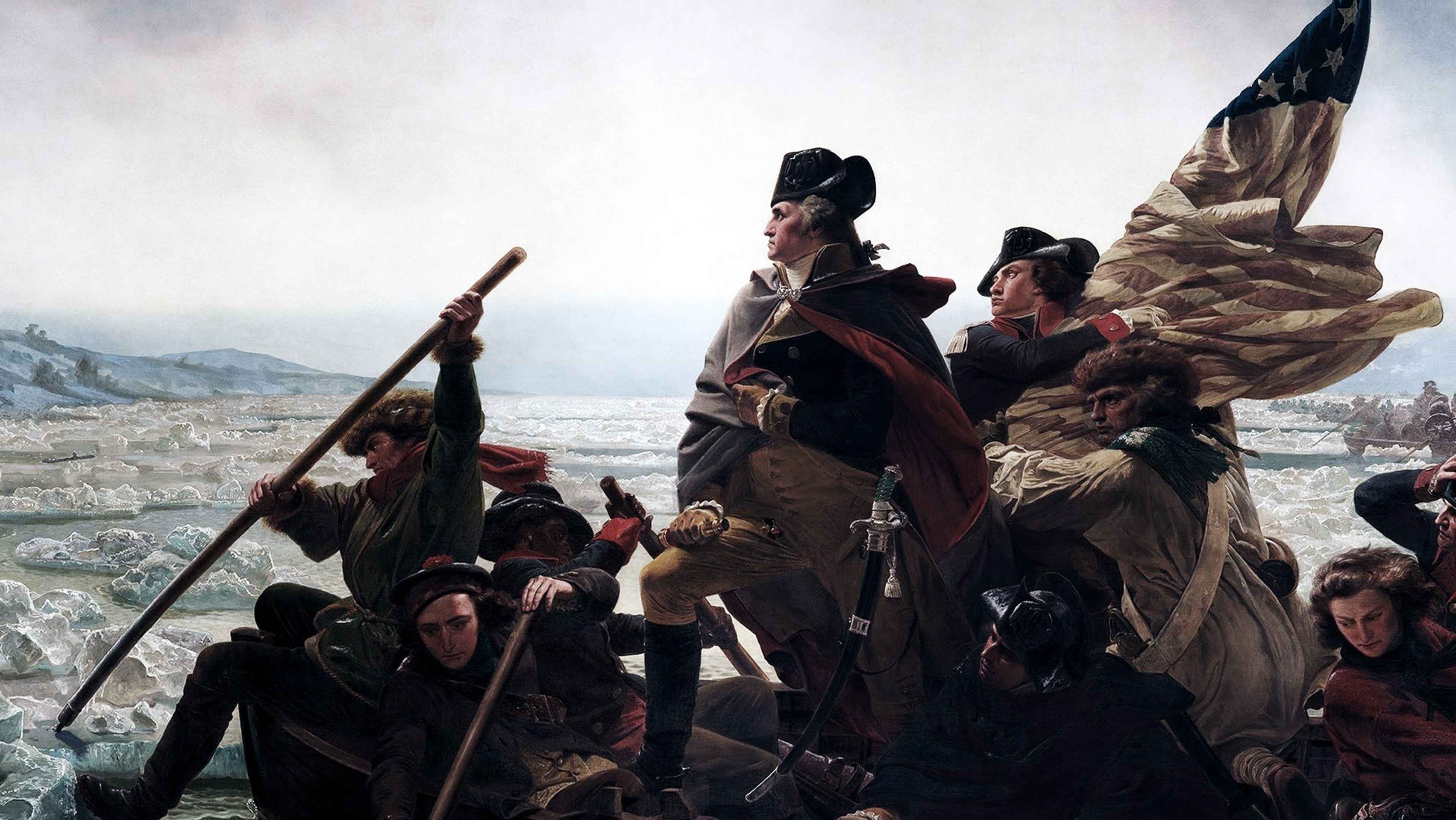
As the Highlanders reached the bridge, they realized the planks had been removed. Undeterred, McLeod and his second-in-command, Captain John Campbell, began to guide their men across the greased, slippery logs. Shouting their battle cry, “King George and Broadswords!” they struggled across the slick beams. Once the Highlanders reached the middle of the bridge, the trap was sprung. The Patriot forces behind the earthworks opened fire with a devastating barrage of musket and cannon fire. The effect was immediate and catastrophic. McLeod was shot dozens of times and died on the spot, while Campbell was also killed. The Loyalists sliding across the logs were cut down instantly, falling into the dark waters of the creek. Within less than ten minutes, the battle was over. The surviving Loyalists fled in disarray, pursued by the Patriots. The Patriots suffered only two casualties (one of whom, John Grady, later died), while the Loyalists suffered an estimated 30 to 50 killed or wounded, and 850 captured over the following days, including the ailing General MacDonald.
The Prominent Figures of Moores Creek
Several individuals played critical roles in this dramatic event:
- Colonel Richard Caswell (1729-1789): A skilled leader and politician, Caswell’s tactical positioning and decision to utilize the greased bridge strategy secured the Patriot victory. He would later serve as North Carolina’s first and fifth governor.
- Colonel Alexander Lillington (1725-1786): Leading the Wilmington minutemen, Lillington played a crucial role in establishing the defensive earthworks on the east bank of the creek.
- Colonel Donald McLeod (d. 1776): The brave but reckless Loyalist commander who led the ill-fated charge across the greased logs, dying at the scene.
- Brigadier General Donald MacDonald (1712-1780): The overall Loyalist commander who was captured shortly after the battle.
- Governor Josiah Martin (1737-1786): The last royal governor, whose dreams of a grand loyalist uprising and restoration of crown rule evaporated in the swamp waters of Moores Creek.
The Long-Term Impact on America and the Road to Independence
The Battle of Moores Creek Bridge had profound consequences for North Carolina and the entire American Revolutionary War. First and foremost, it completely shattered the British plan for a southern invasion in 1776. When Clinton and Cornwallis finally arrived at the Cape Fear coast with their grand armada, they found no Loyalist army waiting to greet them. Realizing that the Loyalist movement in North Carolina had been utterly crushed, the British forces had no choice but to withdraw, delaying major military campaigns in the South for more than two years. This breathing room allowed the southern colonies to fortify their defenses and solidify their local revolutionary governments.
Politically, the victory catalyzed a major shift toward total separation from Great Britain. The crushing defeat of the Loyalists ended any realistic hope of restoring royal authority in North Carolina. On April 12, 1776, the North Carolina Provincial Congress met in Halifax and adopted the famous Halifax Resolves. This historic document formally authorized North Carolina’s delegates to the Continental Congress to vote in favor of independence. The state was the very first to take this bold step, prompting a long-standing historical debate: did North Carolina issue the first declaration of independence? Regardless of the answer, the momentum generated at Moores Creek Bridge undeniably accelerated the continental push toward the national Declaration of Independence on July 4, 1776.
Lesser-Known Facts and Historical Anecdotes
The Legend of Flora MacDonald: One of the most fascinating figures associated with the Loyalist mobilization was Flora MacDonald, a famous Scottish heroine who had previously helped Bonnie Prince Charlie escape after the Jacobite Rising of 1745. Having immigrated to North Carolina, Flora remained loyal to the British Crown and actively rallied her fellow Highlanders to join General MacDonald’s army, allegedly riding on horseback among the troops to inspire them before they marched.
Swords vs. Cannons: The Loyalist vanguard charged the bridge armed primarily with traditional Scottish broadswords, believing they were chasing a fleeing militia. This tactical miscalculation meant they were essentially bringing swords to a gunfight, facing modern dual-cannon artillery and disciplined musket fire from fortified earthworks.
Why Moores Creek Still Matters Today
Today, the site is preserved as the Moores Creek National Battlefield in Currie, North Carolina. It serves as a powerful reminder of how ordinary citizens, acting as local militia, could defeat a professional and coordinated military plan. The battle demonstrates that the American Revolution was not just a war fought between formal armies, but a civil war fought between neighbors with deeply opposing visions for their future. The legacy of Moores Creek Bridge is a testament to the power of tactical ingenuity, geographic advantage, and the unyielding desire for self-determination.
People Also Ask
Why is Moores Creek called the “Lexington and Concord of the South”?
It is called the “Lexington and Concord of the South” because, much like the famous Massachusetts battles, Moores Creek was an early, decisive military clash that demonstrated the local militia’s ability to defeat British-aligned forces, effectively ending British administration in the colony and galvanizing the push for independence.
What was the “greased log” strategy?
The “greased log” strategy involved the Patriots removing the floorboards of the Moores Creek Bridge and coating the remaining support beams with lard and pine tar. This created an incredibly slippery barrier, forcing the charging Loyalists to lose their balance and making them easy targets for Patriot musket and cannon fire.
How did this battle prevent a British invasion?
The battle crushed the Loyalist army of 1,600 men that was marching to support an arriving British invasion fleet led by Henry Clinton and Lord Cornwallis. Without this local support, the British command realized they could not successfully hold the colony, forcing them to abandon their southern campaign in 1776.
Conclusion
The Battle of Moores Creek Bridge remains a shining jewel of early American military and political triumph. By turning a simple creek crossing into a tactical masterpiece, a thousand Patriot militiamen secured a victory that echoed all the way to Philadelphia. It was a triumph of intelligence, execution, and sheer bravery—one that permanently severed North Carolina’s ties to the British crown and set the stage for a new nation to emerge.


