When we picture the American Civil War, our minds naturally drift to the blood-soaked fields of Gettysburg, the smoking ruins of Atlanta, or the tense siege lines of Petersburg. Yet, thousands of miles away from the primary theaters of conflict, a quiet but incredibly powerful force was shaping the destiny of the United States. California, admitted to the Union just over a decade prior, stood as an isolated bastion of potential on the Pacific Coast. At the dawn of the war in 1861, no transcontinental railroad or telegraph yet bridged the vast expanse between the Golden State and the East, leaving the region physically disconnected from the federal government. Despite this geographical isolation, California’s contribution to the Union victory was both outsized and multi-dimensional, proving to be the financial bedrock of the Northern war machine and a critical source of battle-hardened troops. However, this fascinating chapter of American history is also marred by deep internal divisions and state-sanctioned violence against indigenous populations, making California’s Civil War legacy a complex narrative of triumph and tragedy.
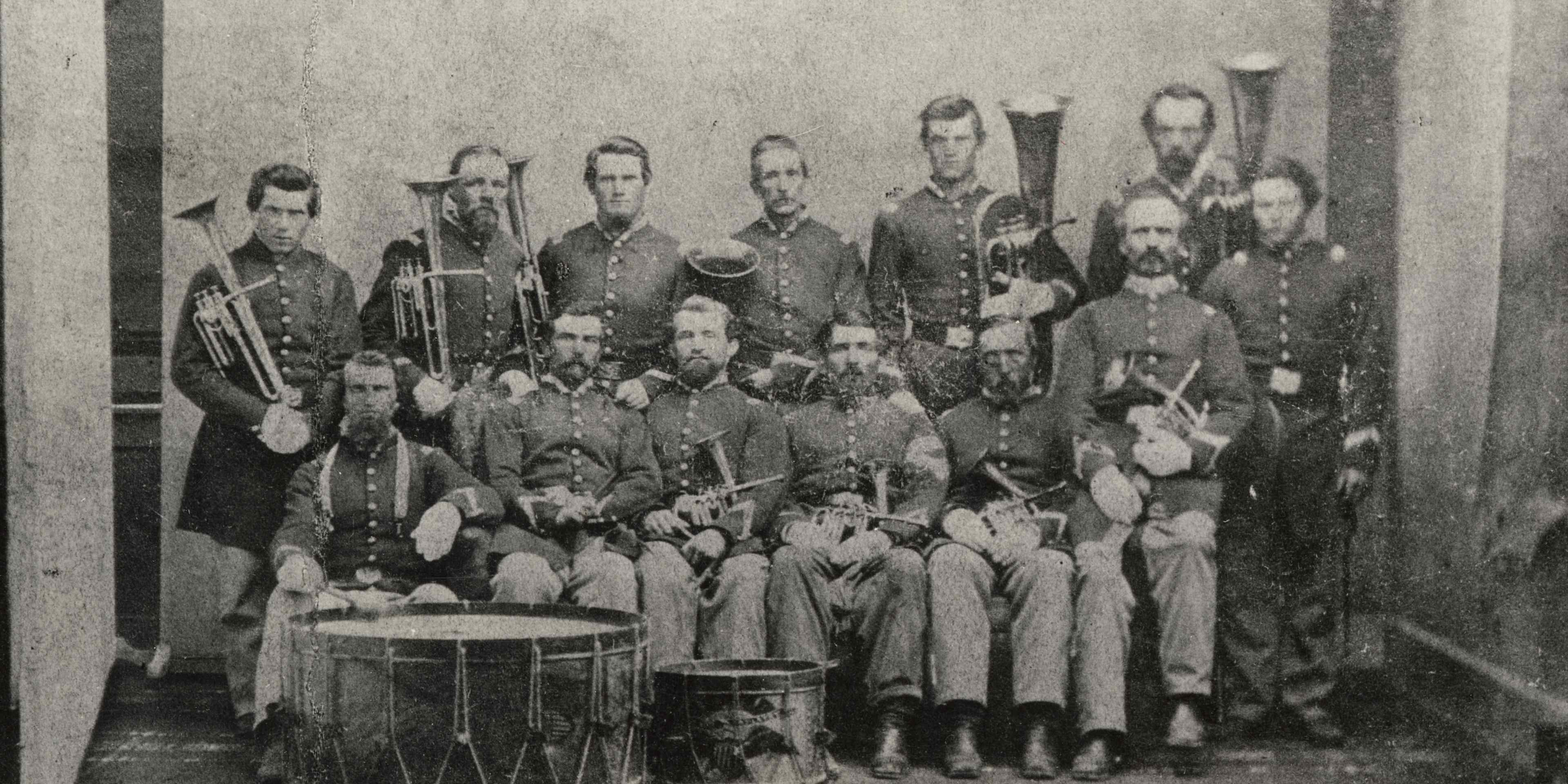
Historical Background: A House Divided on the Pacific
To understand California’s position in 1861, one must look back to the Compromise of 1850, which admitted the territory as a free state. Despite this official status, the reality on the ground was far more complicated. Many white settlers who migrated during the Gold Rush brought their prejudices with them, leading to the illegal enslavement of Black Americans and the establishment of an oppressive system of indentured labor targeting Native Americans.
The political landscape was heavily influenced by pro-slavery Democrats known as the “Chivalry” or “Chivs.” Led by figures like Senator William M. Gwin—a wealthy Mississippian who owned hundreds of enslaved people in the South—this faction wielded immense power. In 1859, the pro-slavery dominated state legislature actually passed a bill to partition California in two, aiming to open the southern half of the state to slavery. Though the U.S. Congress ultimately ignored the proposal, it underscored the precarious nature of Union loyalty in the West. That same year, the political tension erupted into violence when the pro-slavery Chief Justice of the California Supreme Court, David S. Terry, killed the anti-slavery U.S. Senator David C. Broderick in a notorious duel, illustrating how deeply the national crisis had penetrated the West Coast.
Timeline of Key Events in California’s Civil War History
- September 1859: The fatal duel between Chief Justice David S. Terry and Senator David C. Broderick shocks the state, polarizing local politics just before the national election.
- November 1860: Abraham Lincoln wins California’s electoral votes with a narrow 32 percent plurality, revealing the deep political fragmentation of the electorate.
- Summer 1861: Following the attack on Fort Sumter, the federal government calls for troops. California responds immediately, raising two cavalry and five infantry regiments.
- Spring 1862: The “California Column,” consisting of thousands of volunteers under Colonel James Henry Carleton, begins its historic 900-mile march eastward from Fort Yuma.
- September 1863: The tragic Konkow Maidu Trail of Tears takes place, a dark episode of forced relocation resulting in the deaths of scores of Native Americans.
- November 1864: Reflecting a massive shift in public sentiment, Abraham Lincoln wins reelection in California with a commanding 59 percent of the vote.
Key Figures of the Far West Conflict
Several prominent individuals left an indelible mark on California’s wartime trajectory:
- Thomas Starr King: A dynamic Unitarian minister who moved from Boston to San Francisco, King became a powerful orator for the Union. His passionate speeches galvanized the public, helped keep California loyal, and raised unprecedented funds for the war effort.
- General James Henry Carleton: The disciplined and aggressive commander of the California Column. While Carleton successfully secured the Southwest for the Union, his methods against Native American tribes were exceptionally brutal, leaving a controversial legacy.
- Senator William M. Gwin: A leader of the pro-slavery “Chiv” faction, Gwin actively sought to align California’s interests with the South. His influence represented the internal threat of secession that Unionists constantly feared.
The Golden ATM: California’s Financial Lifeline
While California sent thousands of men to fight, its most significant contribution to the Union was economic. During the Civil War, the Northern banking system relied heavily on the continuous flow of gold bullion from California’s mines. This vast wealth reassured domestic and international creditors that the United States government would not go bankrupt, enabling the Union to secure vital loans to fund the war.
This massive economic stabilization perfectly aligned with the broader debate over whose vision of America won out, proving that Alexander Hamilton’s model of a strong, centralized financial state supported by diverse resources was crucial to preserving the Union.
Beyond the state’s gold reserves, individual citizens demonstrated extraordinary generosity. Under the encouragement of figures like Thomas Starr King, Californians raised over $1.2 million for the U.S. Sanitary Commission. This organization, a precursor to the modern Red Cross, provided essential medical supplies, food, and clothing to wounded soldiers. This staggering sum—far surpassing the contributions of much more populous Eastern states—earned California the nickname of the “Union’s ATM.”
Military Engagements and the Western Frontier Campaign
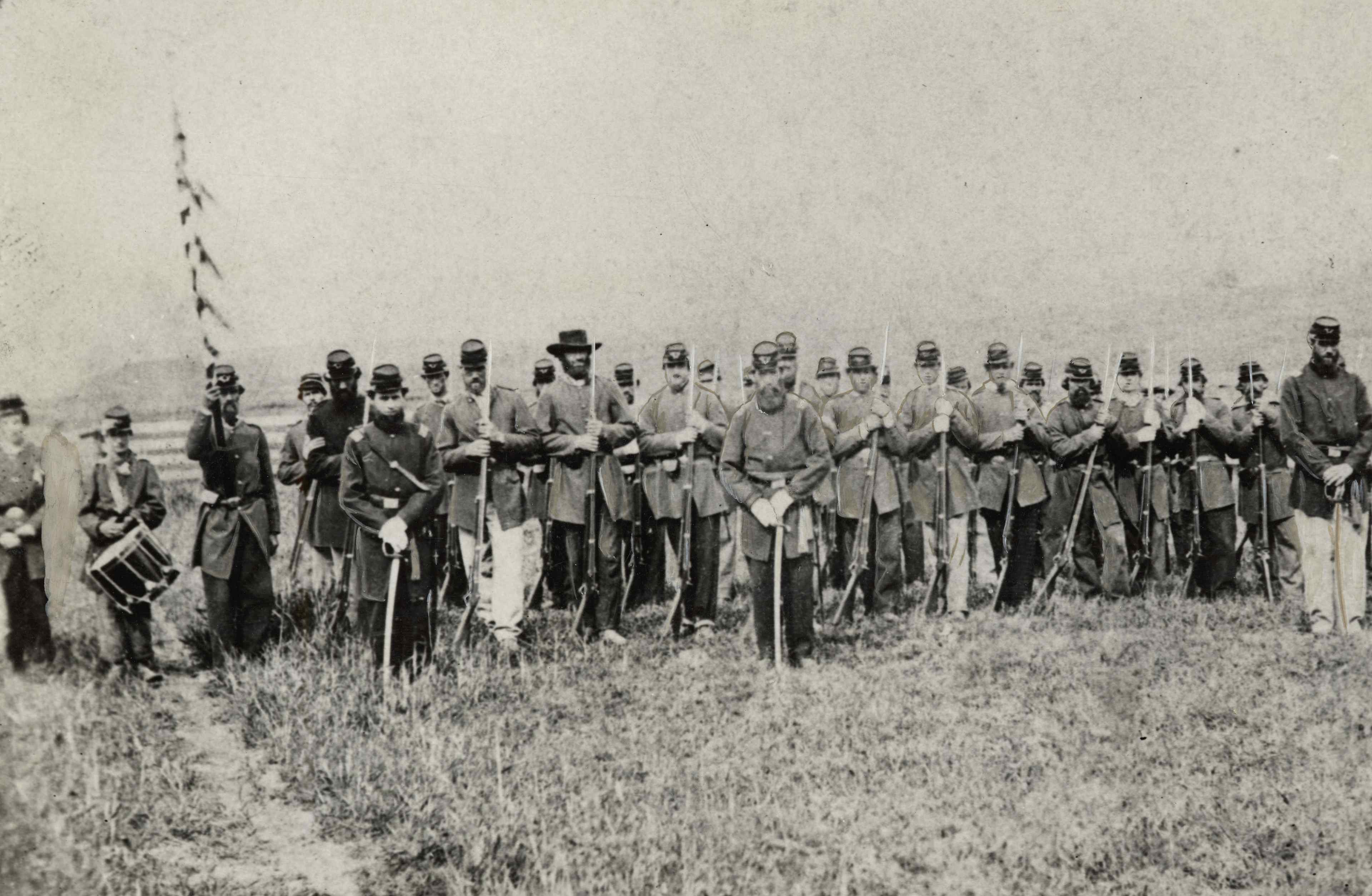
The military service of California volunteers was diverse and demanding. While most troops did not engage in the massive battles of the East, they performed vital duties across the vast Western frontier. They secured overland mail routes, built defensive fortifications, guarded supply lines, and suppressed secessionist activities in southern California hotspots like Los Angeles, where flying the Union flag was once met with hostility.
The most notable campaign was the march of the California Column in 1862. This force marched 900 miles across the grueling Southwestern deserts to repel a Confederate invasion of the New Mexico Territory. Although they rarely engaged Confederate forces in direct combat, they successfully pushed the rebels out of the region and went on to establish the Arizona Territory.
However, the vacuum left by federal regular soldiers who went East meant that California volunteers frequently clashed with local Native American tribes. The resulting campaigns were marked by extreme brutality. Historians point to this period as part of a broader, systemic campaign of violence against indigenous peoples, sometimes referred to as the California Genocide. Thousands of Native Americans were killed, forced into labor, or subjected to devastating relocations like the Konkow Maidu Trail of Tears. This tragic legacy stands in stark contrast to the noble struggles of Black heroes throughout US military history and other groups who fought bravely for human dignity and freedom during the nation’s defining conflicts.
Meanwhile, a group of approximately 500 volunteers known as the “California Battalion” traveled East by sea, crossing the Isthmus of Panama to join the Second Massachusetts Cavalry. These men faced heavy combat, defending Washington, D.C., fighting against the elusive guerilla forces of Confederate Colonel John S. Mosby, and participating in the final campaigns around Petersburg, earning a reputation as exceptionally tough and capable warriors.
Turning Points and Long-Term Impact
The Civil War fundamentally reshaped California’s political, social, and economic landscape.
The Secessionist Threat Defeated
The successful deployment of Union volunteers and the suppression of the pro-slavery “Chivs” prevented California from fracturing or descending into civil war. This political stabilization turned a highly divided electorate in 1860 into a unified Republican stronghold by 1864, demonstrating a remarkable shift in public sentiment. The suppression of dissent on the West Coast fits into the larger, complex history of anti-war sentiments and domestic divisions that have characterized American military history.
Economic and Infrastructural Integration
The urgent need to connect the goldfields of California to the Union war effort accelerated national infrastructure projects. The Pacific Railway Act of 1862 and the rapid expansion of the telegraph network were direct results of this wartime necessity, ultimately laying the groundwork for the post-war transcontinental railroad that would forever end California’s geographic isolation.

The Tragic Toll on Indigenous Nations
While the war preserved the Union, it brought disaster to California’s Native Americans. The departure of federal regulars left local militias and volunteers with unchecked authority, leading to state-sponsored campaigns of extermination and displacement that devastated indigenous populations and permanently altered the cultural landscape of the state.
Lesser-Known Historical Facts
Here are three fascinating and lesser-known anecdotes from California’s Civil War history:
- Physical Giants of the West: When California volunteers were processed by military quartermasters, they were found to be physically larger than their Eastern counterparts. On average, the Californians were taller, with larger head and foot sizes, a testament to their active, outdoor lifestyles as miners, ranchers, and pioneers.
- Fort Alcatraz as a Civil War Prison: Long before it became the infamous federal penitentiary, Alcatraz Island served as a vital Union fortress. During the Civil War, its cold, secure cells were used to imprison Confederate sympathizers and privateers caught plotting in San Francisco Bay.
- The Brutal Fate of Mangas Coloradas: During the California Column’s campaign in the Southwest, Apache leader Mangas Coloradas was lured into a camp under a white flag of truce. He was subsequently tortured, executed, and his remains desecrated by soldiers—a grim reminder of the extreme violence that characterized the frontier war.
Why It Still Matters Today
The story of California’s involvement in the Civil War is not merely a footnote; it is a vital lens through which we view the modern United States. The concept of California as an economic powerhouse—the “California ATM”—remains true today, as the state continues to possess one of the largest economies in the world. Furthermore, the dark history of the California Genocide during this era serves as a critical point of discussion in ongoing movements for historical reconciliation, tribal sovereignty, and the recognition of indigenous rights. By studying this complex history, we gain a deeper, more honest understanding of the forces that built the American republic.
People Also Ask (FAQ)
Was any Civil War battle fought in California?
No major battles of the American Civil War were fought on California soil. However, California troops traveled long distances to participate in campaigns in the Southwest, particularly in New Mexico and Arizona, and some fought in the major eastern campaigns as part of the California Battalion.
How did California’s gold affect the outcome of the Civil War?
California’s gold was vital to the Union victory. It did not directly fund the government’s daily operations, but rather flowed into Northern banks, securing the nation’s credit and giving international lenders the confidence to buy Union war bonds without fear of bankruptcy.
What was the California Genocide?
The California Genocide refers to the systematic destruction, displacement, and mass killing of Native Americans in California by state militias, federal troops, and white vigilantes, which intensified during the mid-19th century and the Civil War era, resulting in the loss of thousands of indigenous lives.
Conclusion
In conclusion, California’s role in the American Civil War was far more than that of a distant observer. Through its immense mineral wealth, dedicated volunteers, and unprecedented charitable contributions, the Golden State provided the vital resources that kept the Union intact during its darkest hours. Yet, this legacy of devotion to the nation is inextricably linked with a history of internal political struggle and devastating violence against its original inhabitants. Recognizing both sides of California’s wartime experience allows us to fully appreciate the complex, painful, and ultimately transformative history of the American West.


