The United States Military Academy at West Point has long been regarded as the ultimate testing ground for American military leaders, yet its most famous graduate, General Ulysses S. Grant, never actually wanted to attend. When the quiet Ohio native arrived on the banks of the Hudson River in 1839, he was an uninspired student who secretly hoped Congress would abolish the academy so he could return home without dishonor. Yet, the four years he spent at West Point did far more than provide him with a textbook education; they forged the psychological, tactical, and interpersonal foundations that would later save the Union. By examining how Ulysses S. Grant’s West Point years shaped his character, enhanced his unique visual memory, and brought him face-to-face with his future Civil War comrades and adversaries, we gain a profound understanding of how a reluctant cadet became America’s most relentless commander.
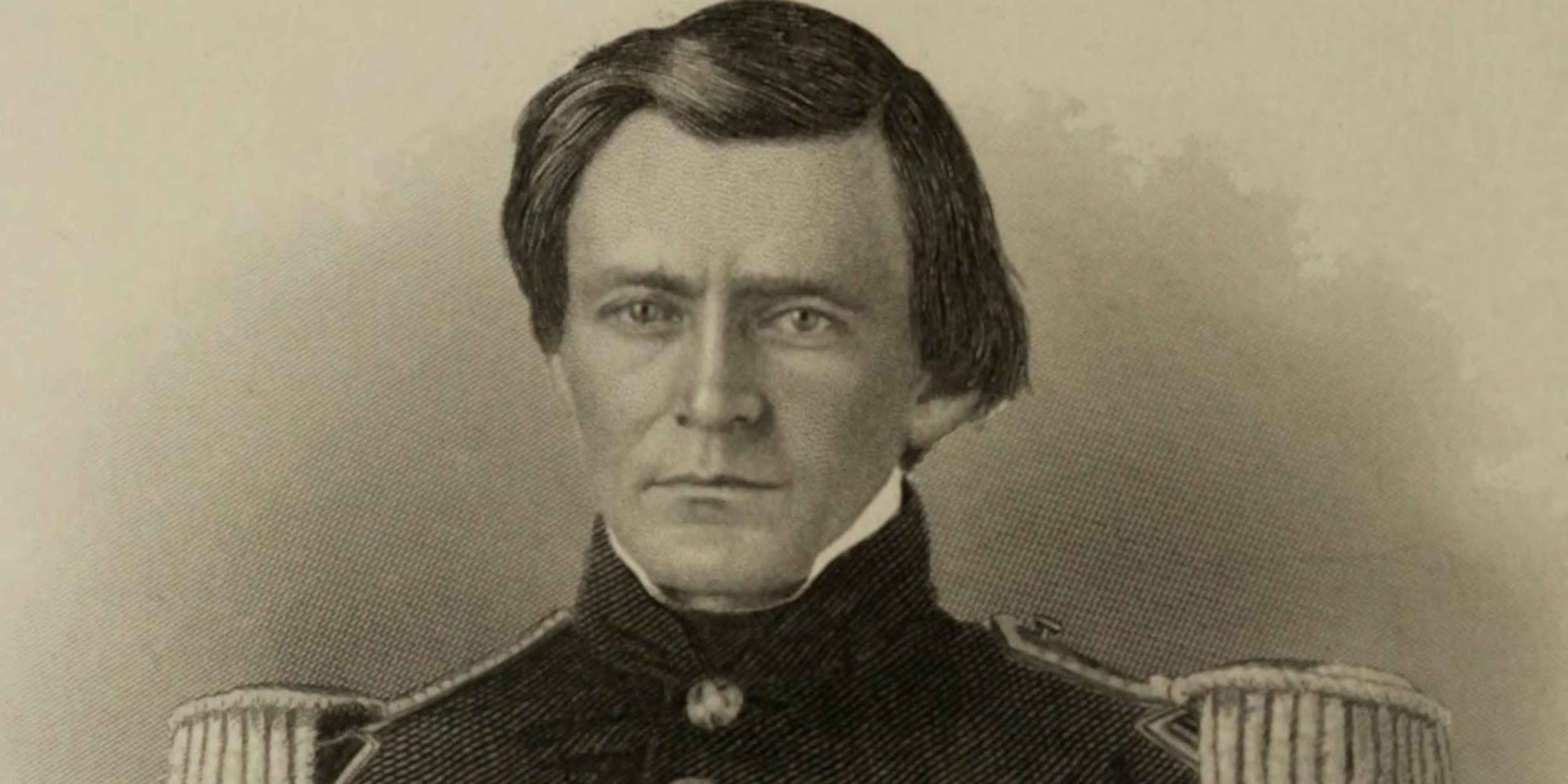
Historical Background: The Reluctant Cadet of 1839
Ulysses S. Grant was born Hiram Ulysses Grant in Point Pleasant, Ohio, in 1822. The son of Jesse Root Grant, a self-made tanner, young Ulysses despised the tannery business and showed an extraordinary affinity for horses instead. His father, seeking a free, prestigious education for his son, secured an appointment to West Point through Congressman Thomas L. Hamer. Due to a clerical error by Hamer, who mistakenly registered him as "Ulysses S. Grant" (assuming his middle name was Simpson, his mother’s maiden name), the young man entered the academy under a new moniker. Grant did not challenge the mistake, fearing he would be rejected. Entering the academy during a period of intense political debate over the institution’s aristocratic nature, Grant found himself in an environment characterized by rigid discipline, exhausting drills, and an overwhelming focus on engineering and mathematics. Despite his initial misery, this environment began to chip away at his rustic exterior, instilling a quiet, resilient fortitude.
Chronological Timeline: Grant’s Journey From Academy to Appomattox
To understand how Grant’s early military education prepared him for his monumental role in the Civil War, it is essential to trace the key milestones of his journey:
- 1839: Grant enters the United States Military Academy at West Point as a seventeen-year-old cadet.
- 1842: Grant shares classes and barracks with future legends and adversaries, establishing personal relationships that would prove decisive twenty years later.
- 1843: He graduates 21st out of 39 cadets, demonstrating mediocre academic interest but legendary skill in horsemanship.
- 1846–1848: Grant serves with distinction in the Mexican-American War under Generals Zachary Taylor and Winfield Scott, gaining firsthand tactical experience.
- 1854: Struggling with isolation and drinking rumors while stationed in the Pacific Northwest, Grant resigns from the U.S. Army.
- 1861: With the outbreak of the Civil War, Grant returns to service, quickly rising through the volunteer ranks.
- 1862: Grant wins the Battle of Fort Donelson, demanding "unconditional surrender" from his former West Point classmate, Simon Bolivar Buckner.
- 1864: President Abraham Lincoln appoints Grant as General-in-Chief of all Union armies.
- 1865: Grant accepts the surrender of Robert E. Lee at Appomattox Court House, effectively ending the Civil War.
Knowing the Enemy: The West Point Network
One of the most profound advantages West Point offered Grant was not found in the lecture halls, but in the mess hall and barracks. The academy was incredibly isolated and small, meaning cadets were forced into close, continuous contact. Grant encountered more than fifty future Civil War generals during his time there, both those who would wear Union blue and those who would don Confederate gray. This intimate environment acted as a laboratory for studying human behavior. Grant became a keen observer of his peers, learning to identify their strengths, psychological vulnerabilities, and reactions to stress.
For instance, Grant closely observed Braxton Bragg, whom he later defeated at the Battle of Chattanooga. Grant recalled Bragg as an upright but highly irascible and argumentative officer who often got in his own way. Conversely, he developed a deep, lifelong friendship with James Longstreet, whom he described as brave, honest, and highly capable, though fiercely jealous of his own rights.
Most importantly, his familiarity with Robert E. Lee—whom he observed during the Mexican-American War—stripped away the mythological aura surrounding the Confederate commander. While much of the country viewed Lee as an almost superhuman, infallible figure, Grant knew him personally. He recognized that Lee was, after all, "mortal," which allowed him to confront the legendary general without the psychological intimidation that had paralyzed previous Union commanders.
The Crucial Role of the Mexican-American War
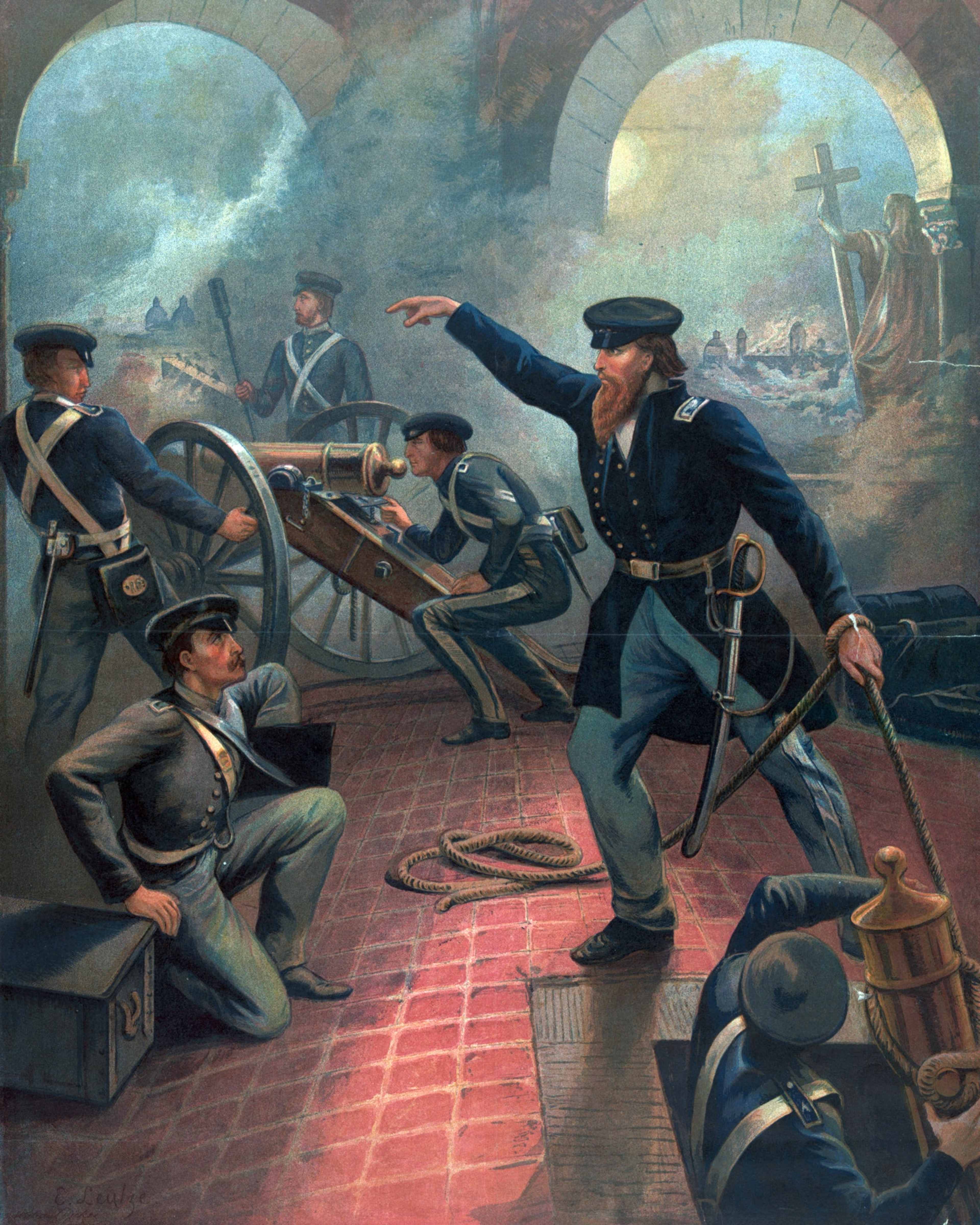
Following their graduation, many West Pointers, including Grant, were thrust into the Mexican-American War. This conflict acted as a practical, bloody testing ground for the lessons learned at the academy. However, the war was not without domestic controversy. It sparked intense political debates and gave rise to early American anti-war movements that questioned the ethics of territorial expansion. For Grant, the war was a masterclass in operational leadership. Serving under General Zachary Taylor, Grant observed a leader who eschewed formal military pomp in favor of practical, decisive action. Taylor’s calm demeanor under fire and simple style deeply influenced Grant’s own command philosophy. Furthermore, the small size of the pre-war regular army ensured that the relationships forged at West Point were cemented in the deserts and mountains of Mexico, creating a highly personal conflict when these same men took opposing sides in 1861.
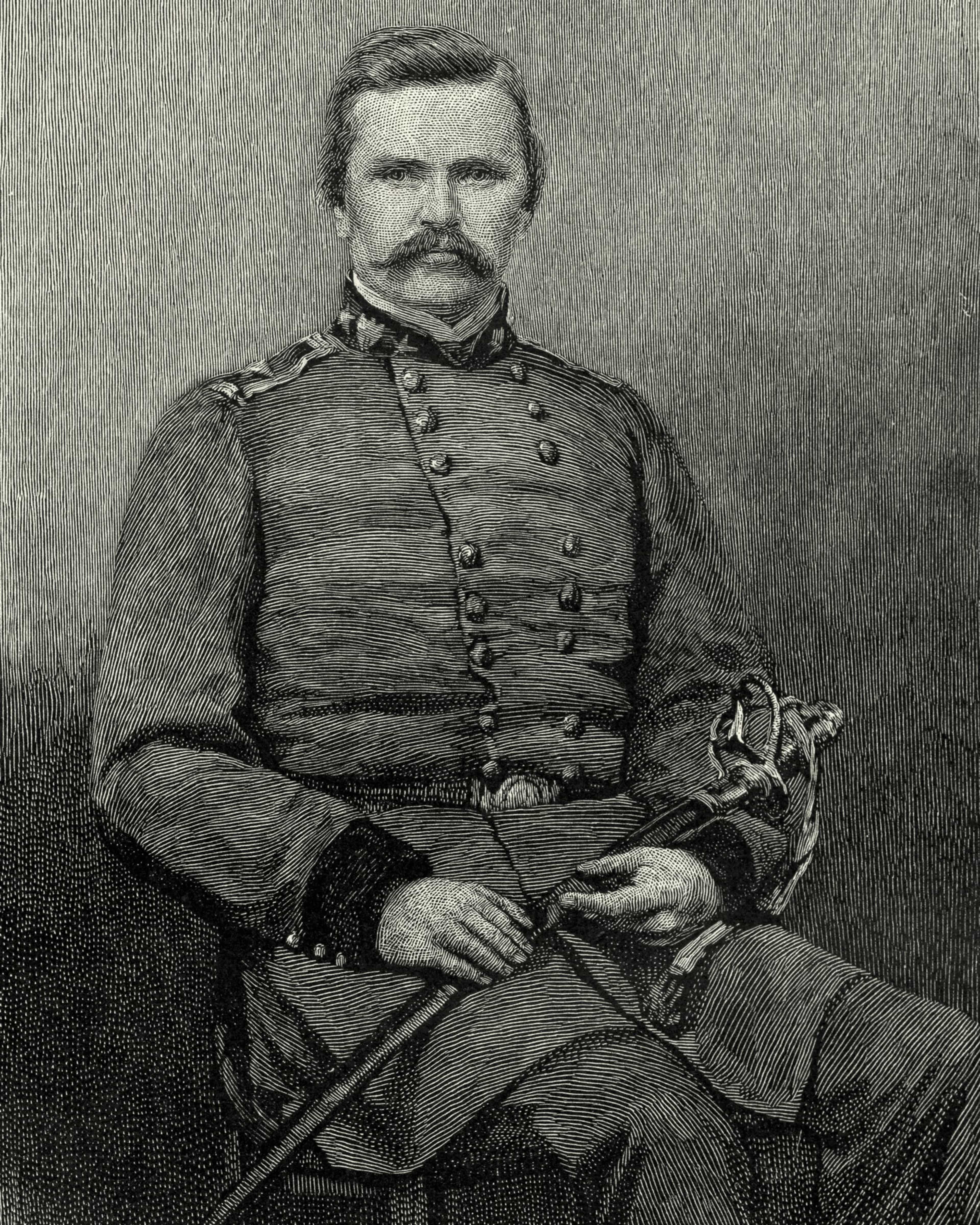
The Unlikely Bond: Ulysses S. Grant and Simon Bolivar Buckner
No relationship illustrates the complex, deeply personal web of the Civil War better than the connection between Grant and Confederate General Simon Bolivar Buckner. Their paths first crossed in the library of West Point. On October 29, 1842, Grant checked out a volume of Livy’s history of Rome, while Buckner’s name was inscribed next to a book on Napoleon Bonaparte. Years later, after Grant resigned from the army in 1854 and found himself destitute in New York City, it was Buckner who generously lent him money to pay for his journey back home to Ohio. This act of kindness was never forgotten. Yet, in February 1862, the two men found themselves on opposite sides of the bloody Siege of Fort Donelson in Tennessee.
When Buckner, left in command of a doomed Confederate garrison, wrote to Grant to negotiate surrender terms, he expected a chivalrous, lenient response based on their old friendship. Instead, Grant issued his famous ultimatum: "No terms except an unconditional and immediate surrender can be accepted." Though deeply disappointed by what he called "ungenerous and unchivalrous terms," Buckner surrendered. When they met face-to-face shortly after, their conversation was remarkably friendly, filled with warm reminiscences of their West Point days. Decades later, when Grant was dying of throat cancer in 1885 and desperately writing his personal memoirs to save his family from bankruptcy, Buckner was one of his final visitors. After Grant passed, Buckner served as a pallbearer at his funeral, embodying the tragic yet enduring bonds formed at the military academy.
Cognitive and Literary Training: The Hidden Tools of Command
While Grant was a self-admitted mediocre student who spent his time reading novels rather than studying tactics, this apparent lack of academic discipline actually contributed to his success. First, Grant possessed a remarkable visual memory—a cognitive trait that Prussian military theorist Carl von Clausewitz identified as a "special gift" vital for great commanders. His staff officer, Horace Porter, remarked that once Grant looked at a map, it seemed to be photographed indelibly upon his brain. This allowed him to visualize complex troop movements across vast, unfamiliar terrains without constantly relying on physical documents.
Second, his love for 19th-century literature, particularly the works of Washington Irving and James Fenimore Cooper, cultivated an exceptional command of language. Biographer Jean Edward Smith noted that Grant gained a deep appreciation for "linguistic precision" from his reading habits. This literary foundation translated directly into his military orders, which were famous for being remarkably clear, concise, and impossible to misunderstand. While other generals wrote convoluted, highly technical directives, Grant’s orders were direct and action-oriented, leaving no room for hesitation on the battlefield.
Long-Term Impact on the American Nation
The unique preparation Grant received at West Point and in Mexico ultimately saved the United States from permanent division. His willingness to wage a war of relentless attrition, combined with his deep understanding of his opponents’ psyches, broke the back of the Confederacy. When Grant eventually transitioned from military commander to the President of the United States, his experiences continued to guide his leadership. During Reconstruction, he wielded federal power to protect the civil rights of newly freed African Americans, relying on the discipline and strategic vision he honed as an officer.
Furthermore, his presidential leadership saw him navigate the delicate evolution of presidential pardon powers, which he used strategically to foster national reconciliation while maintaining federal authority. Grant’s victory also paved the way for the integration and recognition of diverse forces within the military, highlighting the contributions of the many unsung heroes of American military history who fought bravely alongside him to preserve the Union.
Lesser-Known Facts About Grant’s West Point Years
- A Record-Breaking Horseman: Grant was widely recognized as the finest equestrian at West Point. Riding his beloved horse, York, he set a high-jump record that remained unbroken at the academy for more than twenty-five years.
- A Lowly Private: Due to constant minor demerits for untidiness, tardiness, and failing to maintain proper military posture, Grant served his entire senior year as a private, never achieving cadet officer status.
- The Dialectic Society President: Despite his lack of military leadership roles at the academy, Grant was elected president of the cadet Dialectic Society, a literary group where he indulged his love for debate and classic novels.
Why Grant’s West Point Legacy Still Matters Today
Ulysses S. Grant’s journey through West Point offers powerful lessons for the modern era. It serves as a reminder that academic ranking and early conformity do not always dictate long-term success. Grant’s ability to quietly observe his peers, master his fears, and communicate with absolute clarity are leadership qualities that remain highly relevant in modern military, political, and corporate spheres. His story teaches us that true leadership often emerges not from a desire for power or glory, but from a sense of duty, resilience, and a deep understanding of human nature.
People Also Ask
Did Ulysses S. Grant do well academically at West Point?
No, Grant was a middle-of-the-pack student, graduating 21st out of 39 cadets in the class of 1843. He struggled with military tactics and received numerous demerits, but he excelled in mathematics and was considered the finest horseman in his class.
How did knowing Confederate generals from West Point help Grant?
Knowing his future opponents personally allowed Grant to anticipate their strategic decisions and psychological reactions. For example, knowing Braxton Bragg’s argumentative nature and recognizing that Robert E. Lee was mortal and beatable gave Grant a massive psychological advantage during the Civil War.
What was Grant’s relationship with Simon Bolivar Buckner?
Grant and Buckner were close classmates at West Point. Buckner later lent Grant money when Grant was destitute in 1854. Although Grant demanded "unconditional surrender" from Buckner at Fort Donelson in 1862, they remained lifelong friends, and Buckner served as a pallbearer at Grant’s funeral in 1885.
Conclusion
Ulysses S. Grant’s time at West Point was far from a conventional success story, yet it was the indispensable crucible that forged one of America’s greatest military minds. By transforming a reluctant Ohio youth into a master of tactical geography, precise communication, and psychological insight, the academy prepared Grant to face the ultimate test of the Civil War. His ability to look past the myths of his adversaries and lead with quiet, unyielding tenacity remains a testament to the enduring power of character over pedigree.


