The story of the American Revolution is often painted with the glorious brushstrokes of battlefield triumphs, from the frozen banks of the Delaware to the decisive siege at Yorktown. Yet, one of the darkest and most inspiring chapters of this struggle did not occur on land, but inside the rotting, disease-infested hulls of British prison ships in the Revolutionary War. Anchored in the cold waters off the Eastern seaboard—most notoriously in Wallabout Bay, Brooklyn—these floating dungeons became the ultimate test of American resolve. Thousands of captured soldiers, privateers, and civilians were subjected to unspeakable horrors, facing a grim and deliberate British policy: turn traitor and join the Royal Navy, or perish in the dark. This systematic attempt to break the spirit of American patriots resulted in a tragic death toll that far exceeded all battlefield casualties combined. Understanding the terrifying reality of these vessels reveals the deep-seated endurance that defined the birth of the United States, illustrating that the war for independence was won not just by military tactics, but by the stubborn refusal of ordinary citizens to betray their newly declared nation.
The Grim Origin: Why Did the British Resort to Floating Hells?
Following the massive British victory at the Battle of Long Island in August 1776, General William Howe and his forces occupied New York City. Almost overnight, the British found themselves overwhelmed by thousands of American prisoners of war. The city’s existing public buildings, sugar houses, and churches were quickly filled to capacity, yet the stream of captured combatants continued to swell. Looking for a cheap, secure, and logistically simple solution to house this ever-growing population, the British Admiralty turned to their aging, decommissioned warships.
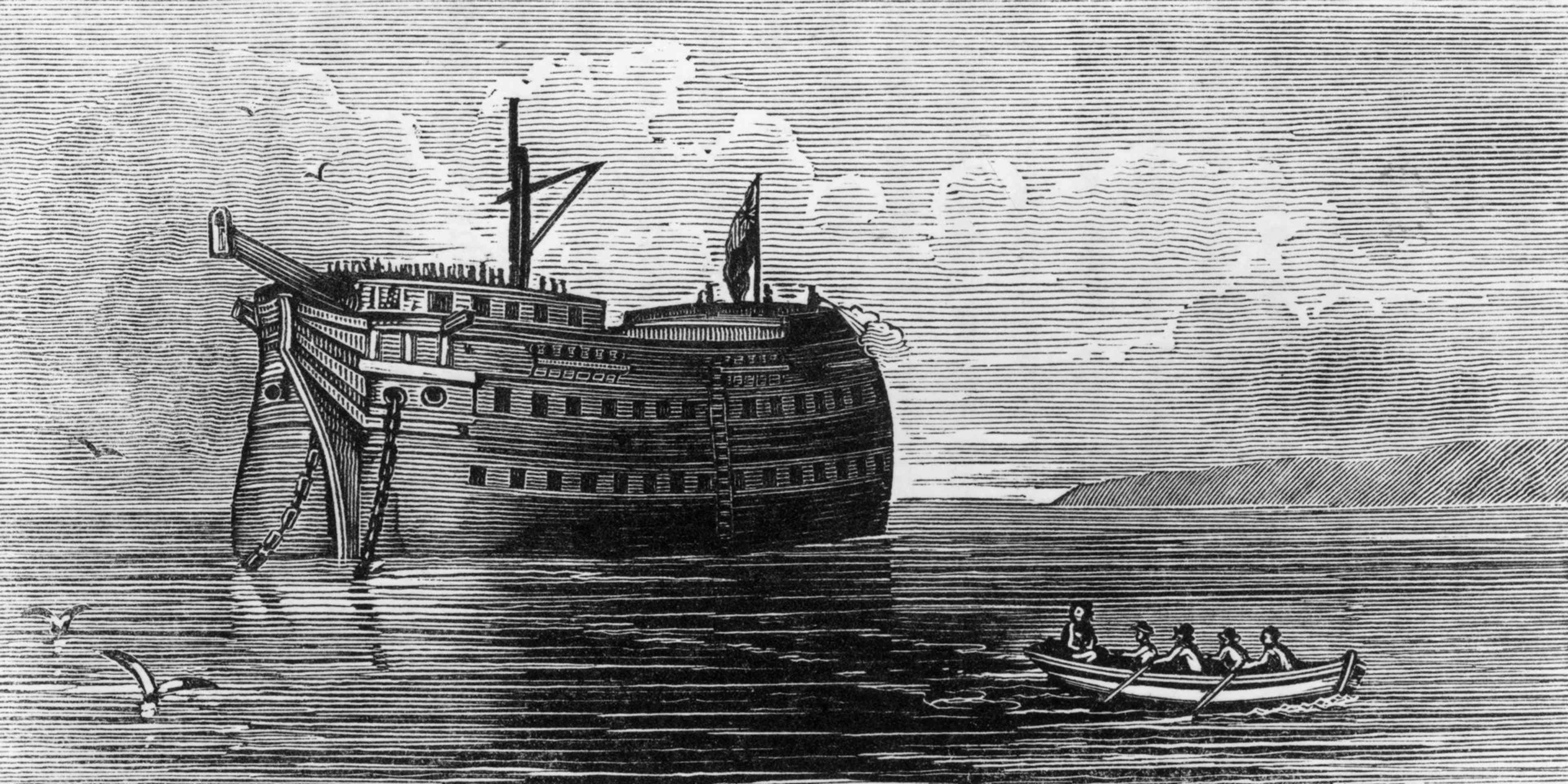
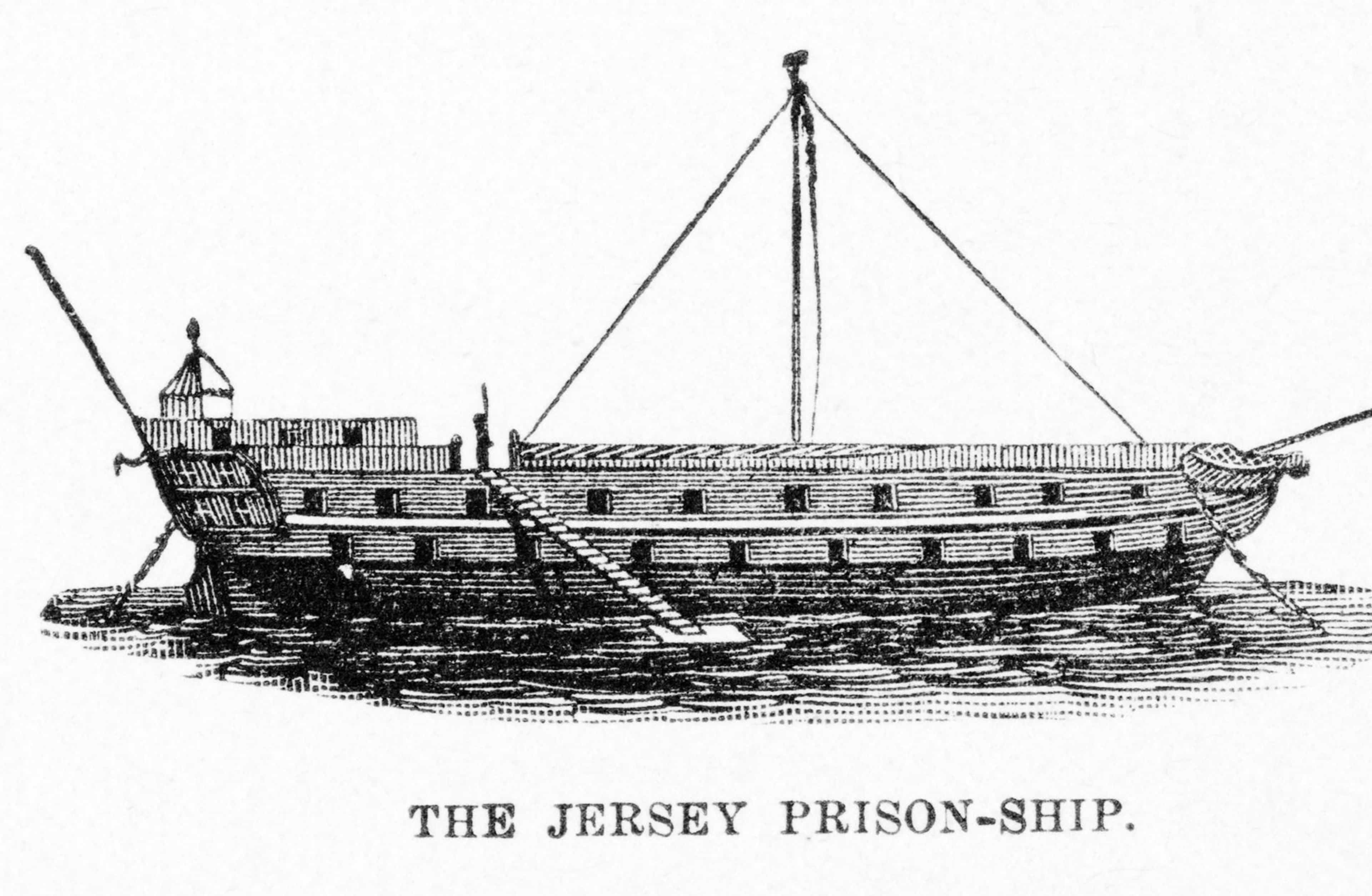
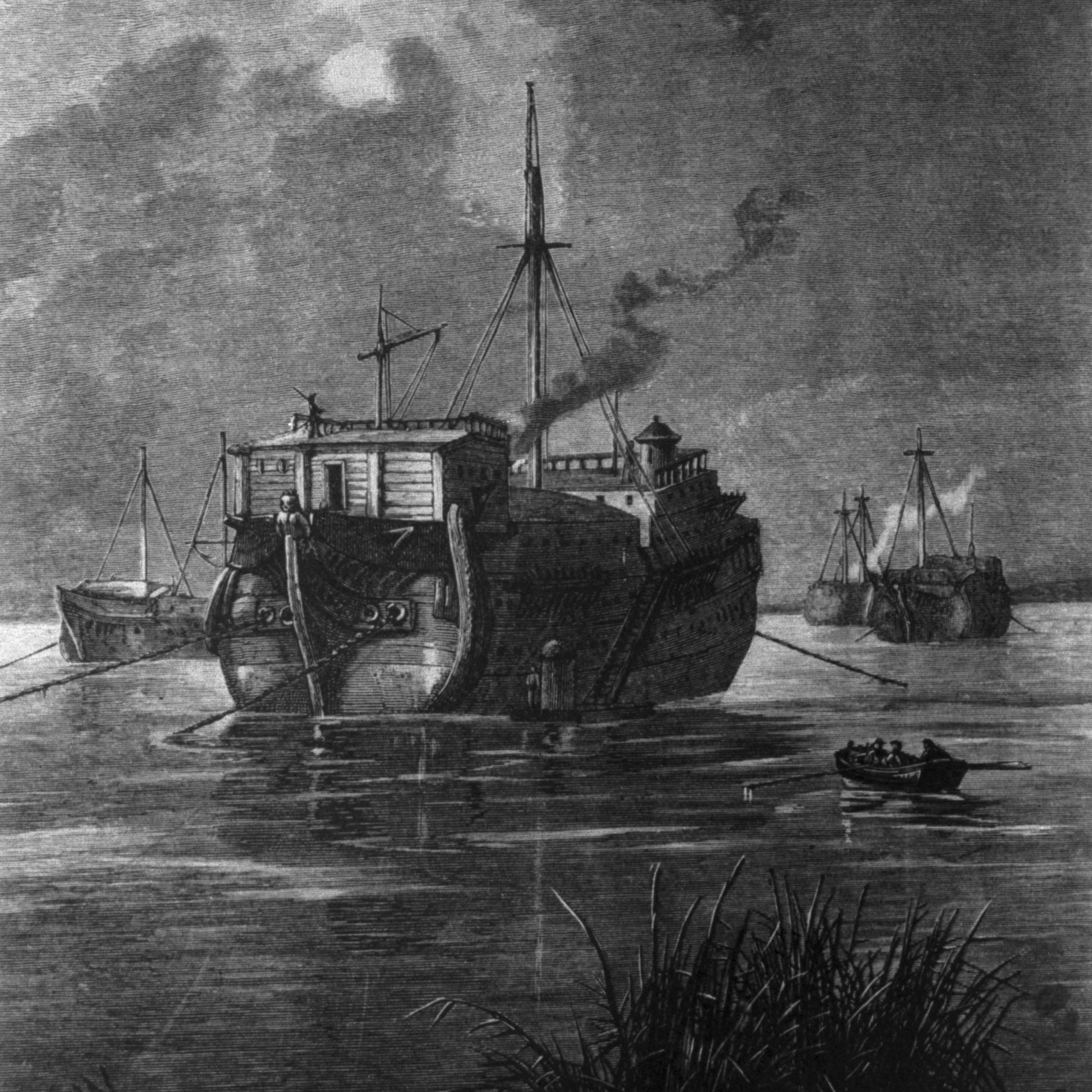
By removing the sails, rigging, and guns, and boarding up the ports, the British converted these massive vessels into floating prisons. The first of these ships, the HMS Whitby, was anchored in Brooklyn’s Wallabout Bay in October 1776. Soon, a fleet of these ‘hell ships’ dotted the Eastern seaboard, with vessels stationed in Charleston, Savannah, Norfolk, and even off the coasts of Florida and Canada. However, New York remained the epicenter of this maritime captivity. The conditions were intentionally designed to be grueling. The British leadership, including Commissioner of Prisoners Joshua Loring, viewed these rebels not as legitimate prisoners of war, but as treasonous subjects of the Crown who deserved little mercy. Thus, the stage was set for a humanitarian disaster of unprecedented scale in the history of the 13 colonies.
A Chronological Journey: Key Milestones of the Maritime Prisons
To fully grasp how the crisis unfolded, it is crucial to examine the timeline of these floating prisons throughout the Revolutionary War:
- October 1776: The HMS Whitby arrives in Wallabout Bay, marking the official beginning of the British prison ship program.
- 1777: As overcrowding worsens, several other vessels, including the Good Hope and the Scorpion, are added to the fleet. Reports of horrific conditions begin leaking to colonial newspapers.
- May 1778: The HMS Jersey, a decommissioned 60-gun ship of the line, is anchored in Wallabout Bay. It would quickly become the most infamous and deadly of all the prison ships, earning the nickname ‘The Hell Ship.’
- 1779–1781: The height of the maritime prison crisis. Diseases such as smallpox, dysentery, and yellow fever run rampant. At least six to twelve prisoners die daily on the HMS Jersey alone.
- July 4, 1782: Imprisoned patriots stage an audacious Independence Day celebration on the HMS Jersey, resulting in a brutal, bloody crackdown by British guards.
- April 1783: Following the signing of the preliminary peace treaty, the remaining prisoners are finally released. The abandoned HMS Jersey is left to rot, eventually sinking into the mud of Wallabout Bay.
The Heroes of the Holds: Crucial Historical Voices
The harrowing reality of the prison ships is preserved today through the invaluable first-hand accounts of the few survivors who lived to tell their tales. These young men, many of whom were teenagers looking for adventure aboard American privateers, left behind testimonies of incredible resilience.
Ebenezer Fox, a young cabin steward captured on a privateer, wrote extensively about his arrival in what he called a ‘loathsome prison.’ He described his fellow captives as a ‘motley crew, covered with rags and filth; visages pallid with disease.’ Fox marveled at how the British intentionally starved the prisoners in a desperate bid to force them to enroll in the British Army. Similarly, 18-year-old sailor Alexander Coffin Jr. recalled the sheer cruelty of the officers and the putrid, worm-eaten food that was completely unfit for human consumption. Another vital voice is Thomas Dring, a 25-year-old master’s mate, who detailed the suffocating heat, the agonizing groans of the dying, and the delirious ravings of those afflicted with high fevers during the night.
These prisoners were not without advocates on land. General George Washington, who took command of the war effort, wrote multiple letters to British commanders protesting the treatment of these captives. Even before Washington, those who organized the early defense of the colonies struggled with the logistics of prisoners of war. If you want to understand the origins of this military hierarchy, you can read about who commanded the Continental Army before Washington assumed control. Despite Washington’s diplomatic pressure, British authorities routinely ignored requests to transfer the prisoners to healthier land-based camps, preferring to use the miserable conditions as a psychological weapon.
The Cruel Choice: British Recruitment vs. Colonial Resolve
The primary strategic goal of the British in maintaining these horrific conditions was not merely punishment; it was recruitment. The Royal Navy was chronically short-handed, and the war was expensive. Every American sailor who could be persuaded to switch sides was one less rebel to fight and one more hand to crew British vessels. Captives were regularly offered a simple, alluring escape: sign an oath of allegiance to King George III, enlist in the Royal Navy, and receive cash, fresh food, and immediate freedom.
For young, starving men watching their friends die around them daily, the temptation was immense. Yet, the vast majority of these prisoners showed an astonishing level of patriotic devotion. Historians estimate that only about 8 to 10 percent of the captured sailors succumbed to the British offers. The rest chose to endure the slow torture of the holds. Thomas Dring noted that the prisoners ‘preferred to linger and to die, rather than desert their country’s cause.’ When one rare individual did accept the British enlistment offer, they were hooted, cursed, and despised by their fellow captives until the recruiting boat carried them out of sight.
Global Maritime Conflict and the Wider War
The use of prison ships was heavily tied to the naval theater of the American Revolution. Because the Continental Congress lacked a formal, powerful navy to challenge the Royal Navy, they turned to privateering. These privately owned, armed vessels were authorized to attack and seize British merchant shipping. This privateer war was highly successful, disrupting British supply chains across the Atlantic and even affecting the role the Caribbean played in the Revolutionary War, where valuable sugar colonies became prime targets for American maritime raids.
When the British captured these privateers, they did not treat the crews as traditional naval prisoners of war. Instead, they labeled them as pirates and rebels, throwing them into the holds of the prison ships without the standard legal protections. This legal distinction allowed the British to bypass traditional prisoner exchanges, ensuring that these brave sailors remained trapped in Wallabout Bay unless they agreed to join the Royal forces.
Astonishing and Lesser-Known Historical Anecdotes
- The Great Thunderstorm Escape: While escapes were incredibly rare due to the physical weakness of the prisoners, 17-year-old Christopher Hawkins pulled off a legendary breakout. During a violent thunderstorm that masked the sound of his movements, Hawkins and a companion managed to force open a side gun port on the HMS Jersey. Hawkins plunged into the freezing water and swam several miles to the shore, surviving the ordeal naked except for his hat.
- The Independence Day Massacre of 1782: On July 4, 1782, prisoners aboard the HMS Jersey defiantly marked the anniversary of the Declaration of Independence by singing patriotic songs and waving makeshift American flags. Furious, the British guards charged into the holds with cutlasses and bayonets, indiscriminately slashing the unarmed prisoners before locking the hatches. The next morning, ten mangled bodies were carried up to the deck for disposal.
- The Bleaching Bones of Brooklyn: Because the dead were buried in shallow graves along the sandy shores of Wallabout Bay, the tides regularly washed away the soil. For decades after the war, local residents and visitors would discover human skulls, ribs, and skeletal remains bleaching in the sun along the Brooklyn beaches—a haunting, physical reminder of the tragedy.
Why the Prison Ship Martyrs Matter Today
Today, the sacrifice of these early patriots is memorialized by the towering Prison Ship Martyrs Monument in Fort Greene Park, Brooklyn. Beneath this monument lies a crypt containing the remains of some of the estimated 11,500 men and boys who died aboard the ships. This death toll represents more casualties than all the American battles of the Revolution combined, highlighting the sheer scale of the atrocity.
This history remains deeply relevant today as a testament to the heavy human cost of liberty. It serves as an early, sobering lesson in the importance of humane treatment for prisoners of war and the dangers of military overreach. The steadfast refusal of these young sailors to betray their country, even when faced with slow, agonizing death, remains one of the purest expressions of patriotism in American history, reminding modern citizens that freedom was purchased at an incredibly high price.
People Also Ask
How many people died on British prison ships during the Revolutionary War?
It is estimated that between 11,000 and 11,500 American prisoners died aboard British prison ships, primarily in Wallabout Bay, Brooklyn. This number is significantly higher than the roughly 4,400 Americans who died in direct combat during the entire war.
What was the most infamous British prison ship?
The HMS Jersey, also known simply as ‘The Jersey’ or ‘The Hell Ship,’ was the most notorious of all the British prison ships. Originally a 60-gun Royal Navy ship, it housed up to 1,000 prisoners at a time under unspeakably filthy, crowded, and diseased conditions.
Why didn’t the American prisoners on the ships rebel?
Although the prisoners greatly outnumbered their guards, they were severely weakened by starvation, scurvy, dehydration, and rampant infectious diseases like smallpox and yellow fever. This extreme physical exhaustion made organizing a successful rebellion almost impossible.
Conclusion
The tragic story of the British prison ships in the Revolutionary War is a powerful testament to the unyielding spirit of the early Americans. Faced with the appalling choice of turning traitor or dying in agony, the overwhelming majority of these captured patriots chose honor over betrayal. Their unsung bravery in the dark holds of the HMS Jersey and other vessels helped secure the freedom of a new nation, ensuring that their sacrifice would be forever etched into the foundation of American history.


