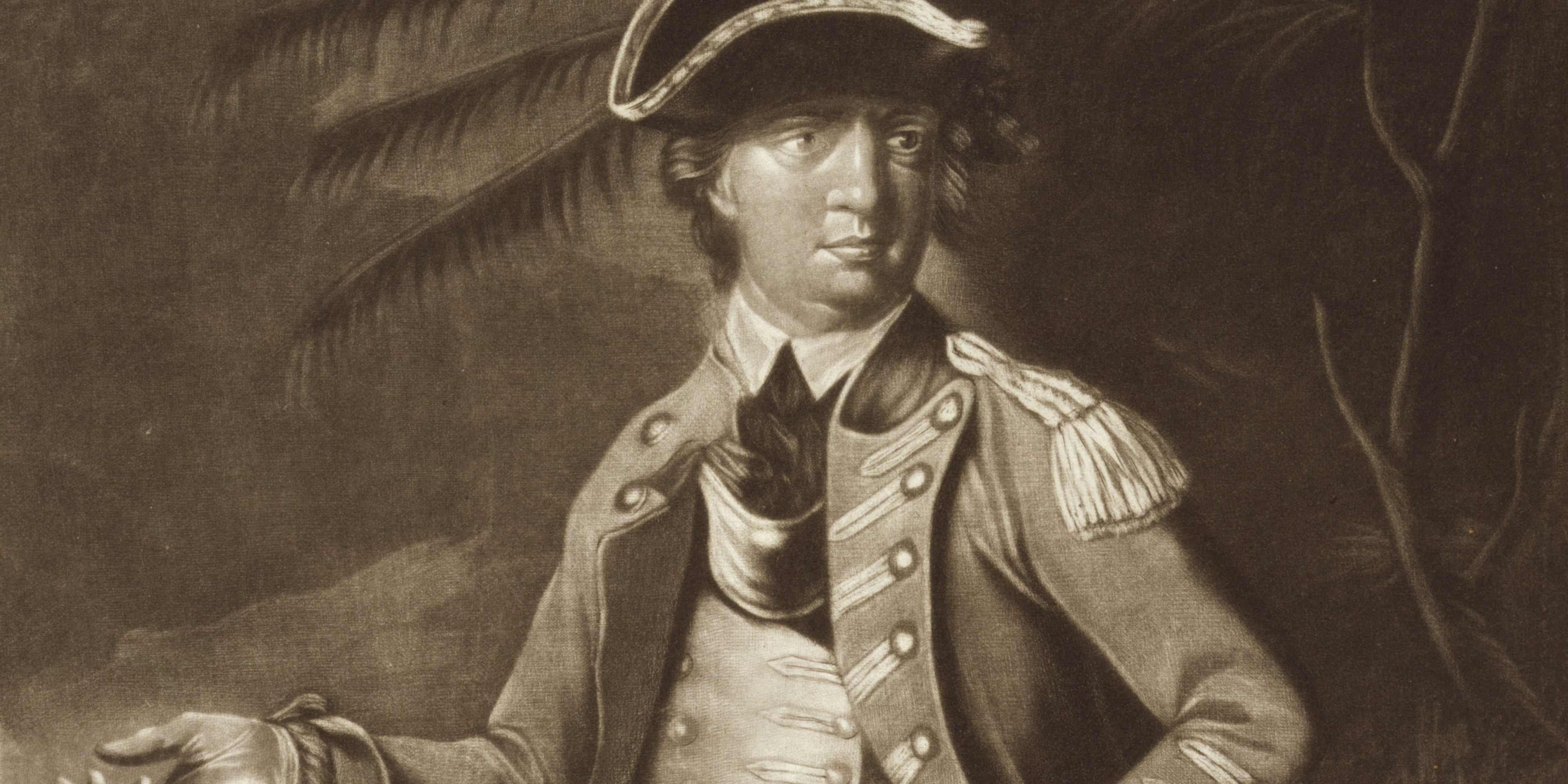
Benedict Arnold is a name that instantly conjures images of betrayal, double-dealing, and the ultimate compromise of national honor. Yet, before his name became synonymous with the word “traitor” in the American lexicon, Arnold was arguably the most brilliant battlefield commander of the early Revolutionary War. From the snow-capped fortress of Quebec to the strategic waters of Lake Champlain, his audacity and tactical genius repeatedly rescued the infant American cause from the brink of annihilation. So how did an undisputed hero of the Battle of Saratoga, trusted implicitly by George Washington, end up scheming to surrender the critical American fortress at West Point to the British? The story of Benedict Arnold is not a simple, cartoonish tale of villainy; it is a complex, tragic narrative driven by pride, deep-seated resentment, financial ruin, and the manipulative undercurrents of his second wife, Peggy Shippen. Understanding his rise and fall is essential to understanding the fragile nature of the early American republic, a nation whose very survival once hung on the razor’s edge of individual loyalty.
Historical Background and the Catalysts of Rebellion
To understand Arnold’s complex character, one must look back to his early life in Connecticut. Born on January 14, 1741, in Norwich, Arnold grew up in a household overshadowed by his father’s alcoholism and subsequent financial ruin. Despite this, he possessed a relentless drive. He apprenticed as an apothecary, joined the local militia during the French and Indian War, and eventually became a prosperous merchant trader in New Haven. When the flames of conflict erupted in April 1775, Arnold threw himself into the Patriot cause with zealous enthusiasm. He was commissioned by the Massachusetts Committee of Safety and immediately recognized the strategic importance of seizing British fortifications. Along with Ethan Allen and his Green Mountain Boys, Arnold captured Fort Ticonderoga in May 1775. This victory secured critical artillery that would later help liberate Boston, but even during this early success, Arnold clashed with other officers over credit, establishing a pattern of wounded pride that would define his military career. This early war period was a time of immense transition across the 13 colonies, where local militias struggled to organize under a unified leadership.
Key Timeline of Benedict Arnold’s Rise and Fall
The trajectory of Arnold’s career is marked by dramatic battlefield triumphs followed by a precipitous descent into treachery. This chronological breakdown outlines the key events that shaped his legacy:
- January 14, 1741: Benedict Arnold is born in Norwich, Connecticut.
- May 10, 1775: Arnold and Ethan Allen capture the British-held Fort Ticonderoga.
- December 31, 1775: Arnold is severely wounded in the left leg during a daring, failed assault on Quebec City.
- October 11, 1776: Arnold commands the American fleet at the Battle of Valcour Island, delaying the British advance.
- February 1777: Congress promotes five junior officers over Arnold, deeply wounding his pride and prompting him to offer his resignation.
- October 7, 1777: Defying direct orders from General Horatio Gates, Arnold leads a charge at the Battle of Bemis Heights (Saratoga), securing an American victory but fracturing his leg again.
- June 1778: Appointed military governor of Philadelphia by George Washington, where he meets and courts Peggy Shippen.
- May 1779: Driven by debt and resentment, Arnold begins treasonous negotiations with British Major John André.
- August 3, 1780: Arnold is given command of the fortress at West Point.
- September 21–23, 1780: Arnold meets with John André to finalize the surrender of West Point; André is captured shortly after with incriminating documents in his boot.
- September 25, 1780: Learning of André’s capture, Arnold flees to the British warship Vulture.
- June 14, 1801: Arnold dies in obscurity and debt in London.
The Crucial Cast of Characters
To fully appreciate this historical drama, we must examine the key players who surrounded Arnold and influenced his fateful decision:
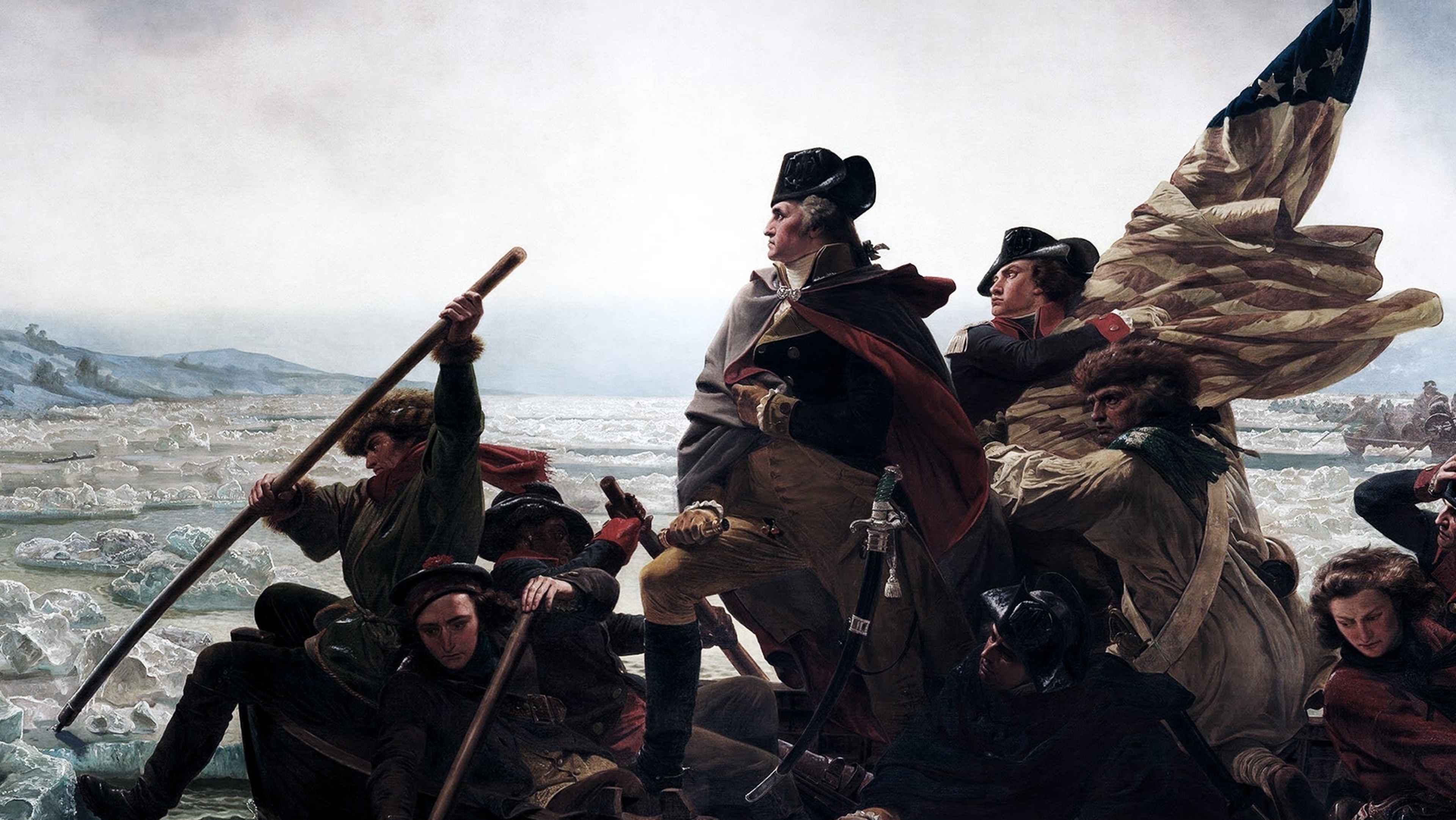
- General George Washington: The commander-in-chief of the Continental Army who served as Arnold’s greatest defender and patron. Washington admired Arnold’s combat prowess and constantly smoothed over political disputes, making Arnold’s eventual betrayal a devastating personal blow. (Washington’s leadership in the Continental Army is well-documented, but few realize how complex the military command structure was before he took charge; indeed, those who commanded the Continental Army before Washington or led regional forces faced immense political fragmentation).
- Margaret “Peggy” Shippen: Arnold’s beautiful, young second wife. Born into a wealthy, Loyalist-leaning Philadelphia family, Peggy was more than just a supportive spouse; historical correspondence reveals she was a highly calculating intermediary who facilitated Arnold’s contact with British intelligence.
- Major John André: The charismatic British chief of intelligence who negotiated directly with Arnold. André’s charm and social standing did not save him when he was caught out of uniform behind American lines; he was hanged as a spy on October 2, 1780.
- General Horatio Gates: Arnold’s rival and superior officer during the Saratoga Campaign. Gates’ attempt to strip Arnold of command and steal credit for the historic victory at Saratoga was a major catalyst in fueling Arnold’s bitterness toward the American cause.
Causes and Context: The Roots of Bitter Betrayal
Arnold’s defection did not happen overnight; it was the product of a toxic cocktail of professional slights, financial desperation, and ideological disillusionment. Throughout the war, the Continental Congress was plagued by political factionalism, often promoting well-connected but less competent officers over battle-tested field commanders like Arnold. This bruised his enormous ego. Furthermore, Arnold’s lavish lifestyle in Philadelphia with Peggy Shippen accumulated staggering debts that his meager military pay could not support. He became convinced that the American cause was ungrateful, corrupt, and ultimately doomed. Seeing no future in a cash-strapped nation, Arnold turned to the British, who offered him the substantial sum of £20,000 (roughly equivalent to millions today) and a brigadier general’s commission in exchange for West Point—the key to controlling the Hudson River.
Major Turning Points: The Valcour Island and Saratoga Contributions
Before his treason, Arnold delivered victories that literally saved the American Revolution. At the Battle of Valcour Island in 1776, he hastily built a makeshift fleet on Lake Champlain. While technically a tactical defeat, Arnold’s stubborn resistance delayed the British invasion of New York by a full year, giving the Continental Army vital time to prepare. The ultimate turning point, however, came at the Battle of Saratoga in 1777. After General Horatio Gates confined Arnold to his tent following a heated argument, Arnold defied orders, rode onto the active battlefield, and rallied the troops to shatter the British lines at Bemis Heights. His actions forced British General John Burgoyne to surrender his entire army. This stunning victory was the decisive factor that convinced France to enter the war as an American ally. Ironically, the monument at Saratoga commemorates only Arnold’s wounded leg, refusing to utter the name of the man who won the battle.
Long-Term Impact on America
While Arnold’s plot to surrender West Point failed, its exposure had a profound psychological impact on the young nation. In 1780, American morale was at an all-time low due to inflation, mutinies, and defeats in the South. The shock of Arnold’s treason acted as a powerful rallying cry. It re-energized a weary population, fostering a renewed sense of vigilance and national unity. The phrase “Benedict Arnold” instantly entered the American lexicon as the ultimate term for a turncoat. Structurally, the event forced George Washington to tighten military security and counter-intelligence measures, establishing a legacy of formal espionage and internal security that would shape the American military for centuries.
Lesser-Known Facts about Benedict Arnold
Our understanding of history is often enriched by the smaller, overlooked details of a person’s life. Here are three fascinating and lesser-known anecdotes about America’s most famous turncoat:
- The “Boot Monument” Tribute: At Saratoga National Historical Park, there stands a unique monument depicting a military boot and a major general’s epaulet. The inscription honors the “most brilliant soldier” of the Continental Army who was severely wounded on that spot, but it purposefully omits Arnold’s name entirely.
- The Fake Hysteria of Peggy Shippen: When George Washington arrived at West Point just as the plot was exposed, Peggy Shippen staged a theatrical fit of madness, convincing Washington and Alexander Hamilton that she was a completely innocent, distressed victim. Her brilliant performance allowed her to escape to Philadelphia, though her active role as a co-conspirator was later confirmed by historical letters.
- Burning Richmond: After joining the British, Arnold actually led troops against his former countrymen. In January 1781, he led a British raid that captured and burned Richmond, Virginia, forcing Governor Thomas Jefferson to flee for his life.
Why It Still Matters Today
The saga of Benedict Arnold remains highly relevant today as a cautionary tale about the fragile nature of institutions and the dangers of unchecked ego. It serves as a reminder that history is rarely populated by black-and-white villains, but rather by deeply flawed individuals whose personal grievances can alter the course of empires. In modern political discourse, the legacy of Arnold continues to spark discussions about loyalty, patriotism, and the ethical responsibilities of those in high-ranking public office.
People Also Ask (FAQ)
Why did Benedict Arnold betray America?
Arnold betrayed America due to a combination of heavy personal debt, frustration over being repeatedly passed over for promotions by Congress, resentment toward rival officers who took credit for his victories, and the influence of his Loyalist wife, Peggy Shippen.
What happened to Peggy Shippen?
After the plot was exposed, Peggy Shippen successfully played the victim to avoid arrest. She eventually joined Arnold behind British lines and relocated with him to London, where she spent her remaining years managing his chaotic finances and raising their children before dying of cancer in 1804.
What was the strategic importance of West Point?
West Point was a key American fort located on a sharp S-curve of the Hudson River. Controlling West Point allowed the Continental Army to block British ships from navigating the river, preventing them from splitting the New England colonies off from the rest of the country.
Did Benedict Arnold get his money from the British?
Because the plot failed and West Point was not surrendered, Arnold only received a fraction of the £20,000 he was promised. He was paid approximately £6,315 along with an annual pension, which did not fully cover his massive debts.
Conclusion
The legacy of Benedict Arnold is one of the ultimate paradoxes of American history. He was a military genius whose tactical audacity saved the infant republic, yet his wounded ego and greed led him to attempt its destruction. In studying his life, we are reminded that history is shaped not just by grand ideas and treaties, but by the volatile nature of human emotion. Arnold’s story remains an indelible reminder of the thin line that exists between heroism and infamy.


