Long before modern luxury hotels, interstate highways, and room service revolutionized the hospitality industry, travelers in early America had to brace themselves for a far more intimate, unpredictable, and downright chaotic experience. To stay in a colonial-era inn was to step into a bustling, sensory-overload environment where the boundaries of personal space simply did not exist. For weary merchants, messengers, and migrating families, these roadside establishments—frequently referred to as taverns or “ordinaries”—were the only refuge along rugged and often perilous transit routes. Yet, these structures were much more than just overnight stops. They served as the beating heart of early American civilization, where news was bartered, political revolutions were sparked, and diverse social classes collided over pints of hot flip and communal platters of rustic fare. Understanding the day-to-day reality of these historic spaces offers us an authentic window into the raw, unfiltered social fabric of early America, revealing how hospitality, democracy, and community intersected in the pre-Revolutionary era.
The Rise of the Ordinaries: Historical Background
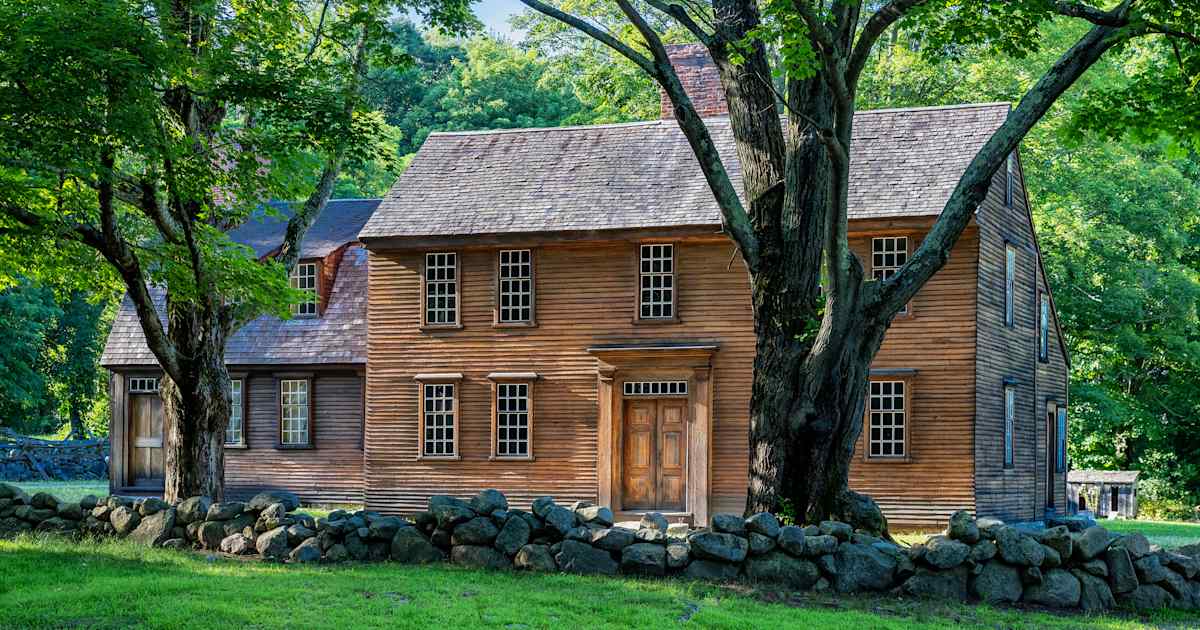
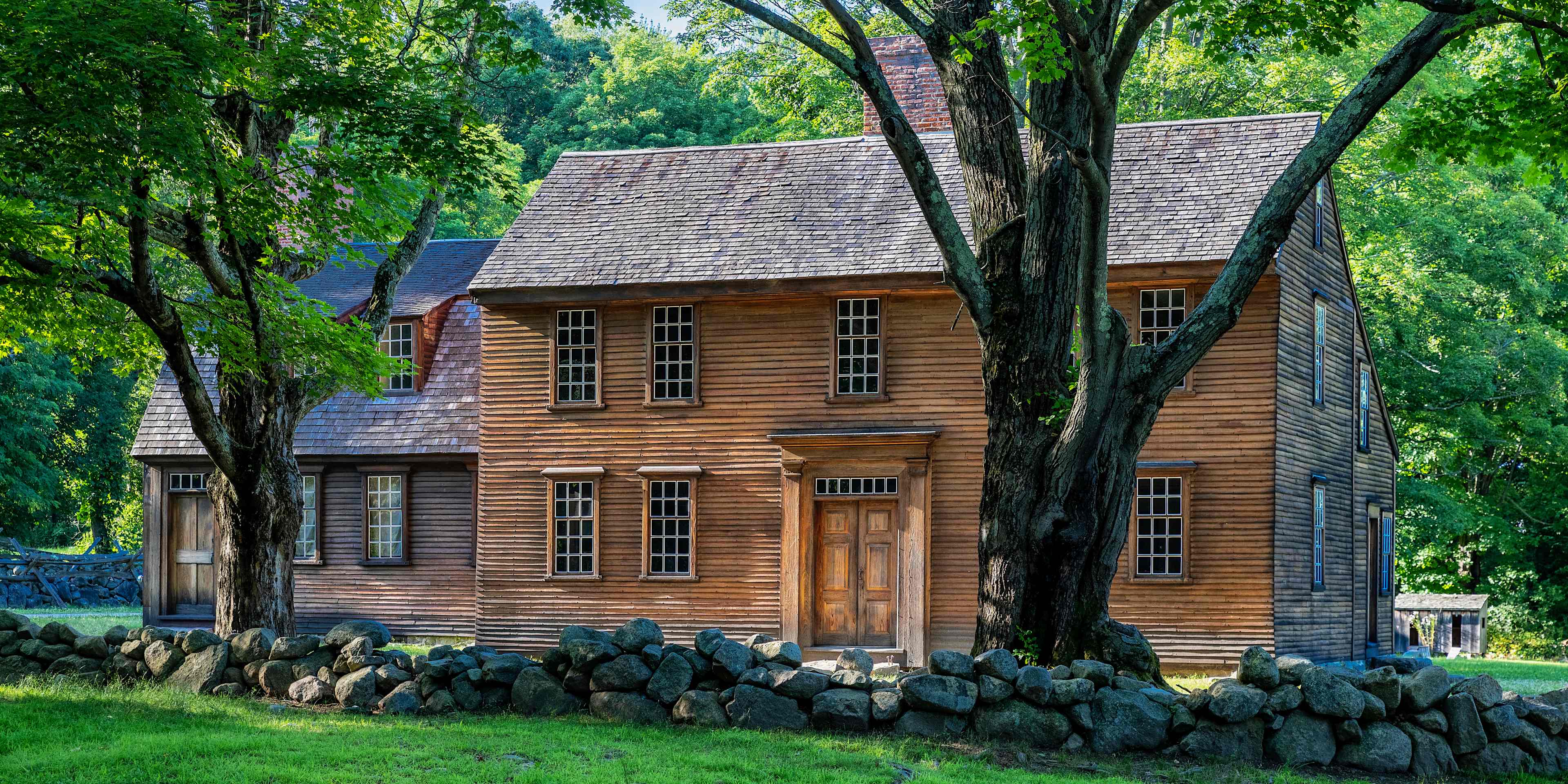
In the 17th and 18th centuries, the American landscape was largely vast, forested, and undeveloped. Long before European settlers established their first roadside taverns, Indigenous nations maintained sophisticated systems of trade networks, seasonal encampments, and diplomatic protocols that governed travel and hospitality across the continent. As European colonization expanded, colonial governments recognized the critical need for structured transit infrastructure. To facilitate communication, commerce, and governance, local authorities in colonies like Massachusetts and Virginia actually mandated that towns along major postal roads establish public houses, often called “ordinaries.” Far from being purpose-built commercial lodges, the earliest colonial-era inns were merely private family homes. Resourceful families would rent out spare rooms, attics, or even floor space to passing travelers to supplement their agricultural income. Over time, as colonial populations swelled and travel routes became more established, these modest homes expanded. Dedicated taverns emerged, boasting separate taprooms, dining halls, and stables. By 1750, major urban hubs like Philadelphia and Boston were home to over a hundred licensed taverns, cementing their role as foundational pillars of early American civic life.
A Chronological Timeline of Colonial Tavern Evolution
To understand how these institutions developed from simple rustic shelters into centers of revolutionary fervor and eventual commercial hotels, we can look at several defining milestones across the colonial and early national eras:
- 1640s: Legislative Mandates – Early colonial legislatures, particularly in New England, pass laws requiring every town to maintain an ordinary to prevent travelers from being stranded and to regulate the consumption of strong spirits.
- 1704: Sarah Kemble Knight’s Historic Journey – The Boston schoolmistress undertakes a daring solo journey to New York, keeping a detailed diary that remains one of the most vivid and humorous primary accounts of colonial lodging, food, and social attitudes.
- 1731: Philadelphia’s Tavern Boom – Philadelphia records nearly 100 legal, licensed taverns, highlighting the rapid urbanization of the Middle Colonies and the commercialization of hospitality.
- 1760s–1770s: Incubators of Revolution – Taverns like the Green Dragon in Boston and Fraunces Tavern in New York become meeting grounds for the Sons of Liberty and other patriots plotting independence from British colonial rule.
- 1794: The Birth of the Modern Hotel – The opening of the City Hotel in New York City marks a dramatic departure from colonial-era inns by offering private rooms, individual service, and structured dining, signaling the decline of the traditional shared-bed tavern.
Key Figures Who Shaped and Documented Tavern Culture
The history of the colonial-era inn is preserved through the diaries, letters, and business records of the individuals who lived and traveled through them. Several prominent figures stand out:
Dr. Alexander Hamilton (1712–1756): Not to be confused with the famous founding father, this Scottish-born Maryland physician traveled extensively across the northeastern colonies in 1744. His published journal, the Itinerarium, provides an invaluable, often satirical, look at the diverse, eccentric, and sometimes frustrating characters he encountered while sharing beds and dining tables in roadside ordinaries.
Sarah Kemble Knight (1666–1727): A remarkably independent businesswoman and educator, Knight traveled on horseback from Boston to New York in 1704. Her travel diary offers a rare and insightful female perspective on the colonial frontier, detailing the poor quality of food, the scarcity of privacy, and the astonishment of locals who rarely saw a solo female traveler.
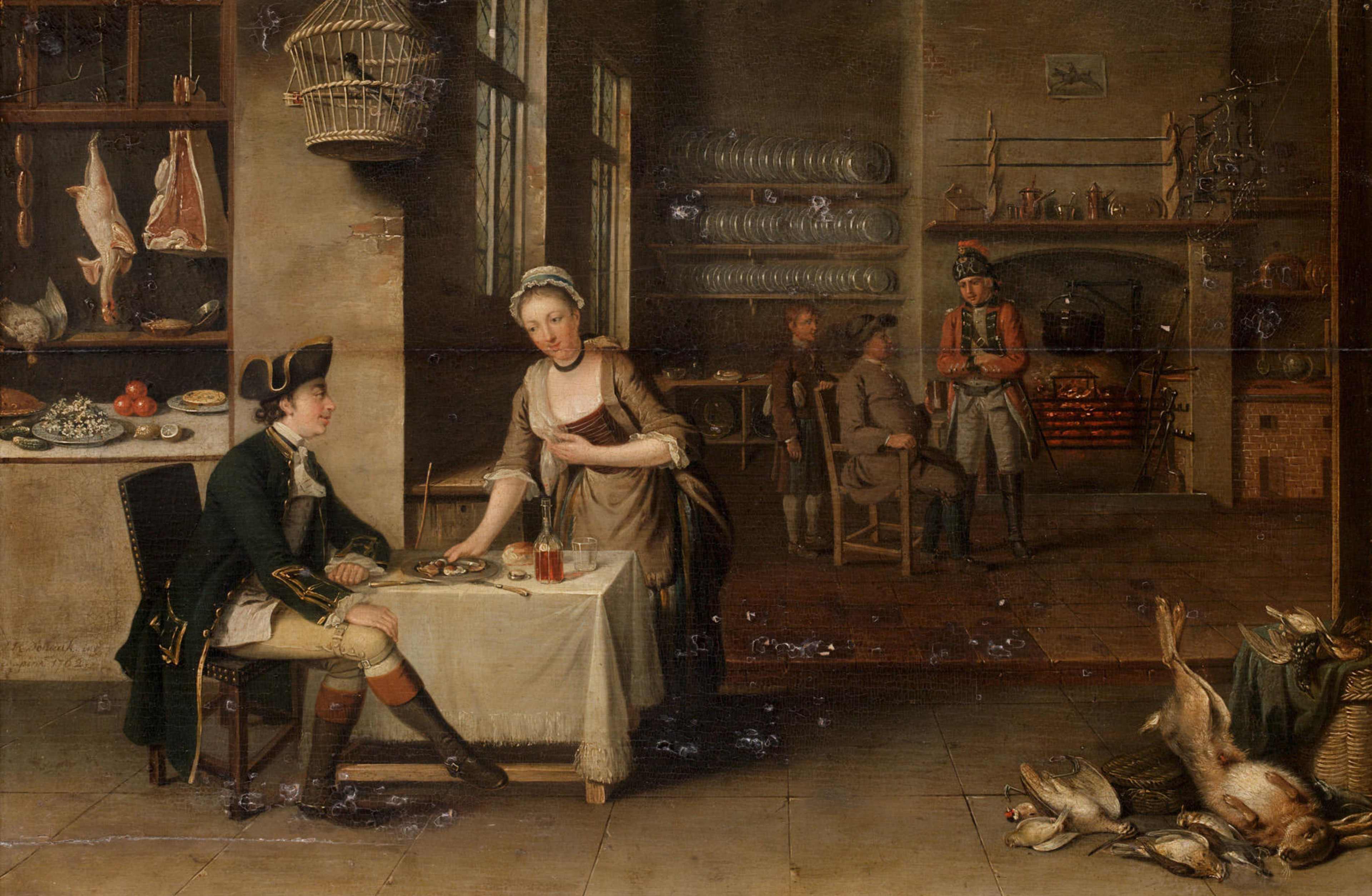
Benjamin Franklin (1706–1790): Franklin frequently used colonial taverns as spaces for intellectual and civic organization. He established the Leather Apron Club (or Junto) in Philadelphia taverns, where members met to debate politics, philosophy, and natural science, proving that taverns were essential intellectual incubators.
Sociopolitical Context: Why Taverns Ruled Colonial Life
During the colonial era, communication was incredibly slow, and travel was physically exhausting. Pedestrians could expect to walk between 14 to 18 miles a day, while those on horseback or stagecoach faced bone-rattling journeys over unpaved, muddy roads. Because of these limitations, taverns were not merely luxury stops; they were essential survival hubs. Furthermore, taverns served as the primary media centers of their communities. In a time when printing presses were scarce, taverns were the places where travelers brought news from distant towns, foreign ships, and colonial assemblies. It was common for an innkeeper to subscribe to multiple newspapers, laying them out in the common room for patrons to read, debate, and copy. Beyond news, these spaces hosted local court trials, commercial auctions, and religious services before formal town halls and churches were built. In fact, Share this:


