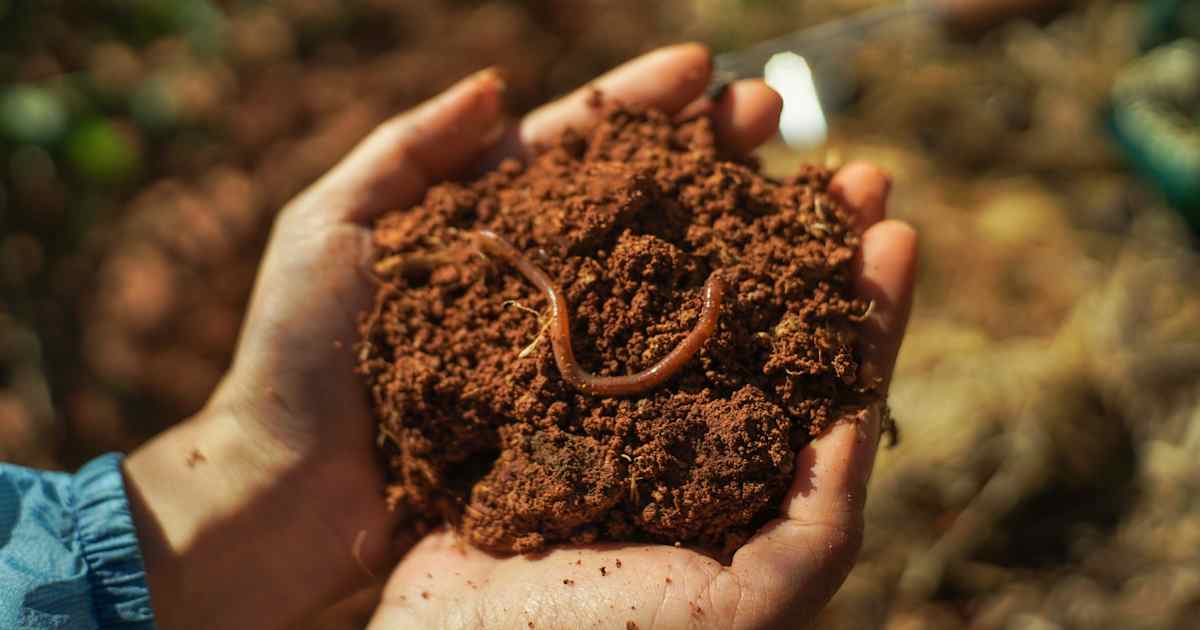
When European explorers and settlers crossed the Atlantic to build new lives in North America, they did not travel alone. Alongside their livestock, agricultural seeds, and dreams of colonial expansion came accidental passengers hidden deep within the soil of their ships. Among these silent, subterranean stowaways were European earthworms—seemingly harmless invertebrates that would fundamentally and permanently alter the North American ecosystem. For over ten thousand years, the vast hardwood forests of the northern United States and Canada had evolved in the complete absence of these wriggling creatures. The sudden introduction of non-native earthworms disrupted a delicate ecological balance, transforming the rich forest floors in ways that early colonists, from the Spanish in the South to the English in the Northeast, could never have foreseen.
The Silent Slate: Pre-Columbian Ecology and the Glacial Legacy
To understand the profound impact of European earthworms, one must first look back to the Last Glacial Period. Approximately 10,000 to 20,000 years ago, massive ice sheets swept across Canada and the northern United States, stretching as far south as present-day Illinois, Indiana, and New England. This glacial advance effectively wiped out all native earthworm populations in these regions, leaving only a few resilient native species, such as Bimastos rubidus, surviving in isolated, unglaciated pockets of the southern Appalachian region and the Pacific Northwest. Even then, these native species existed in such low numbers that their ecological footprint was virtually negligible.
In the absence of earthworms, northern hardwood forests evolved a unique soil structure. Fallen leaves, twigs, and organic matter accumulated on the forest floor year after year, forming a thick, spongy layer known as the duff layer. In some glaciated areas, this organic blanket grew to be up to a foot deep. This fluffy layer served several vital ecological functions: it retained moisture, insulated the soil against extreme temperature fluctuations, preserved seeds for years, and provided a safe, nutrient-rich environment for understory plants like the sugar maple, native orchids, and delicate ferns to germinate and thrive.
A Timeline of Transatlantic Stowaways
The ecological status quo of North America began to shift dramatically with the dawn of European maritime exploration and colonization. The introduction of invasive earthworms occurred in distinct waves, corresponding with historical human migration and trade patterns:
- 1609: English explorer Henry Hudson navigated the Hudson River, paving the way for Dutch colonization of the Hudson River Valley. The heavy soil and rock ballasts of Dutch vessels likely introduced the first European earthworms to the Mid-Atlantic region.
- 1620: The arrival of English Puritans and the subsequent establishment of the Plymouth Colony location in Massachusetts marked a major introduction point for European soil and flora in New England, carrying worm cocoons directly into northern hardwood forests.
- Late 1800s to Early 1900s: As mass migration swept across North America, waves of Scandinavian, German, Finnish, and Irish immigrants moved westward to settle the Great Lakes region, bringing European agricultural practices, livestock, and potted plants that accelerated the spread of earthworms into Wisconsin, Minnesota, and Michigan.
- 1860s: Following Commodore Matthew Perry’s historic expedition that opened trade with Japan, a second wave of invasive earthworms—specifically Asian jumping worms (genus Amynthas and Metaphire)—made their initial landfall on the West Coast of the United States.
- 1910: Japan gifted thousands of cherry blossom trees to Washington, D.C. Unfortunately, the soil surrounding these imported trees was infested with exotic insects and Asian jumping worm cocoons, establishing a foothold for these highly aggressive species on the Eastern Seaboard.
How Earthworms Crossed the Atlantic: The Science of Ship Ballast
Early European settlers did not intentionally pack earthworms in their luggage. Instead, these invertebrates hijacked colonial transportation systems. Wooden sailing ships of the 17th and 18th centuries, while naturally buoyant, were highly top-heavy due to their tall wooden masts and heavy rigging. To maintain stability at sea, sailors filled the lower holds of their vessels with heavy ballast materials, including rocks, gravel, and damp soil dug directly from European riverbanks and coastal areas. This moist soil was a perfect incubator for earthworms and their resilient, drought-resistant cocoons.
When ships arrived in North American ports to load local timber, tobacco, or fur, sailors dumped the European ballast soil onto the shores to make room for cargo. Historical shipwrecks, such as the 17th-century English pinnace Sparrow Hawk which ran aground near Cape Cod in 1626, have provided maritime archaeologists with physical evidence of these ballast materials. While the Pilgrims’ miserable journey aboard the Mayflower was focused on survival and religious freedom, their vessel, like all others of the era, acted as a biological vector, carrying foreign organisms to New England’s pristine shores.
The Great Westward Expansion and Overland Vectors
While ship ballasts introduced earthworms to coastal harbors, human migration carried them deep inland. As agriculture, logging, and mining industries expanded across the thirteen colonies and into the western frontier, earthworms traveled on the hooves of cattle, the iron-rimmed wheels of pioneer wagons, and within the root balls of imported European crops.
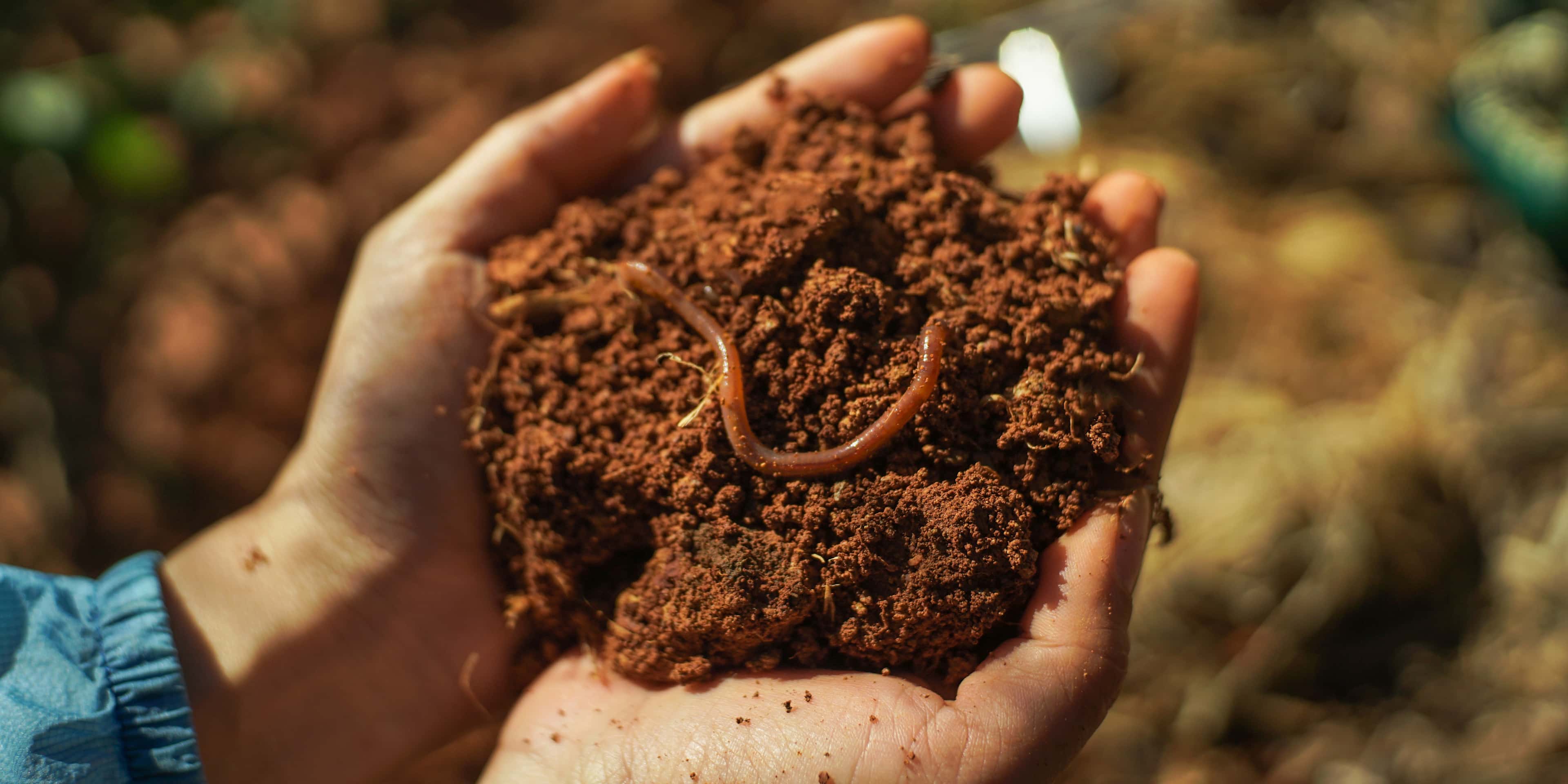
Later, during the industrial booms of the late 19th century, the construction of railroads and logging roads cut deep into pristine forests, dragging soil and hitchhiking earthworms along with them. Today, this passive spread continues. One of the primary modern vectors for earthworm dispersal into remote northern wilderness areas is the recreational fishing industry, where unused live bait—most notably the common European nightcrawler (Lumbricus terrestris)—is routinely discarded on forest floors by anglers.
Ecological Consequences: Rewriting the Forest Floor
The impact of invasive earthworms on North American forests is nothing short of revolutionary. As these invertebrates consume the organic duff layer, they quickly break down leaf litter that would normally take years to decompose. This rapid consumption triggers a cascade of negative environmental effects:
1. Soil Erosion and Nutrient Depletion
By consuming the protective duff layer, earthworms expose the underlying mineral soil to heavy rains, leading to severe soil erosion. Instead of nutrients being slowly released into the forest ecosystem over years, the rapid digestion by earthworms causes vital nutrients like nitrogen and phosphorus to leach deep into the subsoil, rendering them inaccessible to native plants.
2. Canopy Regeneration Failure
The loss of the soft, moist duff layer makes it difficult for native tree seedlings, particularly the iconic sugar maple, to establish roots. Without a protective layer of leaf litter, seeds dry out or are eaten by predators, threatening the long-term survival of northern hardwood forests and the valuable maple syrup industry.
3. Decline of Native Flora and Fauna
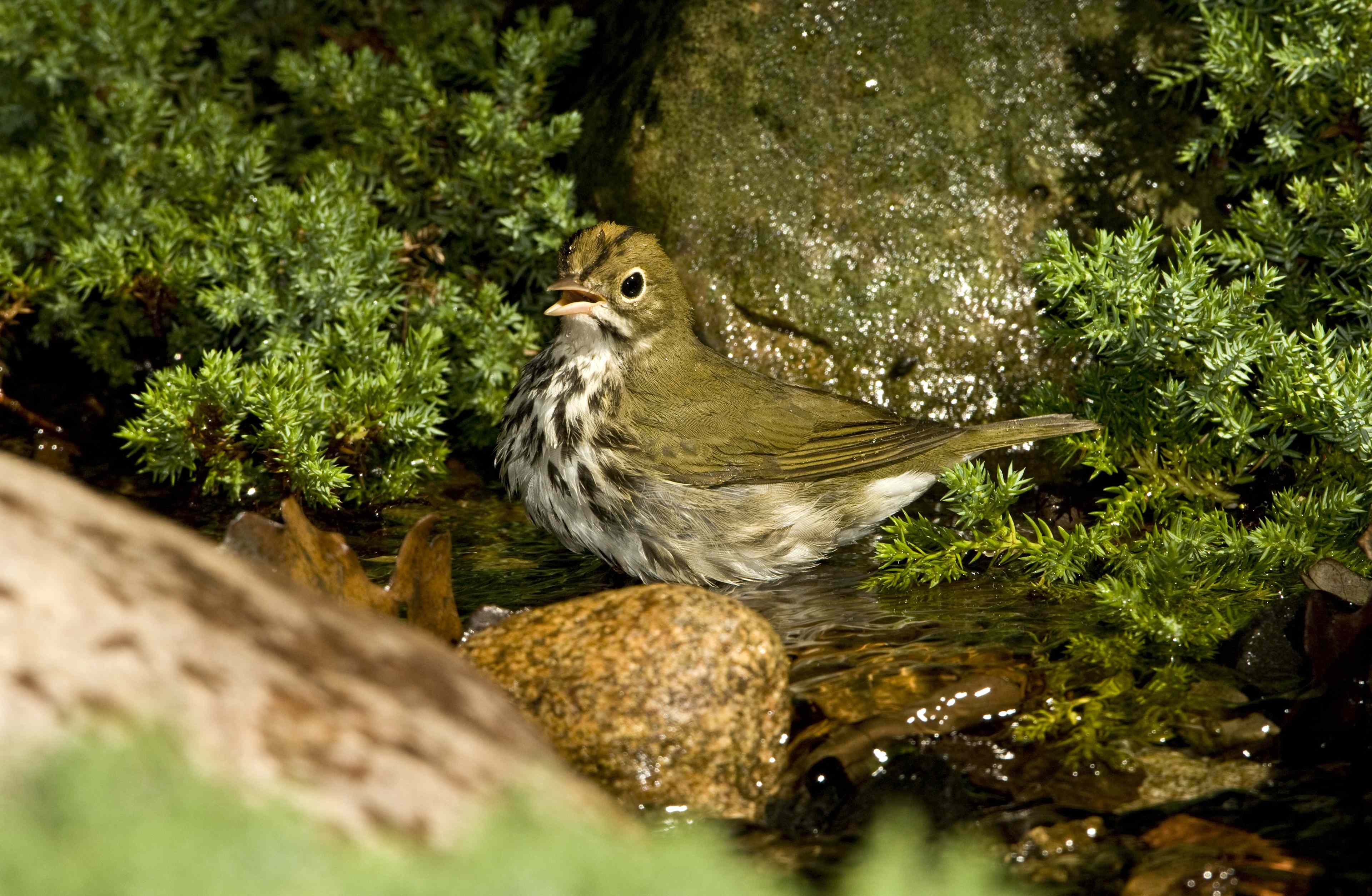
Delicate forest understory species, including rare native orchids and the small fern Botrychium mormo, have suffered steep declines. Furthermore, ground-nesting birds such as the ovenbird lose their nesting habitats and protective cover, leaving them highly vulnerable to predators.
The Agricultural Paradox: Friend of the Farm, Foe of the Forest
Interestingly, the very qualities that make earthworms an ecological disaster in native forests make them highly prized by farmers. In agricultural settings, earthworms perform beneficial soil management tasks. Their deep burrows help channel rainwater into compacted agricultural fields, reducing surface runoff and helping crops access moisture during droughts. Furthermore, their digestive processes break down agricultural crop residue, rapidly releasing nutrients that domestic crops like corn and wheat can easily absorb. This paradox highlights how a single species can be a biological blessing in one controlled environment, yet a destructive invader in another.
Lesser-Known Historical Facts
- The Cherry Blossom Connection: The famous cherry blossom trees that line the Tidal Basin in Washington, D.C., gifted by Japan in 1910, were initially found to be heavily infested with invasive insects and nematodes. The entire first shipment had to be burned. A second, cleaner shipment arrived in 1912, but still managed to introduce exotic Asian jumping worms into the Mid-Atlantic soil.
- A Continent Remade by Ballast: Archival records show that some 17th-century European ships carried up to 80 tons of soil and stone ballast per voyage. Historians estimate that millions of tons of foreign soil were deposited along the eastern seaboard of North America during the colonial era, completely rewriting the local microbial and invertebrate biomes.
Why It Still Matters Today
The story of North America’s earthworms is a powerful reminder of how human history and natural history are deeply intertwined. Today, forest ecologists, conservationists, and policymakers are working to slow the spread of these invasive species, particularly the aggressive Asian jumping worms, which reproduce more rapidly and strip soil of nutrients even faster than their European counterparts. Understanding the historical pathways of these biological invasions is critical to developing effective quarantine measures and preserving the remaining undisturbed ecosystems of the American continent.
People Also Ask
Are there any native earthworms in North America?
Yes, there are native earthworms in North America, but they are primarily found in southern regions that were not covered by glaciers during the last Ice Age. In the glaciated northern forests of New England, the Great Lakes, and Canada, almost all earthworms are non-native invaders from Europe or Asia.
Why are Asian jumping worms worse than European earthworms?
Asian jumping worms (genus Amynthas) grow and reproduce much faster than European species. They live in high densities near the soil surface, stripping the organic duff layer incredibly quickly and leaving behind dry, coarse soil that resembles coffee grounds, which is highly susceptible to erosion and hostile to native plant roots.
How do earthworms impact the maple syrup industry?
By destroying the forest duff layer, earthworms make it incredibly difficult for sugar maple seedlings to germinate and grow. Over time, as mature maple trees die off without new seedlings to replace them, the overall canopy of maple forests declines, threatening the future of maple syrup production.
Conclusion
The arrival of European earthworms to North America is a classic example of the ecological phenomenon known as the Columbian Exchange. Hidden within the ballast of wooden sailing vessels, these tiny invertebrates successfully crossed the Atlantic and silently colonized a continent. While they brought undeniable benefits to European-style agriculture, their presence has fundamentally destabilized northern hardwood forests, highlighting the lasting and often unpredictable ecological legacy of human migration.


