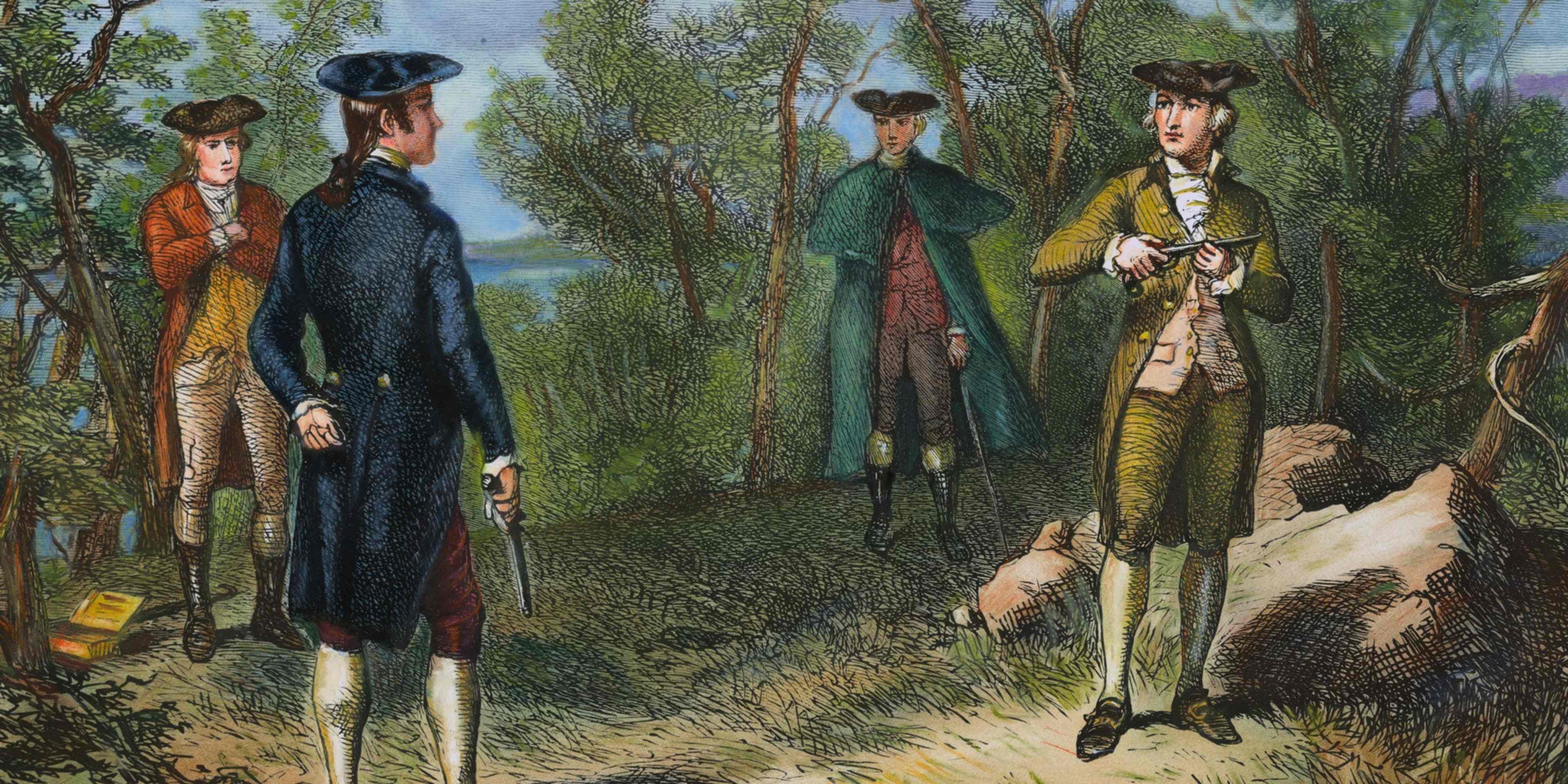
On July 11, 1804, on the rugged cliffs of Weehawken, New Jersey, a single pistol shot permanently altered the course of American political history. The duel between sitting Vice President Aaron Burr and former Treasury Secretary Alexander Hamilton ended the life of one of the nation’s most brilliant financial architects. However, while Hamilton’s death cemented his status as a martyred Founding Father, it marked the beginning of a bizarre, tragic, and deeply controversial final chapter for his opponent. Have you ever wondered what happened to Aaron Burr after he killed Alexander Hamilton? Rather than securing his honor, the fatal duel transformed Burr from a celebrated revolutionary hero and brilliant legal mind into a political pariah. Hunted by law enforcement, accused of treason, and ultimately entangled in a web of international intrigue, Burr’s post-duel life was a tumultuous rollercoaster that exposed the fragile nature of the newly born United States.
Historical Background & Causes of the Downfall
To understand Burr’s trajectory, one must look at his standing before that fateful morning. Burr was a man of elite pedigree. His grandfather was Jonathan Edwards, the famous theologian of the First Great Awakening, and his family was highly respected throughout the colonies. He had served with distinction in the Continental Army during the Revolutionary War, developing a reputation for immense bravery. Before serving under George Washington and Benedict Arnold, Burr was part of a burgeoning military movement. Understanding who commanded the Continental Army before Washington provides excellent context on how chaotic and raw the early American military structure was when Burr first joined.
As a young lawyer, Burr rose quickly, eventually securing a seat in the U.S. Senate and the Vice Presidency under Thomas Jefferson. However, his political beliefs were highly pragmatic, earning him the distrust of ideological purists like Alexander Hamilton. The political ecosystem of early America was radically different from today, yet deeply dramatic. While the 1800 election was a tense constitutional crisis, early American voting traditions had long been chaotic; in fact, elections in colonial America were huge, booze-fueled parties where candidates routinely bought drinks for voters to secure their favor. For Hamilton, Burr represented the ultimate danger: a brilliant, unprincipled opportunist who would do anything to gain power. When Hamilton repeatedly blocked Burr’s political ambitions—most notably in the presidential election of 1800 and the New York gubernatorial race of 1804—the stage was set for their fatal encounter.
The Immediate Aftermath: A Vice President on the Run
Immediately following the duel, Aaron Burr returned to New York City, foolishly expecting that he would be treated as a gentleman who had successfully defended his honor. Instead, he was met with a wave of intense public outrage. Hamilton was widely mourned, and the press painted Burr as a cold-blooded murderer. Fearing prosecution, as both New York and New Jersey quickly indicted him for murder, Burr fled southward to Georgia and South Carolina, where dueling was viewed more leniently.
Astonishingly, because of his constitutional status, Burr returned to Washington, D.C. in late 1804 to complete his term as Vice President. In an awkward twist of history, the man indicted for murder presided over the U.S. Senate during the historic impeachment trial of Supreme Court Justice Samuel Chase. Burr conducted the trial with such impartiality and dignity that he earned praise even from his political enemies. On March 2, 1805, Burr delivered a moving farewell address to the Senate, which reportedly left many senators in tears. Yet, once his term officially ended on March 4, Burr was a man without a political home, deeply in debt, and barred from returning to New York.
The Burr Conspiracy: A Dream of Western Empire
With his political career in the East dead, Burr turned his sights toward the vast, untamed American West. What followed remains one of the most enigmatic and controversial episodes in American history, known simply as the Burr Conspiracy.
Beginning in 1805, Burr traveled down the Ohio and Mississippi Rivers, meeting with wealthy landowners, politicians, and military officers. His goal was highly secretive, but historians believe he intended to carve out his own empire. The conspiracy relied on three main possibilities:
- Invasion of Mexico: Burr planned to lead a private military force into Spanish-controlled Texas and Mexico to liberate it and establish an independent nation.
- Secession of Western States: Burr tapped into the dissatisfaction of western settlers, hoping to convince states like Tennessee, Kentucky, and the Louisiana Territory to secede from the Union and join his new empire.
- The Blennerhassett Island Base: Burr partnered with Harman Blennerhassett, a wealthy Irish emigrant who allowed Burr to use his private island on the Ohio River as an arsenal, military training ground, and staging area.
Burr’s primary co-conspirator was General James Wilkinson, the Commander-in-Chief of the U.S. Army and governor of the northern Louisiana Territory. Unbeknownst to Burr, Wilkinson was also a double agent working as a spy for the Spanish crown under the codename ‘Agent 13.’ When Wilkinson realized the federal government was closing in on their plot, he chose to save himself by betraying Burr. In late 1806, Wilkinson sent a letter to President Thomas Jefferson, warning him of a deep treasonous plot to tear the Union apart.
The Treason Trial of the Century
President Thomas Jefferson, who already deeply distrusted his former Vice President, issued a proclamation calling for Burr’s arrest. In February 1807, Burr was captured in Alabama while disguised in ragged clothes. He was escorted to Richmond, Virginia, to stand trial for treason against the United States.
The 1807 trial was a massive media sensation and a constitutional showdown. Chief Justice John Marshall presided over the federal circuit court, creating a direct clash of wills between the judicial branch and President Jefferson, who actively sought Burr’s execution. Jefferson even attempted to ignore a court subpoena for executive documents, asserting executive privilege.
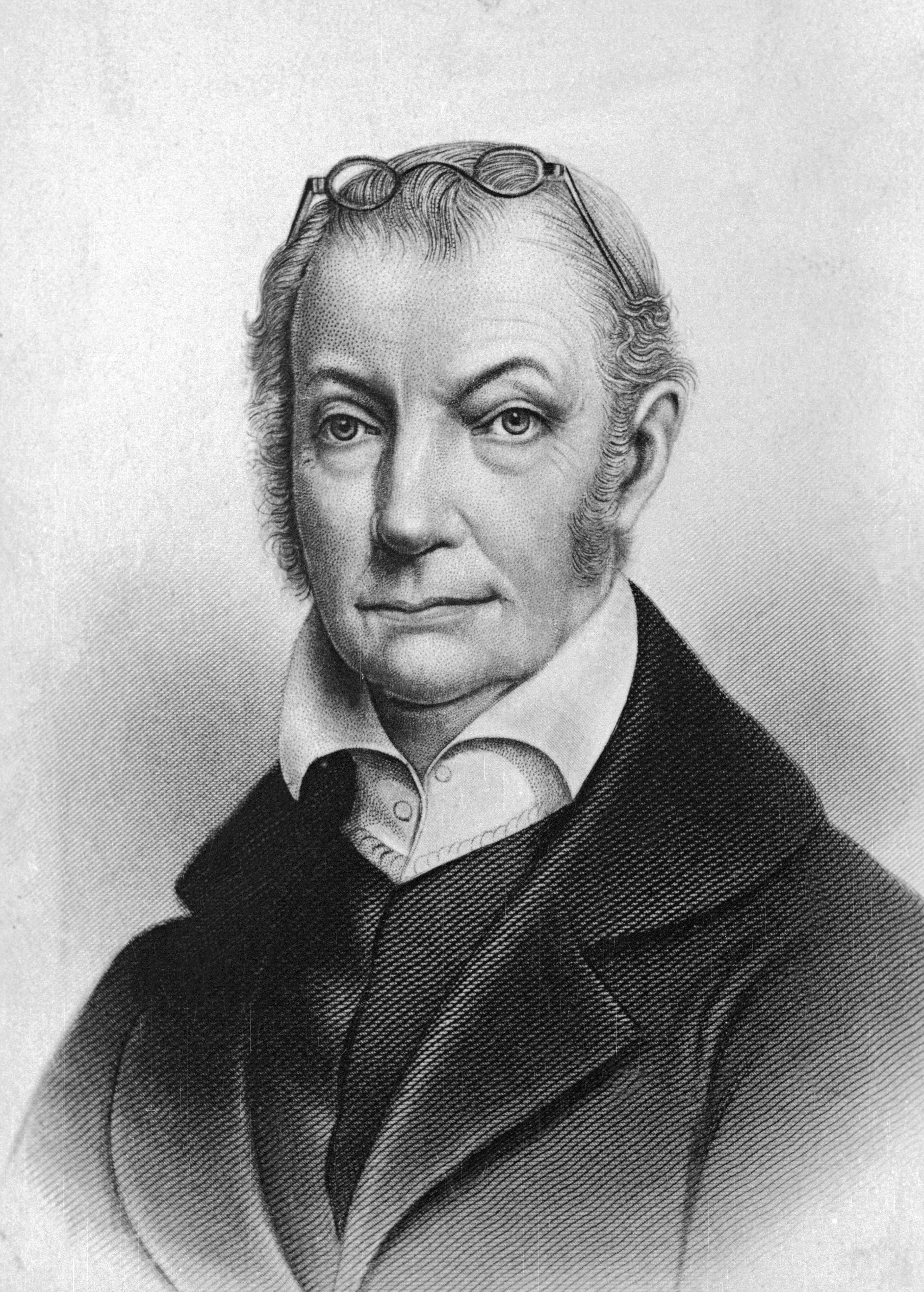
Ultimately, Burr was acquitted. Chief Justice Marshall ruled that under Article III, Section 3 of the U.S. Constitution, treason requires an ‘overt act’ of levying war against the United States, witnessed by at least two people. Because the prosecution could not prove Burr was physically present when his armed followers gathered on Blennerhassett Island, he could not be legally convicted. Though legally cleared, Burr’s reputation was utterly destroyed. To the public, he was a traitor who had escaped the noose on a legal technicality.
Exile, Tragedy, and Financial Ruin
Ruined, broke, and widely despised, Burr fled to Europe in 1808. For four years, he wandered through England, Sweden, Germany, and France. He desperately tried to pitch various geopolitical schemes to European governments, including proposing that Napoleon Bonaparte help him invade Mexico or liberate Spain’s American colonies. His efforts failed, and he lived in extreme poverty, often surviving on the charity of friends.
In 1812, with the threat of the War of 1812 looming, Burr returned to New York City under the assumed name ‘Adolphus Arnot’. He eventually felt safe enough to resume practicing law under his real name. He managed to rebuild a modest income, but immense personal tragedy soon struck. In June 1812, his beloved eleven-year-old grandson, Aaron Burr Alston, died of fever. Just months later, in January 1813, Burr’s devoted daughter, Theodosia Burr Alston, boarded the schooner Patriot in South Carolina to visit her father. The ship vanished off the coast of the Carolinas, likely lost in a storm or captured by pirates. The loss of Theodosia devastated Burr, leaving him utterly heartbroken for the remainder of his life.
The Ultimate Coincidence: Eliza Jumel and Alexander Hamilton Jr.
Even in his final years, Aaron Burr could not escape the shadow of the Hamilton legacy. In 1833, at the age of 77, the impoverished but still charming Burr married Eliza Jumel, a wealthy and socially ambitious widow nineteen years his junior.
The marriage was a disaster. Within months, Eliza realized that Burr was rapidly depleting her massive fortune through disastrous land speculation in Texas. She quickly separated from him and filed for divorce on the grounds of adultery and financial mismanagement.
In a twist that seems too wild for fiction, Eliza hired none other than Alexander Hamilton Jr.—the second son of the very man Burr had killed in the Weehawken duel—to represent her in the divorce proceedings. Alexander Hamilton Jr. pursued the case with immense vigor, successfully freezing Burr’s access to her assets. This astonishing legal drama stands as one of the most incredible 6 famous coincidences in early American history, bringing the tragic legacy of the Hamilton-Burr duel full circle on Burr’s very deathbed. The divorce was officially finalized on September 14, 1836—the exact same day that Aaron Burr died of a stroke in a Staten Island boardinghouse.
Key Chronological Timeline of Aaron Burr’s Post-Duel Life
To visualize the dramatic descent of this Founding Father, here is a breakdown of the key events in Aaron Burr’s life following the duel:
- July 11, 1804: Burr shoots and mortally wounds Alexander Hamilton in Weehawken, New Jersey.
- Late 1804: Burr flees to the South before returning to Washington, D.C., to finish his term as Vice President.
- March 2, 1805: Burr delivers a tearful farewell address to the U.S. Senate.
- 1805–1806: Burr travels west to launch the ‘Burr Conspiracy’ to conquer territory and establish a western empire.
- February 1807: Burr is arrested in Alabama and brought to Richmond, Virginia, to stand trial.
- September 1, 1807: Burr is acquitted of treason due to Chief Justice John Marshall’s strict interpretation of the Constitution.
- 1808–1812: Burr lives in self-imposed exile in Europe, attempting to sell his imperial schemes.
- January 1813: Burr’s beloved daughter, Theodosia, is tragically lost at sea.
- July 1, 1833: Burr marries the wealthy widow Eliza Jumel.
- September 14, 1836: Burr dies in Staten Island, New York, on the exact day his divorce from Eliza Jumel is finalized.
Key Historical Figures and Their Roles
Understanding the players in this post-revolutionary drama highlights how deeply Burr’s actions shook the highest levels of the early American republic:
- Aaron Burr: The brilliant former Vice President whose ambition led him to kill his rival, attempt to forge a western empire, and end his life in relative isolation and ruin.
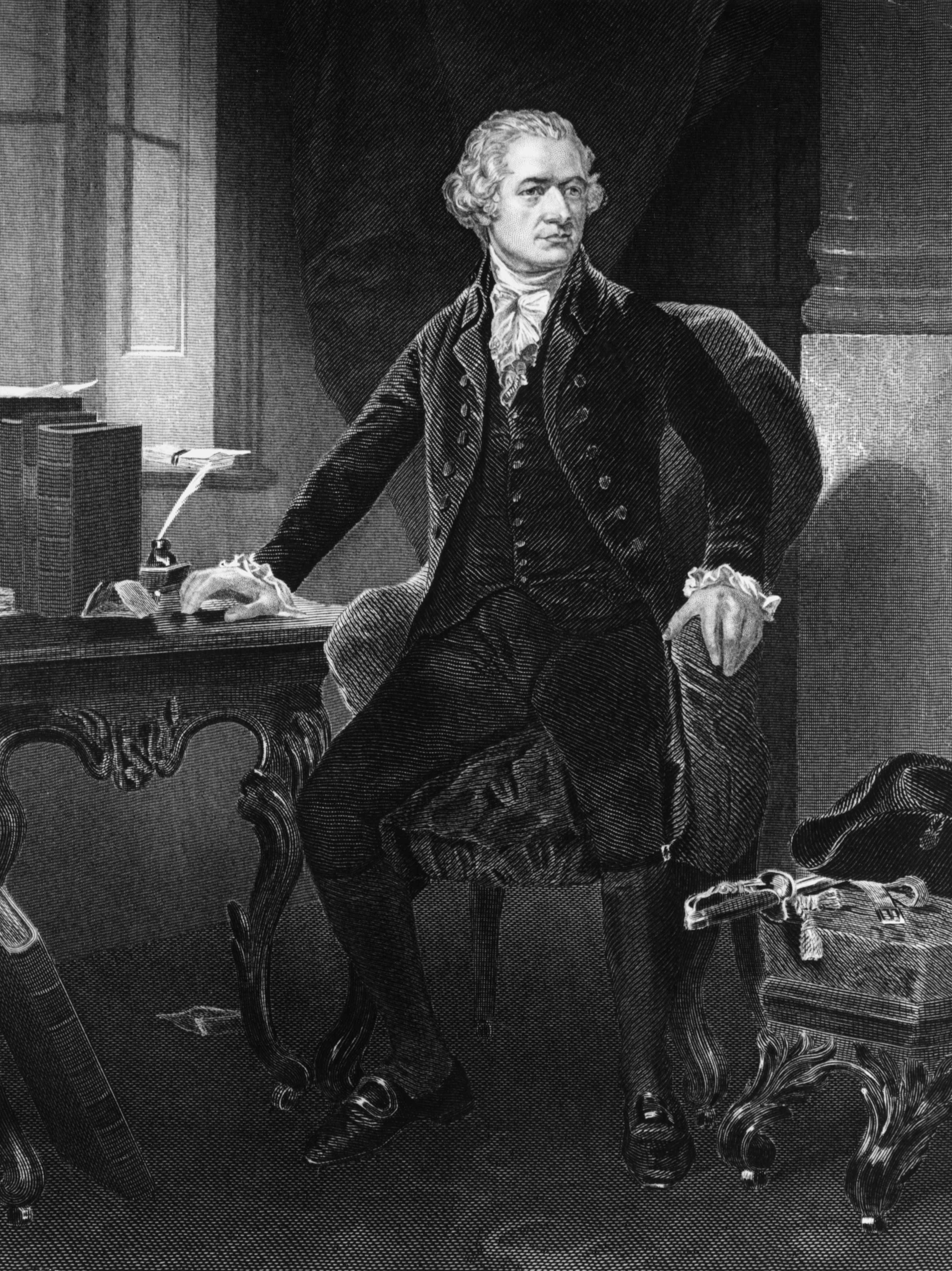
- Alexander Hamilton: The deceased Treasury Secretary whose martyrdom permanently cast Burr as America’s ultimate political villain.
- Thomas Jefferson: The third U.S. President who viewed his former running mate as a dangerous threat and actively sought to have Burr convicted of treason.
- John Marshall: The legendary Chief Justice of the Supreme Court whose landmark ruling in Burr’s trial established the strict legal definition of treason under U.S. law.
- James Wilkinson: The untrustworthy General of the U.S. Army who co-conspired with Burr before betraying him to President Jefferson.
- Eliza Jumel: One of the wealthiest women in New York who briefly married Burr, only to divorce him when he tried to spend her fortune.
- Alexander Hamilton Jr.: The son of Alexander Hamilton who served as Eliza Jumel’s divorce lawyer, dealing a final legal blow to his father’s killer on his deathbed.
Long-Term Impact and Why It Still Matters Today
The saga of Aaron Burr’s post-duel life left a profound imprint on American jurisprudence and the stability of the young nation.
First, the trial of Aaron Burr set a critical legal precedent. By insisting on a strict constitutional definition of treason requiring an ‘overt act’ and two eyewitnesses, Chief Justice John Marshall prevented future presidents from using treason charges as a political weapon to execute their rivals. This ruling protected political dissent and preserved the separation of powers.
Second, the Burr Conspiracy highlighted the immense vulnerability of the early United States. With the Louisiana Purchase still fresh and national identity unformed, the western territories were highly unstable and susceptible to foreign influence and secessionist movements. Burr’s plot forced the federal government to tighten its control over the frontier.
Finally, Burr’s story serves as a cautionary tale of unchecked political ambition. Once a man of brilliant promise who championed progressive ideals like women’s suffrage and a free press, Burr allowed his personal grievances and desperate quest for power to dictate his actions, reducing his monumental legacy to a cautionary footnote.
People Also Ask
Did Aaron Burr go to prison for killing Alexander Hamilton?
No, Aaron Burr never went to prison for the duel. While he was indicted for murder in both New York and New Jersey, the charges were eventually dropped due to political pressure and the legal ambiguity of dueling laws at the time. However, the duel effectively destroyed his political career and public standing.
What was the main goal of the Burr Conspiracy?
The exact goals remain a subject of debate among historians, but it is widely believed that Burr aimed to establish an independent nation. This plan likely involved taking land from Spanish-controlled Mexico and Texas, and potentially convincing western U.S. states to secede and join his new western empire.
Was Aaron Burr actually a traitor?
Legally, no. Burr was acquitted of treason in 1807 because the prosecution could not prove he committed an ‘overt act’ of war as defined by the Constitution. Historically, however, his willingness to conspire with foreign powers and raise a private army suggests he was willing to compromise American sovereignty for personal gain.
Conclusion
The tragic arc of Aaron Burr’s life after the Weehawken duel serves as a stark reminder of how quickly fortune can turn. In a matter of years, Burr went from presiding over the U.S. Senate as Vice President to hiding in the Alabama wilderness, disguised as a fugitive. Though he escaped the hangman’s noose, he could not escape the enduring shadow of the man he killed. In the end, Burr’s legacy was not defined by his revolutionary bravery, his advocacy for early civil rights, or his progressive legal mind, but by a cold morning in New Jersey and a lifetime of running from its consequences.


