While the iconic images of the American Revolution often conjure up cold winters at Valley Forge or the early minutemen clashes in Massachusetts, it was actually the brutal, bloody, and deeply personal conflict in the American South that ultimately decided the outcome of the war. From 1778 to 1781, the Southern Department transformed a traditional military conflict into a vicious civil war that pitted neighbor against neighbor. The British “Southern Strategy” was designed to exploit deep political, economic, and racial divisions in the region, leveraging Loyalist sentiment and disrupting the colonial agricultural economy. However, this strategy backfired spectacularly. Instead of pacifying the region, the heavy-handed British campaign ignited a fierce partisan resistance that systematically ground down the forces of General Lord Cornwallis, eventually trapping him at Yorktown. To fully understand how American independence was won, one must look past the battlefields of New England and explore the swampy, mountainous terrain of the South where the true crucible of the revolution took place.
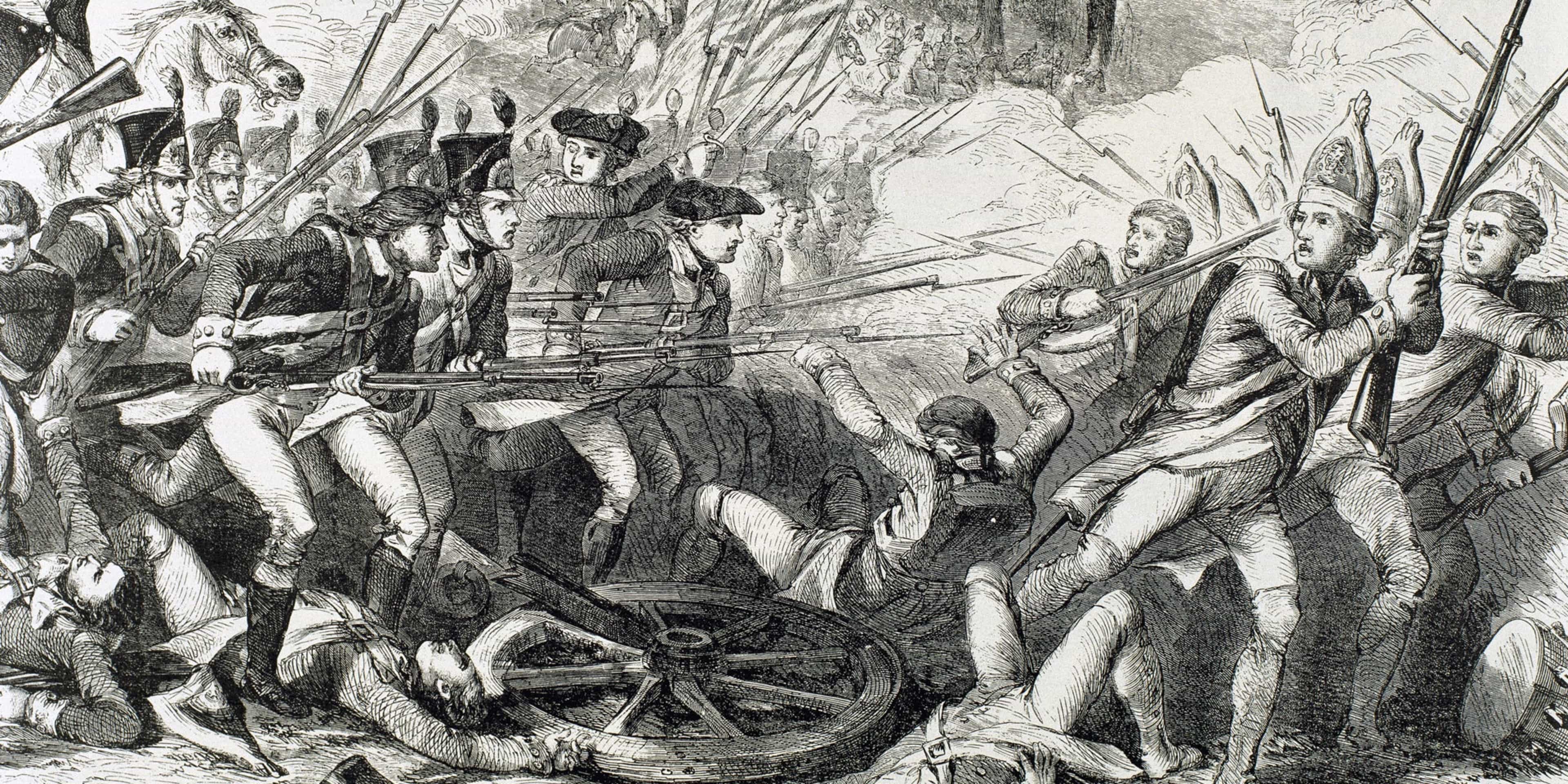
The Southern Strategy: Why the British Shifted Focus
For the first two years of the American Revolution, the British military focused its efforts primarily on the Northern and Mid-Atlantic regions. However, following their catastrophic defeat at the Battle of Saratoga in 1777 and the subsequent entry of France into the war as an American ally, the British command realized they needed a dramatic change in strategy. The conflict was no longer a localized colonial rebellion; it had escalated into a global war that stretched British resources across the world. In search of a decisive theater, British military planners turned their attention to the 13 colonies‘ southern region, particularly Georgia, South Carolina, and North Carolina.
The South was highly attractive to the British for several key reasons. Economically, the region produced valuable cash crops such as tobacco, indigo, and rice, which were crucial to the British mercantile system. Politically, London believed that the South was home to a massive, silent majority of Loyalists who would rise up to support the Crown if given military protection. Furthermore, the British planned to exploit the South’s deep racial anxieties. By offering freedom to enslaved people who fled their rebel masters, the British hoped to simultaneously decimate the patriot economy and bolster their own military ranks. This strategy, known as the Southern Strategy, sought to dismantle the rebellion from its economic and social foundations.
Chronological Timeline of the Southern Campaign (1778–1781)
The Southern Theater unfolded over three intense years, marked by dramatic shifts in momentum, brutal guerrilla skirmishes, and large-scale conventional battles. Here is the chronological sequence of the major events that defined the campaign:
- December 1778 – The Fall of Savannah: British forces under Lieutenant Colonel Archibald Campbell captured Savannah, Georgia, establishing a vital southern foothold for the Crown.
- June 1779 – The Philipsburg Proclamation: General Sir Henry Clinton issued a decree offering freedom to any enslaved person who escaped patriot captivity and joined the British forces. This dramatically escalated the social stakes of the war.
- May 12, 1780 – The Siege of Charleston: General Clinton captured the crucial port city of Charleston, South Carolina. More than 4,500 Continental soldiers were taken prisoner, marking the single greatest American military disaster of the war.
- May 29, 1780 – The Battle of Waxhaws: Loyalist forces led by Colonel Banastre Tarleton slaughtered surrendering Continental troops under Colonel Abraham Buford. This brutal event, known as “Buford’s Massacre,” became a powerful recruitment and propaganda tool for the patriots.
- August 16, 1780 – The Battle of Camden: British General Lord Cornwallis utterly routed the American army led by General Horatio Gates, leaving the patriot cause in the South seemingly in ruins.
- October 7, 1780 – The Battle of King’s Mountain: Backcountry patriot militia surrounded and destroyed a force of Loyalists led by Major Patrick Ferguson, shattering Loyalist morale and halting Cornwallis’s northward advance.
- January 17, 1781 – The Battle of Cowpens: Brigadier General Daniel Morgan utilized a brilliant “double envelopment” tactic to defeat Tarleton’s forces, destroying a major portion of Cornwallis’s light infantry.
- March 15, 1781 – The Battle of Guilford Courthouse: Cornwallis won a technical victory over Nathanael Greene, but at a devastating cost, losing nearly a third of his army in a classic Pyrrhic victory.
- September–October 1781 – The Siege of Yorktown: Trapped against the Virginia coast by combined American and French land forces and blocked by the French navy, Cornwallis surrendered on October 19, 1781, effectively ending major combat operations in North America.
Key Figures of the Southern Campaign
The outcome of the Southern Campaign was largely determined by the clash of brilliant, ruthless, and highly motivated commanders on both sides. Understanding their roles provides vital context to the conflict:
General Nathanael Greene
Often regarded as George Washington’s most capable strategist, Nathanael Greene took command of the battered Southern Department of the Continental Army in late 1780. Rather than engaging the British in risky, large-scale battles, Greene adopted a strategy of attrition. He famously wrote, “We fight, get beat, rise, and fight again.” By splitting his forces and cooperating closely with local partisan militias, Greene kept the British army in a constant state of pursuit, exhausting their supplies and eroding their numbers.
Brigadier General Daniel Morgan
A rough-and-tumble frontier fighter, Daniel Morgan was a master tactician. His crowning achievement came at the Battle of Cowpens, where he carefully deployed his militia and Continental regulars to exploit Tarleton’s aggressive tendencies. Morgan’s victory is still studied in military academies today as a textbook example of tactical brilliance. To understand the evolution of American military leadership before Washington took absolute charge of these dynamic operations, historians often look back at the early organizational struggles of the continental forces and who commanded the Continental Army before Washington.
Francis Marion (The “Swamp Fox”)
Operating in the lowcountry swamps of South Carolina, Francis Marion pioneered modern guerrilla warfare. Using a small, highly mobile band of horsemen, Marion launched nighttime raids on British supply lines and isolated outposts before vanishing back into the impenetrable swamps. His hit-and-run tactics kept the British in a state of constant paranoia and prevented them from establishing secure control over the backcountry.
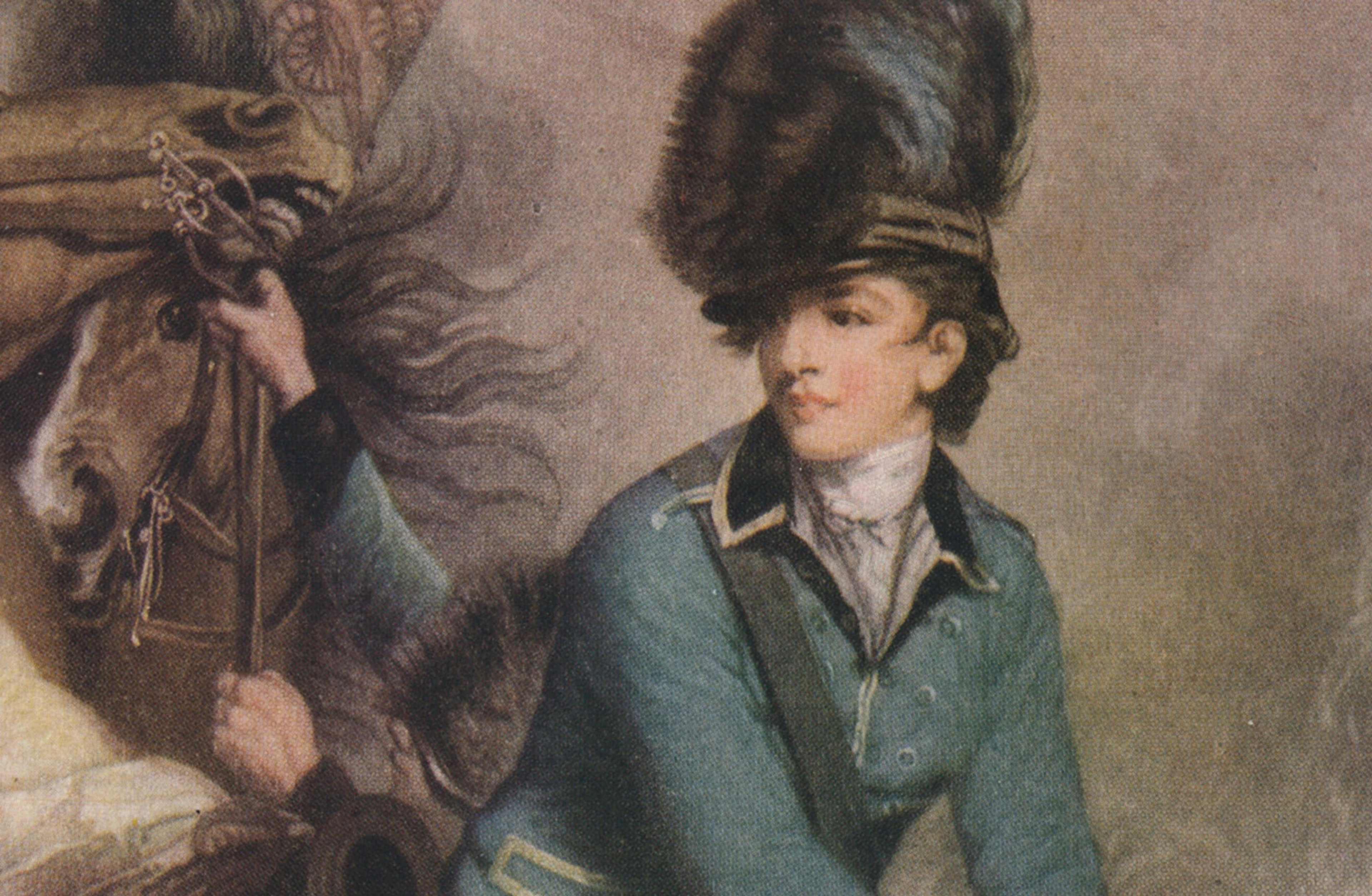
General Lord Charles Cornwallis
As the primary British commander in the South, Cornwallis was aggressive and ambitious. He believed that the only way to pacify South Carolina was to carry the war into North Carolina and Virginia. However, his aggressive pursuit of Nathanael Greene’s army over long distances stripped his men of provisions and left them vulnerable, ultimately leading him to the fatal trap at Yorktown.
Colonel Banastre Tarleton
The commander of the Loyalist British Legion, Tarleton was feared and despised by patriots for his ruthless tactics. His reputation for giving “no quarter” to surrendering soldiers galvanized patriot resistance. Tarleton’s aggressive, fast-moving cavalry was highly effective early in the campaign but was ultimately outmaneuvered by Daniel Morgan at Cowpens.
The Brutal Backcountry: A Savage Civil War
The Revolutionary War in the South was not just a conflict between professional armies; it was a savage civil war. Communities and families were deeply fractured. Neighbors raided neighbors, burning crops, slaughtering livestock, and executing prisoners. The violence in the backcountry of South Carolina was particularly horrific. Both sides engaged in scorched-earth campaigns that left a trail of devastation across the region.
This bitter division was actively fueled by the British decision to utilize Loyalist militias. While the British hoped these local forces would maintain order, it instead escalated the violence, as personal grudges and long-standing feuds were settled under the guise of military action. South Carolina alone suffered nearly twenty percent of all battlefield deaths during the entire Revolutionary War, the vast majority of which resulted from American-on-American violence.
Furthermore, the global nature of the war heavily influenced the Southern Campaign. With European powers joining the fray, the British had to constantly balance their forces between North America and other vital imperial assets, such as the sugar-producing islands in the Caribbean. The strategic diversion of troops and ships to the West Indies significantly weakened the British military presence in the American South, illustrating what role the Caribbean played in the Revolutionary War and its direct impact on the eventual American victory.
Major Turning Points: From Kings Mountain to Cowpens
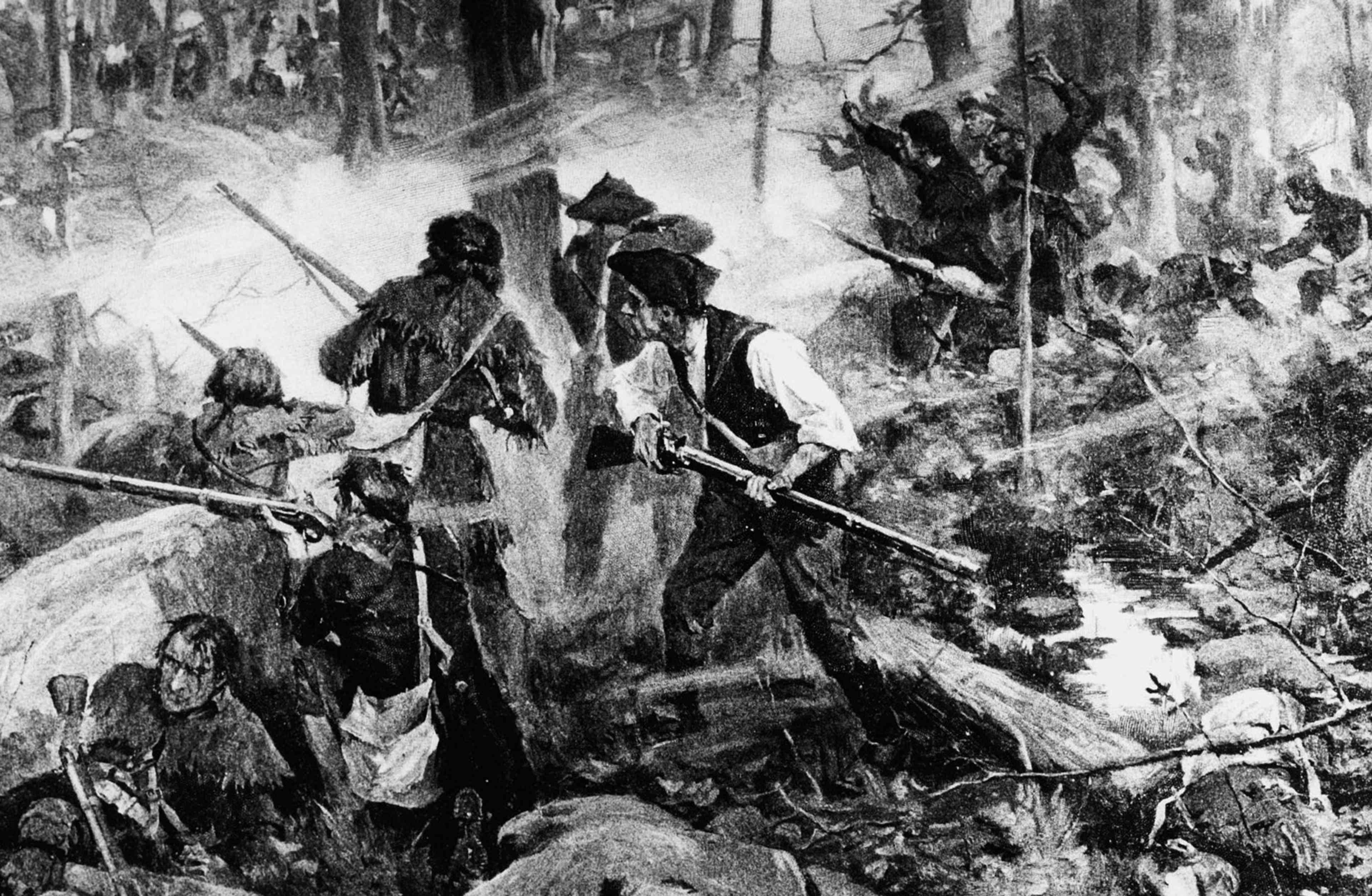
The tide of the Southern Campaign turned on two key battles fought just months apart. The first was the Battle of Kings Mountain in October 1780. A force of backcountry frontiersmen, known as the “Overmountain Men,” surrounded a Loyalist militia led by British Major Patrick Ferguson. The patriots, fueled by anger over British atrocities, refused to grant quarter to the surrendering Loyalists. Ferguson was killed, and his entire force was either killed or captured. This decisive victory boosted patriot morale and forced Cornwallis to abandon his initial invasion of North Carolina.
The second major turning point was the Battle of Cowpens in January 1781. Daniel Morgan’s brilliant victory over Banastre Tarleton’s forces resulted in the near-total destruction of Britain’s elite light infantry in the South. These two defeats stripped Cornwallis of his mobile forces, forcing him into a desperate and ultimately ruinous chase after Nathanael Greene that culminated in the Pyrrhic British victory at Guilford Courthouse and the subsequent retreat to Yorktown.
Lesser-Known Facts About the Southern Campaign
- The Tragedy of the Goforth Family: The bitter, brother-against-brother nature of the Southern Campaign is epitomized by the Goforth family of North Carolina. At the Battle of Kings Mountain, four Goforth brothers fought on the steep slopes of the mountain—three as Loyalists and one as a patriot. All four brothers died in the battle.
- The Largest Slave Escape in American History: The British promise of freedom attracted tens of thousands of enslaved people to their lines. While some served in military capacities, many suffered from disease and harsh treatment, and some were tragically sold back into slavery by British officers to fund military provisions. Nonetheless, this movement represented the largest mass escape of enslaved people prior to the American Civil War.
- The Saber Broken in Anger: Upon hearing the news of the catastrophic British defeat at Cowpens, General Cornwallis was reportedly so consumed by rage and grief that he snapped his own dress saber in two.
Long-Term Impact on America
The Southern Campaign had profound, long-lasting consequences for the trajectory of the United States. First, the victory solidified the southern borders of the new nation, ensuring that the wealthy agricultural regions of the South remained part of the United States rather than British colonies. Second, the heavy reliance on southern militias and local leaders forged a distinct regional identity and military tradition in the South that would persist for generations. Finally, the massive displacement of enslaved people during the conflict deeply shook the institution of slavery, highlighting the painful paradox of a nation fighting for “liberty” while maintaining a system of human bondage, a tension that would eventually culminate in the American Civil War.
Why It Still Matters Today
The history of the Southern Campaign remains highly relevant to modern discussions about warfare, strategy, and American identity. The successful use of guerrilla tactics by Francis Marion and other partisan leaders continues to be studied by modern military strategists as a classic example of asymmetrical warfare. Furthermore, the brutal civil conflict in the backcountry serves as a sobering reminder of how easily political polarization can descend into violence. Understanding the Southern Campaign allows us to appreciate that the birth of the United States was not a clean, unified struggle, but a complex, painful, and hard-fought victory that reshaped the global landscape.
People Also Ask (FAQs)
Why did the British shift their military strategy to the South?
The British shifted to the Southern Strategy because the war in the North had reached a stalemate, and the entry of France into the war forced Britain to redeploy forces globally. They believed they would find strong Loyalist support and valuable agricultural resources in the South to help fund and win the war.
Who was the “Swamp Fox” and why was he important?
Francis Marion, known as the “Swamp Fox,” was a South Carolina militia leader who pioneered guerrilla warfare. His hit-and-run attacks on British supply lines kept the Crown’s forces off-balance and prevented them from securing solid control over the Southern colonies.
How did the Southern Campaign lead to the end of the Revolutionary War?
The Southern Campaign exhausted the British army under Cornwallis. Through a series of costly battles like Guilford Courthouse, Cornwallis was forced to retreat to the coast at Yorktown, Virginia, for resupply. There, he was surrounded by American and French forces, leading to his surrender and the effective end of the war.


1 comment