The Townshend Acts of 1767 represent one of the most critical turning points in early American history, acting as a direct catalyst for the revolutionary flames that would soon consume the relationship between Great Britain and its North American territories. Passed by the British Parliament in the wake of the highly controversial Stamp Act, this series of measures sought to impose taxes on imported goods such as glass, lead, paint, paper, and tea. However, to the independent-minded colonists, who had spent decades developing their own local governing bodies across the 13 colonies, these acts were not merely fiscal burdens; they were a direct assault on their constitutional liberties. By attempting to bypass colonial assemblies and raise revenue without local consent, the British Crown ignited an unprecedented wave of unified resistance. From fiery boycotts orchestrated by the Sons of Liberty to influential protest pamphlets, the fallout from these laws permanently altered the political landscape. Understanding the Townshend Acts is essential for grasping how a dispute over trade duties transformed into an all-out war for independence, reshaping the global order forever.
Historical Background: The Fiscal Crisis of the British Empire
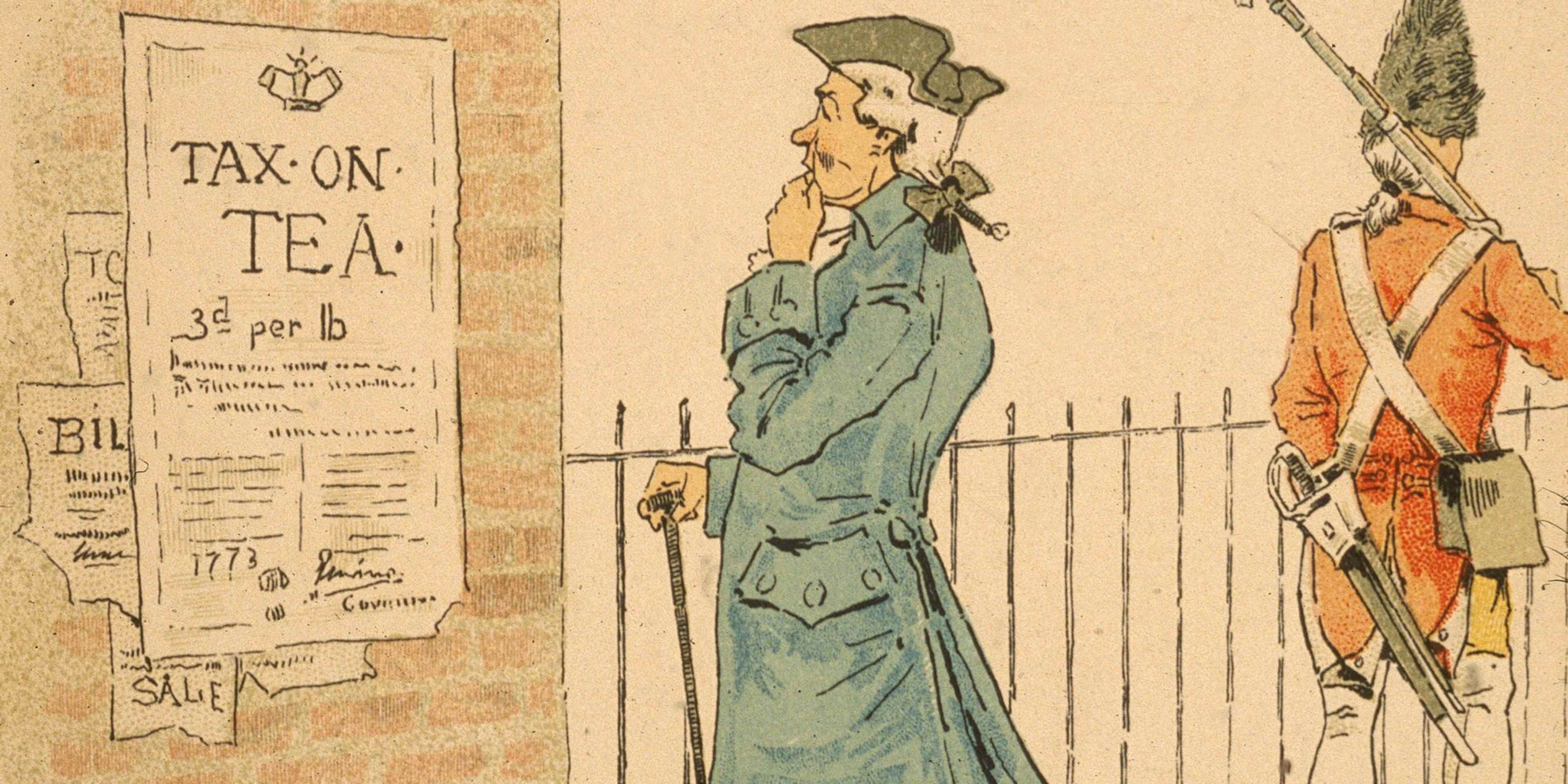
In 1763, Great Britain emerged victorious from the French and Indian War (the North American theater of the Seven Years’ War). While the Treaty of Paris cemented Britain’s status as the dominant global superpower, the conflict left the royal treasury severely depleted. The national debt had skyrocketed, and the British government faced the daunting task of maintaining and defending its vast, newly acquired territories in North America. To British policymakers, the solution seemed obvious and entirely fair: the American colonists, who had directly benefited from British military protection, should contribute to the cost of their defense. At the time, the average colonial resident enjoyed a remarkably high standard of living, yet paid less than one-twentieth the taxes of an ordinary citizen living in England.
However, early parliamentary attempts to raise revenue backfired spectacularly. The Stamp Act of 1765, which imposed a direct tax on virtually all printed paper, triggered widespread outrage, riots, and organized boycotts. Recognizing the untenable domestic unrest, Parliament repealed the Stamp Act in 1766. Yet, they simultaneously passed the Declaratory Act, asserting that Parliament possessed full authority to bind the colonies “in all cases whatsoever.” This political deadlock set the stage for the next wave of taxation—the Townshend Acts.
The Genesis of the Acts: Charles Townshend’s Plan
Following the repeal of the Stamp Act, the British government still desperately needed revenue. Enter Charles Townshend, the brilliant but impetuous Chancellor of the Exchequer. Townshend believed he had found a clever loophole in the colonists’ constitutional arguments. Benjamin Franklin, acting as an agent for the colonies in London, had previously suggested that colonists objected primarily to “internal” taxes (like the Stamp Act, which taxed goods within the colonies) but might accept “external” taxes (customs duties on goods imported from abroad).
Seizing upon this distinction, Townshend designed a package of import duties. In June 1767, Parliament passed the Townshend Acts, placing duties on popular British manufactured goods imported into the colonies, including glass, lead, paint, paper, and tea. These specific commodities were selected because they were difficult for the colonists to manufacture locally, ensuring a steady stream of revenue. Townshend estimated these duties would generate roughly 40,000 pounds annually, with the vast majority coming from the heavily consumed commodity of tea.
A Detailed Timeline of Key Events (1767–1770)
- June 15 – July 2, 1767: Parliament passes the Townshend Acts, including the Revenue Act and the Commissioners of Customs Act.
- September 4, 1767: Charles Townshend dies suddenly at age 42, never witnessing the historical storm his policies unleashed.
- November 20, 1767: The Townshend duties officially go into effect, provoking immediate backlash.
- December 1767: John Dickinson begins publishing his highly influential Letters from a Farmer in Pennsylvania, rallying colonists to resist the duties.
- February 1768: The Massachusetts House of Representatives passes the Massachusetts Circular Letter, urging other colonies to join the resistance.
- October 1, 1768: British troops arrive in Boston to enforce the custom laws and restore order.
- March 5, 1770: Tensions boil over into the Boston Massacre; on the same day, Prime Minister Lord North introduces a proposal to repeal the duties.
- April 1770: Parliament repeals all Townshend duties except for the tax on tea.
Anatomy of the Acts: Beyond Simple Taxation
While often discussed as a single tax, the Townshend Acts actually comprised several distinct legislative measures designed not only to raise money but also to radically restructure colonial governance. These measures included:
- The New York Restraining Act: Suspended the legislative assembly of New York for failing to comply with the Quartering Act of 1765, signaling that Parliament was willing to dissolve colonial self-government.
- The Revenue Act of 1767: Imposed the import duties on tea, glass, lead, paper, and paint. Crucially, the revenue raised was earmarked to pay the salaries of colonial governors and judges. Traditionally, colonial assemblies paid these salaries, which gave them leverage over royal officials (known as the “power of the purse”). By paying them directly from London, the Crown ensured these officials remained loyal to Britain, not the colonies.
- The Commissioners of Customs Act: Established the American Board of Customs Commissioners, headquartered in Boston. This new bureaucratic body was dedicated to aggressively enforcing trade regulations and stamping out smuggling.
- The Vice Admiralty Court Act: Created new maritime courts in Halifax, Boston, Philadelphia, and Charleston. These courts operated without juries, meaning colonists accused of smuggling were tried by royal judges who had a financial incentive to find them guilty.
Key Historical Figures and Their Legacies
Charles Townshend
As the chief architect of the acts, Charles Townshend sought to reassert parliamentary supremacy and solve Britain’s fiscal woes. Though his sudden death in September 1767 spared him from witnessing the colonial rebellion, his name became permanently synonymous with British tyranny in the American imagination.
John Dickinson
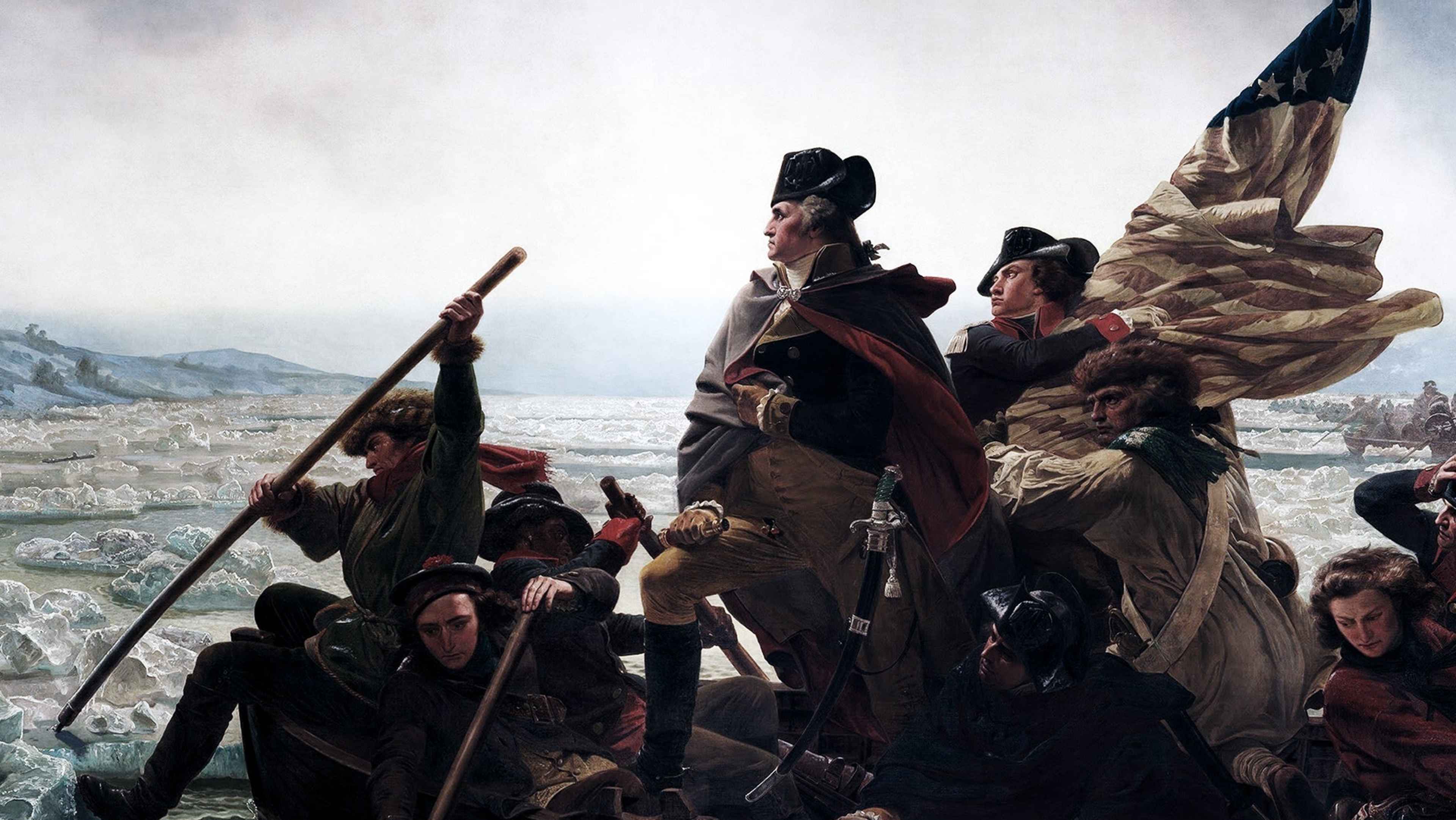
A moderate Pennsylvania lawyer and legislator, John Dickinson penned twelve essays titled Letters from a Farmer in Pennsylvania. Dickinson argued eloquently that while Parliament had the right to regulate imperial trade, it had no constitutional right to tax the colonies simply to raise revenue. His writings were instrumental in uniting the colonies under a shared intellectual and legal framework of resistance.
Samuel Adams
A master political organizer and a leading figure in the Sons of Liberty, Samuel Adams co-authored the Massachusetts Circular Letter. Adams utilized the heavy-handed enforcement of the Townshend Acts to mobilize working-class Bostonians and organize effective, long-lasting merchants’ boycotts. His efforts showed how colonial towns shaped history by transforming localized discontent into a coordinated, inter-colonial movement.
Turning Points: The Escalation to Violence
The implementation of the Townshend Acts completely transformed daily life in colonial cities, particularly Boston. To ensure customs officials could enforce the laws, the British government authorized “writs of assistance”—general search warrants that allowed officials to enter any home or business to search for smuggled goods without proving probable cause. This flagrant disregard for privacy angered merchants and citizens alike.
As protests and harassment of customs officials escalated, the British government responded by dispatching military forces. In October 1768, over 2,000 heavily armed British soldiers arrived in Boston to occupy a town of only 16,000 residents. The presence of a standing army in peacetime deeply alarmed the colonists, who viewed the soldiers as an occupying force rather than protectors. Daily friction between soldiers and citizens led to street fights, vandalism, and intense mutual hostility. This pressure cooker environment exploded on March 5, 1770, in the Boston Massacre, when a confrontation outside the custom house resulted in British soldiers firing into an angry mob, leaving five colonists dead.
Long-Term Impact: Uniting the Colonies
Though the British Parliament ultimately repealed most of the Townshend duties in April 1770 due to the devastating economic impact of colonial boycotts, they deliberately kept the tax on tea as a symbol of parliamentary sovereignty. This decision proved to be a fatal miscalculation. The tea tax remained a constant source of friction, eventually leading to the Boston Tea Party of 1773, the punitive Intolerable Acts of 1774, and the outbreak of the Revolutionary War at Lexington and Concord in 1775.
More importantly, the struggle against the Townshend Acts fostered a newfound sense of unity among the colonies. Prior to 1767, the colonies functioned largely as isolated entities with distinct economies and cultures. The shared experience of resisting these acts forced them to build communication networks, such as the Committees of Correspondence, and align their political philosophies. This era transformed regional British subjects into a unified, self-conscious American people. For more context on these early years, exploring the various facts about the 13 colonies reveals how deeply these regional differences were bridged by the shared struggle against imperial taxation.
Lesser-Known Facts About the Townshend Acts
- A Tremendous Fiscal Failure: The acts were designed to raise revenue, but the economic boycotts cost British merchants hundreds of thousands of pounds. The military enforcement of the acts cost far more than the duties ever collected, making the policies an absolute financial disaster for the British treasury.
- The Rise of the Daughters of Liberty: While the Sons of Liberty dominated the political headlines, colonial women were the backbone of the boycotts. Known as the Daughters of Liberty, they organized spinning bees to produce homespun clothing, boycotted British tea in favor of local herbal alternatives, and ensured that households remained self-sufficient during the non-importation agreements.
- Franklin’s Failed Advice: Benjamin Franklin actually helped inspire the structure of the Townshend Acts by telling Parliament that colonists only objected to “external” taxes. This miscommunication led Charles Townshend to believe that external trade duties would be accepted without protest, failing to realize the deep philosophical shift occurring in America.
Why It Still Matters Today
The legacy of the Townshend Acts is woven into the fabric of modern American democracy. The colonists’ fierce resistance to the writs of assistance directly inspired the creation of the Fourth Amendment to the United States Constitution, which protects citizens against unreasonable searches and seizures. Furthermore, the debate over “taxation without representation” laid the groundwork for the constitutional principles of popular sovereignty and limited government. The Townshend Acts serve as a powerful historical reminder of how economic policies, when disconnected from the consent of the governed, can destabilize even the most powerful empires in the world.
People Also Ask
What was the main purpose of the Townshend Acts?
The primary purpose of the Townshend Acts was to raise revenue from the American colonies to help pay down Britain’s massive war debt and to fund the salaries of royal governors and judges, thereby ensuring their loyalty to the British Crown rather than local colonial assemblies.
How did the colonists react to the Townshend Acts?
The colonists reacted with outrage, organizing widespread boycotts of British goods (non-importation agreements), publishing protest literature like John Dickinson’s letters, and engaging in street protests, which eventually led to the military occupation of Boston and the Boston Massacre.
Which of the Townshend Acts was not repealed?
The tax on tea was the only portion of the Townshend duties that was not repealed in 1770. Parliament kept the tea tax to assert its absolute right to tax the colonies, which eventually led to the Boston Tea Party of 1773.
Conclusion
The Townshend Acts of 1767 were far more than a simple dispute over import duties. They represented a profound clash of political philosophies: Britain’s insistence on absolute parliamentary sovereignty versus the American colonists’ developing belief in self-determination and local representation. By attempting to strip colonial assemblies of their financial power and enforcing unpopular laws at the point of a bayonet, the British government unwittingly forged a unified American identity. The legacy of this conflict shaped the United States Constitution and remains a cornerstone of the American democratic tradition.


