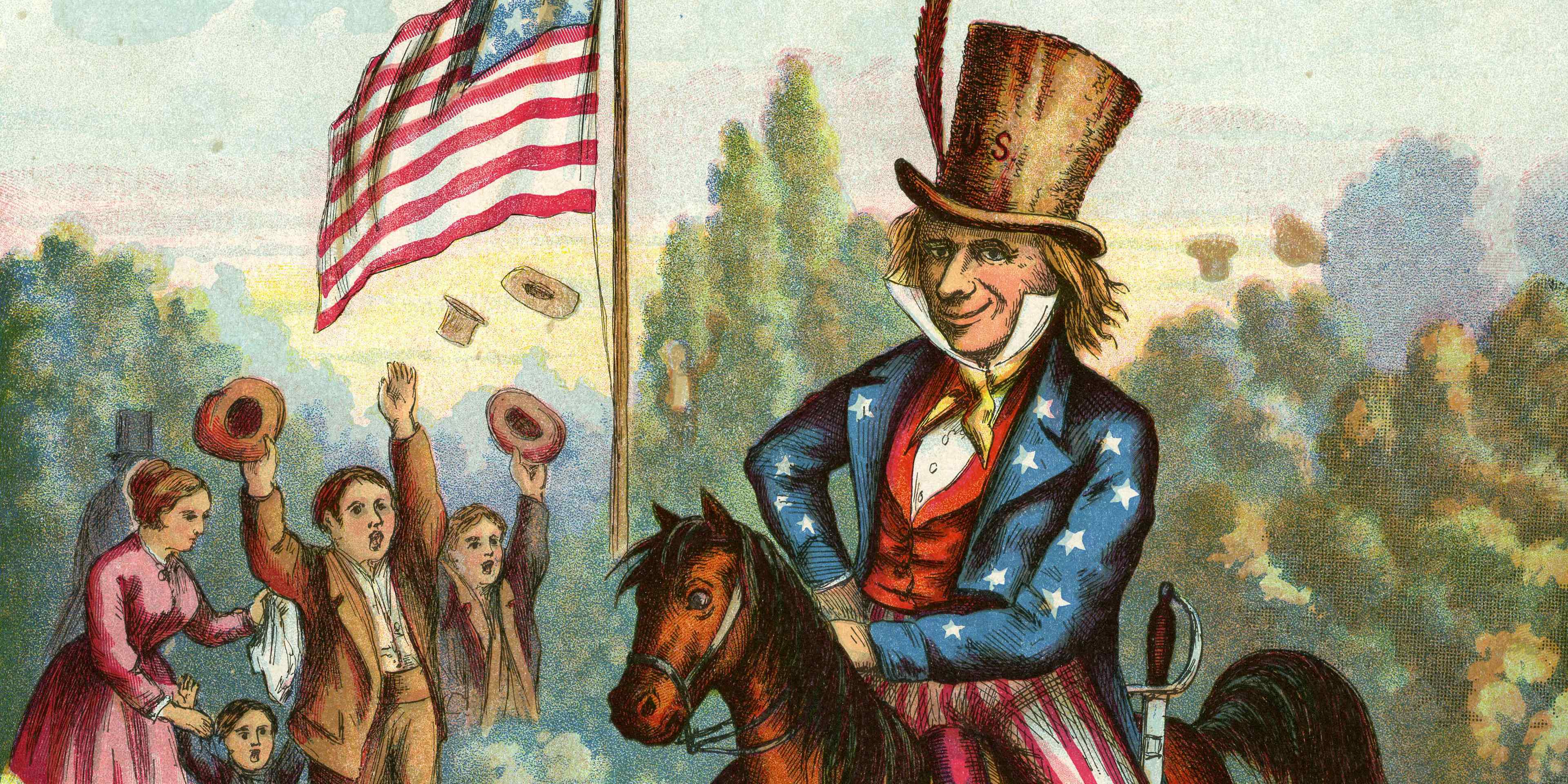
If you have ever hummed the jaunty tune of “Yankee Doodle”, you have likely scratched your head at its famously bizarre lyrics. Why on earth would someone stick a feather in their cap and call it “macaroni”? Far from being a nonsensical children’s rhyme about pasta, this iconic lyric is actually one of the oldest and most successful “diss tracks” in global history. Originating as a biting British insult designed to mock the supposed lack of class, fashion, and intelligence among colonists in the thirteen American colonies, the song was eventually reclaimed by American patriots who transformed it into an enduring anthem of revolutionary defiance. Understanding this transformation offers a fascinating window into the sociopolitical tensions, class warfare, and cultural clashes of the 18th century.
Historical Background: The Birth of a Satirical Anthem
The origins of “Yankee Doodle” date back to the mid-18th century during the French and Indian War (1754–1763), the North American theater of the global Seven Years’ War. At this time, professional British soldiers—clad in immaculate, bright red uniforms and highly polished gear—fought alongside local American colonial militias. To the highly disciplined and elitist British officers, these colonial soldiers appeared to be nothing more than a disorganized, ragtag mob of country bumpkins and simple farmers.
According to historical tradition, around 1755, a British Army surgeon named Dr. Richard Shuckburgh was stationed at Fort Crailo in Rensselaer, New York. Amused and appalled by the disheveled appearance of the Connecticut militia under the command of Colonel Thomas Fitch, Shuckburgh penned satirical lyrics to a well-known European folk tune. His goal was simple: to mock the colonists’ lack of military bearing and sophisticated manners. He portrayed them as cowardly, simple-minded, and utterly delusional about their own status.
Decoding the Vocabulary: Yankees, Doodles, and Macaronis
To fully appreciate the sting of the original song, one must decode the 18th-century slang that makes up its famous chorus:
What is a “Yankee”?
While the exact etymology remains a subject of scholarly debate, most historians believe “Yankee” originated from Dutch colonial nicknames in the New York region. It likely derives from “Janke” or “Janneke” (meaning “Little John”) or “Jan Kaas” (“John Cheese”). The British seized upon this regional slang as a derogatory blanket term for any colonial American, painting them as rustic, low-class provincials.
The Meaning of “Doodle”
In the 17th and 18th centuries, the word “doodle” did not refer to a casual drawing. Instead, it was derived from the Low German words dudel or dödel, meaning a “fool”, “simpleton”, or “trifling fellow”. By calling an American a “Yankee Doodle”, the British were explicitly calling them a country idiot.
The “Macaroni” Craze of 18th-Century London
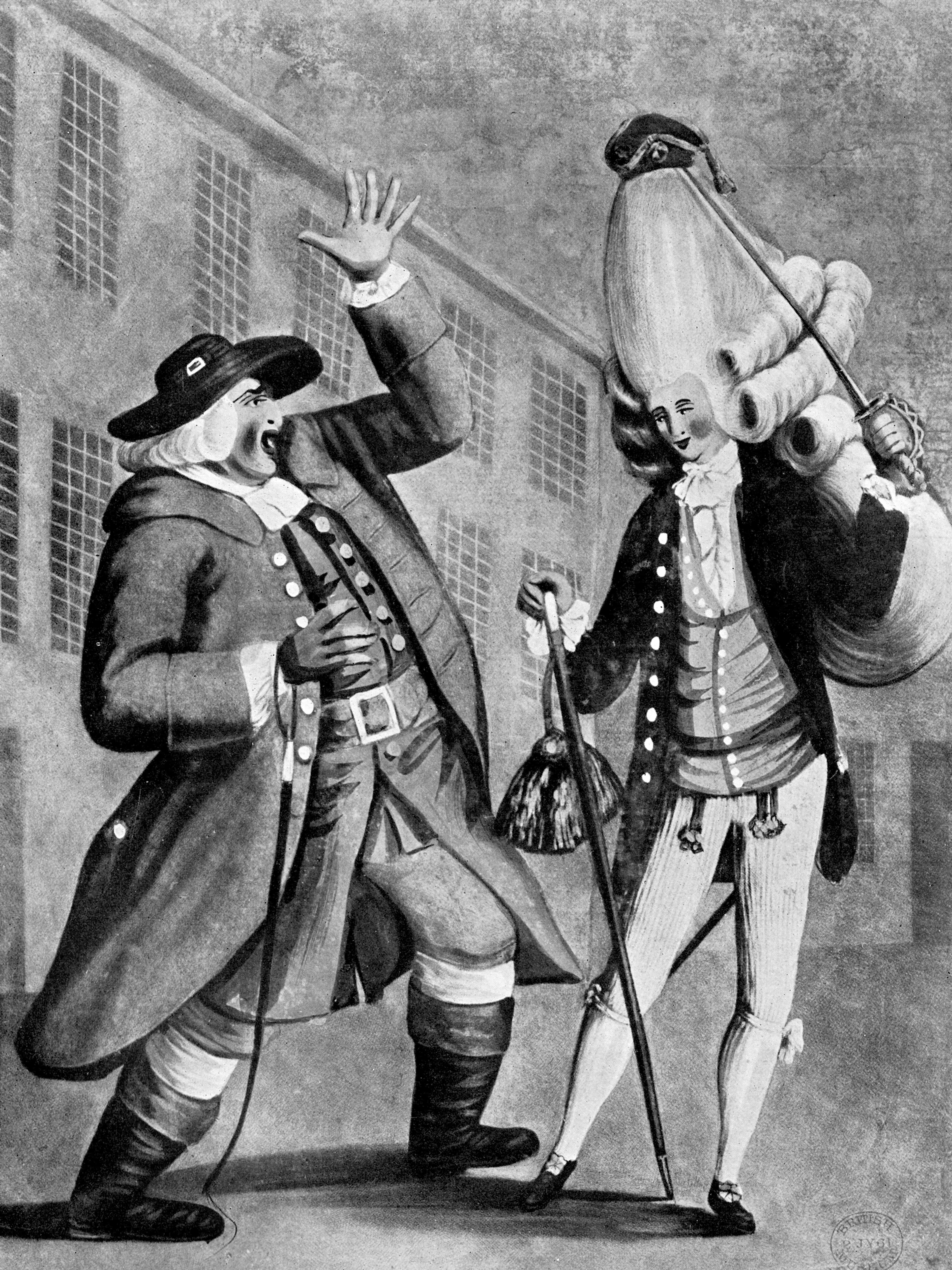
The most confusing word for modern listeners is “macaroni”. In 1760s London, “macaroni” did not refer to the curved elbow pasta we eat today, but rather to an extreme, flamboyant fashion subculture. Wealthy young English aristocrats who embarked on the Grand Tour of mainland Europe returned to London with a taste for exotic continental fashion, art, and Italian pasta. They formed an informal group called the “Macaroni Club”.
These “macaroni men” wore absurdly tight-fitting pastel coats, towering powdered wigs topped with tiny hats, red-heeled shoes with massive buckles, and carried fancy spyglasses. They represented the peak of metropolitan sophistication—and ridiculous excess. Thus, when the song says Yankee Doodle “stuck a feather in his cap and called it macaroni”, it was mocking the colonist’s naive belief that simply putting a cheap feather in his hat made him as fashionable and sophisticated as a high-society London macaroni. It ridiculed the rustic simplicity of the everyday objects of colonial America, suggesting the colonists had no concept of true cosmopolitan style.
Timeline of a Song’s Evolution
The journey of “Yankee Doodle” from a military insult to a patriotic anthem is marked by several key dates:
- 1755: Dr. Richard Shuckburgh composes the earliest satirical verses of the song at Fort Crailo during the French and Indian War.
- 1760s: The “Macaroni” fashion craze sweeps London, cementing the slang term for an ultra-fashionable fop.
- 1768: British troops arrive in Boston playing “Yankee Doodle” to taunt the local populace as tensions rise over taxation.
- 1775: On April 19, British soldiers march to the Battles of Lexington and Concord, playing the tune to mock the colonial minutemen. However, after the colonists force a British retreat, the victorious Americans reclaim the song and sing it back at their fleeing foes.
- 1777: American forces play “Yankee Doodle” during the surrender of British General John Burgoyne at the Battle of Saratoga.
- 1781: At the Battle of Yorktown, as Lord Cornwallis’s army surrenders to George Washington, the French forces play “Yankee Doodle” to mock the defeated British.
- 1978: “Yankee Doodle” is officially designated as the state song of Connecticut, cementing its permanent place in American statehood.
Key Figures Behind the Legend
Several notable historical figures played pivotal roles in creating, inspiring, and popularizing the song:
Dr. Richard Shuckburgh: A British army physician who first combined the satirical lyrics with the traditional tune, attempting to create a lasting joke at the expense of the colonists. Instead, he unwittingly created the foundations of America’s first national anthem.
Colonel Thomas Fitch: The commander of the Connecticut volunteers during the French and Indian War. When Fitch arrived in Albany, his sister Elizabeth reportedly noticed the ragtag state of the troops’ uniforms and handed them feathers to put in their hats to give them some sense of uniformity. This specific incident is widely believed to have inspired Shuckburgh’s “feather in his cap” lyric.
General George Washington: While Washington struggled to maintain discipline among his poorly equipped Continental Army, he recognized the immense value of morale. Under his leadership, the army embraced “Yankee Doodle” as a psychological weapon to boost colonial spirits and unnerve the British.
Major Turning Points: Reclaiming the Insult
The ultimate turning point in the history of “Yankee Doodle” occurred during the opening salvos of the American Revolutionary War. British troops had long used the song to harass Bostonians, often singing offensive and obscene versions outside colonial churches. When the British marched toward Concord on April 19, 1775, they did so to the tune of “Yankee Doodle”, confident they would easily crush the rebellion.
But when the poorly trained “doodles” successfully stood their ground and sent the British army retreating in panic back to Boston, the narrative flipped. The victorious colonial militias realized that they could neutralize the insult by embracing it. They began singing “Yankee Doodle” with pride, effectively saying: “You think we are simple country bumpkins? Well, those country bumpkins just defeated the greatest military empire on Earth.” This act of musical jujitsu transformed the song into an anthem of defiance and pride.
Long-Term Impact on America
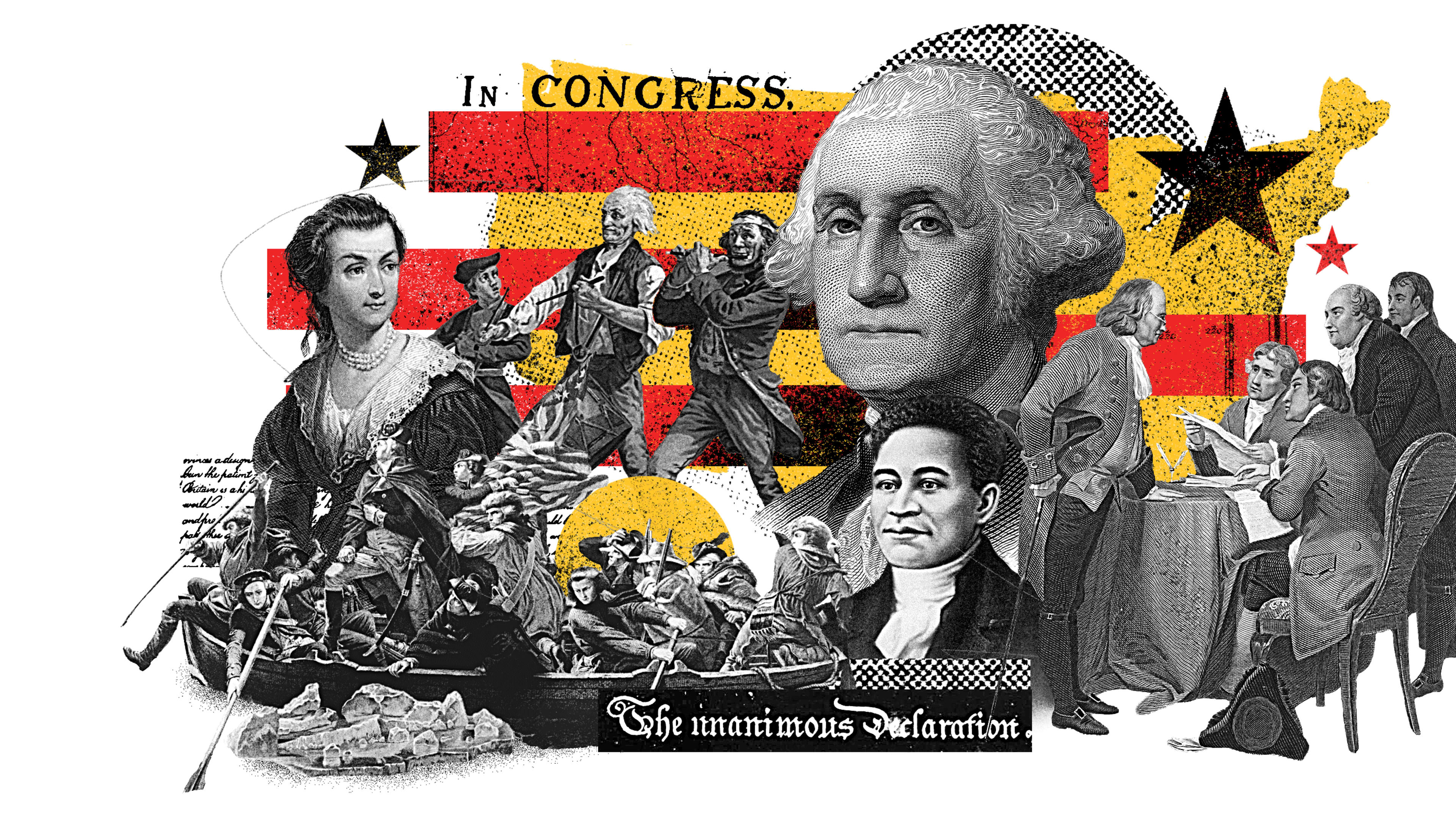
The cultural legacy of “Yankee Doodle” is profound. By taking ownership of a derogatory term, early Americans established a unique national identity rooted in humility, resourcefulness, and self-deprecating humor. This tradition of reclaiming slurs and using them as badges of honor remains a powerful element of American social and political movements to this day.
Furthermore, the song helped popularize the archetype of the “Yankee”—the clever, pragmatic, and unpretentious American who outsmarts the elitist, overly decorated European. This archetype would later influence legendary American writers like Mark Twain and Washington Irving, shaping the literary landscape of the young republic. Exploring the history of the 13 colonies highlights how these cultural divides eventually forged a unified national spirit.
Lesser-Known Historical Facts
- Ulysses S. Grant’s Tone Deafness: Civil War General and U.S. President Ulysses S. Grant famously disliked music and claimed to be completely tone-deaf. He once remarked, “I know only two tunes. One is ‘Yankee Doodle’ and the other isn’t.”
- The Melody’s Ancient Origins: While the lyrics are 18th-century, the upbeat melody is much older. Scholars have traced the tune to medieval European folk songs, including a 15th-century Dutch harvest song called “Yanker, didel, doodle down,” which farmworkers sang to secure rations of buttermilk and grain.
- The British Tried to Ban It: At the surrender of Yorktown in 1781, the defeated British requested that their conquerors not play “Yankee Doodle” because they found it too humiliating. The Americans, of course, played it anyway, accompanied by their French allies.
Why “Yankee Doodle” Still Matters Today
Today, “Yankee Doodle” is often viewed as a simple children’s song or a quaint patriotic tune. However, it stands as the earliest recorded example of American protest music. It represents the power of reclaiming one’s narrative in the face of mockery and oppression. In an age where digital media is dominated by “call-out culture” and “diss tracks,” the story of Yankee Doodle proves that using humor, satire, and music to dismantle elitist hierarchies is a time-honored American tradition.
People Also Ask
Who wrote the song Yankee Doodle?
The lyrics to the earliest version of the song are traditionally attributed to Dr. Richard Shuckburgh, a British Army surgeon, who wrote them around 1755 during the French and Indian War to mock colonial soldiers.
What does the word “macaroni” mean in the song?
In the 18th century, “macaroni” referred to an extravagant, flamboyant fashion trend in London where young aristocrats wore tight clothes, high wigs, and behaved with theatrical sophistication. The song mocks the colonist for thinking a simple feather made him look like a sophisticated macaroni.
Is Yankee Doodle the official song of any state?
Yes, “Yankee Doodle” was officially adopted as the state song of Connecticut in 1978.
Conclusion: The Triumph of the Underdog
In the end, “Yankee Doodle” is much more than a historical curiosity. It is a musical monument to the birth of the American spirit. By taking a song meant to mock their poverty and lack of sophistication, and transforming it into a battle cry of freedom, the early colonists proved that true nobility is not defined by towering wigs, fine lace, or “macaroni” fashion. Instead, it is forged in the courage to stand up against tyranny, wear a feather with pride, and march to the beat of your own drum.


