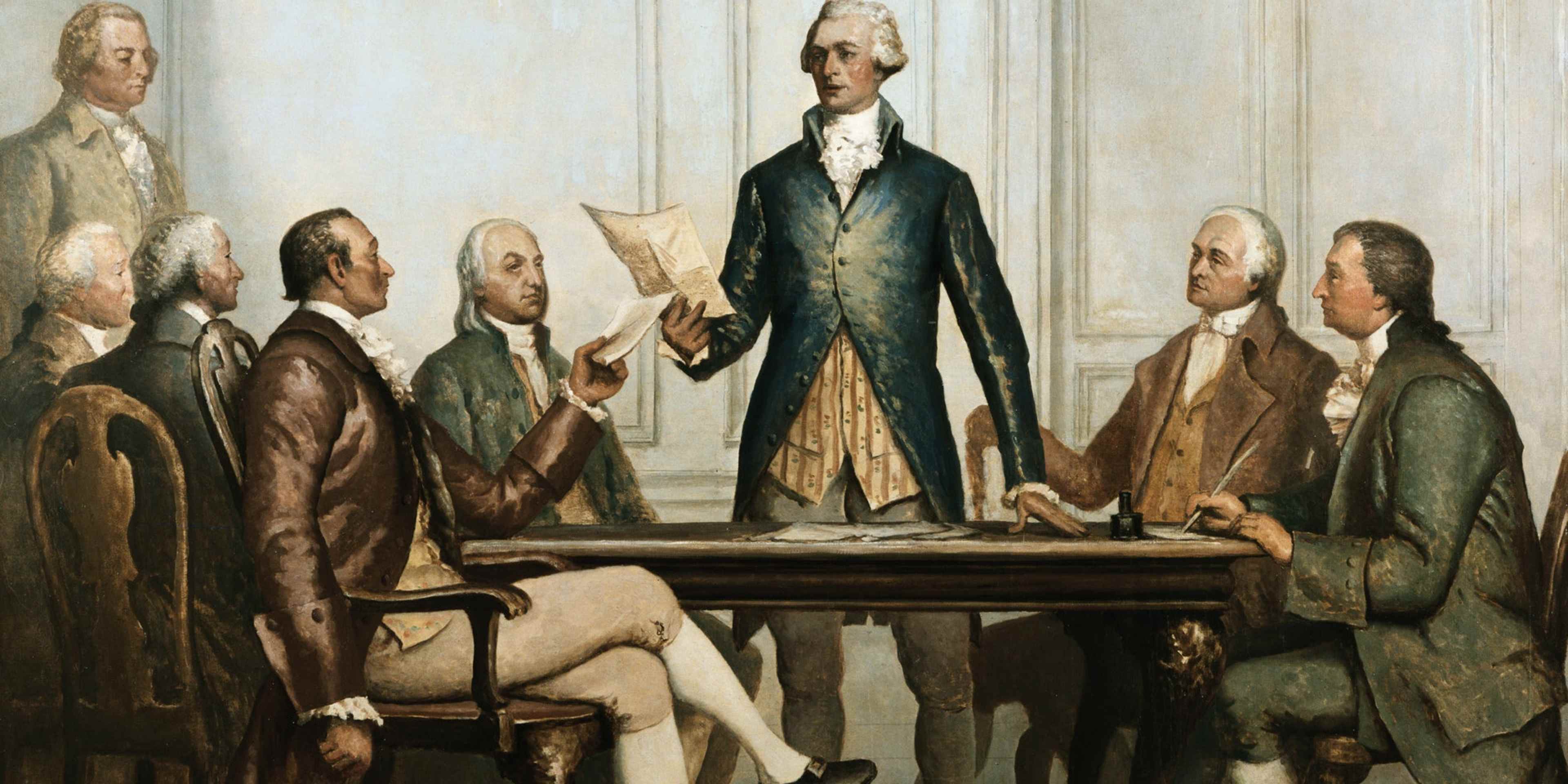
When America’s Founding Fathers gathered in Philadelphia in July 1776 to sign the Declaration of Independence, they famously pledged “our lives, our fortunes and our sacred honor.” We often remember their lives and their honor, but we rarely examine the realities of their fortunes. The Founding Fathers finances American Revolution connection is a story of immense risk, staggering debt, and unprecedented patriotism. Far from being a war fought solely by impoverished farmers, the American Revolution was bankrolled, guided, and sometimes personally guaranteed by some of the wealthiest elites in the colonies. Understanding how these men made their livings, how they gambled their estates, and what they ultimately lost reveals a deeply human side to the struggle for independence.
The Economic Causes of the Revolutionary War
To understand the financial stakes of the conflict, one must look at the mercantilist system of the British Empire. Under this system, the American colonies were treated as sources of raw materials and captive markets for British manufactured goods. Decades of “salutary neglect” had allowed colonial merchants and land speculators to build impressive fortunes. However, following the expensive French and Indian War, Parliament sought to recoup its losses by taxing the colonies directly through the Stamp Act, Townshend Acts, and the Tea Act.
For wealthy elites, these taxes were not just a minor nuisance; they threatened the very foundation of colonial commerce. Merchants like John Hancock saw their shipping empires squeezed, while land speculators like George Washington found their westward ambitions blocked by the Proclamation of 1763. This economic pressure, combined with intellectual arguments over “no taxation without representation,” turned wealthy colonial landowners and merchants into radical revolutionaries. They understood that a war would disrupt trade and destroy property, but they believed the long-term potential of a self-governing nation was worth the financial gamble.
A Timeline of Financial Risk and Revolutionary Funding
The struggle to fund the Continental Army was a continuous crisis. The following key timeline highlights how private capital and public debt shaped the war’s trajectory:
- 1775: The Second Continental Congress convenes. Facing a lack of hard currency, Congress begins issuing “Continental currency,” which rapidly depreciates due to inflation and a lack of taxing power.
- 1776: The Declaration of Independence is signed. Wealthy merchants risk immediate seizure of their ships and assets by British forces.
- 1777: Benjamin Franklin arrives in France to secure vital loans and military alliances, leveraging his international reputation to keep the American war effort afloat.
- 1781: Robert Morris is appointed Superintendent of Finance. He establishes the Bank of North America to stabilize the economy and personally backs the public debt to prevent the Continental Army from mutinying.
- 1787: The Constitutional Convention meets in Philadelphia. The financial wreckage of the war, including massive public debt and economic depression, drives the creation of a stronger federal government with the power to tax.
Five Founders and Their Financial Sacrifices
Benjamin Franklin: The Self-Made Speculator and Diplomat
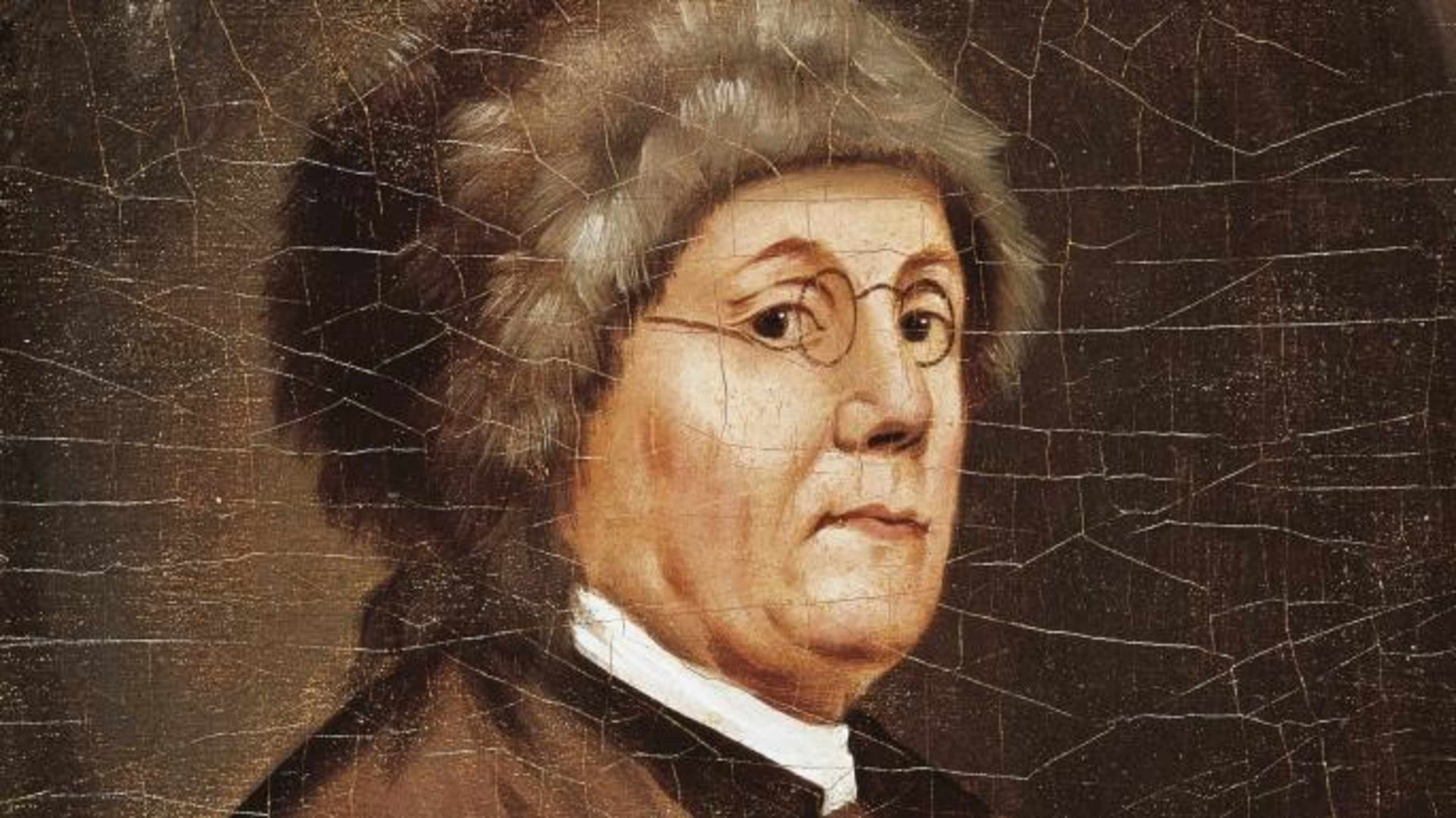
Benjamin Franklin, the tenth son of a humble soap maker, was the quintessential self-made man. He built his wealth through his legendary printing empire, publishing best-sellers like Poor Richard’s Almanack and prominent colonial newspapers. Before Ben Franklin grew his empire through the Pennsylvania Gazette, the landscape of colonial print media had evolved significantly from America’s first newspaper, which struggled to survive. Franklin invested his profits into 89 rental properties in Philadelphia and extensive frontier land speculation. By his 40s, Franklin retired from active business as one of the wealthiest men in America, pulling in an annual income equivalent to roughly $300,000 today.
However, the war severely damaged Franklin’s financial portfolio. While he was in France serving as America’s lead diplomat, British troops captured Philadelphia, trashed his rental properties, and looted his personal home. Despite these losses, Franklin’s diplomatic success secured the French alliance that ultimately won the war. Upon his departure from France, King Louis XVI gifted him a snuffbox encrusted with 401 diamonds. This valuable gift raised eyebrows at the Constitutional Convention, leading directly to the inclusion of the strict Emoluments Clause in the U.S. Constitution to prevent foreign influence. Ever honest, Franklin offered the diamonds to the nation, and Congress permitted him to keep them.
George Washington: The Land-Rich, Cash-Poor Commander
George Washington was a master of land speculation, accumulating over 50,000 acres of frontier territory. By marrying Martha Dandridge Custis, one of the wealthiest widows in Virginia, he elevated his status and diversified the operations at Mount Vernon, shifting from tobacco to wheat and launching a highly profitable commercial whiskey distillery. When the Continental Congress selected George Washington, many wondered who commanded the Continental Army before Washington took the reins. Washington accepted the role but famously refused a salary, asking only that his personal expenses be reimbursed.
This decision proved incredibly costly. Over eight years of war, Washington paid out $160,074 (equivalent to $5 million today) of his own money to fund a massive spy network, maintain his headquarters, and feed his staff. Although Congress eventually reimbursed him, they did so in worthless, highly inflated Continental currency. Meanwhile, British raids devastated Mount Vernon, carrying off livestock and seventeen enslaved workers. Due to the neglect of his estates during his long absence, Washington lost nearly half of his net worth. By 1787, the cash-strapped general had to borrow money from a neighbor just to travel to the Constitutional Convention, and his acceptance of the presidency was largely motivated by his need for a reliable salary to rescue his retirement.
John Hancock: The Radical Merchant Prince
John Hancock did not start from scratch; he was adopted by his wealthy uncle, a prominent Boston merchant, and inherited a massive import-export business. Hancock expanded the enterprise by building ships to carry whale oil to Great Britain and importing highly coveted consumer goods. Using his vast wealth, Hancock earned immense popularity by funding municipal services for Boston’s poor and bankrolling early revolutionary activities.
Hancock spent over £100,000 of his own fortune to equip local militia companies and lead protests against British taxation. Following the Boston Tea Party, he went so far as to ship all the tea in his warehouses back to England at his personal expense to prove his commitment to the boycott. When British troops marched on Lexington and Concord, Hancock fled with a carriage literally stuffed with gold, silver, and negotiable notes to help fund the Continental Congress. His bold signature on the Declaration of Independence was a literal “John Hancock” to the King, signaling that the wealthiest merchant in New England was ready to forfeit everything for liberty.
Robert Morris: The Financier Who Died in Debtors’ Prison
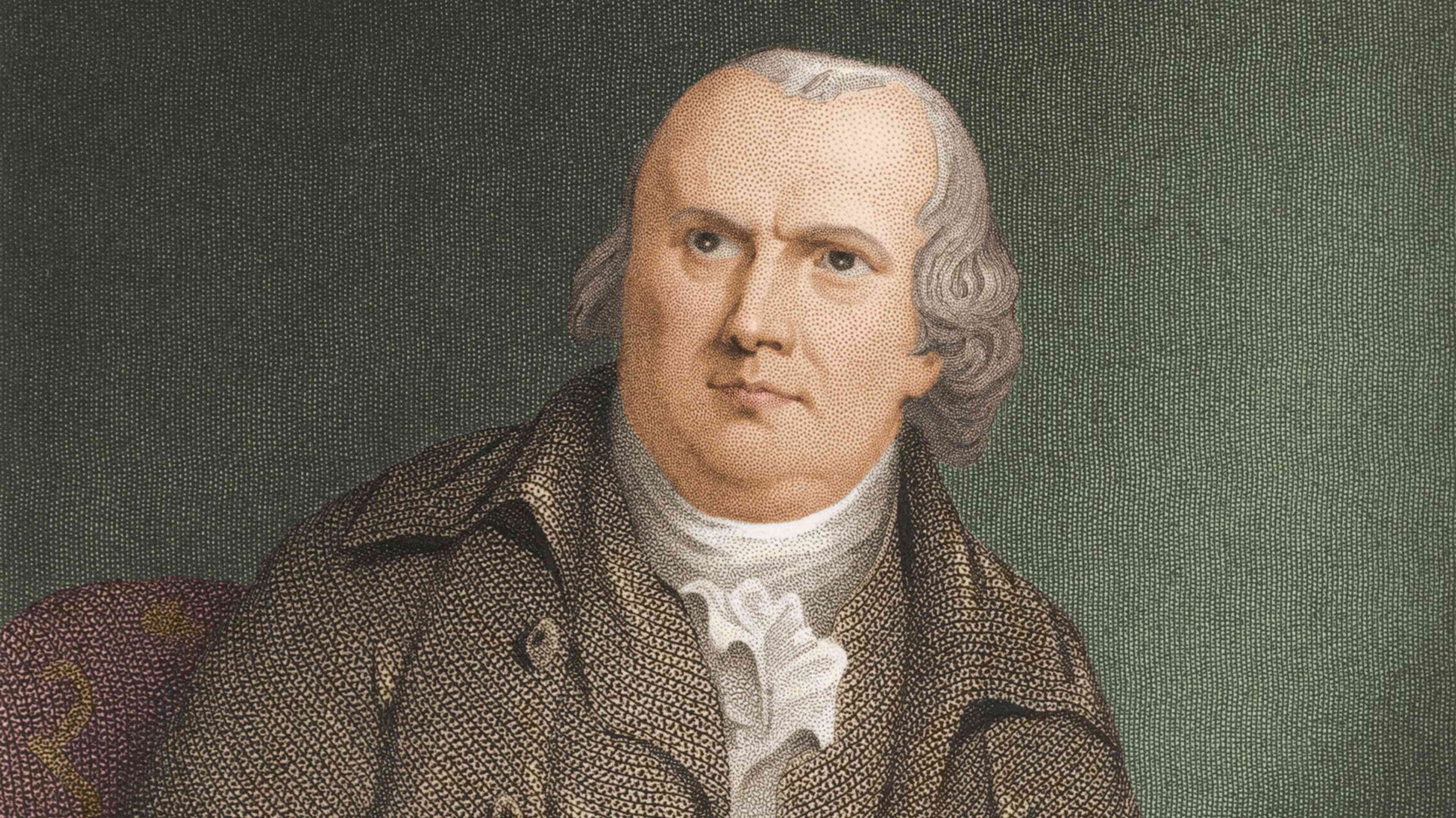
Often referred to as the “Financier of the Revolution,” Robert Morris was an international merchant prince based in Philadelphia. During the war, Morris was tasked by Congress with creating a naval committee. He utilized his international connections to import vital military munitions and heavily invested in privateering—commissioning armed civilian ships to raid British merchant vessels. These privateering ventures yielded millions in profits, which Morris reinvested back into the revolutionary cause.
By 1781, Continental currency was completely worthless, and the American treasury was empty. To prevent mutiny among soldiers demanding back pay, Morris took an extraordinary risk: he issued 6,000 personal notes, stamped “Public Debt” and signed by his own hand, totaling hundreds of thousands of dollars. His personal credit literally kept the army in the field. Tragically, the post-war era was unkind to Morris. He speculated heavily in western lands and real estate in the newly designated federal capital. When the market collapsed during a severe post-war depression, Morris went bankrupt and spent three years in a debtors’ prison, just blocks away from where he had signed the Declaration of Independence.
Thomas Jefferson: The Brilliant Writer Plagued by Debt
Thomas Jefferson’s financial life was a paradox of intellectual brilliance and fiscal recklessness. Educated as a lawyer, he abandoned his practice after marrying Martha Wayles Skelton, the daughter of a wealthy slave trader. Along with substantial land and enslaved laborers, Jefferson inherited massive debts to British merchants. He was a compulsive consumer, spending lavishly on the construction of his beloved mountaintop estate, Monticello, as well as European books, fine wines, and art.
Elected to the Virginia House of Burgesses, Jefferson used his sharp pen to draft the Declaration of Independence. However, his political service took him away from his plantations. During the war, British forces pillaged his property, destroying crops and stealing horses. Jefferson used these losses to justify his refusal to pay his pre-war British creditors, but his debts continued to balloon. After serving as minister to France, where he far outspent his salary, it cost him $80,000 just to ship his purchased books and artworks back to America. Jefferson remained deeply in debt for the rest of his life, and upon his death, his family was forced to sell Monticello and his enslaved laborers to satisfy his creditors.
Major Financial Turning Points of the War
The American Revolution was won not just on the battlefields of Saratoga and Yorktown, but in the accounting ledgers of Europe and Philadelphia. Three major financial turning points secured American victory:
- The Rise of Privateering: Lacking a proper navy, Congress authorized private merchants to raid British shipping. This turned war into a profitable venture for wealthy investors like Robert Morris and disrupted British trade routes, putting immense political pressure on Parliament.
- The French Alliance: Benjamin Franklin’s diplomatic efforts in Paris secured millions of livres in direct loans and military equipment from King Louis XVI. Without this injection of hard cash and French naval support, the colonial economy would have collapsed.
- The Personal Credit of Robert Morris: When the domestic economy flatlined in 1781, Morris’s decision to back the national debt with his personal name restored confidence and allowed the Continental Army to march to Yorktown for the decisive final battle.
Long-Term Impact on the American Republic
The financial struggles of the Revolutionary War directly dictated the design of the United States government. Under the Articles of Confederation, the central government lacked the power to levy taxes, leading to economic chaos, inflation, and Shays’ Rebellion—an uprising of debt-ridden farmers. This economic instability convinced the Founders that a stronger federal constitution was vital.
The resulting U.S. Constitution gave the federal government the power to collect taxes, regulate commerce, and coin money. Alexander Hamilton, building on the foundation laid by Robert Morris’s Bank of North America, established the First Bank of the United States and consolidated state debts into a national debt, turning America into a credible financial power. Additionally, the personal experiences of figures like Benjamin Franklin with foreign gifts led to constitutional provisions like the Emoluments Clause, ensuring that public officials could not be bought by foreign powers.
Fascinating and Lesser-Known Financial Anecdotes
- The $8 Expense Dispute: Despite spending over $160,000 of his own money to fund his staff and a massive network of 500 spies, the Continental Congress meticulously audited George Washington’s records after the war and quibbled over a mere $8 discrepancy in his accounting.
- A Carriage Full of Treasure: When John Hancock fled the advancing British army in Massachusetts, his carriage was not filled with personal clothes or family heirlooms; it was crammed with gold, silver, and negotiable paper currency intended to keep the early revolutionary government functional.
- The Diamond Snuffbox Controversy: Benjamin Franklin’s acceptance of a diamond-encrusted snuffbox from Louis XVI caused such a panic among early democratic purists that it became a primary debate topic during the drafting of the Constitution, highlighting the deep fear of foreign financial influence in early American politics.
Why This History Still Matters Today
The intersection of money and politics remains one of the most hotly debated topics in modern American life. From campaign finance reform to the net worth of public officials, the questions that plagued the Founders are still highly relevant. The story of the Revolutionary War reminds us that civic duty often requires profound personal sacrifice. Men like George Washington and Robert Morris risked their entire fortunes to build a nation, establishing a standard of civic virtue that modern leaders strive to emulate. Furthermore, the early debates over the national debt and federal taxation set the stage for the modern economic system we navigate today.
People Also Ask (FAQ)
Did the Founding Fathers get rich from the Revolutionary War?
No, most of the prominent Founding Fathers suffered severe financial losses. While some merchants made money through wartime privateering, figures like George Washington, Thomas Jefferson, and Benjamin Franklin saw their properties looted, their business ventures neglected, and their personal fortunes severely diminished by the end of the war.
Who was the richest Founding Father?
John Hancock and George Washington are widely considered the wealthiest of the Founders. Hancock inherited a vast mercantile and shipping empire, while Washington acquired massive land holdings through surveying and marriage, making him one of the largest landowners in the colonies.
Why did Robert Morris go to debtors’ prison?
Despite risking his entire fortune and personal credit to fund the American Revolution, Robert Morris speculated heavily in western land and real estate in Washington, D.C. after the war. When the post-war economy collapsed, Morris could not pay his creditors, leading to his arrest and a three-year stint in a Philadelphia debtors’ prison.
Conclusion
The American Revolution was a massive financial gamble. The Founding Fathers who signed the Declaration of Independence did not just sign a piece of paper; they signed away their financial security. From Washington’s massive out-of-pocket expenses to Morris’s tragic downfall in debtors’ prison, the birth of the United States was paid for in hard currency, personal credit, and immense sacrifice. Their willingness to risk their fortunes laid the foundation for the wealthiest and most powerful republic in human history, proving that the true value of their investment was not measured in gold, but in freedom.


