When the first European ships anchored along the pristine shores of the Atlantic, the voyagers believed they were entering a untouched wilderness ready for subjugation. However, the colonizers were far from the only organisms to settle this new landscape. From the very beginning, North America was plagued by an relentless biological invasion. The cramped wooden vessels that braved the Atlantic were sailing ecosystems, crawling with a multitude of insects, parasites, and rodents. As these migrating humans spilled onto the land, the pests they brought with them—coupled with formidable native organisms—rapidly established their own colonies, fundamentally altering the trajectory of American history. Understanding this hidden ecological conflict reveals how deeply microscopic and insectoid adversaries shaped the daily struggle, physical survival, and even the geopolitical fate of early America.
The Historical Background: An Ecological Exchange
To understand the pest crisis of colonial America, one must look at it through the lens of the Columbian Exchange. This massive, unprecedented transfer of plants, animals, culture, human populations, and technology between the Americas and the Old World in the 15th and 16th centuries also had a dark side. Alongside domestic livestock like pigs, cows, and chickens, came silent, unwanted passengers. Ships acted as biological vectors. The dark, damp holds of wooden vessels filled with food stores, organic ballast, and unwashed passengers created the perfect breeding ground for invasive species. While European settlers struggled to adapt to local climates and native bugs, they simultaneously introduced foreign pests that devastated indigenous ecosystems and colonial storehouses alike.
Key Events Timeline of Colonial Pest Encounters
- 1559: Archaeological evidence indicates some of the earliest shipwrecked European black rats arrive on the shores of North America, establishing an early foothold.
- 1607: Jamestown is established, immediately suffering from pest-ravaged food stores, which John Smith documents as ruined by weevils and grain beetles.
- 1609–1610: The infamous "Starving Time" in Jamestown. Scurrying black rats, once despised pests, unexpectedly become a vital food source of last resort for dying colonists.
- 1634: Pilgrims at Plymouth experience the deafening, mysterious emergence of Periodical Cicada Brood XIV.
- 1640s: The expanding transatlantic slave trade inadvertently introduces invasive mosquito species from Western Africa to the American South, bringing deadly diseases.
- 1750: Transatlantic passenger diaries detail horrifying accounts of rampant lice infestations during the grueling weeks-long journey to Pennsylvania.
- 1780–1781: Vector-borne malaria epidemics ravage British forces in the Carolinas and Yorktown, turning the tide of the American Revolutionary War.
The Six Infamous Pests That Defined Colonial Life
1. Periodical Cicadas: The Deafening "Great Sort of Flies"
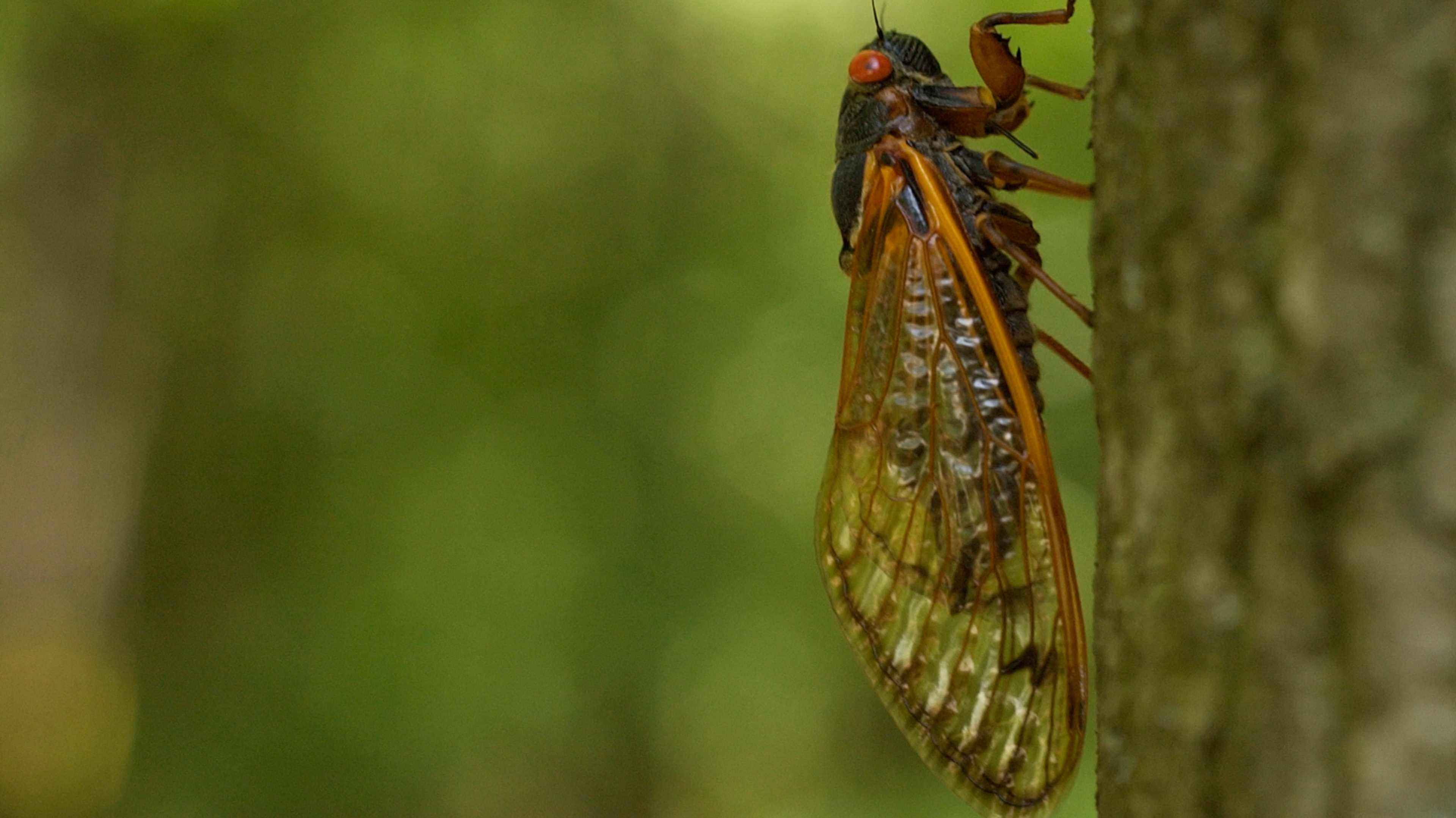
In the spring of 1634, the Pilgrim settlers of Plymouth Colony were startled by an ear-splitting drone emanating from the surrounding forests. Plymouth Governor William Bradford famously recorded that the woods rang with "a constant yelling noise" that threatened to "deaf the hearers." Bradford described the culprits as "a quantity of a great sort of flies" rising out of the ground. Bradford and his peers had unknowingly witnessed the periodic emergence of Brood XIV cicadas, which rise by the trillions every 17 years.
While this terrifying phenomenon was entirely foreign to the English settlers, local Indigenous communities possessed a deep, generational understanding of the insects. Rather than fearing them, communities like the Iroquois utilized the protein-rich cicada nymphs as a sustainable food source, digging them up and roasting them over open fires. This contrast highlights the sophisticated ecological harmony of Native Americans compared to the superstitious dread of the early European colonists.
2. The American Cockroach: An African Import
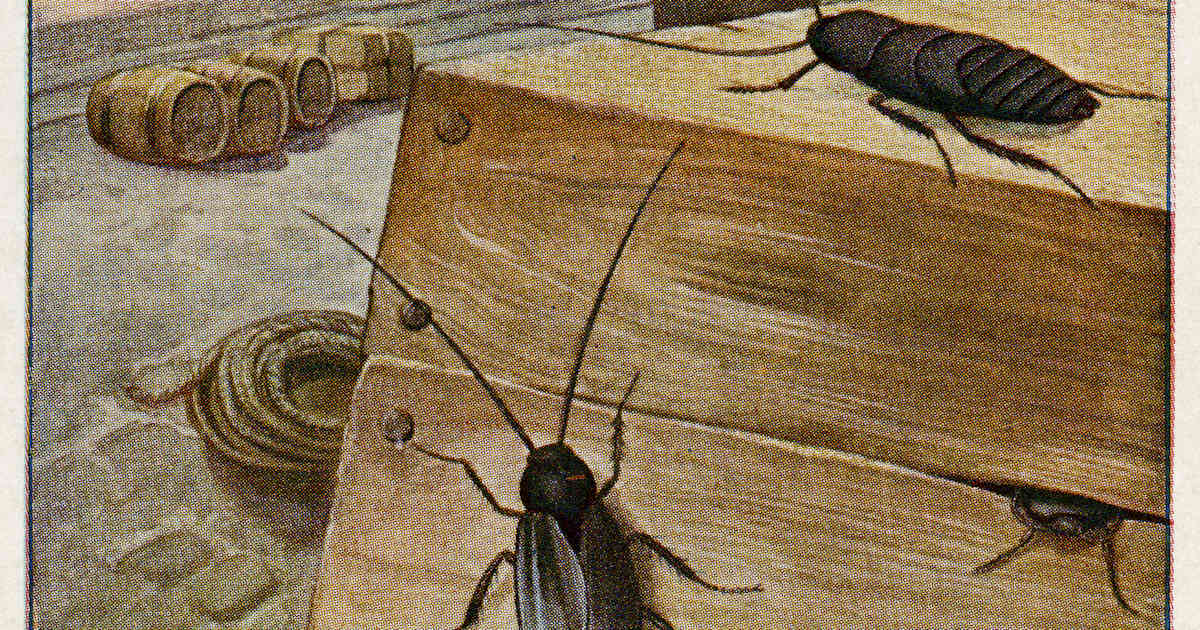
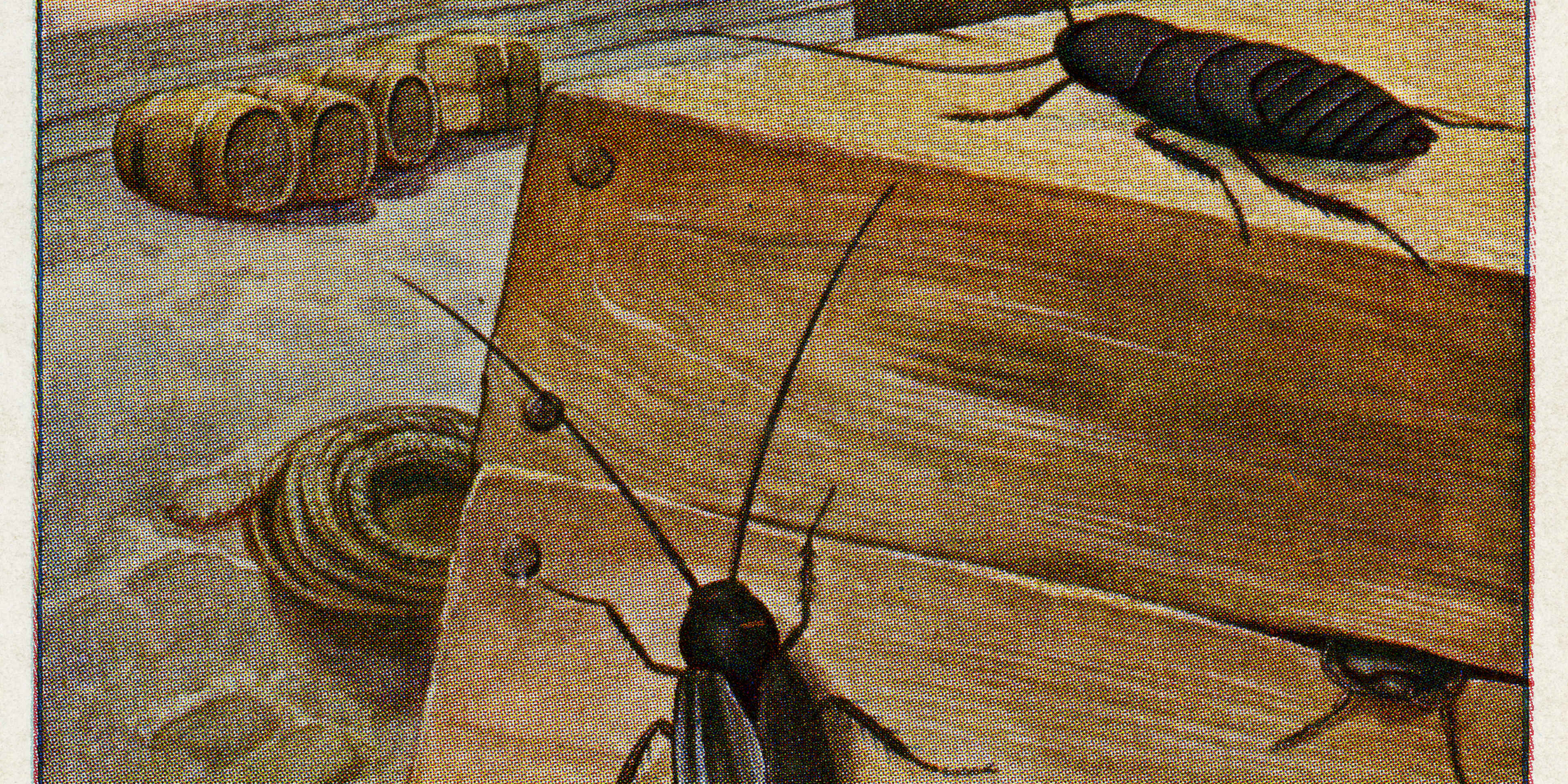
Despite its modern name, the ubiquitous American cockroach (Periplaneta americana) is actually native to tropical Africa. It was introduced to the American colonies in the 1600s via trade vessels. Once ashore, they spread with alarming speed. Colonial Governor John Smith, who worked tirelessly to stabilize what life was like in Jamestown, complained bitterly of these insects, utilizing the Spanish term "cucaracha." Smith noted that they would "eat and defile with their ill-scented dung" almost every surface they touched. In 1658, English physician Thomas Mouffet wrote of his sheer revulsion, calling the pests "nasty, cruel, rough, [and] theeving."
3. The Black Rat: From Scourge to Survival Food
No mammal accompanied European expansion as effectively as the black rat (Rattus rattus). Scurrying through the dark corners of galleons, these rodents established themselves in North American ports by the early 1600s. While they contaminated grain and carried lethal pathogens, they also played a bizarre, life-saving role during Jamestown's darkest hour.
During the harrowing winter of 1609–1610, known as the "Starving Time," the colony's population plummeted from roughly 500 to a mere 60 survivors due to starvation, disease, and conflict. Archaeological excavations conducted by the Jamestown Rediscovery team unearthed thousands of animal bones dating to this exact winter. Among them were several hundred butchered black rat bones. In their desperation, colonists resorted to eating the very vermin that plagued their storehouses, alongside horses, snakes, and boot leather, illustrating the fine line between pest and sustenance in the struggle to survive.
4. Shipboard Beetles: Destroyers of the Grain
The survival of early colonial settlements relied heavily on dry provisions shipped across the sea, making shipboard beetles a catastrophic threat. When archaeologists excavated a historic well in Jamestown, they discovered a preserved dump containing 24 distinct species of insects from the early 1600s. Among these were Trox scaber beetles, spiny-legged rove beetles, and the destructive saw-toothed grain beetle (Oryzaephilus surinamensis).
These beetles infested grain stores, reducing valuable flour and wheat to insect-ridden powder. John Smith lamented in 1607 that the colony's food reserves "contained as many wormes as grains," and reported a year later that the grain had become so thoroughly rotted by pests that even the livestock refused to eat it.
5. Lice and Fleas: Intimate Parasites of the Great Migration
For those embarking on the Pilgrims' miserable journey aboard the Mayflower and subsequent migrations, personal hygiene was virtually non-existent. Passengers spent weeks in claustrophobic, unwashed quarters. In 1750, a German immigrant traveling to Pennsylvania recounted with horror that lice were so incredibly abundant, especially on the sick, that they could literally be scraped off the skin.
Once on land, the struggle continued. To combat this itchy affliction, colonists relied on specialized grooming tools. Archaeologists have discovered numerous double-sided bone combs among everyday objects of colonial America. These fine-toothed combs were expertly crafted to manually pull both adult lice and their eggs, or nits, from the tangled hair and thick beards of the settlers.
6. Mosquitoes: The Unintentional Guardians of Liberty
Swedish naturalist Pehr Kalm traveled through North America in 1749 and documented the relentless torment of native mosquitoes. He noted that their agonizing, high-pitched humming kept settlers awake at night, and their painful bites left behind swollen red blisters. However, the most profound impact of mosquitoes came from non-native species. During the 1640s, vector species carrying malaria and yellow fever were introduced via the transatlantic slave trade.
While these diseases caused devastating outbreaks in swampy southern settlements, they ultimately served an unexpected political purpose. Over generations, many American-born colonists developed a partial immunity to local strains of malaria. The British soldiers sent to suppress the American Revolution, however, had no such defenses. During the Southern Campaign of the Revolutionary War, malaria devastated British forces. In the summer of 1780, an epidemic crippled Cornwallis's troops in South Carolina. By 1781, more than half of the British garrison at Yorktown was too sick with malaria to stand duty, directly contributing to Cornwallis's surrender and the birth of a new nation.
Major Turning Points and Historical Legacy
The convergence of local and imported pests created major turning points in colonial history. Biological agents were not merely background nuisances; they actively dictated military strategy, agricultural practices, and settlement geography. The inability of early settlers to protect their crops from weevils and beetles forced a rapid shift in agricultural adaptation, steering the colonies toward diverse farming methods and improved storage technologies. Epidemiologically, the introduction of mosquito-borne diseases shaped the demographic and economic realities of the American South, cementing a reliance on slave labor in malaria-prevalent rice plantations where African laborers possessed genetic resistances (such as the sickle cell trait) that white laborers lacked.
Lesser-Known Facts About Colonial Pests
- The Iguana Mystery: During the Jamestown "Starving Time," archaeological remains show that starving colonists did not just eat rats and horses; they also consumed iguanas, likely brought back as exotic pets or food stowaways from Caribbean stopovers.
- The 17-Year Clock: The exact periodical cicada brood (Brood XIV) that William Bradford observed in 1634 emerged again in 2025, continuing an unbroken biological cycle that pre-dates the United States itself.
- Lice as Currency: On crowded immigrant ships, a lack of lice was sometimes seen as a sign of robust health, and clean clothes free of vermin could actually be bartered for extra food rations.
Why It Still Matters Today
The biological struggles of colonial America underscore a vital truth that remains relevant in our globalized world: history is not merely driven by human decisions, but by the complex, unseen natural world around us. Today's battles with invasive species, agricultural pests, and vector-borne diseases like Zika, West Nile, and Lyme disease are direct continuations of the ecological challenges faced by early colonists. Studying how these tiny organisms shaped empires reminds us of our ongoing vulnerability to the natural world and the critical importance of biosecurity and environmental stewardship.
People Also Ask
What pests did early American settlers face?
Settlers faced a combination of destructive native pests and invasive species, including periodical cicadas, African-imported cockroaches, Old World black rats, saw-toothed grain beetles, body lice, and disease-carrying mosquitoes.
How did invasive pests reach colonial America?
Most invasive pests arrived as stowaways aboard European wooden sailing ships, nesting in cargo, infesting grain supplies, or living on the bodies and clothes of crew members and passengers.
How did mosquitoes help the Americans win the Revolutionary War?
American colonists had developed a degree of immunity to local malaria strains after decades of exposure, whereas newly arrived British soldiers had no resistance. In 1780 and 1781, massive malaria outbreaks crippled British military operations in the South, eventually forcing the surrender of General Cornwallis at Yorktown.
Conclusion
The story of colonial America is often told through the exploits of explorers, politicians, and generals. Yet, the small, crawling, and buzzing creatures of the New World exerted an undeniable influence on this era. From the devastating starvation of Jamestown to the malaria-plagued fields of Yorktown, pests proved to be powerful historical agents. By looking back at how early Americans adapted to and survived these biological trials, we gain a deeper, more realistic appreciation of the immense hardships required to build a nation.


