For centuries, the popular historical imagination surrounding the witch trials has been firmly rooted in the small, Puritannical settlement of Salem, Massachusetts. However, Salem’s tragic events of 1692 were neither the first nor the most severe outbreak of witch hysteria. Long before Salem, a terrifying wave of panic swept across Europe, claiming tens of thousands of lives through systematic trials, brutal torture, and public executions. Understanding these lesser-known trials is critical to understanding how fear, political manipulation, and religious zealotry can subvert justice. This exploration dives deep into six of the most harrowing and historically significant witch trials that occurred beyond the borders of Salem, illustrating how global hysteria ultimately shaped early American legal and social structures.
The Socio-Political Catalyst: Why the Witch Hunts Began
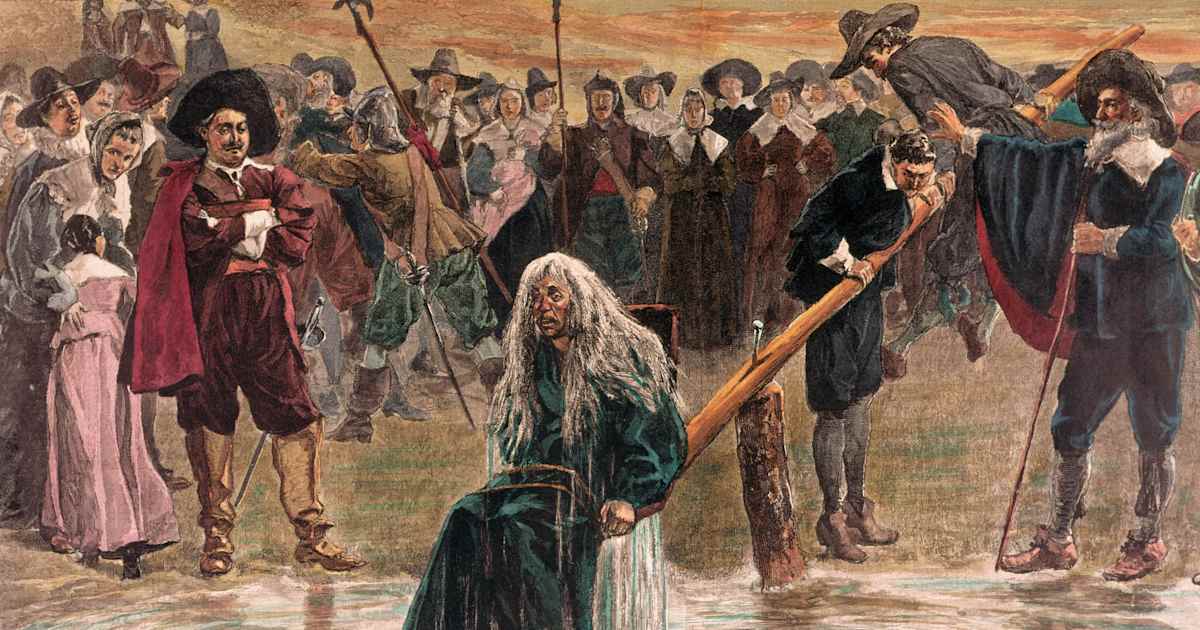
To understand the sheer scale of the historical witch craze, we must look at the turbulent transition from the Middle Ages to the early modern period. Between the 15th and 18th centuries, Europe was plagued by political instability, devastating plagues, religious wars sparked by the Protestant Reformation, and the climate-induced disasters of the “Little Ice Age.” These crises created a deeply paranoid society desperate for scapegoats. Folklore, superstition, and the growing theological obsession with Satan converged to create a deadly narrative: that a secret conspiracy of witches was working to destroy Christian civilization. This era also gave rise to intriguing folk beliefs, such as the legendary question of why witches ride brooms, which became deeply embedded in the public psyche.
The Deep Roots of American Hysteria
While Salem is the most famous American example, it was merely the tail end of a much larger, transatlantic phenomenon. Years prior to the events of 1692, the first American witch hunt took place in New England, proving that the legal and religious frameworks of the European witch-hunt frenzy had already crossed the Atlantic. The fear of the unknown, coupled with strict religious orthodoxy, created fertile ground for these deadly trials.
Six Devastating Lesser-Known Witch Trials in History
1. The Valais Witch Trials (1428–1447)
Often recognized as the earliest organized witch hunt in Europe, the Valais trials began in 1428 in the French-speaking southern region of Valais (modern-day Switzerland) and quickly spread to German-speaking Wallis. The hysteria began in August 1428, when local delegates from seven districts demanded judicial action against accused sorcerers. They established a draconian rule: if an individual was accused of witchcraft by three separate people, they were immediately arrested. There was no recourse for the accused; confessions were extracted through brutal, prolonged torture, and those who confessed were burned at the stake. Johannes Fründ, the local clerk of the court, documented these trials, recording that at least 367 people—men and women alike—perished in the fires of Valais.
2. The Trier Witch Trials (1581–1593)
The Trier witch trials represent one of the largest and most politically charged mass executions in European history. Originating in the rural diocese of Trier, Germany, in 1581, the purges reached the city itself by 1587. The driving force behind this campaign was Archbishop Johann von Schöneburg, who sought to demonstrate his absolute loyalty to the Jesuits by cleansing the region of nonconformists, targeting Protestants, Jews, and alleged witches. This was a highly systemic and class-spanning purge; between 1587 and 1593, 368 people from 22 villages were burned alive. Cruelly, the victims were not just the poor and marginalized; nearly a third of those executed were members of the local nobility, including judges, burgermeisters, parish priests, and government councilors.
3. The North Berwick Witch Trials (1590)
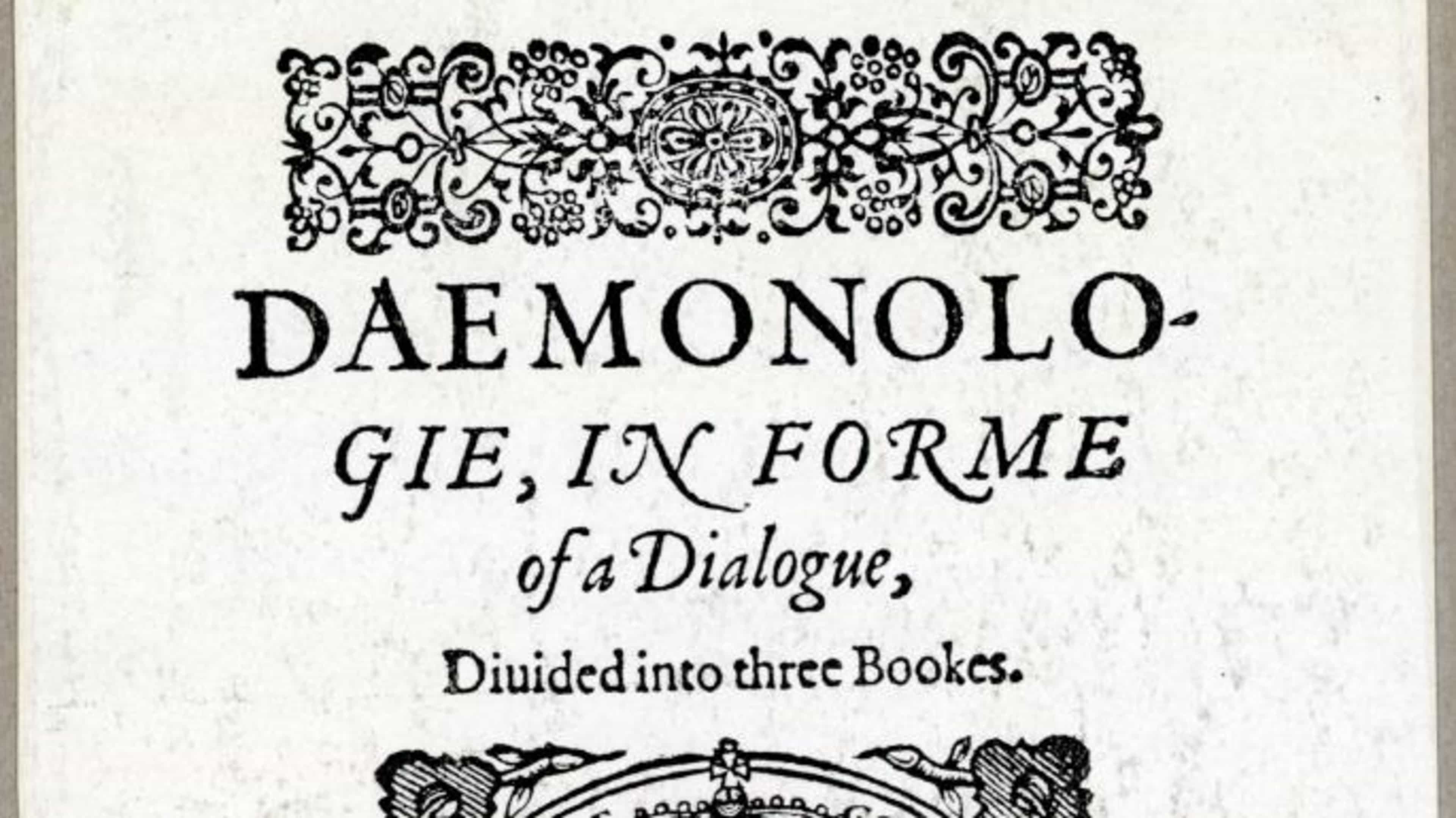
The North Berwick witch trials of Scotland were directly fueled by royal obsession. When King James VI of Scotland (who later became King James I of England) sailed to Copenhagen to wed Princess Anne of Denmark, a violent coastal storm nearly wrecked his ship. Convinced that the tempest was the work of dark magic, the King became obsessed with eradicating witchcraft, eventually writing his own treatise on the subject, titled Daemonologie. The first victim of this panic was Gilly Duncan, a young maid accused of miraculous healings. Under severe torture, Duncan confessed to making a pact with the Devil. The trials eventually implicated over 70 people, including Scottish nobility. This trial had a massive cultural impact, even inspiring William Shakespeare to incorporate the witches’ rituals into his tragedy, Macbeth. Between 1560 and 1707, Scotland’s witch hunts would claim an estimated 3,000 to 4,000 lives.
4. The Fulda Witch Trials (1603–1606)
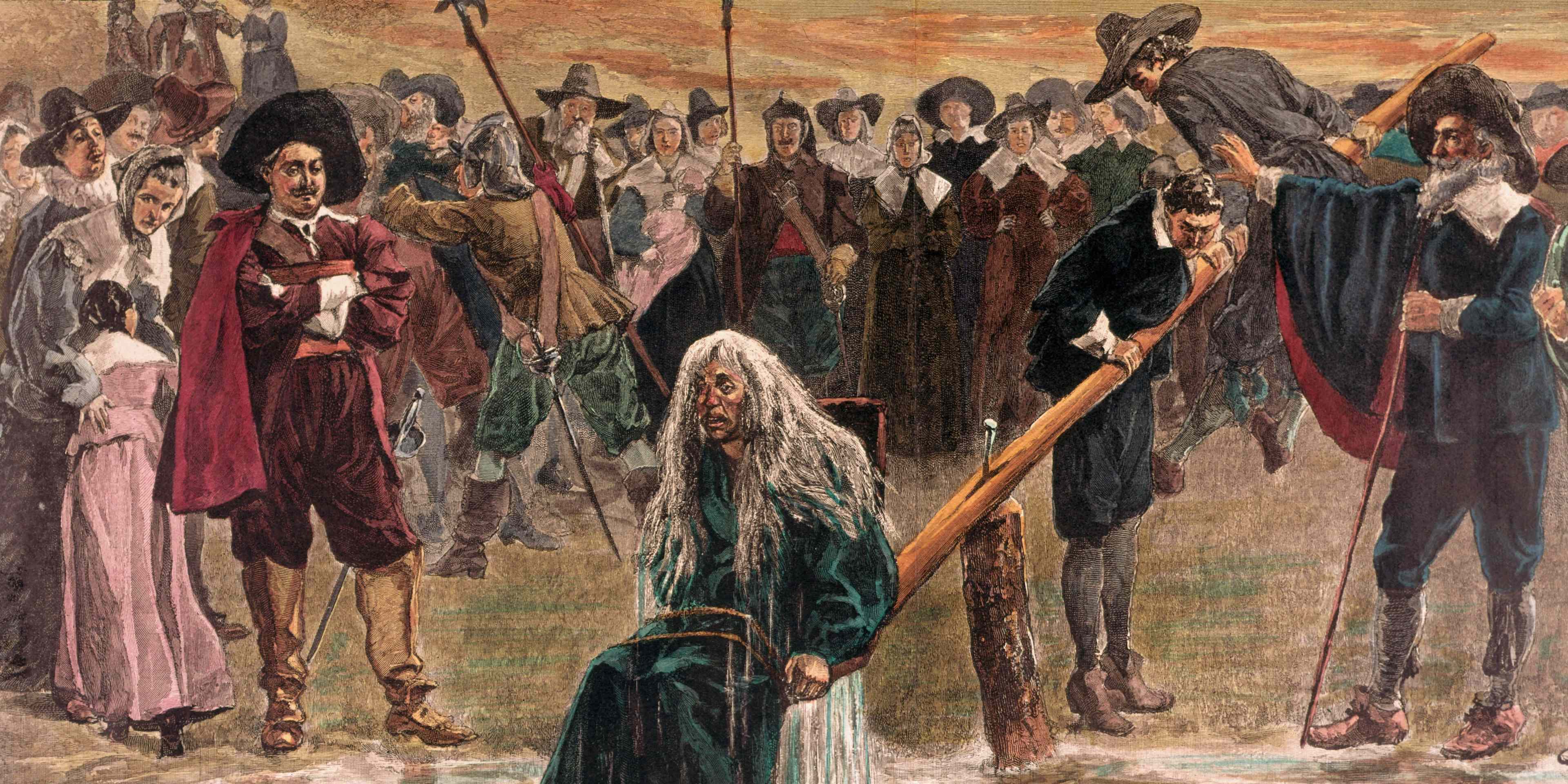
In Germany, the Fulda monastery became the epicenter of a brutal purge under Balthasar von Dernbach, the prince-abbot who returned from a 20-year exile determined to crush religious liberalism and enforce the Catholic Counter-Reformation. Seeking to rid the city of Fulda of “impure” elements, Dernbach launched a ruthless witch-hunting campaign. The most famous victim was Merga Bien, a wealthy, pregnant woman. Accused of murdering her second husband and children through witchcraft, Bien was tortured until she confessed to consorting with the Devil. Despite her pregnancy, she was burned at the stake in 1603. The terror finally subsided only when Dernbach died in 1605.
5. The Pendle Hill Witch Trials (1612)
Taking place in the lawless and impoverished region of Pendle Hill in Lancashire, England, these trials became some of the most famous and well-documented of the 17th century. Influenced by the anti-witchcraft zeal of King James I, local Justice of the Peace Roger Nowell aggressively investigated claims of dark magic. The panic erupted when a local peddler accused a young woman named Alizon Device of causing his stroke through a curse. Device confessed and accused her own family members, prompting a domino effect of mutual accusations. In total, twelve people were accused of murdering ten people via witchcraft. Eleven went to trial (nine women and two men), and ten were ultimately found guilty and hanged at Lancaster Castle.
6. The Torsåker Witch Trials (1675)
The Torsåker trials stand as the largest witch trial in Swedish history and one of the most horrific mass killings of alleged witches on record. In a single day, 71 people—including 65 women, representing roughly one-fifth of all women in the region—were beheaded and burned. The hysteria was instigated by minister Laurentius Christophori Hornæus, who employed young boys to stand at the church doors and identify “witches” by looking for an invisible devil’s mark on their foreheads. The accused were charged with kidnapping children and taking them to Satan’s Sabbath at “Blockula,” a mythical meadow in Swedish folklore. Testimonies were extracted from terrified children through whippings, threats of being baked in ovens, and forced bathing in frozen lakes.
A Chronological Timeline of the Witch Hunts
- 1428: The Valais witch trials begin in Switzerland, setting the legal precedent for systematic torture.
- 1581: The Trier witch trials commence under Archbishop Johann von Schöneburg, targeting elite citizens and religious minorities.
- 1590: King James VI of Scotland instigates the North Berwick trials after a storm disrupts his royal voyage.
- 1603: Merga Bien is executed during the Fulda witch trials under Balthasar von Dernbach.
- 1612: The Pendle Hill trials take place in Lancashire, leading to ten executions at Lancaster Castle.
- 1675: The Torsåker witch trials in Sweden result in the mass execution of 71 people in a single day.
- 1692: The infamous Salem witch trials occur in colonial Massachusetts, marking the peak of American witch hysteria.
Key Historical Figures and Accusers
In contrast to the child accusers of Sweden, the main accusers of the Salem witch trials were primarily adolescent girls, a dynamic that differed significantly from some of the politically motivated European campaigns led by powerful archbishops and kings. Figures like Archbishop Johann von Schöneburg and Balthasar von Dernbach utilized the trials as tools of state centralization and religious purification. Meanwhile, monarchs like King James VI of Scotland used the trials to solidify their divine right to rule, turning theological anxiety into a potent political weapon.
Major Turning Points and the Path to Skepticism
The turning points in these global trials often occurred when the accusations began to target the ruling elite. In Trier, when high-ranking judges, mayors, and priests were sent to the stake, the local administration realized that no one was safe. Similarly, in Sweden, the questionable legal legitimacy of the Torsåker executions—where local courts failed to report death sentences to higher courts—sparked severe backlash. As the 17th century drew to a close, jurists and scientists began demanding higher standards of empirical evidence, eventually phasing out the use of torture-coerced confessions and “spectral evidence.”
The Long-Term Impact on America and the Legal System
The dark legacy of both the European and Salem witch trials profoundly shaped the development of modern Western jurisprudence, particularly in America. The obvious abuses of power, forced confessions, and reliance on gossip led directly to the establishment of crucial legal protections we take for granted today. These include the presumption of innocence, the right to legal representation, and the strict exclusion of hearsay and unscientific evidence in courtrooms. Furthermore, the horrific entanglement of religious dogma and state power during the witch hunts served as a powerful cautionary tale for the Founding Fathers, heavily influencing the constitutional commitment to the separation of church and state.
Lesser-Known Facts About the Global Witch Hunts
- Shakespeare’s Dark Inspiration: The bizarre torture rituals and spells recorded during the North Berwick trials directly inspired the weird sisters’ scenes in Shakespeare’s Macbeth.
- Not Just Women: While women bore the brunt of the hysteria, nearly half of the victims in the Valais trials were men, debunking the myth that witch hunts exclusively targeted females.
- The Climate Connection: Many historians believe the peak of the European witch hunts coincided with the coldest decades of the Little Ice Age, where failed crops and extreme weather were blamed on local “sorcerers.”
Why It Still Matters Today
The historical witch hunts remain one of the most powerful case studies in human psychology, collective paranoia, and systemic injustice. Today, the term “witch hunt” is frequently used in political discourse, but its historical reality serves as a sobering reminder of what happens when fear overrides reason, and when due process is abandoned to satisfy public outrage. Whether in the form of online mob justice, modern conspiracy theories, or the scapegoating of marginalized groups during times of societal crisis, the psychological mechanisms that fueled the fires of Trier, Pendle, and Salem are still very much alive in the modern world.
People Also Ask
What was the deadliest witch trial in history?
The Trier witch trials in Germany (1581–1593) are widely considered among the largest and deadliest in European history, resulting in the executions of at least 368 people from 22 villages. Other massive hunts, like the Würzburg and Bamberg trials, also claimed hundreds of lives each.
Why did the witch hunts target women?
While men were also accused, women were disproportionately targeted due to early modern gender roles, social vulnerability, and theological biases that viewed women as more susceptible to the Devil’s temptations. Women who worked as herbalists, midwives, or lived independently were particularly vulnerable.
What ended the global witch trials?
The decline of the witch trials was brought about by the rise of the Scientific Revolution, which encouraged rationalism and empirical proof, along with systemic legal reforms that banned torture and discredited spectral evidence in courts of law.
Conclusion
The dark history of the global witch hunts reveals a terrifying truth: under the right conditions of fear, instability, and political pressure, entire societies can succumb to mass hysteria. From the alpine valleys of Valais to the windswept hills of Pendle and the tragic courtrooms of Salem, these trials highlight the vital importance of judicial integrity, objective truth, and the protection of civil liberties. By studying these lesser-known chapters of history, we honor the memory of the thousands of innocent victims and remain vigilant against the modern-day fears that seek to divide us.


