The creation of the United States of America was not a sudden, explosive event, but rather a slow, agonizing evolution of political thought and escalating physical conflict. In the spring of 1775, as redcoats and colonial minutemen clashed on the green of Lexington and the bridge of Concord, the vast majority of American colonists still considered themselves loyal subjects of King George III. They sought redress, not revolution; they wanted colonial representation, not complete separation. Yet, by July 1776, this sentiment had undergone a radical transformation. So, why was the Declaration of Independence written? This foundational document was born out of a desperate need to unify thirteen fractured colonies, justify an armed rebellion to the global stage, and secure vital military alliances with European superpowers like France. It was a formal point of no return—a bold, philosophical manifesto that forever altered the course of human liberty and transformed a colonial dispute into a historic crusade for universal human rights.
Historical Background: The Road to Rebellion
To understand the birth of the Declaration of Independence, one must look back to the aftermath of the French and Indian War in 1763. For decades, Great Britain had practiced a policy of “salutary neglect,” leaving the original 13 colonies to govern and tax themselves through their own local assemblies. However, the war left the British treasury deeply in debt. In London, Parliament believed the colonists should pay their fair share for the military protection they had received.
This shift in policy ignited a decade-long constitutional struggle. Beginning with the Stamp Act of 1765, Parliament imposed a series of direct taxes on colonial goods, including paper, paint, glass, and tea. The colonists, drawing upon their English constitutional heritage, fiercely argued that they could not be taxed by a governing body in which they had no elected representatives—giving rise to the rallying cry of “no taxation without representation.” Local political institutions, such as the House of Burgesses in Virginia, became hotbeds of intellectual resistance, questioning the absolute authority of the crown and asserting the natural rights of British citizens.
Causes and Context: The Escalation to Bloodshed
As peaceful protests and economic boycotts failed to sway Parliament, the British government took a harder line, deploying troops to occupy major cities. This military presence inevitably led to bloodshed. The Boston Massacre of 1770, where British soldiers killed five civilian protesters, served as a grim catalyst, proving that the crown was willing to use lethal force against its own subjects.
Tensions exploded again in 1773 with the passage of the Tea Act, leading to the Boston Tea Party, where the Sons of Liberty dumped millions of dollars’ worth of tea into Boston Harbor. In retaliation, the British passed the Coercive Acts (dubbed the “Intolerable Acts” by colonists), which closed Boston Harbor, dismantled the Massachusetts colonial charter, and forced citizens to quarter British soldiers. These tyrannical actions forced the colonies to recognize that a threat to one was a threat to all, leading to the first meeting of the Continental Congress in 1774. Even during this congress, which operated under the same spirited debate that later characterized elections in colonial America, delegates were still striving for reconciliation rather than separation.
A Chronological Timeline of the Path to Independence (1765–1776)
- 1765: Parliament passes the Stamp Act, triggering widespread protests and the formation of the Stamp Act Congress.
- March 5, 1770: The Boston Massacre occurs, leaving five colonists dead and fueling anti-British sentiment.
- December 16, 1773: The Boston Tea Party takes place, prompting Parliament to respond with the punitive Coercive Acts.
- September 1774: The First Continental Congress convenes in Philadelphia, petitioning King George III for redress while halting trade with Britain.
- April 19, 1775: The Battles of Lexington and Concord mark the official start of the American Revolutionary War.
- June 17, 1775: The Battle of Bunker Hill inflicts heavy casualties on both sides, making peaceful reconciliation highly unlikely.
- January 1776: Thomas Paine publishes Common Sense, swaying public opinion toward total independence.
- June 7, 1776: Richard Henry Lee introduces a resolution to declare independence to the Second Continental Congress.
- July 4, 1776: Congress formally adopts the Declaration of Independence, officially severing ties with Great Britain.
Key Figures and Their Crucial Roles
The drafting and passing of the Declaration of Independence required an extraordinary coalition of legal minds, political philosophers, and bold visionaries:
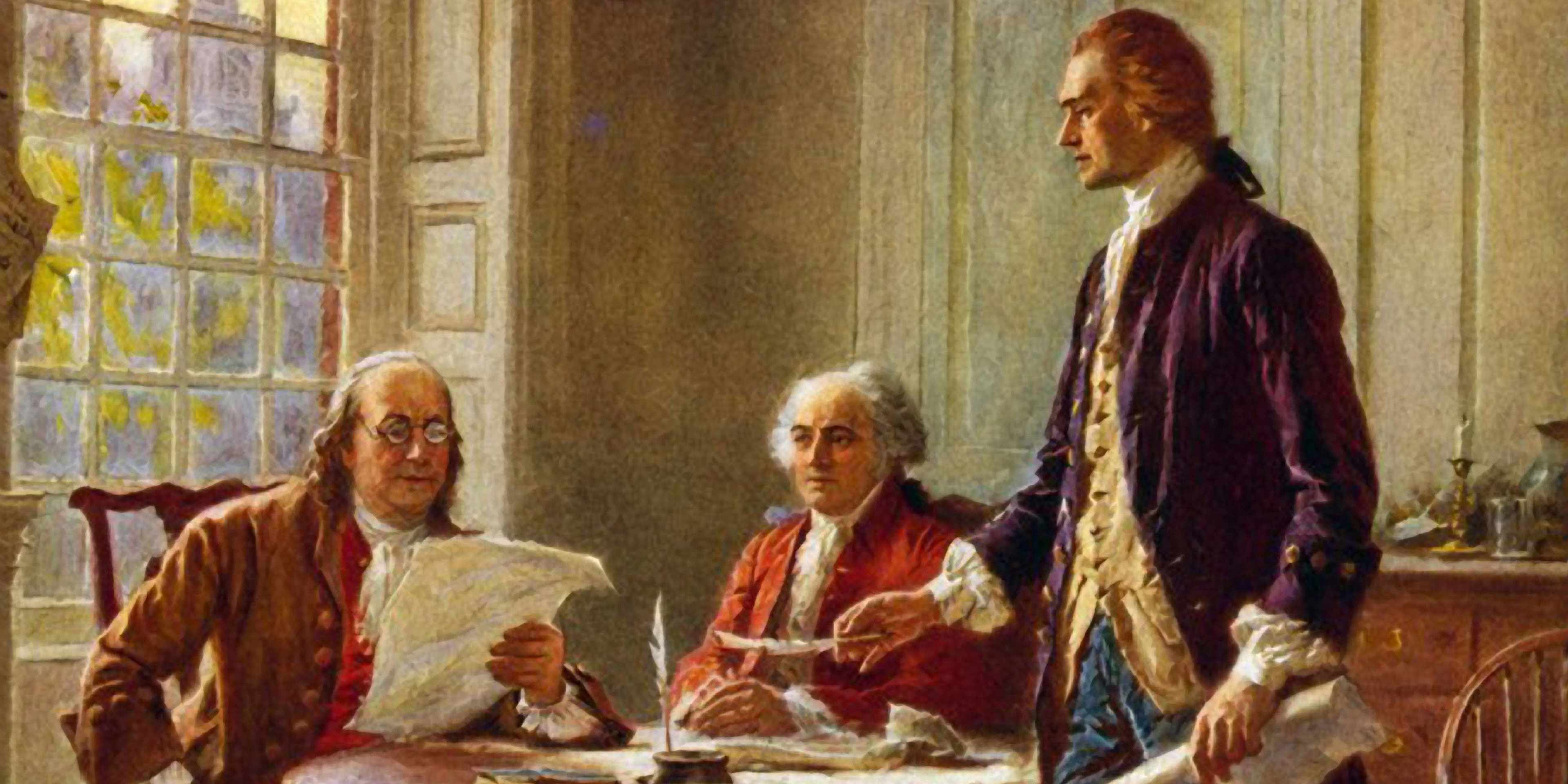
- Thomas Jefferson: At just 33 years old, the Virginian delegate was chosen to draft the document due to his renowned writing skills. Drawing inspiration from Enlightenment philosopher John Locke, Jefferson penned the iconic phrase that “all men are created equal” and possessed the unalienable rights to “Life, Liberty and the pursuit of Happiness.”
- Thomas Paine: While not a member of Congress, his bestselling pamphlet Common Sense laid the intellectual groundwork for the masses, arguing that hereditary monarchy was inherently corrupt and that America had a moral obligation to be a beacon of freedom.
- John Adams: A fierce and passionate orator from Massachusetts, Adams was the driving force behind the debate in Congress. He championed Jefferson’s draft and fought tirelessly against those who still feared a break with the king.
- Benjamin Franklin: As a seasoned diplomat and writer, Franklin served on the “Committee of Five” tasked with drafting the declaration. He offered crucial edits to Jefferson’s draft, famously changing “we hold these truths to be sacred and undeniable” to “we hold these truths to be self-evident,” grounding the document in reason rather than religious dogma.
- Richard Henry Lee: The Virginia statesman who officially initiated the motion for independence on June 7, 1776, forcing the Continental Congress to take a definitive stand.
Major Turning Points: From Reconciliation to Absolute Separation
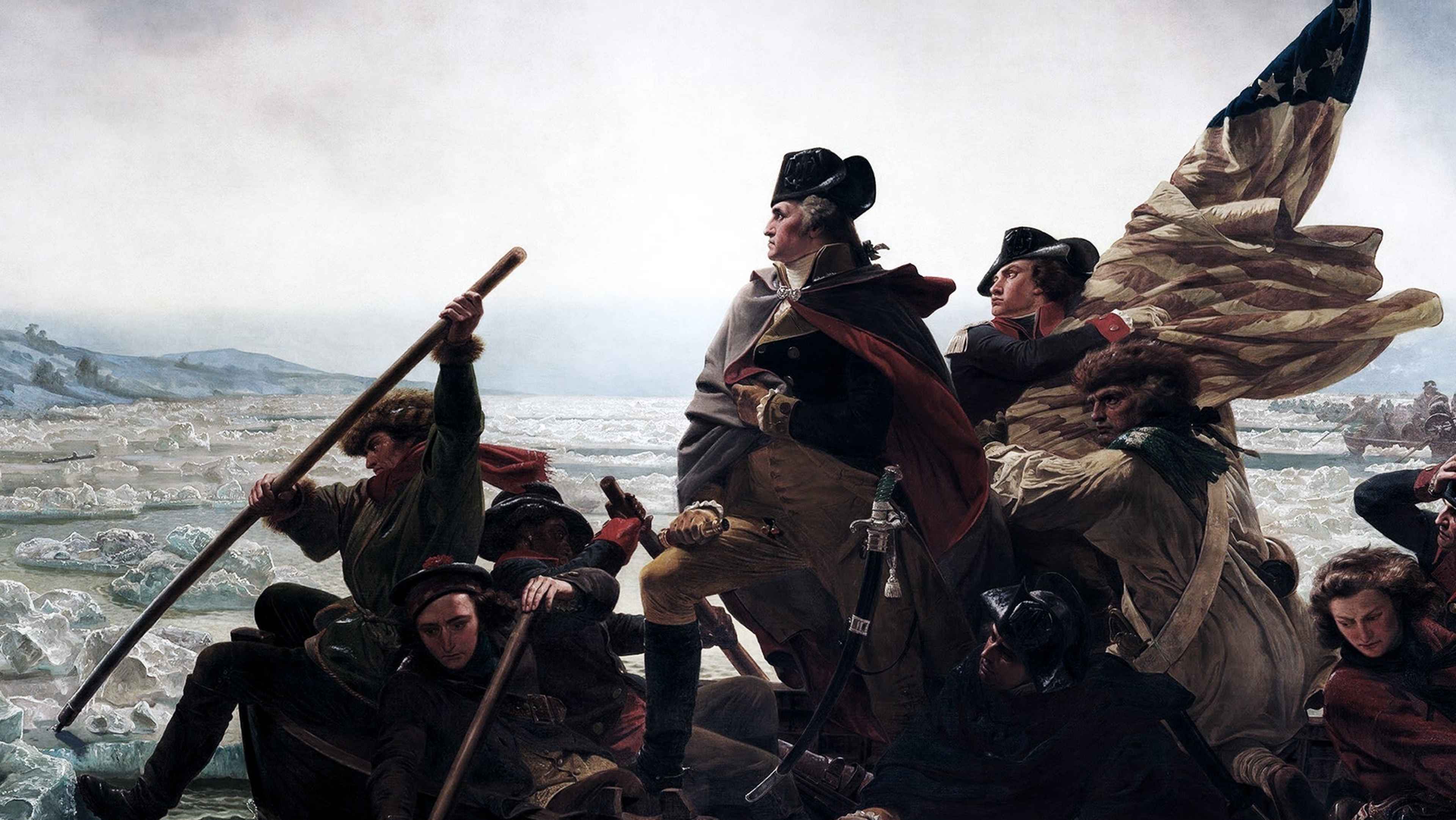
By late 1775, several major turning points shattered any remaining hope for peace. First, King George III refused to even read the Olive Branch Petition, a final, peaceful plea sent by the Continental Congress. Instead, the King issued the Proclamation of Rebellion, declaring the colonies to be in open mutiny and hiring German mercenary soldiers (Hessians) to crush the American resistance.
Second, the colonists faced a logistical and military crisis. They were fighting a defensive war against the world’s most powerful military without a treasury, a navy, or a formalized army. To survive, the colonies desperately needed military alliances, financial loans, and gunpowder from foreign powers—primarily France and Spain. However, these European empires were highly reluctant to support a group of rebellious British subjects if they were merely looking to patch things up with King George. By writing a formal Declaration of Independence, the Second Continental Congress signaled to the global stage that they were a sovereign nation, opening the door for critical foreign alliances that would ultimately win the war.
Lesser-Known Facts About the Declaration
- It Was Not Signed on July 4th: While July 4, 1776, is celebrated as Independence Day, the document was only formally adopted on that date. The actual physical signing by the 56 delegates did not begin until August 2, 1776, and some delegates signed even later in the year.
- Jefferson’s Anti-Slavery Clause Was Deleted: In his original draft, Thomas Jefferson included a passionate passage condemning King George III for continuing the transatlantic slave trade and overriding colonial laws that tried to restrict it. However, delegates from South Carolina and Georgia, whose economies depended heavily on enslaved labor, objected, and the clause was struck out to maintain colonial unity.
- The Document Slept in Many Beds: During the Revolutionary War, the Declaration was constantly moved to prevent it from falling into British hands. During World War II, it was even transferred to Fort Knox for safekeeping alongside the U.S. Constitution.
Long-Term Impact on America and the World
The long-term impact of the Declaration of Independence is difficult to overstate. Internally, it provided the philosophical blueprint for the creation of the United States Constitution and the Bill of Rights. Nationally, it established the idealistic benchmark of equality that would fuel future civil rights movements, from the abolition of slavery to the women’s suffrage movement and the civil rights struggles of the 20th century.
Globally, the Declaration set off a chain reaction of revolutions. It directly inspired the French Revolution of 1789, the Haitian Revolution of 1791, and numerous Latin American independence movements against Spanish rule in the early 19th century. Its core assertion—that governments derive their just powers from the consent of the governed—remains the definitive challenge to authoritarian regimes worldwide.
A Complex and Contradictory Legacy: While the Declaration laid the foundation for modern democracy, it also reflected the racial biases and conflicts of its time. In the list of grievances, the document refers to Native Americans as “merciless Indian Savages.” This language underscores the tragic reality that the push for colonial freedom often came at the direct expense of indigenous sovereignty and ancestral lands. Recognizing these painful contradictions is vital for a complete, respectful, and honest examination of early American history.
Why It Still Matters Today
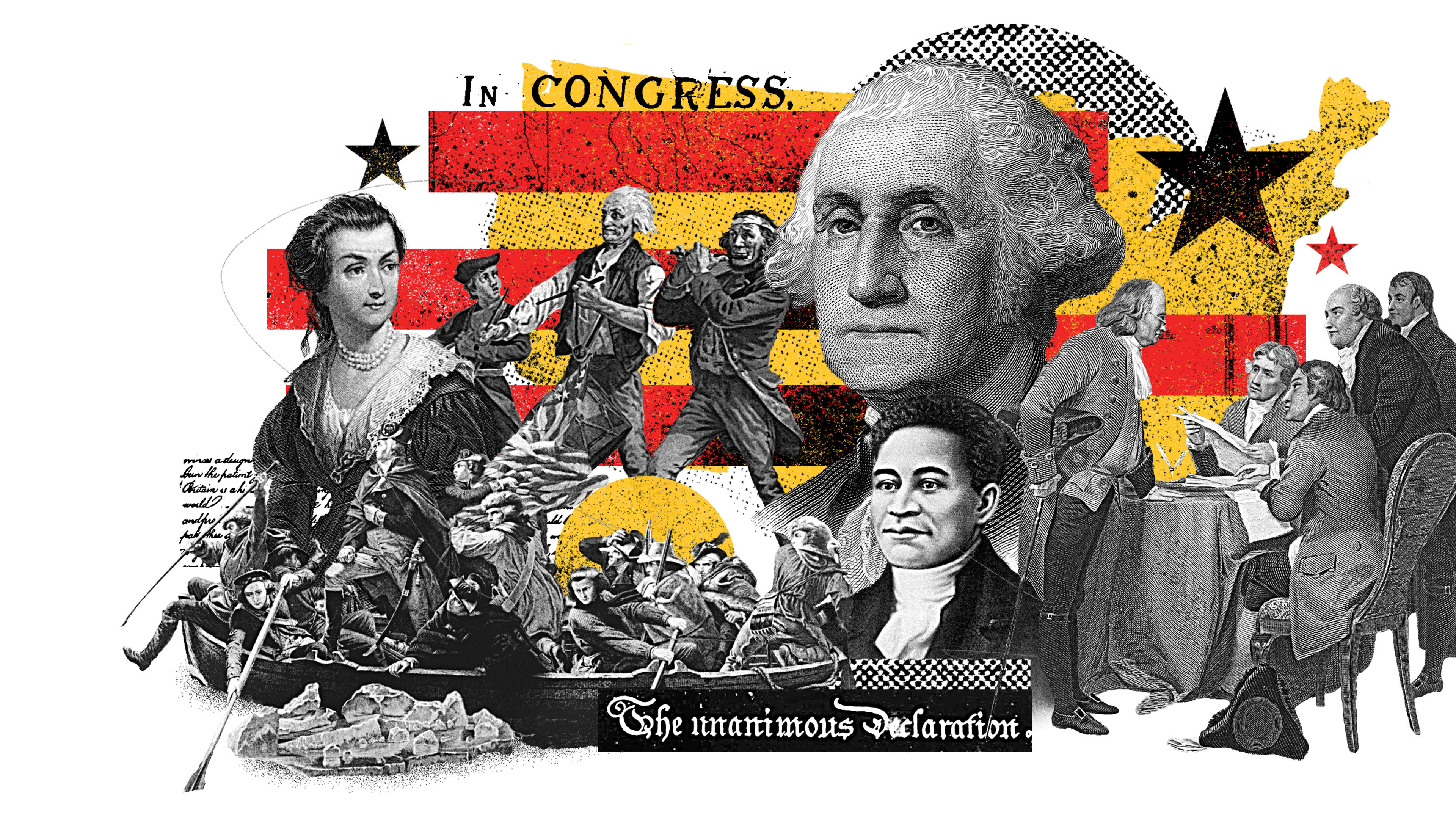
Today, the Declaration of Independence is not merely a dusty piece of parchment in the National Archives; it is a living document that continues to define the American experiment. The core debate it sparked—the balance between individual liberty and collective security, and the definition of who is included in “all men are created equal”—remains at the heart of modern American political discourse. As citizens continue to strive toward a “more perfect union,” the Declaration serves as both a historical anchor and a forward-looking moral compass, challenging every generation to live up to its revolutionary ideals.
People Also Ask (FAQ)
Who wrote the first draft of the Declaration of Independence?
Thomas Jefferson wrote the first draft of the Declaration of Independence, with minor edits made by other members of the Committee of Five, including Benjamin Franklin and John Adams.
What were the primary grievances listed in the Declaration of Independence?
The document listed 27 grievances against King George III, including taxing the colonies without representation, dissolving colonial legislatures, maintaining a standing army in peacetime without colonial consent, and cutting off colonial trade with the rest of the world.
Why did France help America after the Declaration was written?
France wanted to weaken its geopolitical rival, Great Britain. The Declaration of Independence proved to the French government that the colonists were fully committed to a permanent break from Britain, making them a worthy and sovereign ally to support with troops, navy, and funds.
Conclusion
In summary, the Declaration of Independence was written out of profound necessity. It transformed a localized, disorganized rebellion into a unified war for sovereignty, establishing a philosophical foundation based on natural rights and self-governance. By articulating their grievances and declaring themselves free states, the early Americans secured the foreign alliances needed to win the Revolutionary War and laid down a timeless, universal promise of equality and liberty that continues to inspire the world today.


