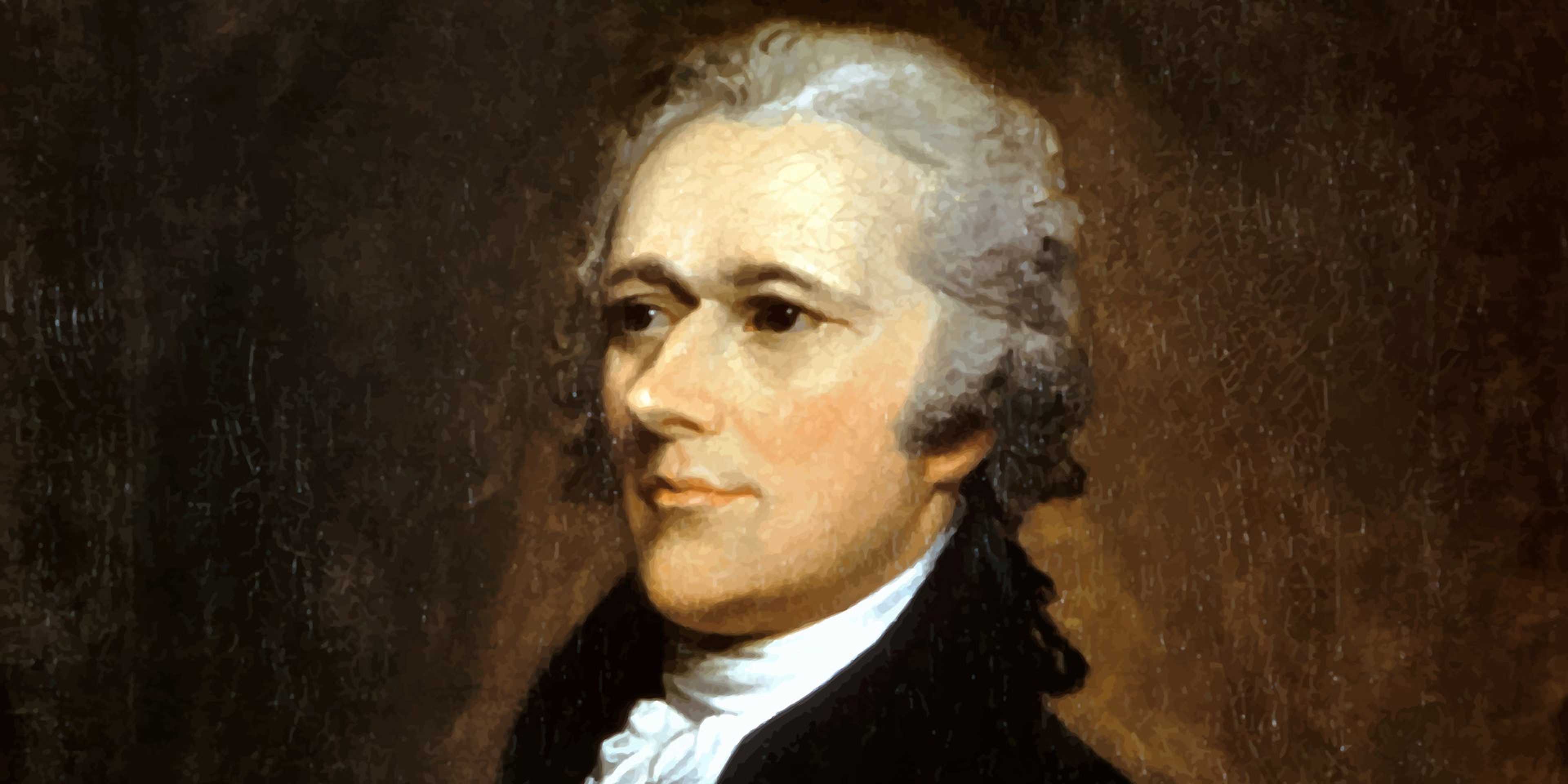
Alexander Hamilton remains one of the most brilliant, combative, and polarizing figures in the history of the United States. While contemporary audiences know him through the lens of modern pop culture and Broadway musical theater, his actual life was an extraordinary, high-stakes saga that shaped the bedrock of the American republic. As a soldier, scholar, and the chief architect of the U.S. financial system, Hamilton rose from absolute obscurity as an orphaned West Indian immigrant to become the right-hand man of George Washington. Yet, behind his celebrated public triumphs lies a complex tapestry of personal scandals, heartbreaking family tragedies, and political maneuvers that transformed the trajectory of early America forever.
The Historical Background: From Caribbean Orphan to Revolutionary Prodigy
To truly understand the rise of Alexander Hamilton, one must look to the harsh conditions of his upbringing in the West Indies. Born on the British island of Nevis, Hamilton was the illegitimate son of Rachel Faucette, a woman of French Huguenot descent, and James Hamilton, a struggling Scottish trader. Because Rachel was still legally married to another man, their relationship was deemed scandalous, and young Alexander was branded with the social stigma of illegitimacy. In 1765, James abandoned the family, and just three years later, Rachel died of yellow fever, leaving thirteen-year-old Alexander virtually destitute and alone.
Despite these early traumas, Hamilton possessed an insatiable intellect and a relentless work ethic. He secured an apprenticeship at Beekman and Cruger, an import-export firm based in Christiansted, St. Croix. His sharp aptitude for commerce, shipping, and currency exchange flourished here, providing him with a practical economic education that would later inform his policies as Treasury Secretary. Crucially, the complex mercantile environment of the West Indies was deeply tied to global networks of trade, slavery, and warfare. To understand the geopolitical atmosphere that shaped his early worldview, historians often examine the vital role of the Caribbean in the Revolutionary War, where maritime struggles directly impacted the mainland colonies.
Hamilton’s big break came in August 1772, when a devastating hurricane swept through the Leeward Islands. The young clerk wrote a vivid, deeply emotional letter detailing the destruction to his father. When local community leaders read the published account in the local newspaper, they were so astonished by the boy’s prose and intellectual maturity that they pooled their financial resources to send him to North America. In late 1772, Hamilton arrived in the original thirteen colonies, determined to forge his destiny in a land on the brink of revolution.
The Pivotal Timeline of Hamilton’s Life
- January 11, 1755 (or 1757): Born in Charlestown, Nevis. (The exact year remains a historical debate, though modern consensus leans toward 1755).
- 1772: Arrives in New York and begins preparatory studies before enrolling at King’s College (now Columbia University).
- 1775–1776: Organizes a volunteer militia company, the Hearts of Oak, and is commissioned as a captain of the New York Provincial Company of Artillery.
- 1777: Appointed as George Washington’s aide-de-camp with the rank of Lieutenant Colonel, serving as a trusted military secretary.
- 1781: Commands a battalion under Lafayette and leads a successful bayonet charge against Redoubt 10 at the Battle of Yorktown.
- 1787–1788: Represents New York at the Constitutional Convention and coordinates the writing of the Federalist Papers.
- 1789: Appointed by President Washington as the nation’s first Secretary of the Treasury.
- 1791: Begins an extramarital affair with Maria Reynolds, laying the groundwork for America’s first major political sex scandal.
- 1797: Publishes the infamous “Reynolds Pamphlet” to defend his financial honor.
- November 1801: Hamilton’s eldest son, Philip, is killed in a duel.
- July 11, 1804: Mortally wounded by Vice President Aaron Burr in a duel at Weehawken, New Jersey, passing away the following day.
Important Figures: Allies, Foes, and the Family Legacy
Throughout his meteoric career, Hamilton interacted with some of the most prominent personalities of the founding era:
- George Washington: Hamilton’s indispensable patron. Though their relationship was sometimes tense and transactional, Washington recognized Hamilton’s unmatched organizational mind and relied heavily on his counsel during the War and his presidency.
- Elizabeth Schuyler Hamilton: His deeply devoted wife, “Eliza.” Coming from an incredibly wealthy and politically powerful New York family, Eliza co-founded New York’s first private orphanage and spent her fifty years of widowhood tirelessly preserving her husband’s extensive writings and legacy.
- Thomas Jefferson: Hamilton’s primary ideological rival. Jefferson’s vision of a decentralized, agrarian America clashed directly with Hamilton’s push for a strong federal government, centralized banking, and urban manufacturing. This clash birthed the nation’s first political parties.
- Aaron Burr: Once a colleague in the New York legal system, Burr became Hamilton’s ultimate nemesis. Their decades-long professional rivalry culminated in the tragic duel that cost Hamilton his life and ruined Burr’s political career.
Turning Point: The Reynolds Pamphlet and a Fractured Dream
In the summer of 1791, Hamilton was approached by Maria Reynolds, a young woman claiming to have been abandoned by her husband. Hamilton visited her home to offer financial assistance, which quickly evolved into an ongoing affair. Her husband, James Reynolds, discovered the relationship and systematically extorted Hamilton for large sums of cash—which Hamilton paid in secret using his personal funds.
Years later, when James Reynolds was arrested for an unrelated financial fraud scheme, he attempted to secure his release by claiming Hamilton had been using federal Treasury funds for speculative trading. When confronted by congressional investigators, including James Monroe, Hamilton vehemently denied the embezzlement charges. To prove his innocence, he took the extraordinary step of showing the investigators his highly explicit love letters from Maria, demonstrating that the secret payments were personal hush money rather than public corruption. Satisfied, the investigators agreed to keep the matter private.
However, the documents were leaked to a notorious political gossip-monger named James Callender, who published the details in 1797. Obsessed with protecting his public reputation for financial integrity, Hamilton made a fateful decision: he published a 95-page confession known as the Reynolds Pamphlet. While the public admired his financial honesty, the brutal exposure of his infidelity devastated his family and forever shattered his prospects of running for the presidency.
Building the Institutional Foundations of America
Despite his personal downfalls, Hamilton’s structural contributions to the United States were immense and long-lasting:
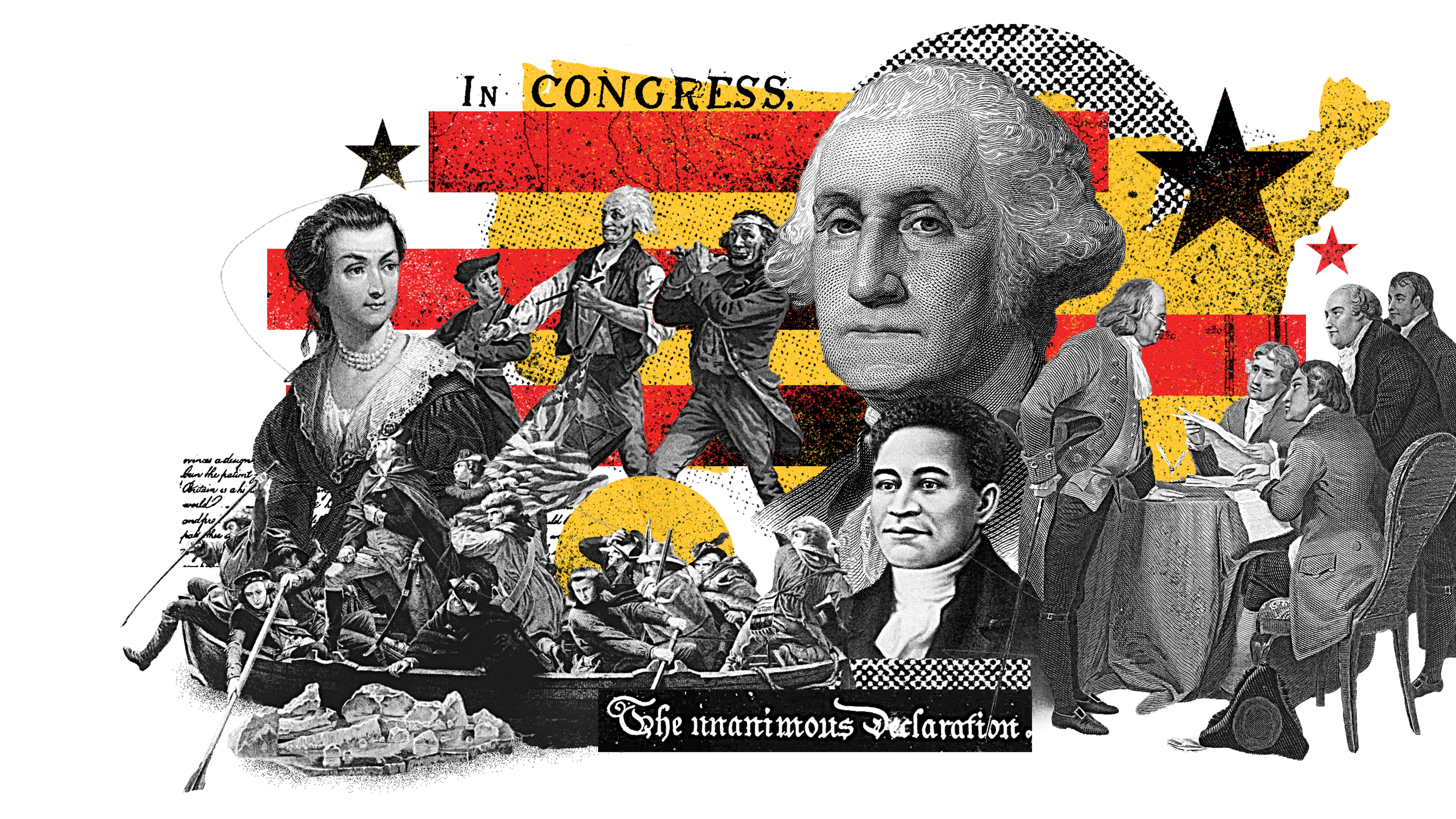
The Bank of the United States and the U.S. Mint: Hamilton argued that a national bank was essential for managing federal revenues and creating a stable, uniform national currency. His policies successfully consolidated and paid off the state debts incurred during the Revolutionary War, establishing federal creditworthiness on the global stage.
The Revenue Cutter Service: Established in 1790 to enforce customs laws and combat smuggling along the eastern seaboard, this naval tax collection bureau eventually evolved into the modern-day United States Coast Guard. Hamilton’s original naval communications guidebook was so detailed and effective that it remained in active use as late as 1962 during the Cuban Missile Crisis.
The Power of the Press: Recognizing the immense power of media in shaping public opinion, Hamilton founded the Bank of New York in 1784 and, in 1801, established a daily broadsheet called the New-York Evening Post. To appreciate how this fits into the broader media landscape of the early republic, one can look back to the history of early American newspapers, which transitioned from simple informational pamphlets into highly partisan political weapons.
Lesser-Known Facts and Historical Anecdotes
He Intentionally Lied About His Age: Most historians now believe Hamilton intentionally shaved two years off his age when he arrived in the colonies. Making himself appear to be 15 rather than 17 made him seem like a highly precocious young prodigy, making him a far more attractive candidate for local apprenticeships and university enrollment.
The Moving House: Hamilton’s beloved home, “the Grange,” in Harlem, New York, has actually been moved twice. In 1889, it was moved 250 feet away to save it from a developing street grid. In 2008, the National Park Service placed the entire historic structure on hydraulic lifts, elevating it over a nearby church, and successfully relocated it to St. Nicholas Park, where it stands beautifully restored today.
The Curse of the Weehawken Dueling Grounds: Duelists frequently crossed the Hudson River to Weehawken, New Jersey, because dueling laws were less strictly enforced there than in New York. Tragically, Hamilton’s eldest son, Philip, was killed in a duel on the exact same Weehawken ledge in 1801—three years before his father met the exact same fate against Aaron Burr.
Why Hamilton Matters Today
The modern world we live in is, in many ways, the realization of Hamilton’s vision. Unlike Jefferson, who envisioned an America populated by self-sufficient, small-scale farmers, Hamilton foresaw an industrial, urban powerhouse driven by global trade, centralized finance, manufacturing, and a strong federal government. Every time we use a standardized federal currency, interact with a central banking system, or witness the federal government exercising its implied constitutional powers, we are living in Hamilton’s America. His story is a powerful reminder that the institutions of American democracy were not inevitable, but were actively forged through fierce debate, brilliant intellect, and deep personal sacrifice.
People Also Ask (FAQ)
Was Alexander Hamilton ever President of the United States?
No, Alexander Hamilton was never President. His eligibility for the office was legally secure, but his political career was heavily damaged by the Reynolds Pamphlet scandal of 1797 and his constant conflicts with other key political figures, including John Adams and Thomas Jefferson.
Did Hamilton really write the Federalist Papers?
Yes, Hamilton was the driving force behind the Federalist Papers, a series of 85 essays written to urge New York citizens to ratify the Constitution. While John Jay wrote 5 essays and James Madison wrote 29, Hamilton wrote an astounding 51 essays, cementing his legacy as one of the nation’s premier legal minds.
Where is Alexander Hamilton buried?
Alexander Hamilton is buried in the churchyard of Trinity Church in Lower Manhattan, New York City. His wife, Elizabeth Schuyler Hamilton, is buried directly alongside him.
Conclusion
Alexander Hamilton was a flawed genius whose fierce determination, administrative brilliance, and combative nature helped lay the structural foundations of the United States. From his humble, tumultuous beginnings in the Caribbean to his tragic end on the dueling grounds of Weehawken, Hamilton’s life was a testament to the power of ideas and determination. Though his life was cut short at the age of 47 or 49, his financial, constitutional, and institutional legacy continues to define the United States of America in the twenty-first century.


