The voyage of the Mayflower in 1620 is one of the most iconic chapters in the American story, often cast as a grand quest for religious freedom. But if you ask modern historians, the real story of why did the Pilgrims come to America is far more complex, driven less by the search for religious tolerance and more by cold, hard economic survival. When these English Separatists boarded their creaking wooden vessel, they were already living in a society that granted them the freedom to worship as they pleased. Yet, trapped in grueling poverty, seeing their children assimilate into foreign cultures, and facing the gathering storm of European warfare, they made a desperate gamble. They partnered with London merchants, took aboard non-believing strangers, and risked everything on a dangerous transatlantic crossing. Understanding their true motives reshapes how we view the foundation of Plymouth Colony, the origins of American democracy, and the tragic, long-term displacement of the indigenous nations who already called this continent home.
Historical Background: The Scrooby Congregation and the Leiden Sanctuary
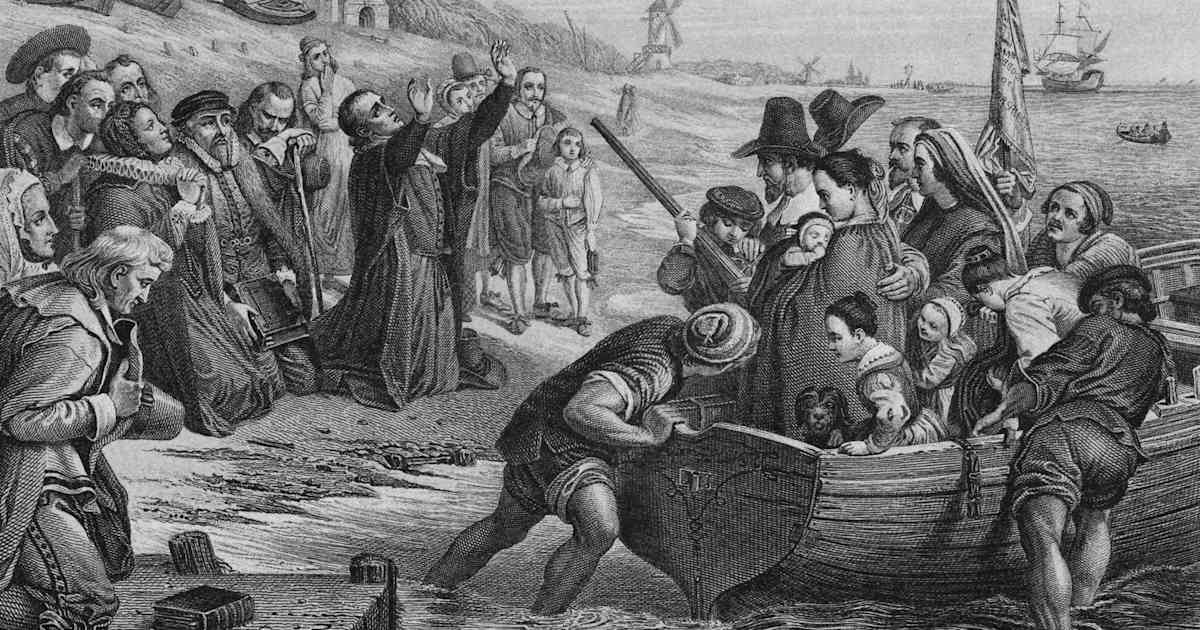
To understand why the Pilgrims eventually crossed the Atlantic, one must trace their steps back to the late 16th and early 17th centuries in England. Under the reign of King James I, the Church of England was the state-mandated religion. Those who dared to worship outside its confines faced fines, imprisonment, and even execution. Among these non-conformists were the English Separatists (often called Brownists), a radical faction of Puritans who believed the state church was beyond reform and that they must form their own, separate congregations.
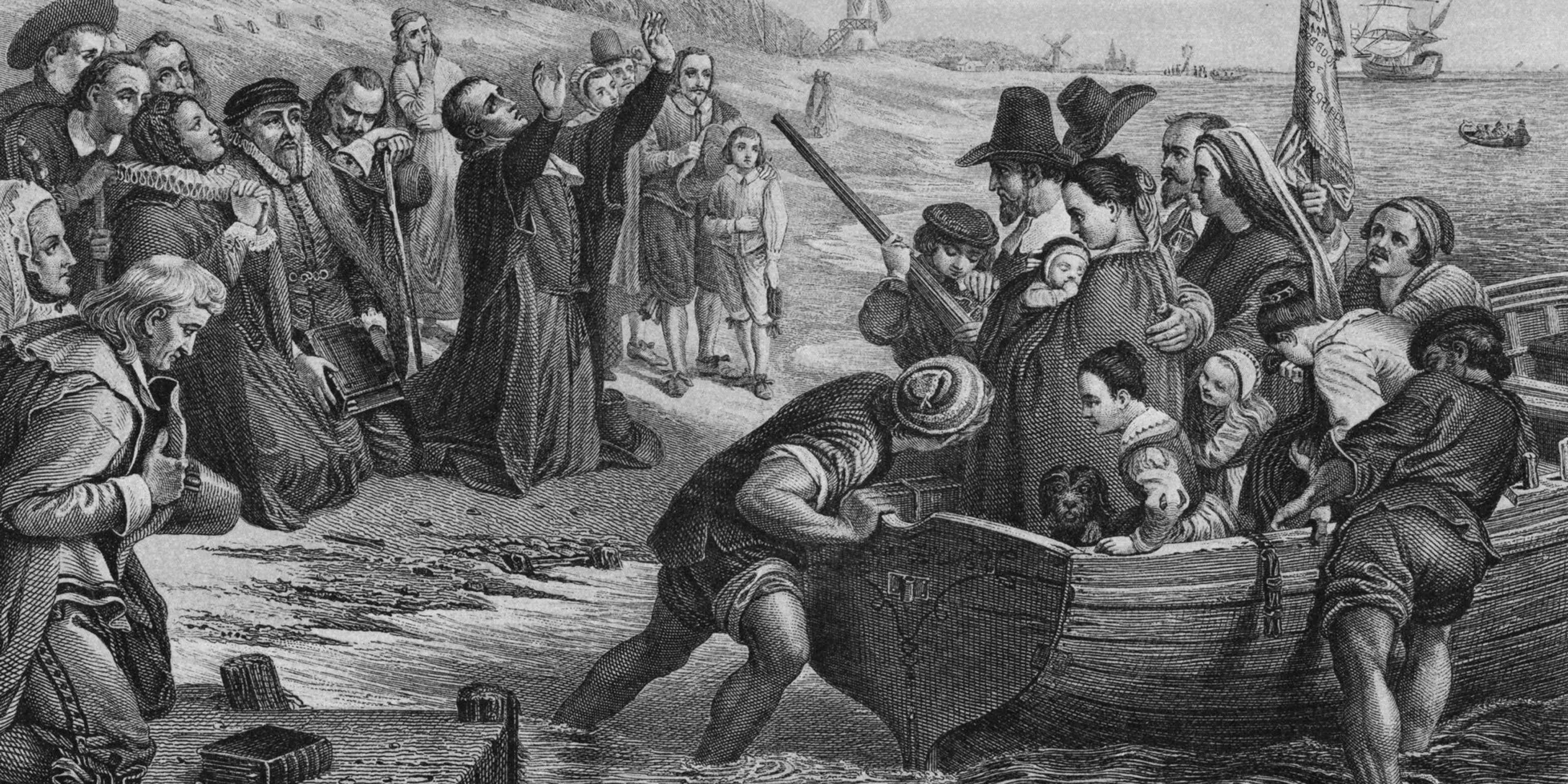
By 1606, a notable Separatist congregation had formed in Scrooby, Nottinghamshire, led by key figures like pastor John Robinson, elder William Brewster, and a young, literate farmer named William Bradford. Because their secret services were illegal, English authorities relentlessly persecuted them. Desperate for safety, they illegally fled England in 1608, finding temporary refuge in Amsterdam before settling in the bustling Dutch city of Leiden in 1609. Here, under the lenient and tolerant laws of the Dutch Republic, they finally found the religious freedom they had long prayed for. According to leader Edward Winslow, they enjoyed ‘much peace and liberty’. This historical fact completely disrupts the popular schoolbook myth: when the Pilgrims began planning their voyage to America, they already had complete religious toleration.
Key Events Timeline: From Scrooby to Massachusetts
To understand how a small group of English religious exiles in the Netherlands ended up establishing a permanent settlement in North America, we must look at the key chronological milestones:
- 1606: The Separatist congregation secretly forms in Scrooby, Nottinghamshire, England, to escape the state-run Church of England.
- 1608: To escape intensifying state persecution, the congregation illegally flees England, finding initial shelter in Amsterdam.
- 1609: Seeking to avoid theological disputes in Amsterdam, they relocate to the textile hub of Leiden, Netherlands, where they would spend over a decade.
- 1617–1619: Suffering from extreme economic distress and fearing the loss of their English identity, Pilgrim leaders begin seeking options to colonize America.
- June 1620: The Pilgrims reach a financial agreement with Thomas Weston and the Merchant Adventurers, a joint-stock company of London investors.
- September 16, 1620: After many setbacks, including the leaking of their companion ship the Speedwell, the Mayflower departs from Plymouth, England, carrying 102 passengers.
- November 21, 1620: The Mayflower sights land at Cape Cod. Realizing they are far north of their targeted Virginia territory, they anchor in modern-day Provincetown Harbor and sign the Mayflower Compact.
- December 1620: After exploring the coast, the colonists settle on the site of Patuxet, renaming it Plymouth Colony.
- 1621: Following a catastrophic winter that kills half the colonists, the survivors forge a mutual defense treaty with Massasoit, leader of the Wampanoag Nation.
- 1648: After nearly three decades of struggling to pay off their enormous debts to English backers, the Plymouth colonists finally clear their financial obligations.
- 1691: Plymouth Colony is formally absorbed into the larger, more prosperous Massachusetts Bay Colony.
Important Figures of the Mayflower Era
The survival and lasting legacy of Plymouth Colony were shaped by a handful of remarkable individuals. Each played a crucial role in navigating the socio-economic and political challenges of the New World:
- William Bradford: The spiritual and administrative pillar of the colony, Bradford served as governor for more than thirty years. His meticulously kept journal, published as Of Plimoth Plantation, remains our primary historical window into the Pilgrims’ journey and early struggles.
- William Brewster: The ruling elder of the Leiden congregation, Brewster was the intellectual force who helped coordinate the migration. He served as the primary religious leader in the colony, since pastor John Robinson remained behind in Europe.
- Myles Standish: A hired English military officer who was not a member of the Separatist congregation. His role was strictly practical: organizing Plymouth’s military defenses and leading expeditions. His aggressive, pre-emptive tactics against regional Native American tribes often caused tension with more pacifist leaders like Robinson.
- Edward Winslow: A diplomatic genius who established close relationships with local Native leaders, particularly Massasoit of the Wampanoag. His writings provided critical promotional and historical material for the early colony.
- Tisquantum (Squanto): A member of the Patuxet tribe who had been kidnapped by English explorers, enslaved in Europe, and returned to find his entire home village wiped out by an epidemic. Fluent in English, Squanto served as an indispensable guide, interpreter, and agricultural advisor, teaching the Pilgrims how to plant corn and navigate the local landscape.
Causes and Context: The Socio-Economic Realities of Leiden
If the Pilgrims enjoyed complete religious freedom in the Dutch Republic, why did they choose to leave? The truth lies in the socio-economic and political realities of early 17th-century Europe. The reasons behind their decision were deeply pragmatic:
1. The Trap of Urban Poverty
In England, the Separatists had been rural farmers accustomed to working the land. In Leiden, they were foreigners excluded from local guild memberships. This meant they were forced to take on the lowest-paying, most exhausting manual labor in the city’s booming textile industry. They spent long, grueling hours weaving, spinning wool, and making cloth just to survive. The hardship was so severe that many of their brethren in England chose to stay in prison rather than join them in Holland, famously remarking that they preferred English jails to Dutch ‘liberty with these afflictions.’
2. The Dissolution of English Identity
Over their eleven years in Leiden, Pilgrim leaders watched with growing alarm as their children assimilated into Dutch society. The youth were learning the Dutch language, adopting secular habits, and turning away from their parents’ strict religious values and English culture. Bradford lamented that the ‘manifold temptations’ of the liberal city were drawing their children into ‘extravagant and dangerous courses.’
3. The Looming Thirty Years’ War
The political landscape of Europe was highly volatile. In 1609, Spain and the Dutch Republic had signed a Twelve Years’ Truce, which had guaranteed peace during the Pilgrims’ stay in Leiden. By 1618, the catastrophic Thirty Years’ War had begun, and the truce was set to expire in 1621. The Pilgrims feared that a Spanish invasion of the Netherlands would bring the dreaded Catholic Inquisition to their doorstep, wiping out their religious sanctuary entirely.
4. The Hope of Evangelism
The Pilgrims also saw the New World as a fresh canvas where they could not only preserve their English identity but also actively spread their Christian faith. William Bradford noted that they possessed a great hope of ‘propagating and advancing the gospel of the kingdom of Christ in those remote parts of the world.’
Major Turning Points in the Plymouth Venture
The transition from a struggling group of religious exiles in Europe to a permanent American settlement was defined by several pivotal turning points:
The Corporate Alliance with Merchant Adventurers
Lacking the funds to purchase ships or supplies, the Pilgrims turned to a group of seventy London businessmen known as the Merchant Adventurers. Led by Thomas Weston, these profit-seeking investors financed the voyage by setting up a joint-stock company. In exchange for the passage, the Pilgrims agreed to work the land communally for seven years, sending back fur, timber, and fish. All land and profits were to be divided after the contract expired. This corporate contract meant the Pilgrims were not merely religious refugees; they were bound contractually as corporate laborers.
The Division of ‘Saints’ and ‘Strangers’
To fill the Mayflower and maximize profit potential, the London merchants forced the Pilgrims to accept non-Separatist passengers. These secular settlers, whom the Pilgrims called ‘Strangers,’ wanted economic opportunity rather than religious reform. This group represented about half of the Mayflower passengers, establishing a delicate and tense internal dynamic from the very beginning.
The Signing of the Mayflower Compact
When the Mayflower arrived in New England in November 1620, the passengers realized they had landed outside the legal boundaries of their Virginia Company patent. Sensing an opportunity, several ‘Strangers’ declared that they were no longer bound by any law or authority. To prevent anarchy, Pilgrim leaders drafted the Mayflower Compact. This historic document, signed on November 11, 1620, bound the signers into a ‘civil body politic’ to enact ‘just and equal laws’ for the general good of the colony. It was a groundbreaking moment, establishing the principle of self-governance by consent of the governed.
Long-Term Impact on America
The legacy of the Plymouth Colony is woven deeply into the fabric of modern America, but this impact is dual-edged, carrying both democratic triumphs and indigenous tragedies:
- The Foundations of American Democracy: The Mayflower Compact is widely considered one of the earliest foundational documents of American constitutional democracy, pioneering the concept of rule by the consent of the governed.
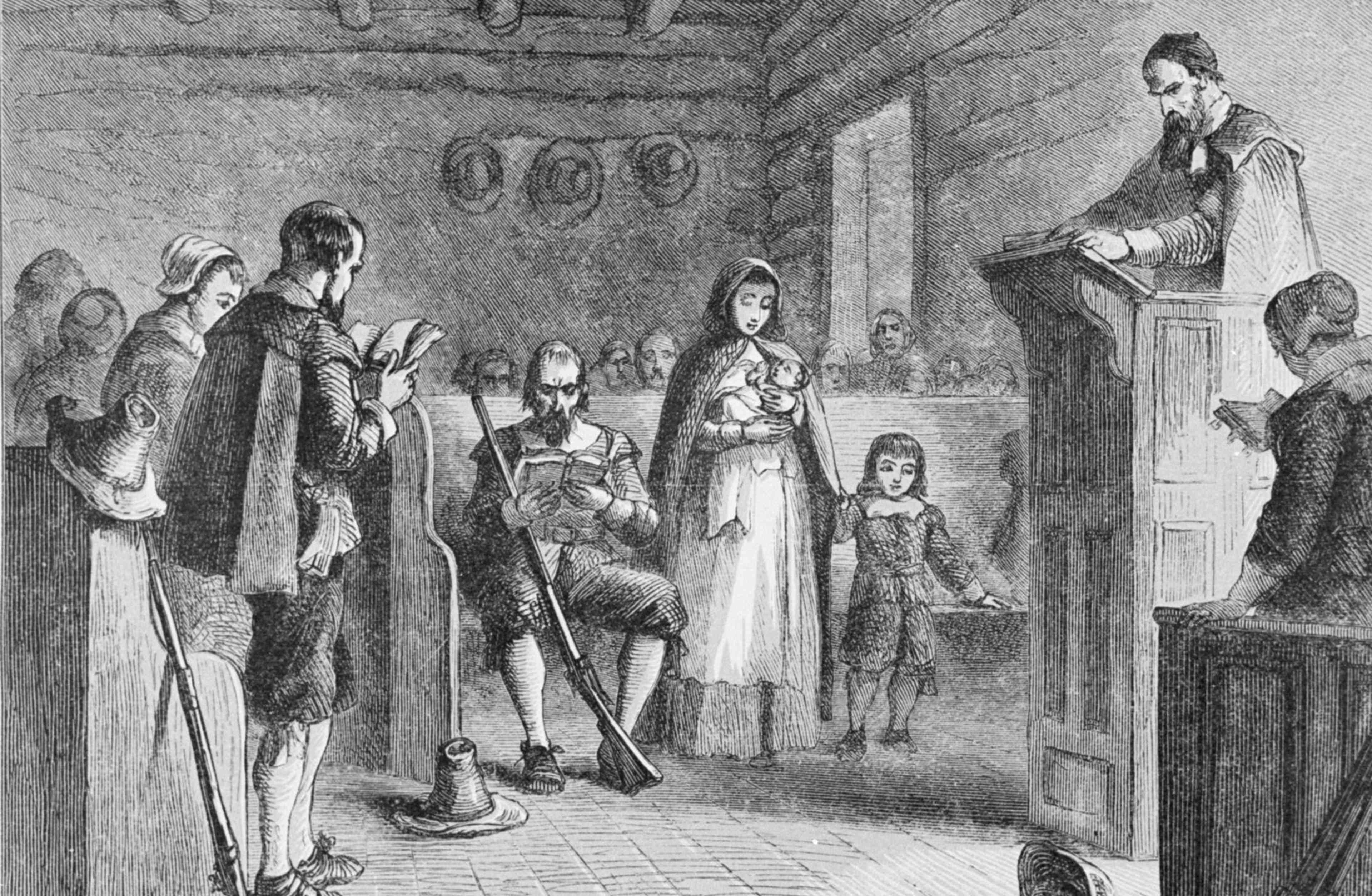
- Separation of Church and State: Despite their intense religious devotion, the Pilgrims in Plymouth constructed a civic legal system that was surprisingly separate from their church leadership. Historians note that they did not enforce strict religious conformity on non-members, helping pave the way for modern religious pluralism.
- Devastation of Indigenous Communities: The arrival of the Pilgrims marked the beginning of a massive colonial wave that proved catastrophic for local Native American tribes. Decimated by European diseases to which they had no immunity, and gradually pushed off their ancestral lands by colonial expansion, the indigenous populations faced physical, cultural, and political devastation. This complex legacy is why many Native Americans today view the Thanksgiving story not as a celebration, but as a day of mourning.
Lesser-Known Facts About the Pilgrims
Beyond the traditional myths of buckles, black hats, and friendly feasts, several fascinating facts highlight the complexity of the Pilgrim experience:
- The Beaver Pelt Bailout: The early Plymouth Colony was a commercial failure. The initial shipments of timber and sassafras sent back to England were either lost at sea or captured by French pirates. What ultimately saved the colony from financial ruin was the lucrative trade in beaver pelts, which were in massive demand in Europe to make luxury felt hats.
- A Wardrobe of Color: Contrary to the popular image of the Pilgrims wearing exclusively black and white outfits with large buckles, historical inventories show they wore bright colors. Wills and cargo records show clothing in violet, green, red, and blue. Buckles were actually a late-17th-century fashion that the Pilgrims did not wear in 1620.
- They Were Consumed by a Larger Corporation: Plymouth Colony never achieved the massive growth or power of its neighbor, the Puritan-led Massachusetts Bay Colony (established in 1630). Unable to fully secure its financial independence, Plymouth was eventually absorbed by Massachusetts in 1691, ending its status as an independent colony.
Why It Still Matters Today
Understanding the true history of why the Pilgrims came to America matters because it challenges our national mythology and forces us to look at early American history through a realistic lens. The Pilgrims were not plaster saints or simple pioneers; they were complex, desperate human beings navigating global economic systems, religious conflict, and geopolitical changes. Their story is a powerful reminder of how economic migrants, corporate funding, and the search for security have shaped the American identity from its very inception. Furthermore, it prompts a necessary and ongoing dialogue about the historical costs of colonization borne by the Wampanoag and other indigenous peoples, encouraging a more inclusive and honest reckoning with America’s complex roots.
People Also Ask
Why did the Pilgrims leave Holland?
The Pilgrims left Holland because they faced extreme economic hardship, working low-paying, exhausting textile jobs. Additionally, they feared that their children were losing their English culture and language by assimilating into secular Dutch society, and they were terrified of the looming resumption of the Thirty Years’ War between the Netherlands and Spain.
Did the Pilgrims come to America for religious freedom?
While they wanted to protect their religious identity, they already had complete religious freedom in Leiden, Holland. Their decision to cross the Atlantic was primarily driven by economic desperation, the desire to preserve their English nationality, and the need to escape poverty and impending European warfare.
What was the difference between the Pilgrims and the Puritans?
The Pilgrims were ‘Separatists’ who believed the Church of England was beyond saving and that they must break away entirely to form independent congregations. The Puritans, who arrived later and established the Massachusetts Bay Colony, believed the Church of England could be ‘purified’ from within and sought to build a model Christian society in the New World.
Conclusion
In stripping away the romanticized myths of the Pilgrims, we uncover a much more human, gritty, and compelling story. The question of why did the Pilgrims come to America is answered not just in the sanctuary of a church, but in the textile mills of Leiden, the boardrooms of London’s Merchant Adventurers, and the cabins of the Mayflower where ‘Saints’ and ‘Strangers’ had to learn to live together. By examining their real economic struggles, their political compromises, and their complex relationships with the indigenous Wampanoag, we gain a far deeper and more honest appreciation for the triumphs and tragedies that laid the cornerstones of America.


