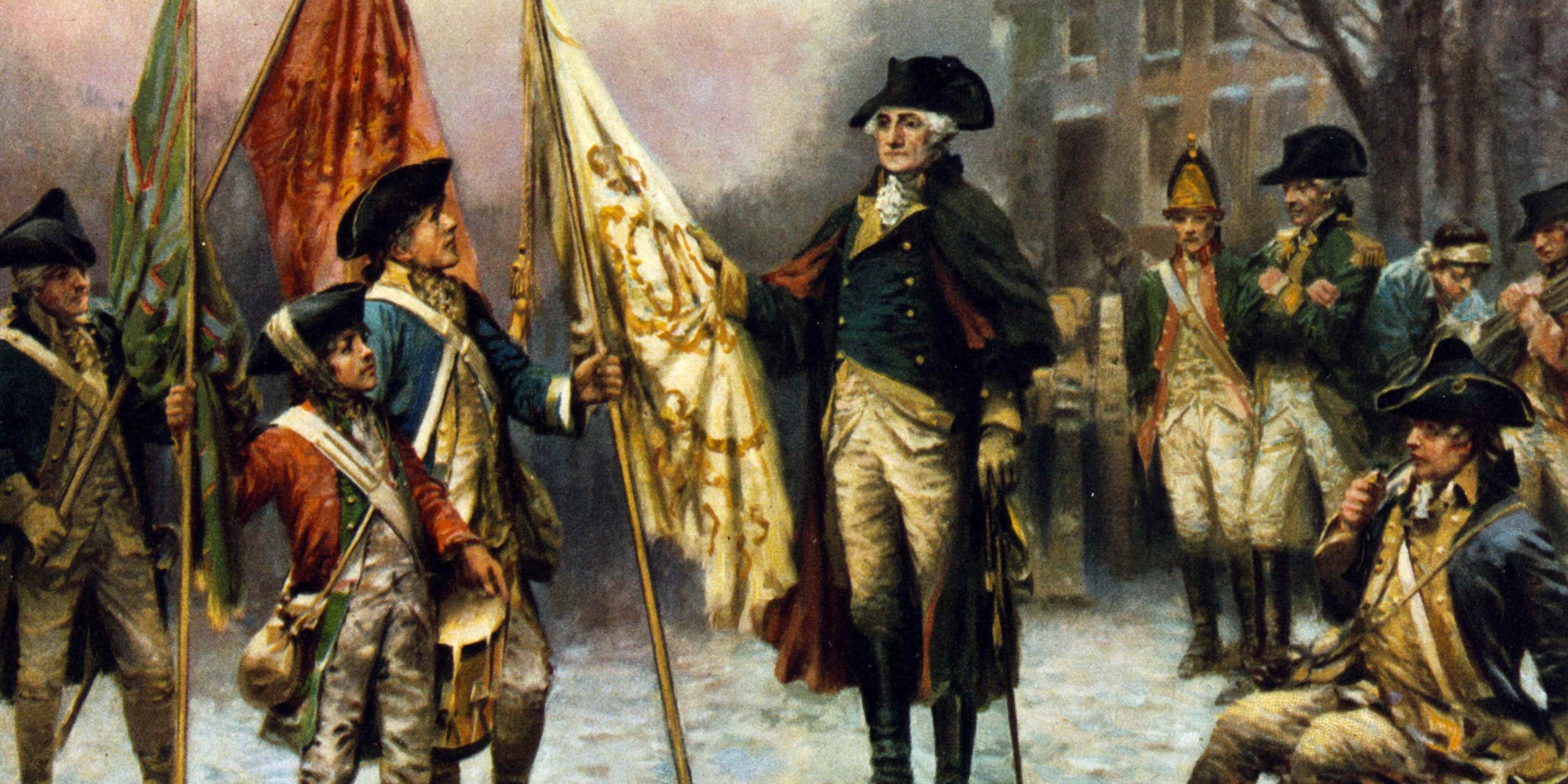
When we picture the American Revolutionary War, we often conjure images of redcoats marching in neat lines, colonial minutemen firing from behind stone walls, and dramatic battlefield surrenders. However, the true turning point of the war did not just occur in open combat; it was forged in the shadows of occupied cities, written between the lines of family letters in invisible ink, and hung innocuously on laundry lines across Long Island. General George Washington, leading an underfunded, undertrained, and vastly outnumbered Continental Army, realized early on that physical force alone would not secure American independence. To outmaneuver the global superpower of his day, Washington turned to an invisible army: a sophisticated, highly secretive network of civilian spies, double agents, tailors, and housewives whose covert actions altered the course of history.
The Historical Background: Asymmetric Warfare and the Need for Intelligence
To understand the necessity of colonial espionage, one must examine the state of the American rebellion in its early years. In 1775, when the Second Continental Congress appointed George Washington as Commander-in-Chief, there was no centralized American intelligence agency. Washington had to quickly grasp the reins of command. Before he took charge, the question of who commanded the Continental Army before Washington highlights the decentralized, local militia-based nature of the early colonial defense. Once in command, Washington faced the daunting task of defending the 13 colonies against the highly professional British Army and Royal Navy.
Washington’s appreciation for military intelligence began decades earlier during the French and Indian War, where he witnessed how valuable scouting reports from Native Americans and French deserters could prevent catastrophic ambushes. By 1776, after the British successfully seized New York City and forced the Continental Army into a humiliating retreat, Washington realized that classic European-style warfare would result in his total defeat. He needed to know the enemy’s plans before they were executed, leading him to invest heavily in a covert intelligence war.
Chronological Timeline of Revolutionary War Espionage
- 1775: Washington establishes “Knowlton’s Rangers,” the first official American military intelligence unit, commanded by Colonel Thomas Knowlton.
- September 1776: Captain Nathan Hale, a member of Knowlton’s Rangers, is captured by the British in New York and hanged as a spy. His death highlights the brutal risks of colonial espionage.
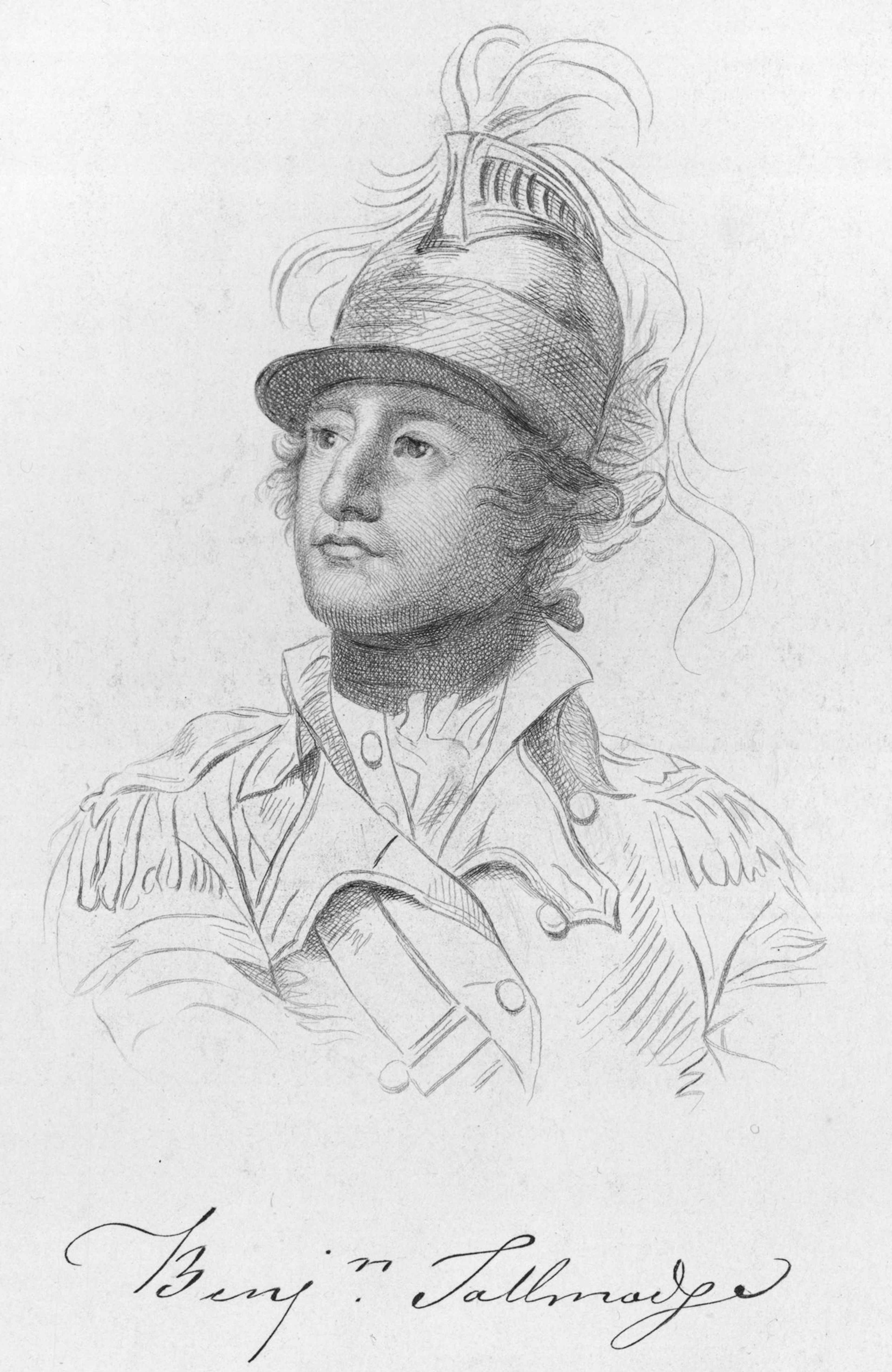
- November 1778: Recognizing the need for a more secure network, Washington appoints Major Benjamin Tallmadge as director of military intelligence. Tallmadge establishes the “Culper Spy Ring.”
- 1779: The Culper Ring successfully uncovers a British plot to collapse the Continental economy by flooding the market with counterfeit currency.
- July 1780: Culper agents discover a British plan to ambush the newly arrived French fleet under Admiral Rochambeau in Rhode Island, allowing the allies to prepare.
- September 1780: The spy network unmasks Benedict Arnold’s treasonous plot to surrender West Point, leading to the capture and execution of British spymaster Major John André.
- 1781: James Armistead, an enslaved double agent, provides the intelligence that traps Lord Cornwallis at Yorktown, effectively ending the war.
Key Figures and Their Covert Roles
The success of American Revolution intelligence relied on ordinary citizens who leveraged their daily routines to shield their activities. Many of these individuals held common jobs in colonial America, which allowed them to move freely and collect secrets without raising the suspicion of British occupiers.
Major Benjamin Tallmadge (John Bolton)
The operational mastermind of the Culper Ring, Benjamin Tallmadge, was a childhood friend of many of his recruits from Setauket, Long Island. Tallmadge created the Culper Code Book, which assigned numbers to 763 specific names, places, and everyday words. For instance, Washington was represented by the code “711,” “woman” was “701,” and “New York” was “727.” This code remained unbroken throughout the entire war.
Abraham Woodhull (Samuel Culper Sr.) & Robert Townsend (Samuel Culper Jr.)
Woodhull operated out of Setauket, gathering information from contacts in New York City and smuggling it across Long Island Sound. Robert Townsend operated deep inside enemy-occupied New York City. Posing as a loyalist newspaper writer and merchant, Townsend frequented coffee houses and taverns, chatting with talkative British officers who unwittingly revealed troop movements and supply shortages.
Anna Strong (Agent 355)
While the identity of the mysterious female agent codenamed “355” remains a subject of historical debate, many scholars believe Anna Strong played this pivotal role. Living in Setauket, she developed a genius signaling system using her laundry line. Hanging a black petticoat indicated that a message was ready for pickup. By hanging a specific number of handkerchiefs next to the petticoat, she signaled the exact location where Caleb Brewster, a daring whaleboat captain, was hiding to row the intelligence across the Sound to Tallmadge in Connecticut.
Hercules Mulligan and Cato
Hercules Mulligan was a fashionable tailor in New York City who catered to high-ranking British military officers. Because they viewed him as a harmless, wealthy loyalist, British officers spoke openly about their missions while being fitted for uniforms. Working alongside Cato, his enslaved manservant, Mulligan gathered invaluable intelligence. Cato acted as the courier, slipping past British checkpoints to deliver the secrets directly to Alexander Hamilton, Washington’s aide-de-camp. Twice, Mulligan and Cato’s quick actions saved George Washington from capture or assassination.
James Armistead Lafayette
An enslaved African American from Virginia, James Armistead received permission from his master to join the Lafayette’s forces. Posing as a runaway slave seeking employment with the British, Armistead gained the trust of General Benedict Arnold and later Lord Cornwallis. Working as a double agent, he fed the British false information while delivering highly accurate British battle plans to the Marquis de Lafayette. His intelligence was directly responsible for the strategic encirclement of Yorktown.
The Strategic Turning Points Shaped by Espionage
Without the tireless efforts of Washington’s spy network, several key historical moments could have ended in disaster for the young United States:
1. The Counterfeit Currency Crisis
The British attempted to wage economic warfare by printing massive amounts of counterfeit Continental currency to cause hyperinflation and destroy the American economy. Culper Ring agents discovered this operation in New York, allowing Congress to withdraw the compromised bills and avert complete financial ruin.
2. Saving the French Fleet
When the French army landed in Newport, Rhode Island, in 1780, they were highly vulnerable. The British planned an immediate joint land-and-sea assault to crush them. Robert Townsend discovered the attack plan, and Washington immediately staged a massive troop movement toward New York City, forcing the British to cancel their Rhode Island expedition to defend their own headquarters.
3. Unmasking Benedict Arnold
Major John André, the head of the British Secret Service in America, was coordinating with the traitorous American General Benedict Arnold to hand over West Point. Thanks to the vigilant oversight of the American intelligence network, André was captured with the plans hidden in his boot. Though Arnold escaped, West Point was saved, preventing the British from splitting the colonies in half.
Long-Term Impact on America’s Intelligence Legacy
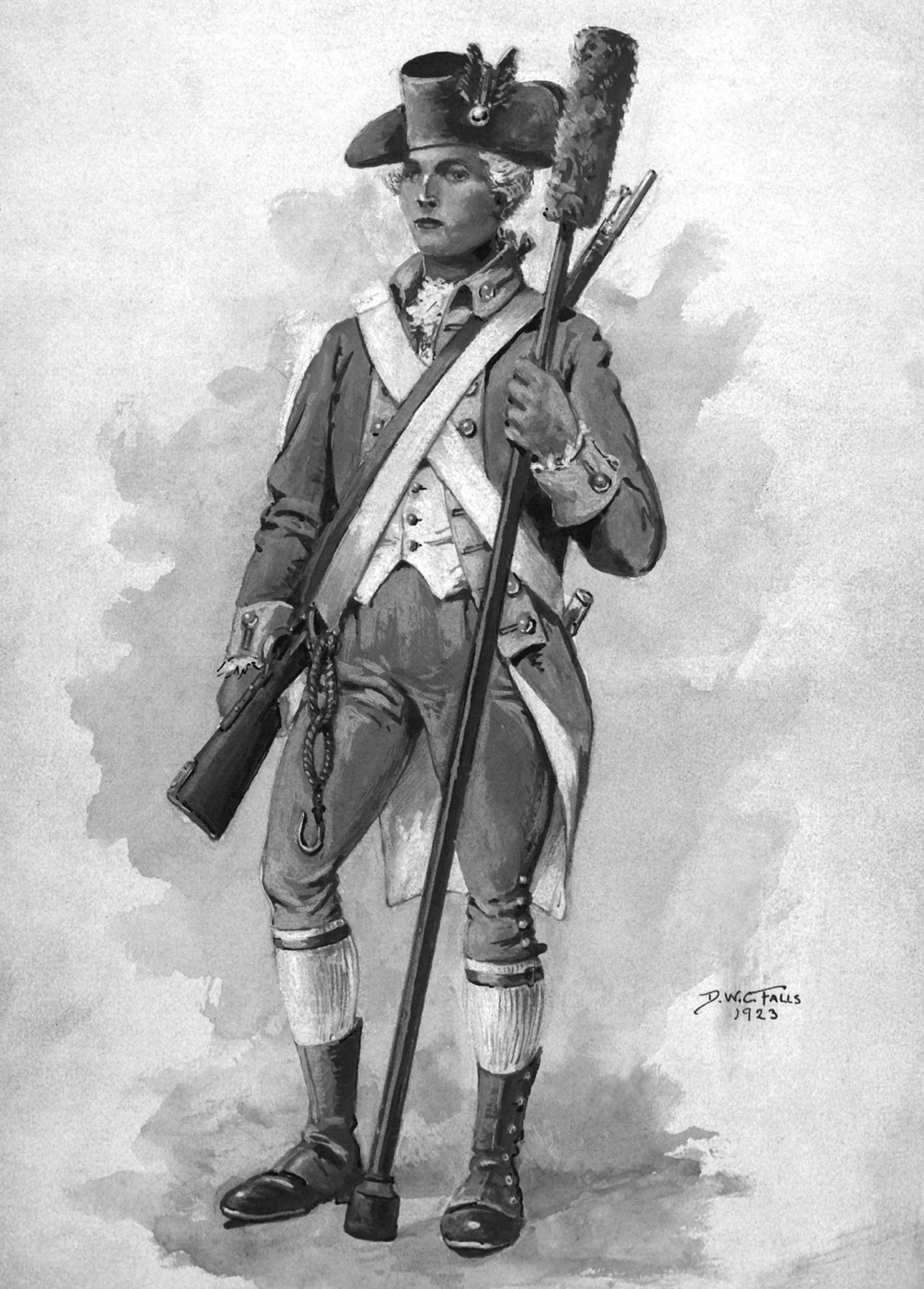
The strategies developed during the Revolutionary War laid the structural foundation for modern American intelligence. Washington’s deep personal involvement in espionage—including his funding of operations from a private “secret service” account—set a precedent for the executive branch’s control over foreign intelligence. The modern U.S. Army Intelligence service still traces its lineage back to the formation of Knowlton’s Rangers in 1776, honoring this legacy on its official seals. The tradecraft established by Tallmadge, from complex cryptography to double-agent manipulation, remains fundamental to modern intelligence organizations like the CIA.
Fascinating and Lesser-Known Facts of Colonial Spyship
- The Invention of “Sympathetic Stain”: James Jay (brother of founding father John Jay) invented a highly advanced invisible ink. Unlike vinegar or lemon juice, which could be revealed by simply heating the paper, Jay’s chemical formula required a specific secondary chemical reagent to become visible. Washington instructed his spies to write these messages between the lines of normal, everyday business transactions or family correspondence to avoid suspicion.
- The Tailor’s Legacy: Following the British evacuation of New York, many citizens suspected Hercules Mulligan of being a loyalist collaborator. To protect his agent and publicly honor him, George Washington visited Mulligan’s home for breakfast the morning after the British left, purchasing a new suit and officially declaring Mulligan a true American patriot.
Why Washington’s Invisible War Still Matters Today
In the digital age of satellite surveillance, cybersecurity, and global networks, the story of George Washington’s spy network reminds us that human intelligence (HUMINT) remains the bedrock of national security. It highlights how ordinary citizens, fueled by a shared belief in liberty, can defeat a global empire through sheer ingenuity, courage, and discretion. The legacy of the Culper Ring proves that sometimes, the most powerful weapons in a war are not the cannons on the battlefield, but the secrets carried in silence.
People Also Ask
Who was the most successful spy in the American Revolution?
While success is hard to measure in espionage, the Culper Spy Ring as a whole is considered the most successful network because its members were never unmasked by the British during the war. Among individuals, James Armistead Lafayette and Hercules Mulligan were extraordinarily successful, both directly saving Washington’s life and securing the victory at Yorktown.
How did George Washington use invisible ink?
Washington used an advanced chemical solution known as “sympathetic stain” invented by James Jay. Spies would write secret intelligence between the lines of seemingly mundane letters. The recipient would then apply a specific chemical agent to make the invisible writing reappear, preventing British interceptors from discovering the messages.
What happened to Benedict Arnold’s accomplice, John André?
Unlike Benedict Arnold, who managed to escape to a British warship, Major John André was captured by American militia in civilian clothes with West Point’s defense plans in his boot. Under the laws of war, he was tried as a spy and hanged on October 2, 1780.
Conclusion
The American Revolution was won not just by the courage of soldiers in uniform, but by the quiet bravery of everyday citizens who operated in the shadows. George Washington’s genius was not merely in his battlefield tactics, but in his profound understanding of human nature and the power of information. By orchestrating a brilliant web of colonial espionage, Washington turned his struggling army’s weakness into its greatest, most invisible strength—ensuring that the birth of the United States was written not in surrender, but in victory.


2 comments